
Most of us assume the book comes first and the film follows. Bookshelves tell a different story, because a long tradition of novelizations has turned screenplays into paperbacks.
Some of these books were quick tie-ins for a release window. Others added backstory the screen never had room for. The seven below show how varied the practice can be.
2001: A Space Odyssey
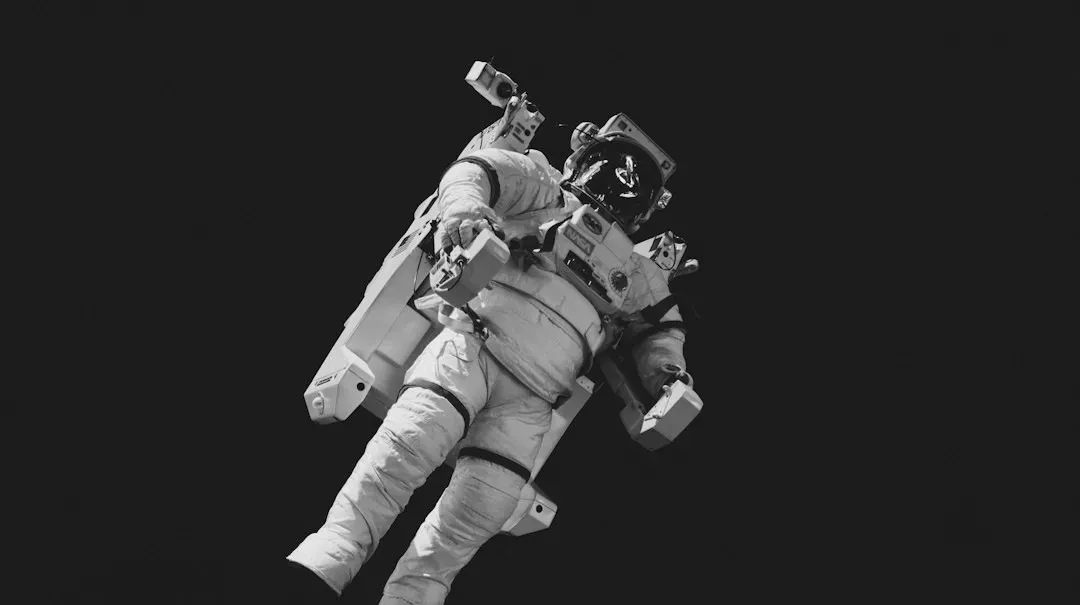
Arthur C. Clarke’s novel of 2001 appeared in 1968, the same year as Stanley Kubrick’s film. The two were developed side by side. Clarke drew on his earlier short story The Sentinel, and Kubrick wanted a full narrative to build the film around.
The result is a loose fit between page and screen. The novel explains much of what the film leaves to silence and imagery. Readers who found the movie baffling often say the book fills in the gaps.
Star Wars

The Star Wars novelization came out under George Lucas’s name, though Alan Dean Foster wrote it. It was published in late 1976, ahead of the film’s release in May 1977. It was built from the screenplay, so the film was its source in a practical sense.
The book carries a few scenes and details that differ from the finished movie. That makes it a curiosity for fans who like seeing an early draft of a famous story. It also helped build interest before audiences had seen a frame.
Alien
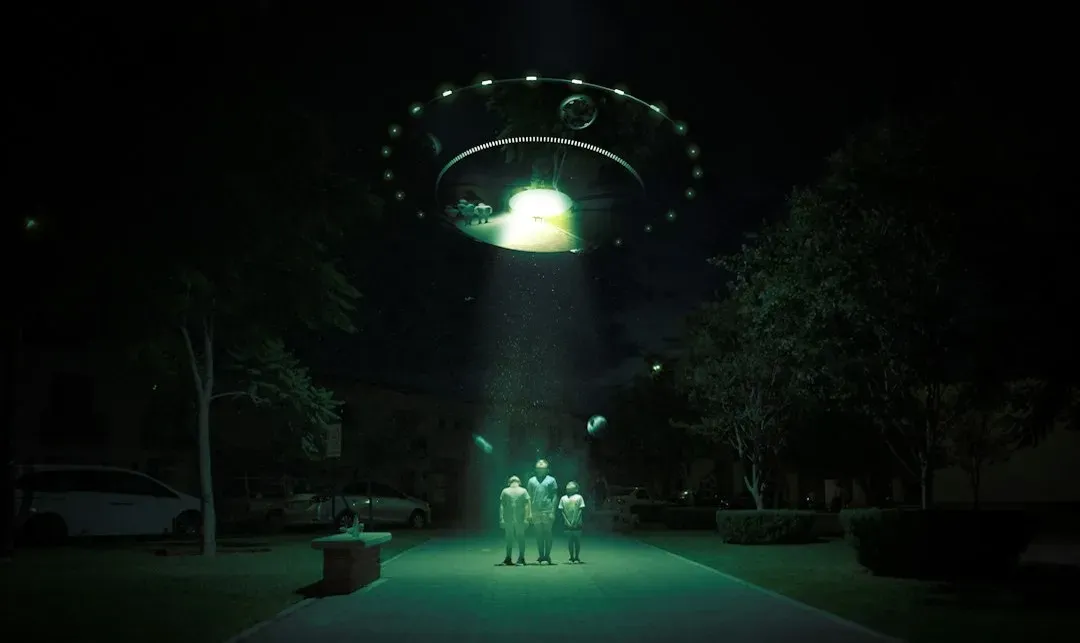
Alan Dean Foster also wrote the novelization of Alien in 1979, working from the script for Ridley Scott’s film. The book stays close to the story of the crew of the Nostromo. It reads as a faithful retelling with a little extra interior detail.
Foster later returned to the series and wrote the novelization of Aliens in 1986. Between those two books, he became one of the best known names in the field. His work shows that a tie-in can be a steady craft rather than a throwaway job.
Partner offer
E.T. the Extra-Terrestrial

William Kotzwinkle wrote the novelization of E.T. in 1982, following Steven Spielberg’s hit film. The book expands on the alien’s point of view and his life before he was stranded on Earth. That gave readers something the movie only hinted at.
Kotzwinkle went on to write a follow-up novel, E.T.: The Book of the Green Planet, in 1985. It wasn’t a film sequel, so the story continued only in print. Few novelizations have grown into their own continuation this way.
Close Encounters of the Third Kind

A novelization of Close Encounters was published in 1977 around the time of Spielberg’s film, with his name on the cover. The credit made it feel like the director’s own account of the story. It followed the film’s tale of ordinary people drawn toward an alien meeting point.
As with several books of this era, the credited author and the actual writing process weren’t always the same thing. Celebrity bylines were a marketing tool as much as a statement of authorship. The book still stands as a snapshot of how studios sold big films across media.
Star Trek: The Motion Picture
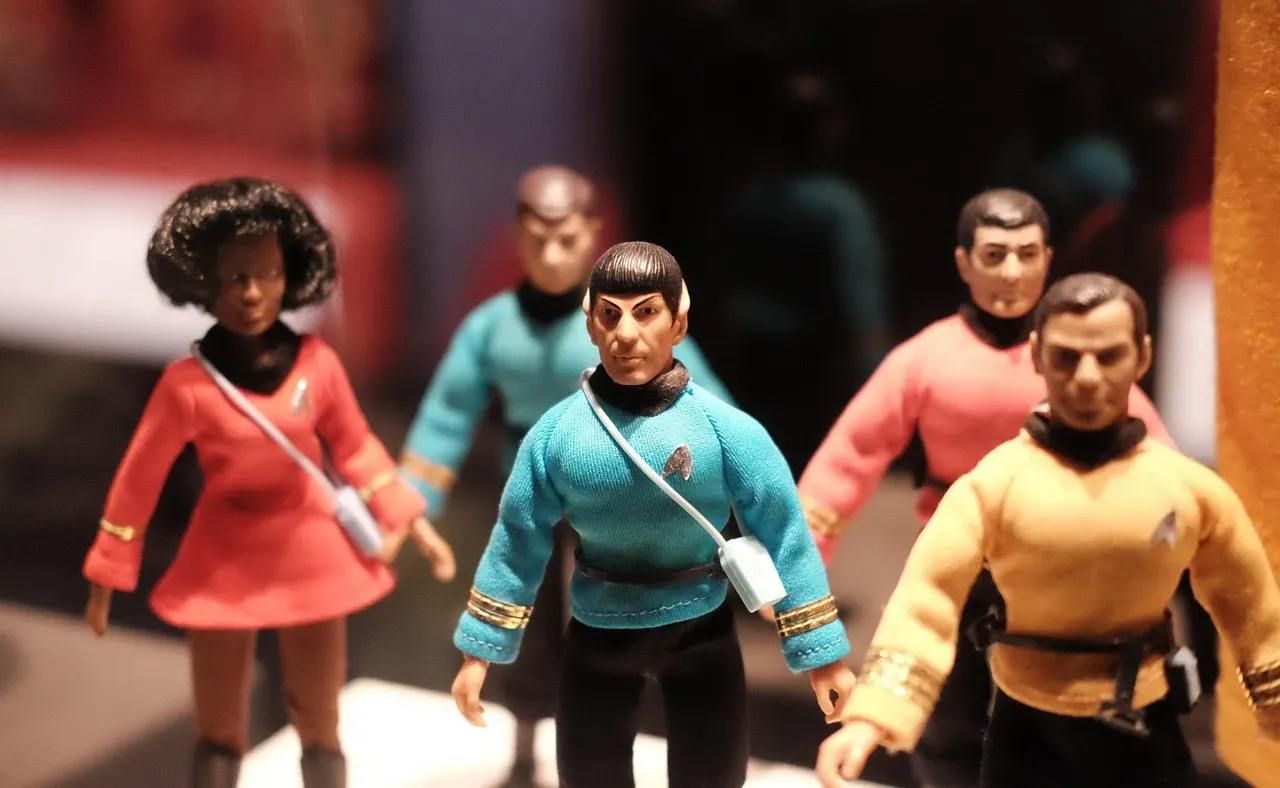
Gene Roddenberry, the creator of Star Trek, is credited with the 1979 novelization of The Motion Picture. It arrived alongside the first big screen outing for the original crew. The book was a notable event because it came from the franchise’s own founder.
It gives more room to the characters’ thoughts and to the history around the story. Fans have long treated it as a companion to the film rather than a replacement. It also showed that a television property could carry its mythology into print.
The Terminator
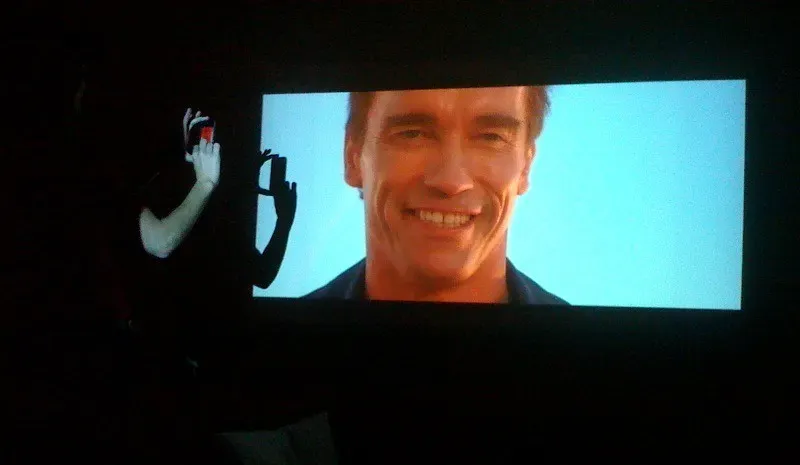
Shaun Hutson wrote the 1984 novelization of The Terminator, based on the James Cameron film. It follows the same chase, with a soldier from the future protecting a woman targeted by a killer machine. Prose gave Hutson space to dwell on the characters’ fear and the bleakness of the world they come from.
The Terminator also had novelizations for later entries, including Terminator 2 in 1991. Those books continued the habit of turning each release into a paperback. For a franchise built on relentless pursuit, the page offered another way to follow it.
Partner offer
Planning a trip to Vegas?
Compare hotel rates and show tickets on VEGAS.com.