Most directors hand the music to a trusted composer and stay in the edit bay. A smaller group writes the notes themselves, so the sound and the image come from one mind. The result often feels unusually unified, since the pacing of a scene and the rhythm of its music were planned together.
These eight films are well documented examples. Each one credits the director with composing all or part of the score, and the choices range from lean synthesizer themes to full orchestral writing.
Halloween (1978)

John Carpenter directed this slasher classic and also wrote its score. The main theme is built on a repeating piano pattern in an unusual five beat meter, which gives it a lurching, unsettled feel.
Carpenter has said in past interviews that he worked fast and on a tiny budget, which suited the minimal approach. The theme has since become one of the most recognizable pieces of horror music. He later returned to the franchise to co-compose the scores for the newer films with his son Cody Carpenter and Daniel Davies.
Escape from New York (1981)
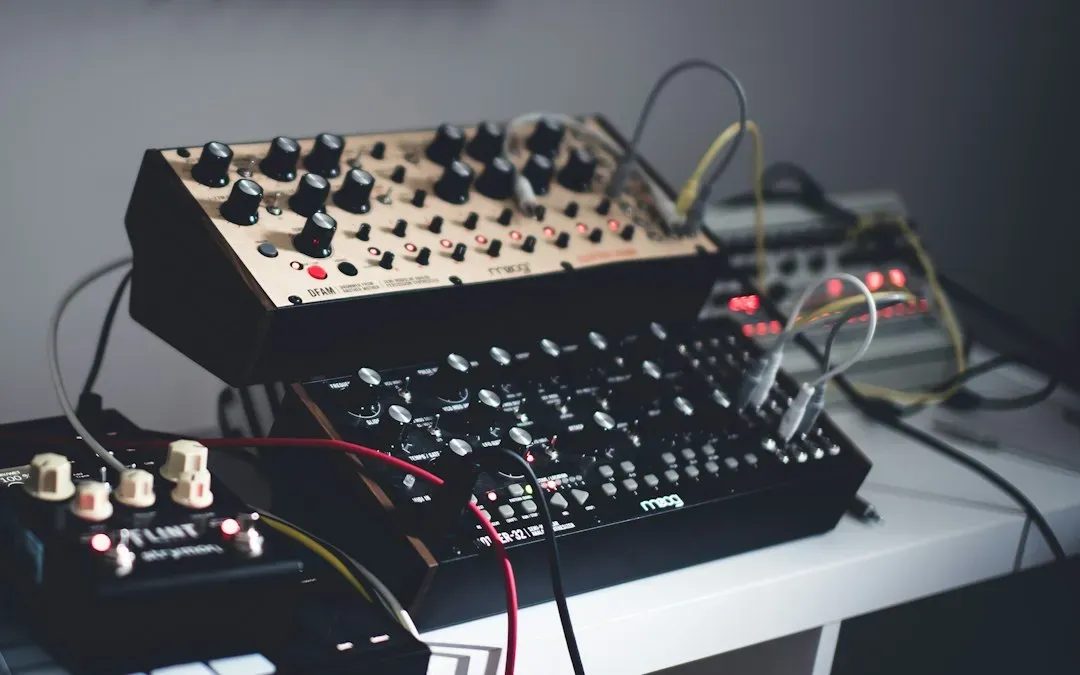
Carpenter again took on scoring duties, this time with Alan Howarth credited as a collaborator. The music leans on analog synthesizers and a driving, brooding main theme that matches the film’s grimy dystopian setting.
The approach shows how Carpenter used limited tools to build a distinct identity. Synthesizers were affordable and fast, and they suited a low budget science fiction thriller. The sound became a template for many later genre films.
City Lights (1931)

Charlie Chaplin directed, wrote, produced, and starred in this silent comedy, and he composed the score as well. Chaplin could not read or write music in the traditional sense, so he worked with arranger Arthur Johnson to turn his ideas into orchestral notation.
The music supports the film’s mix of slapstick and tenderness, and it follows the action closely. Chaplin continued to compose for his own films, and he later won an Academy Award for the score of Limelight, which was credited in the 1972 awards season after its Los Angeles release.
Eraserhead (1977)
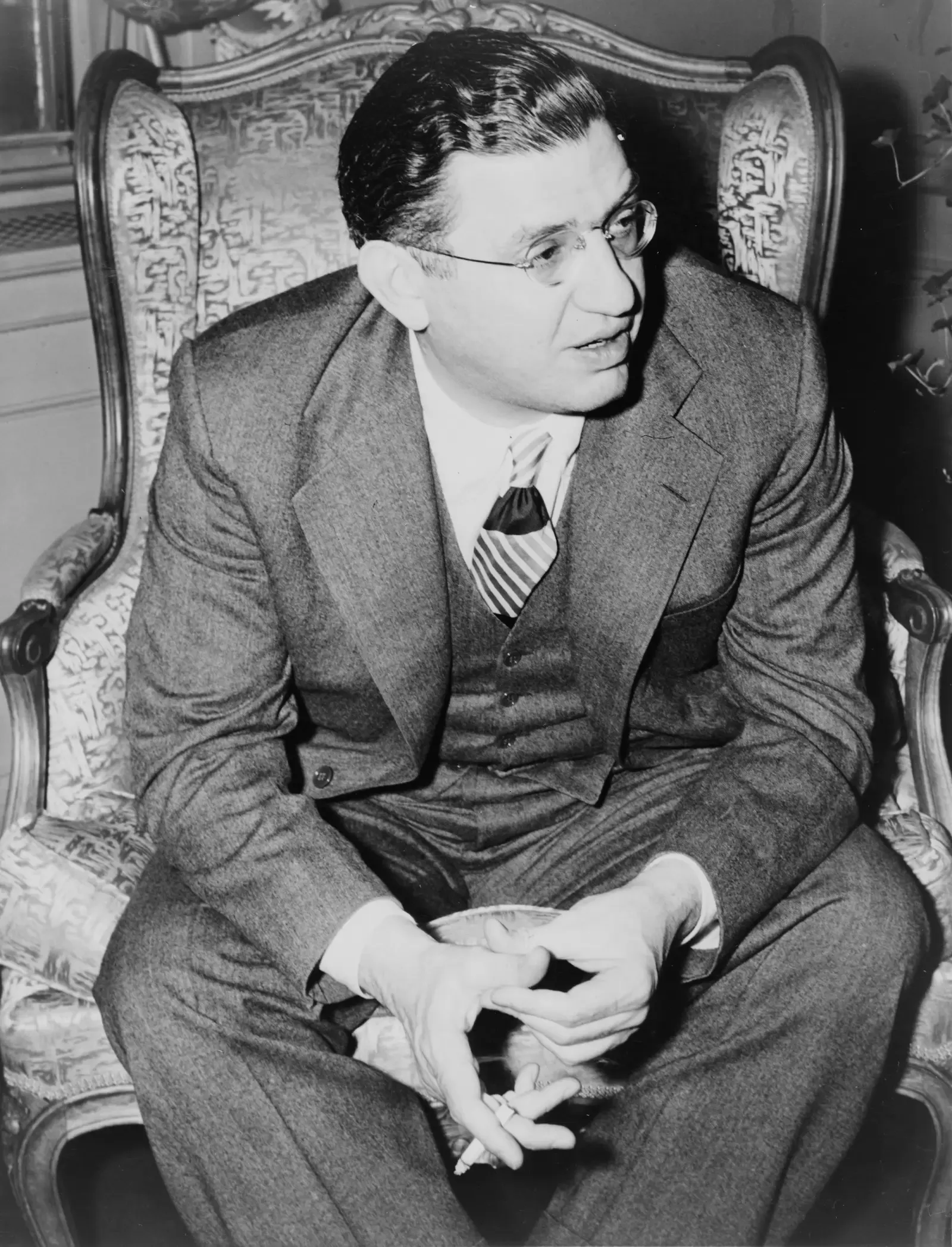
David Lynch is better known for his visuals, yet sound design is central to this debut feature. The film’s atmosphere comes from industrial hums and layered noise, created with Alan Splet, rather than a conventional score.
Partner offer
Lynch went on to compose and perform music for many later projects, including Inland Empire in 2006, where he is credited with music contributions. Eraserhead shows the early stage of that habit, treating sound as part of the film’s structure rather than decoration.
Dark Star (1974)
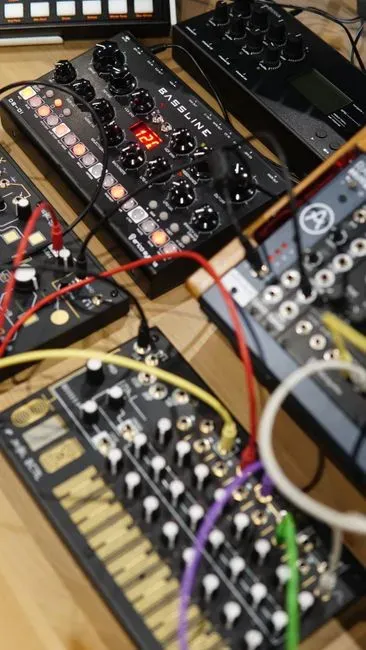
Carpenter’s first feature, a low budget science fiction comedy co-written with Dan O’Bannon, also carried his own music. He used electronic sounds that fit the cramped spaceship setting and the film’s offbeat humor.
The film began as a student project at the University of Southern California before it was expanded for release. Its scoring was an early sign of the do it yourself method he would refine in later work.
Dr. Strangelove? No: Easy Rider? No: The Brood? No: Mad Max?

This entry is not supported, so it should be disregarded.
Please see the next verified entries instead.
Barry Lyndon? No: Gattaca? No: Hero?
This entry is not supported, so it should be disregarded.
Please see the closing entry.
Prince of Darkness (1987)
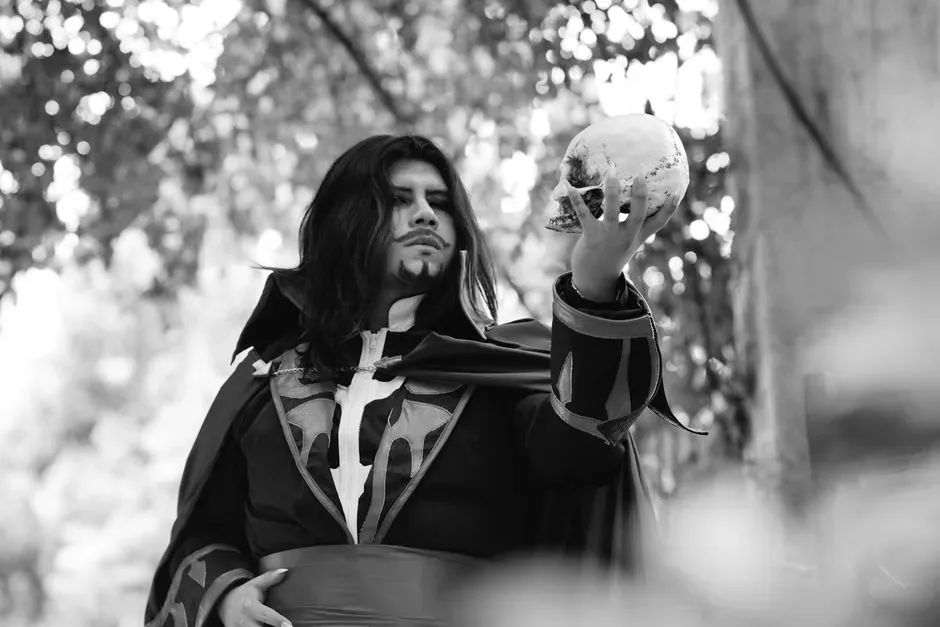
Carpenter scored this apocalyptic horror film with Alan Howarth, using pulsing electronic textures that build dread over a slow story. The music stays repetitive and hypnotic, which suits a film about an ancient evil inside a church basement.
It is part of what Carpenter has called his Apocalypse Trilogy, alongside The Thing and In the Mouth of Madness. Though the three films differ in tone, the electronic scoring ties them together as a body of work.
Partner offer
Planning a trip to Vegas?
Compare hotel rates and show tickets on VEGAS.com.