
Long careers in Hollywood don’t happen by accident. Talent opens the door, sure, but what keeps an actor working decade after decade is something far less glamorous – a quiet, deliberate editing of behavior that happens mostly out of public view. The most durable careers belong to people who figured out, sometimes the hard way, which habits were slowly eroding the foundation they’d spent years building.
The interesting thing is that most of these habits feel harmless or even justified in the moment. Venting about a difficult director, firing off a social media post late at night, arriving a few minutes late to set – none of it feels catastrophic on its own. Many people are aware that celebrities are human beings who can make mistakes, but the larger public does not easily forgive, and those mistakes can seriously damage a star’s career. Veteran actors know this. It’s why they quietly course-correct before the damage compounds.
Badmouthing Projects, Directors, or Co-Stars

The entertainment industry is often just as much about who you know as it is how much talent and training you possess. It’s a network, and despite its size, a tight-knit community. Veterans understand this viscerally. Criticizing a director in an interview or mocking a past role in a podcast might feel cathartic, but word travels fast in close-knit professional circles.
Actors suddenly “detach” from a project, or fail to land one for which they were a shoe-in, when gossip blogs catch wind of distasteful comments they once uttered about a former project or producer. Megan Fox nearly derailed her career after making comments criticizing a director’s style, and was fired from a major franchise under producer orders as a result. The lesson stuck in the industry long after the headlines faded.
Losing Control on Social Media

The rise of digital platforms has created a landscape where a single post or leaked message can alter a professional trajectory forever. While many celebrities use these tools to build their brands, others have seen their reputations crumble due to controversial online behavior. Experienced actors have grown acutely aware of this asymmetry – the upside of a good post is modest, but the downside of a bad one can be severe and permanent.
The more you post in real time, unfiltered and unrehearsed, the easier it becomes to say something wrong, show something out of context, or attract backlash. It’s a cancellation waiting to happen, and one that could have been avoided with a little more restraint. One prominent actor used social media to document a period of erratic behavior that eventually cost him his job; his bizarre rants became a global sensation but alienated his employers at the network, and he was eventually fired from his hit series.
Oversharing Private Life for Relatability

That elusive “star quality” people talk about sounds like a cliché, but there is something about holding back, about not letting everyone in, that creates real presence. Oversharing strips that away. And once it’s gone, it’s very difficult to get back. Veteran actors tend to maintain a deliberate boundary between their public persona and their private life, not out of deception, but out of professional instinct.
Oversharing in the middle of active success is the quickest way to lose what made people care in the first place. It starts small: a glimpse into your home, a few candid moments with your partner, a behind-the-scenes post with your kids. Soon a public profile starts to look less like a public figure and more like a family vlog or a lifestyle channel. Seasoned actors recognize the shift and pull back before it redefines how the industry sees them.
Erratic or Temperamental Behavior on Set
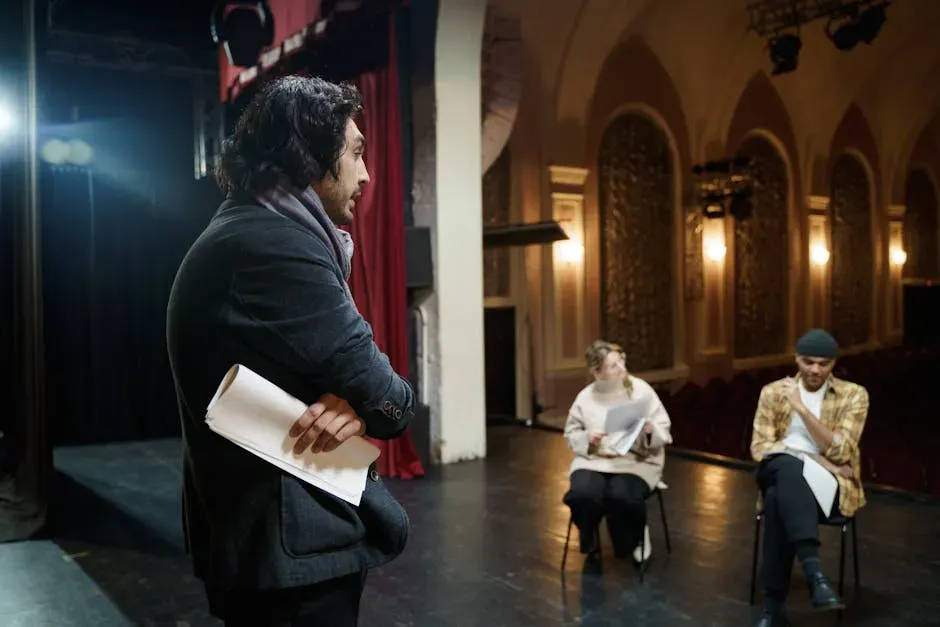
Keeping personal baggage out of the rehearsal room matters enormously. When people hire a professional actor, they expect professionalism, not an egotistical, temperamental rampage. Reputation is important. This kind of behavior gets noticed, talked about, and remembered long after the project wraps.
Some actors acquire a reputation for being both difficult and demanding on set. A track record of bad-mouthing projects they work on once released can seriously stall a career. Attitude is everything on set. A positive, team-oriented spirit makes an actor memorable in the best way. Veterans drop the tantrums early because they’ve seen firsthand how quickly that reputation spreads through casting networks.
Partner offer
Substance Abuse and Unreliable Behavior

Repeated drug-related arrests, probation violations, and unreliable behavior on sets can result in years of lost major roles and an industry blacklist. The pattern shows up throughout Hollywood history with remarkable consistency. Reliability isn’t just a courtesy on a film set – it’s the professional baseline that everything else is built on.
Multiple DUI arrests, probation violations, court-ordered rehab, and inconsistent professionalism can cost an actor their leading roles and result in canceled projects. A transition to embracing sobriety and moderation mirrors similar paths taken by many performers who prioritize longevity. The actors who rebuild after these periods almost always cite the same turning point: recognizing that the habit was quietly dismantling everything they’d worked for.
Refusing to Adapt to Industry Changes
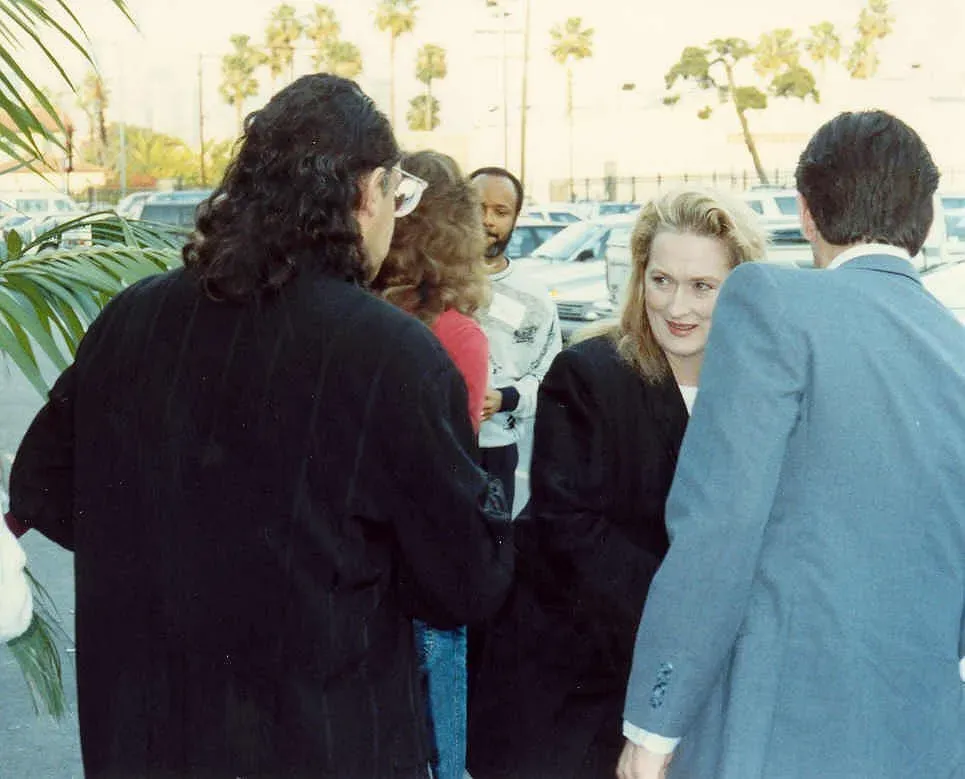
What separates veteran actors from those who are an “overnight success” is that they have survived industry and career cycles. The industry changes constantly. There was a time when acting way over the top was desirable in an actor. When that changed, the actors that couldn’t change with the industry were quickly left behind. Stubbornly clinging to an old approach, when the work and the platforms evolve, is a slower kind of professional erosion.
Adaptability is the cornerstone of longevity in the acting world. New trends, audience preferences, and storytelling platforms are continually emerging. Seasoned actors stress the significance of being flexible, not only in their portrayal of characters but also in their overall approach to the art of acting. Meryl Streep, an epitome of adaptability, has seamlessly transitioned between genres, roles, and mediums, attributing her longevity to a willingness to step out of her comfort zone.
Treating Small Roles and Lower-Profile Work as Beneath Them

The actors who work consistently aren’t necessarily the most talented; they’re often the most professional. Part of that professionalism means showing up with the same commitment whether it’s a studio blockbuster or a smaller project. The habit of visibly phoning it in – or worse, signaling contempt for a role – registers with everyone on set and poisons future relationships with producers and directors who talk to each other constantly.
The acting industry runs on relationships, reputation, and professionalism. One poorly labeled file, one overly familiar email, or one unfocused reel can shift how casting perceives you. The same logic applies on set. Protecting relationships at all costs matters, because in an industry built on memory and reputation, professionalism compounds over time. A veteran actor who brings full effort to every project earns a reputation that quietly opens doors no audition alone can open.
Burning Bridges Instead of Maintaining Relationships

The assistant who frustrated you today might be a casting director next year. The actor who got the role you wanted might become a collaborator on your dream project. Staying away from sending critical or hostile responses to rejection, publicly complaining about specific casting decisions or industry professionals, and badmouthing other actors are habits worth dropping immediately.
Maintaining cordial relationships even when outcomes aren’t what you hoped for is essential. Today’s rejection doesn’t define tomorrow’s possibilities. Industry memory is long, but so is a career; there will be future opportunities with the same people. The entertainment industry thrives on relationships, and being known as the actor everyone loves working with can open doors to future opportunities. The actors who last the longest tend to be the ones who never stopped treating every professional interaction as if it mattered – because it does.
Reputation in this industry isn’t built in a single performance. It accumulates, quietly and gradually, through hundreds of small decisions made when nobody seems to be watching. The veterans who recognize which habits are working against them, and drop them before they take root, are the ones still working when most others have faded from the conversation.
Partner offer
Planning a trip to Vegas?
Compare hotel rates and show tickets on VEGAS.com.