Every year, a handful of genuinely great American films slip through the cracks of cultural memory. They didn’t win the big awards, they didn’t become quotable touchstones, and somehow they never quite made the leap into the canon alongside the usual suspects. Yet if you track down these titles now, decades or just a few years removed from their original release, the craft holds up remarkably well. What follows isn’t a list of forgotten disasters or ironic camp. These are films with real ambition, strong performances, and lasting relevance that simply landed at the wrong moment, got buried by marketing missteps, or lost out to flashier competition. They deserve a second look.
1. Nightcrawler (2014)
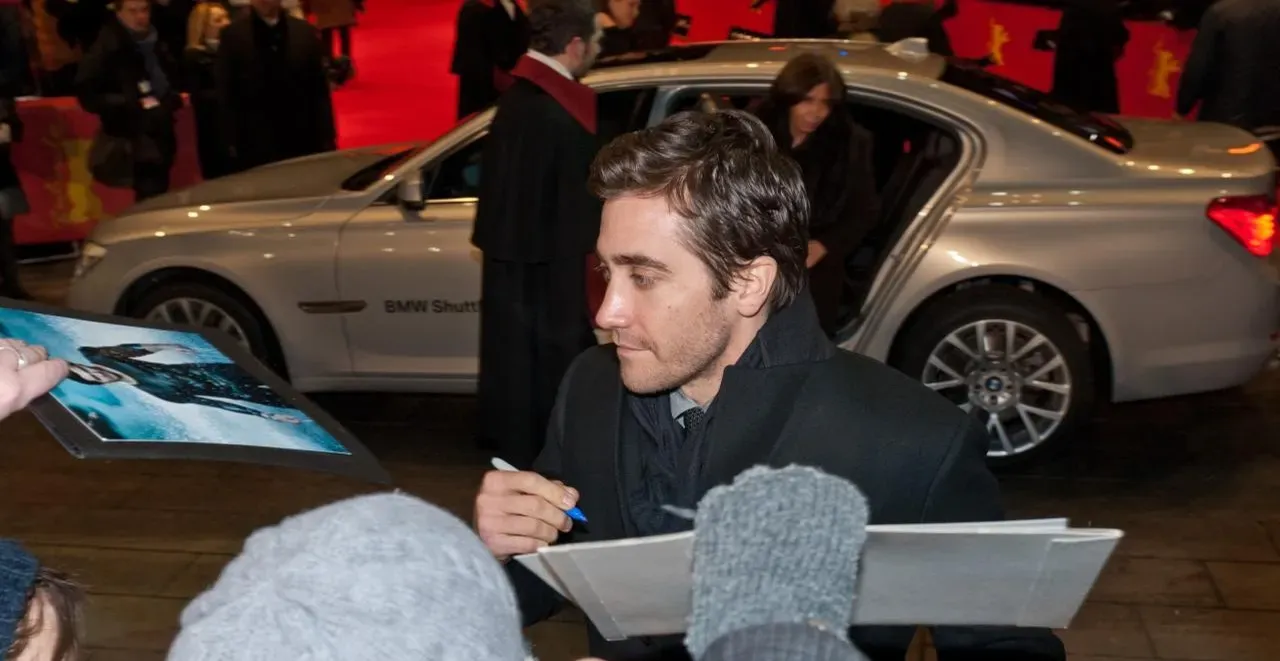
Dan Gilroy’s directorial debut turned Jake Gyllenhaal into a kind of feral, wide-eyed predator stalking the underbelly of Los Angeles local news. The film’s portrait of freelance crime journalism, chasing blood and wreckage for a paycheck, feels even more relevant now that clickbait and algorithmic outrage dominate how news gets consumed. Gyllenhaal’s performance as Lou Bloom is unsettling precisely because he never raises his voice or loses his composure.
Critics praised the film on release, and it earned a screenplay Oscar nomination, but it never crossed into mainstream classic status the way similar character studies from the same era did. Part of the issue may be genre confusion. It’s a thriller, a satire, and a character piece all at once, which made it hard to market but easy to underestimate.
2. A Most Violent Year (2014)
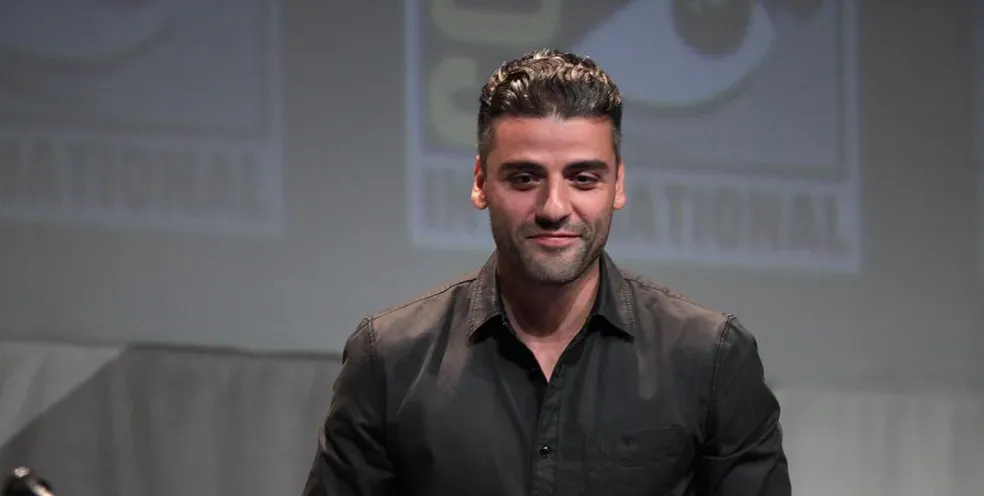
J.C. Chandor’s slow-burning crime drama set in 1981 New York didn’t get the audience it deserved, partly because it arrived the same year as flashier awards contenders. Oscar Isaac plays an immigrant heating oil executive trying to keep his business, and his conscience, intact while the city around him spirals into violence and corruption. The film’s muted color palette and patient pacing owe an obvious debt to films like The Godfather Part II, and Chandor earns the comparison rather than just borrowing from it.
Jessica Chastain’s supporting turn as Isaac’s steely, pragmatic wife adds another layer of tension that many viewers overlooked at the time. The movie is a meditation on the cost of staying clean in a dirty business, and it rewards patience in a way that modern streaming algorithms rarely encourage anymore.
3. The Nice Guys (2016)
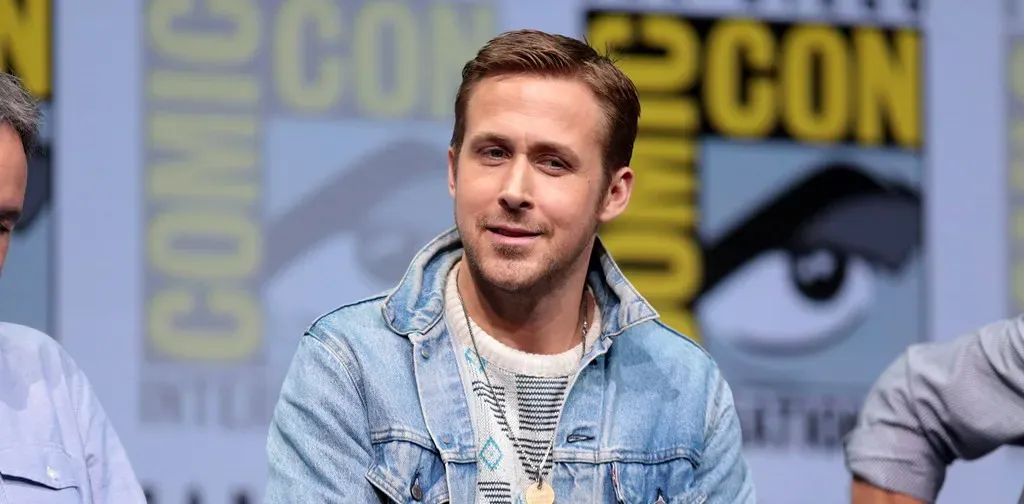
Shane Black’s buddy comedy set in 1970s Los Angeles paired Ryan Gosling and Russell Crowe as mismatched private investigators stumbling through a conspiracy involving the porn industry and Detroit auto executives. The dialogue crackles with the same rapid-fire wit that made Black’s earlier Kiss Kiss Bang Bang a cult favorite, but this one has better production value and a stronger supporting cast. Gosling in particular shows off comic timing that a lot of audiences hadn’t seen from him before, playing a bumbling, cowardly detective with real physical commitment.
The film underperformed at the box office, reportedly due to a marketing campaign that didn’t capture its tone, and it has slowly built a following on home video and streaming since. It deserves mention alongside other great neo-noir comedies of the era rather than being treated as a footnote.
4. Blue Ruin (2013)
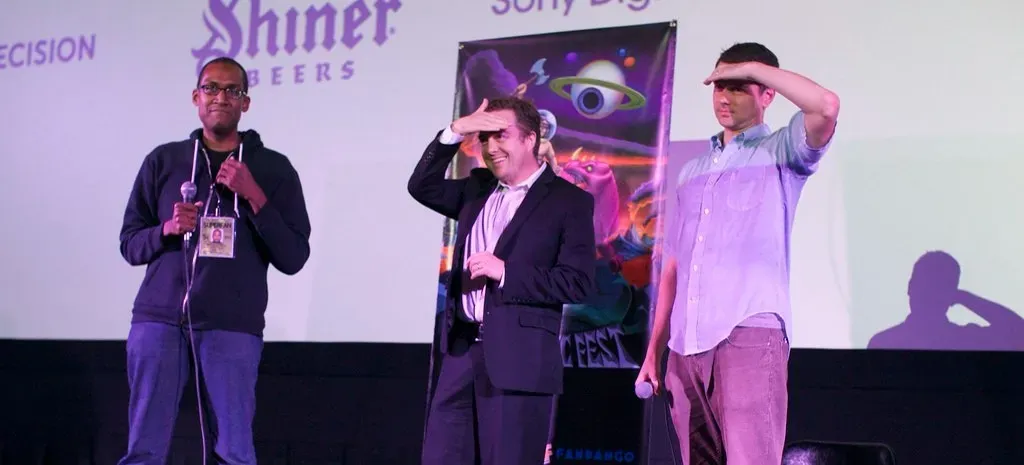
Jeremy Saulnier’s micro-budget revenge thriller was made for a reported two hundred thousand dollars, and it shows what a filmmaker can accomplish with a tight script and no reliance on spectacle. Macon Blair plays a drifter who returns to his hometown for a act of revenge that spirals into consequences far beyond what he anticipated. There’s almost no dialogue in long stretches of the film, and the violence, when it comes, is abrupt and clumsy rather than stylized, which makes it land harder.
The film won praise at Cannes and helped launch Saulnier’s career toward Green Room and Hold the Dark, but it never reached wide audiences outside serious cinephile circles. It’s a masterclass in tension built through silence and implication rather than exposition.
5. Warrior (2011)
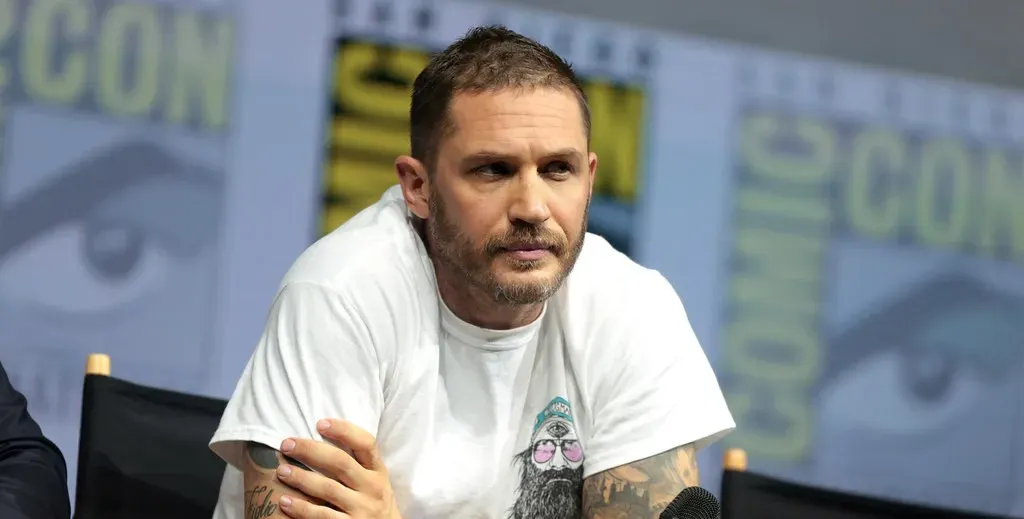
Gavin O’Connor’s mixed martial arts drama about two estranged brothers competing in the same tournament got somewhat lost in a crowded fall release calendar. Tom Hardy and Joel Edgerton both deliver performances with genuine emotional weight, and Nick Nolte earned an Oscar nomination for his role as their recovering alcoholic father. The film sidesteps most sports movie clichés by focusing on the family wreckage underneath the competition rather than treating the fights as the emotional payoff.
Despite strong reviews, Warrior struggled commercially, likely because audiences weren’t sure whether to categorize it as an MMA movie or a family drama. Over a decade later, it has earned a devoted following among people who stumble onto it on streaming services, often expressing surprise at how much it affects them.
6. Drive My Car’s American Cousin: First Reformed (2017)

Paul Schrader’s meditation on faith, environmental collapse, and moral despair stars Ethan Hawke as a small-town pastor unraveling under the weight of a crisis of conscience. The film draws heavily from the tradition of Bresson and Schrader’s own earlier work on Taxi Driver, but it stands entirely on its own as a portrait of quiet spiritual anguish. Hawke has called it some of his best work, and critics largely agreed, yet it never found the audience its craft deserved.
The film’s ending remains one of the most debated in recent American cinema, ambiguous enough that audiences still argue about its meaning years later. It’s the kind of slow, deliberate filmmaking that rewards patience but rarely gets marketed to a wide audience anymore.
7. Sorry to Bother You (2018)
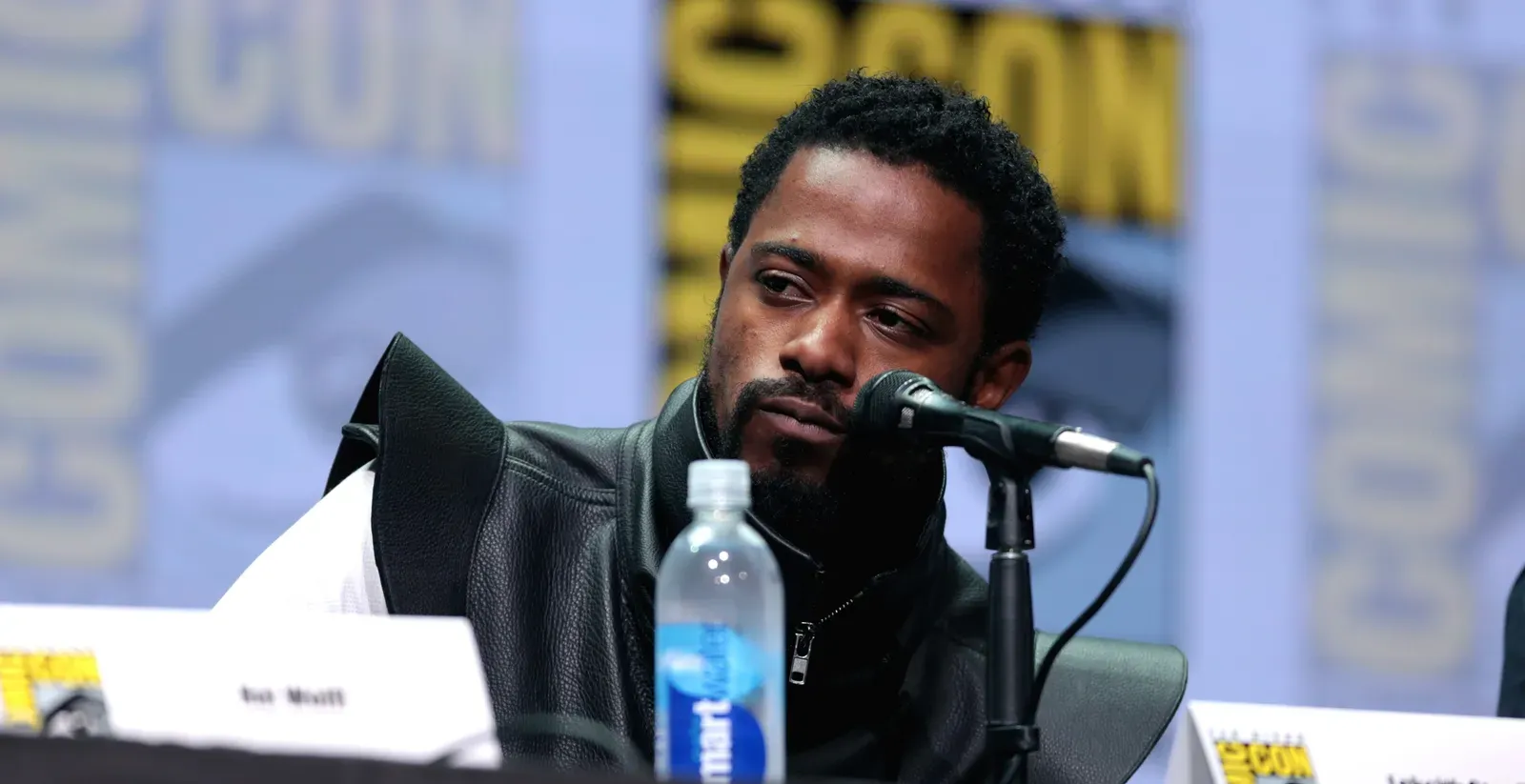
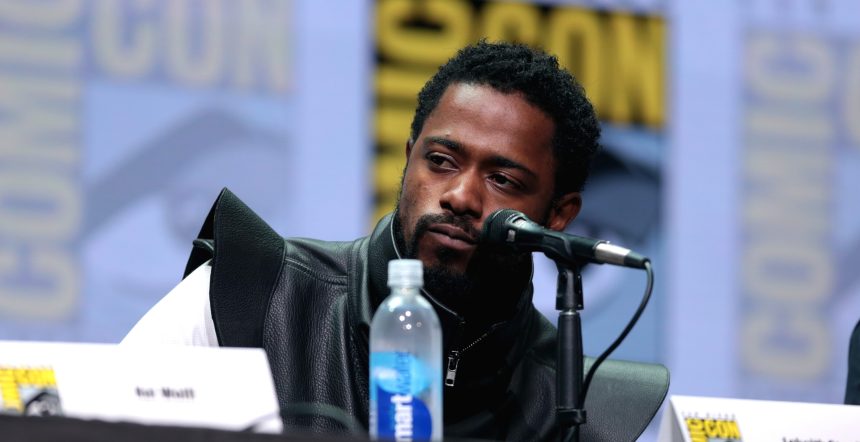
Boots Riley’s surreal satire about a telemarketer who discovers a “white voice” that boosts his sales figures starts as a workplace comedy and morphs into something far stranger and more pointed about labor, race, and capitalism. Lakeith Stanfield anchors the film with a performance that shifts fluidly between comic and unsettling as the plot escalates into genuinely bizarre territory. The film’s tonal swings might explain why it never became a mainstream hit, but they’re also exactly what makes it memorable.
Riley, better known as a musician and activist before this directorial debut, brought a specificity and anger to the material that distinguishes it from more toothless corporate satires. It’s a film that gets stranger and bolder the longer it goes, which is rare and worth celebrating rather than overlooking.
8. The Rider (2017)
Chloe Zhao’s quiet drama about a young rodeo rider recovering from a near-fatal injury blurs the line between fiction and documentary by casting real rodeo performers, including lead Brady Jandreau, playing versions of themselves. The film’s landscapes and its unhurried pacing capture a specific corner of American life, the Lakota Sioux reservation in South Dakota, rarely depicted with this much care or authenticity. Zhao would go on to win an Oscar for Nomadland a few years later, but this earlier film arguably shows even more raw filmmaking instinct.
Critics were nearly unanimous in their praise, yet the film’s limited theatrical release meant most audiences never encountered it. It remains a strong example of how American independent cinema can capture communities that mainstream films typically ignore entirely.
9. Good Time (2017)
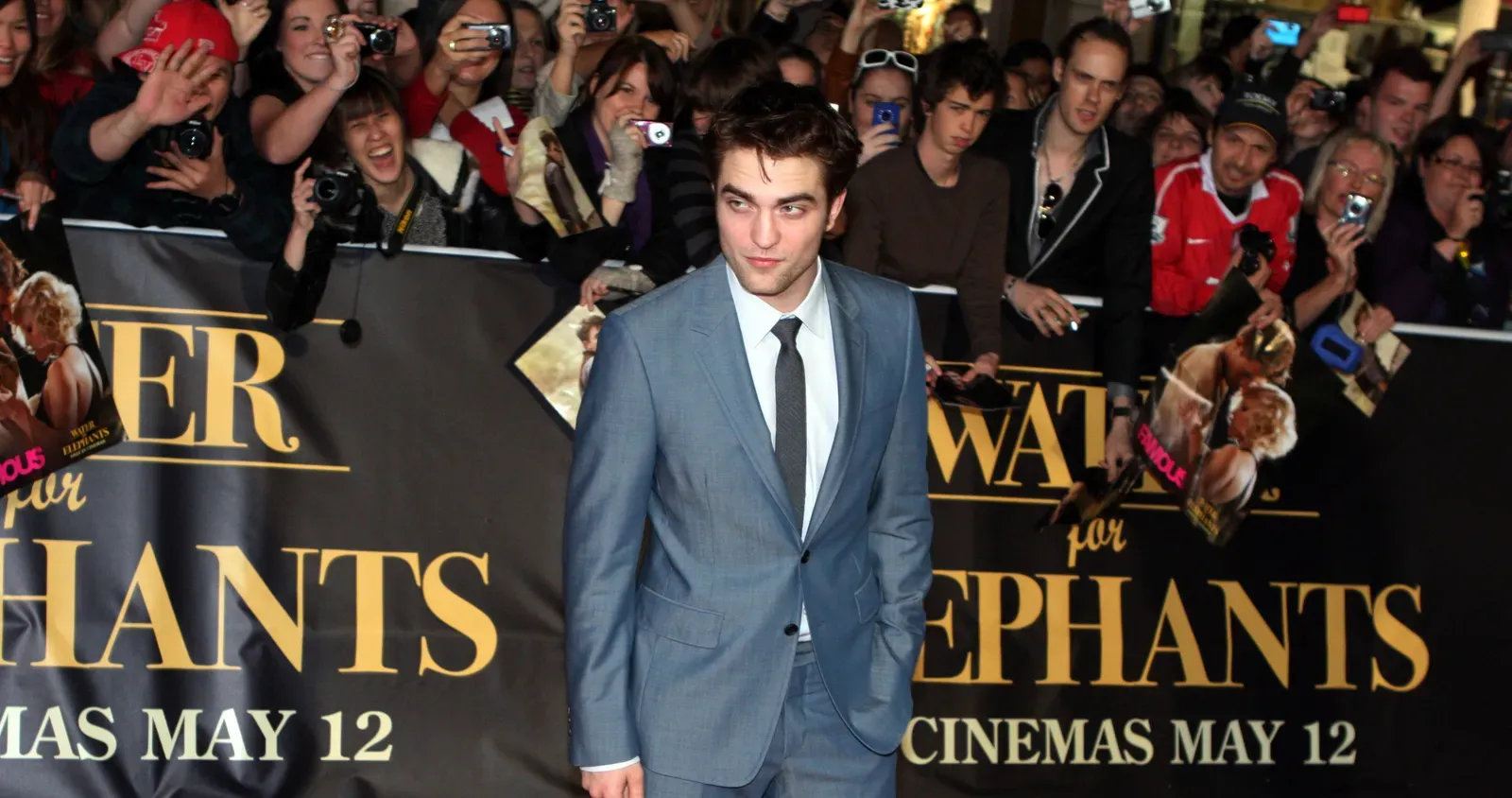
The Safdie brothers’ frenetic thriller follows Robert Pattinson as a small-time criminal trying to spring his intellectually disabled brother from custody over one increasingly chaotic New York night. Pattinson’s performance, all nervous energy and desperate improvisation, marked a genuine turning point in how critics and audiences viewed him after years of being typecast from his Twilight fame. The film’s pulsing electronic score by Oneohtrix Point Never adds to the sense of constant, mounting dread that never quite lets up.
Good Time helped set the stage for the Safdies’ later success with Uncut Gems, but it never received the same level of mainstream recognition despite arguably being the tighter, more relentless film. Its documentary-style camerawork and grimy New York setting create an immersive sense of place that few thrillers manage to achieve.
These nine films share a common thread: technical and emotional ambition that outpaced their commercial reception. Whether due to poor marketing, crowded release calendars, or simply arriving before audiences were ready for their tone, each one holds up as strong, occasionally exceptional filmmaking that deserves reconsideration rather than continued obscurity.