Ranking classic rock albums is a bit like arguing about which sunset was prettier. Everyone has a memory attached, a specific summer or road trip or late night that makes a particular record feel untouchable. Still, some albums simply did more, sold more, and shaped more of what came after them, and that gives us something to work with. This list leans on chart performance, critical consensus, and cultural staying power rather than pure nostalgia. Nine albums made the cut, starting with a very good record that just missed the top tier and ending with the one most critics and fans still call the genre’s high water mark.
9. Deep Purple, Machine Head (1972)

Machine Head earns its spot mostly on the strength of one riff. “Smoke on the Water” became one of the most recognizable guitar lines in rock history, taught to beginner guitarists for five decades running. The album itself reached number seven on the UK charts and helped cement Deep Purple as one of the loudest, most technically ambitious bands of the early seventies.
Beyond the hit single, tracks like “Highway Star” and “Space Truckin'” show a band experimenting with speed and structure in ways that influenced heavy metal’s next generation. The record was recorded partly at Montreux’s Casino, an experience immortalized in the very song that made the album famous after a fire disrupted the sessions. It is a tight, muscular record, but next to the sprawling ambition of others on this list, it sits comfortably at the bottom.
8. The Who, Who’s Next (1971)
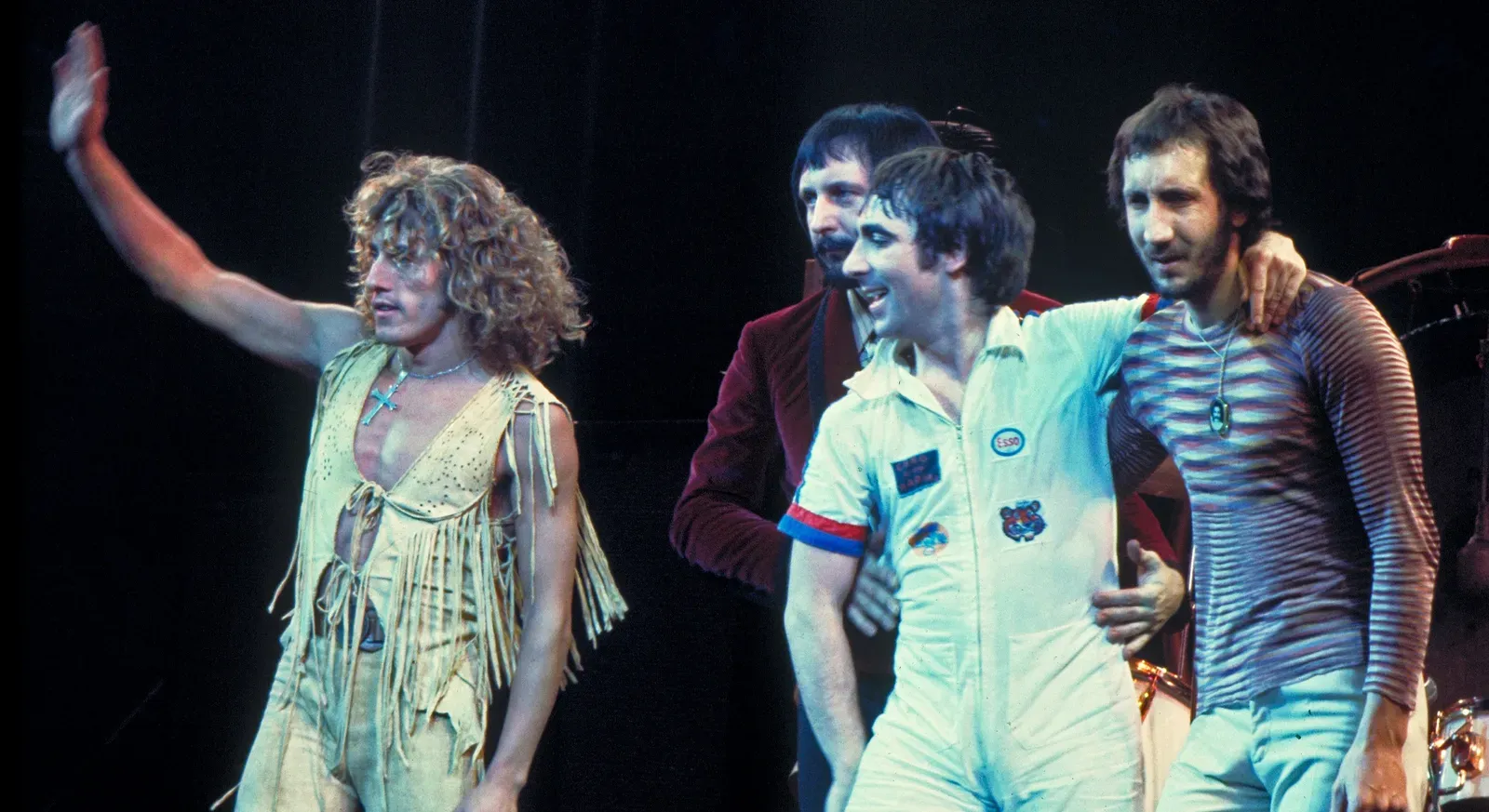
Who’s Next grew out of the ashes of Pete Townshend’s abandoned Lifehouse project, and somehow the leftovers turned into one of the most acclaimed rock albums ever made. “Baba O’Riley” and “Won’t Get Fooled Again” introduced synthesizers into hard rock in a way that felt genuinely new rather than gimmicky. The album topped the UK charts and reached number four in the United States, a commercial peak for the band.
What makes it endure is the tension between Townshend’s arena sized ambition and Keith Moon’s chaotic, almost jazz influenced drumming underneath it all. Roger Daltrey’s vocal on the closing track still gets cited as one of rock’s great screams. It is a technically dazzling record, though slightly less consistent front to back than the albums ranked above it.
7. Led Zeppelin, Led Zeppelin IV (1971)

Untitled and famously symbol laden, this record contains “Stairway to Heaven,” a song so ubiquitous that some classic rock stations reportedly banned it for a period just to give listeners a break. The album has sold well over 20 million copies in the United States alone according to RIAA certifications, making it one of the best selling records of all time. “Black Dog” and “Rock and Roll” show the heavier, riff driven side of the band that made them arena rock royalty.
What elevates the record beyond a singles collection is its range, moving from acoustic folk textures on “Going to California” to the pounding “When the Levee Breaks.” John Bonham’s drum sound on that closing track has been sampled by hip hop producers for decades, a strange and fitting afterlife for a blues rock record. It remains one of the most influential albums in rock history, even if a couple of tracks feel like minor filler next to the giants.
6. Eagles, Hotel California (1976)

Hotel California marked the moment the Eagles shifted from country rock harmonies toward something darker and more cinematic. The title track, with its extended guitar duel between Don Felder and Joe Walsh, became a defining piece of seventies rock radio. The album spent eight weeks at number one on the Billboard 200 and has sold more than 26 million copies in the US according to RIAA figures.
Lyrically, the record wrestles with the excess and disillusionment of the California music scene the band had helped build. “New Kid in Town” and “Life in the Fast Lane” round out an album that feels unusually cohesive for a band juggling multiple songwriters. It is polished, ambitious, and undeniably catchy, though slightly less raw than the records ranked above it.
5. The Rolling Stones, Exile on Main St. (1972)
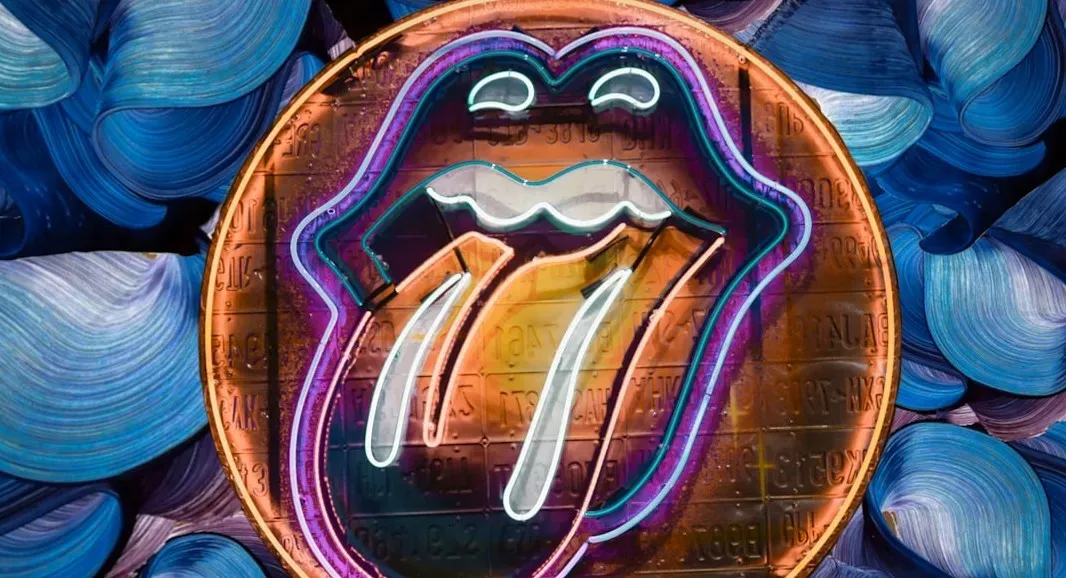
Recorded largely in the damp basement of Keith Richards’ rented villa in the south of France, Exile on Main St. sounds appropriately messy and lived in. Critics were mixed on release, but the double album has since climbed steadily in critical estimation, frequently appearing near the top of best album lists from outlets like Rolling Stone. Its sprawling eighteen tracks move through blues, gospel, and country without ever losing the band’s swagger.
Songs like “Tumbling Dice” and “Rocks Off” capture a band at the peak of its loose, road worn chemistry. The murky production, once seen as a flaw, is now often praised as part of the album’s grimy charm. It is less immediately accessible than the polished records around it on this list, which is exactly why longtime fans tend to rank it so highly.
4. Fleetwood Mac, Rumours (1977)
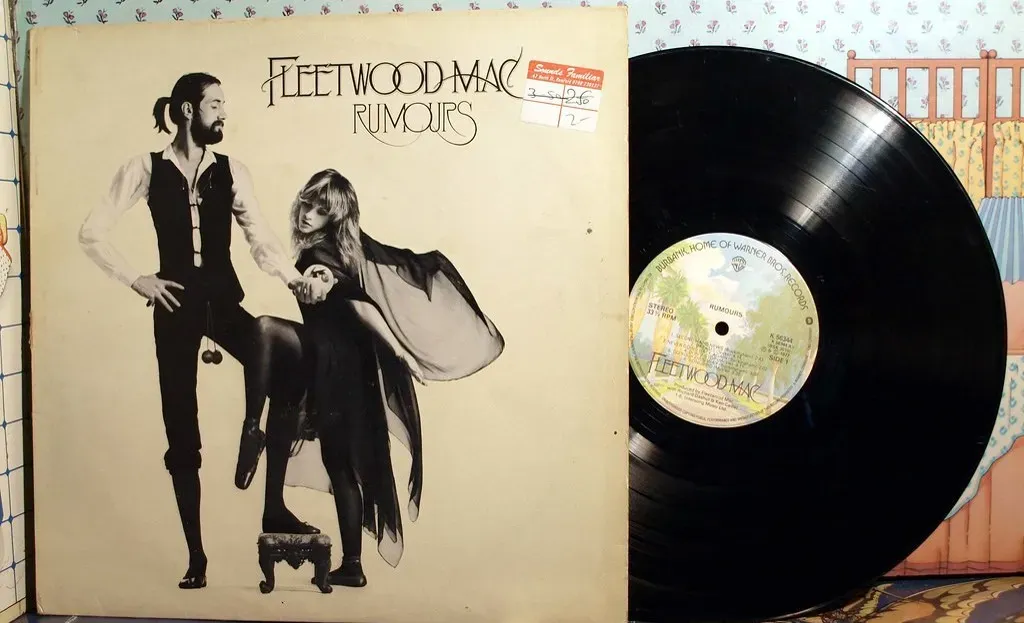
Few albums carry as much real life drama baked into the lyrics as Rumours, written while multiple band members were going through breakups with each other simultaneously. That tension produced “Go Your Own Way,” “Dreams,” and “The Chain,” songs that still get regular radio play nearly five decades later. The album has sold more than 20 million copies in the United States and won the Grammy for Album of the Year in 1978.
What separates Rumours from typical breakup records is the sheer craft in the songwriting, with three different vocalists trading lead duties across the tracklist. Stevie Nicks’ “Dreams” became the band’s only number one single in the US, and it saw a surprising resurgence in 2020 after a viral video brought it back to a new generation. It is a nearly flawless pop rock record, edged out here only by albums with even broader cultural footprints.
3. The Beatles, Abbey Road (1969)
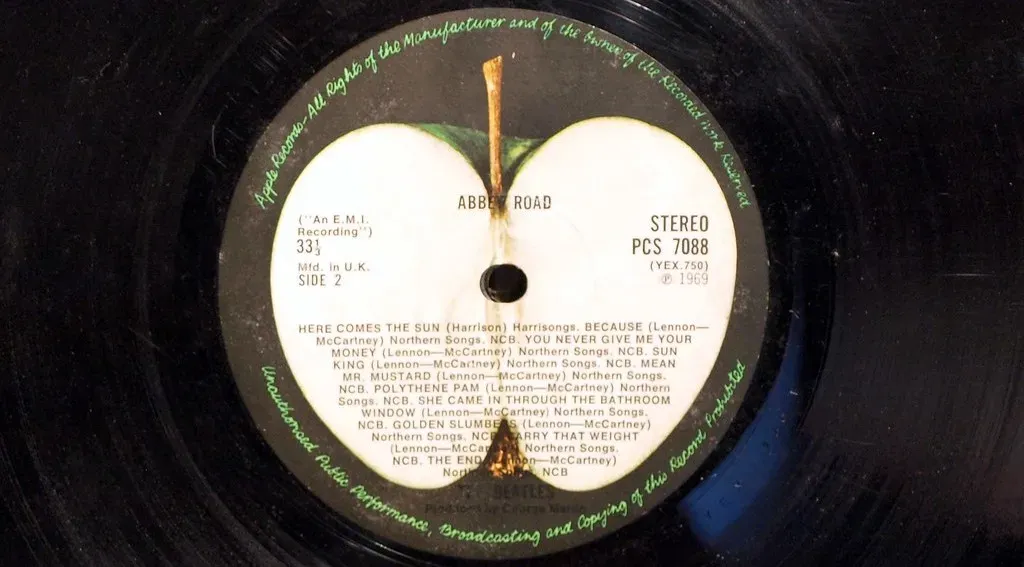
Recorded as the band was already fracturing, Abbey Road somehow became one of the most cohesive statements in the Beatles catalog. The medley on side two, stitching together fragments like “Golden Slumbers” and “Carry That Weight,” shows a band still finding new ways to innovate even as tensions ran high. George Harrison’s “Something” is often cited as one of the finest love songs in rock history, later covered by artists ranging from Frank Sinatra to Elvis Presley.
The album topped charts in both the UK and US and remains one of the Beatles’ best selling records worldwide. Its iconic cover, the four band members walking across a zebra crossing in London, has become one of the most recreated images in music history. It edges out Rumours here mainly due to its outsized influence on studio recording techniques still used today.
2. The Beatles, Sgt. Pepper’s Lonely Hearts Club Band (1967)
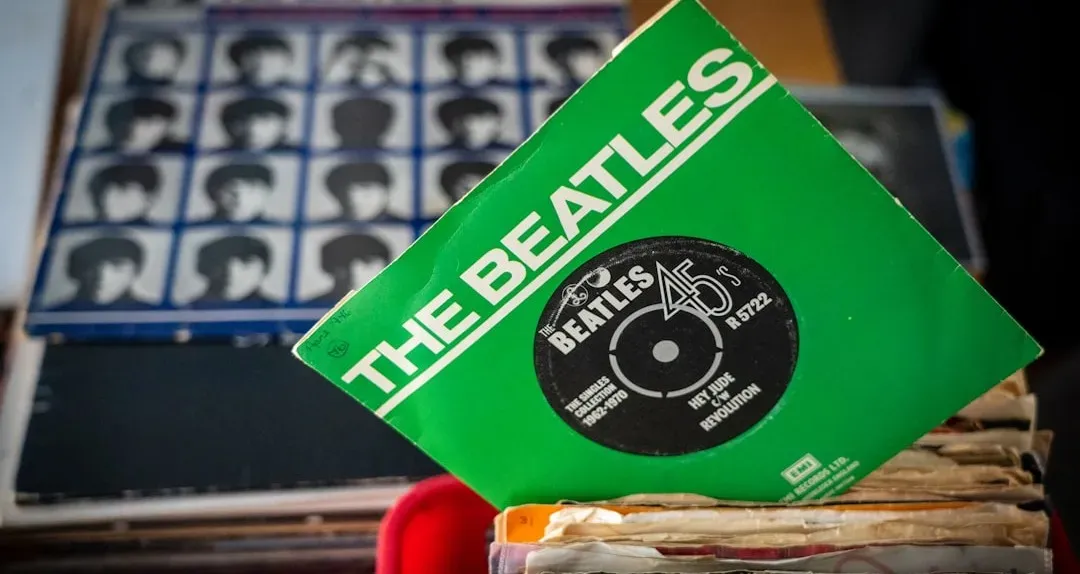
Sgt. Pepper’s arrived as a genuine cultural event, often credited with pushing the album format itself toward being treated as art rather than a collection of singles. The concept, loosely built around a fictional band performing the songs, gave the record a theatrical unity that was unusual for its time. It spent 27 weeks at number one on the UK charts and won the Grammy for Album of the Year, a first for a rock record.
Tracks like “A Day in the Life” combined orchestral arrangements with tape experimentation in ways that had never been attempted in popular music before. The album’s influence stretched well beyond music, shaping album cover design, psychedelic visual culture, and the very idea of a band as an evolving artistic project. Only one record on this list matches its combination of ambition and lasting cultural weight.
1. Pink Floyd, The Dark Side of the Moon (1973)
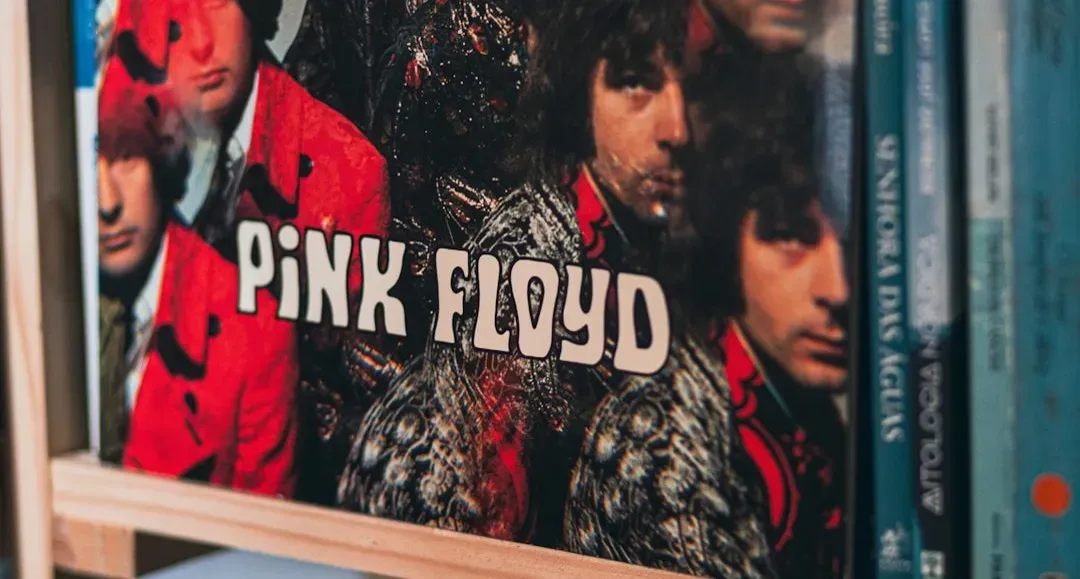
Few albums have matched the sheer staying power of The Dark Side of the Moon, which spent an astonishing 741 weeks on the Billboard 200 chart, a run that stretched across nearly fourteen years. Its themes of mental health, mortality, and the pressures of modern life feel just as relevant in 2026 as they did over five decades ago. The prism cover art, designed by Hipgnosis, remains one of the most recognized images in music history.
Songs like “Time” and “Money” showed the band blending progressive rock ambition with genuine pop accessibility, a rare combination that helped the album sell more than 45 million copies worldwide. Engineer Alan Parsons’ work on the record, including the layered sound effects and tape loops, set a new technical standard for studio production. Its combination of commercial success, lyrical depth, and sonic innovation is the reason it consistently tops best album lists nearly fifty years after its release.
Ranking nine albums this deep into rock history always leaves out worthy contenders, records that plenty of fans would swap into any of these spots without hesitation. What ties these nine together isn’t just sales figures or chart weeks, though those numbers matter. It’s the way each one still sounds fresh on a car stereo decades later, which might be the only ranking that really counts.