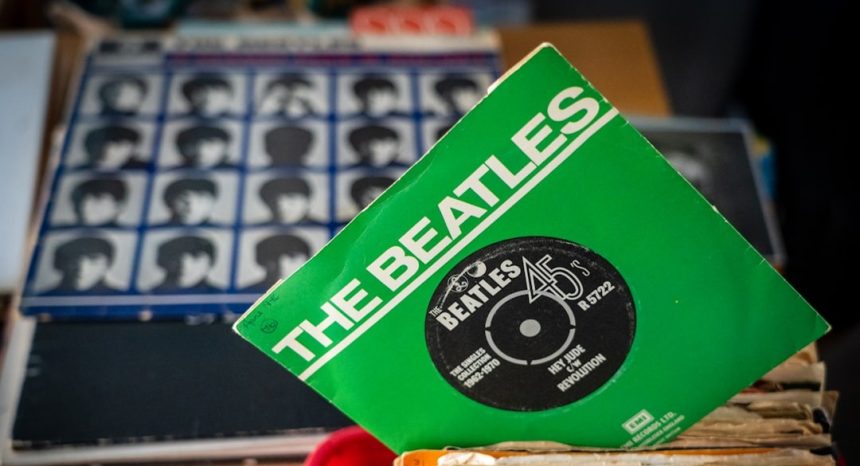
Most songwriting advice centers on discipline: showing up at the same time every day, filling notebooks, chasing a hook through dozens of rewrites. Yet some of the most recognizable songs in popular music skipped most of that process entirely. They arrived, more or less complete, while their writers were asleep, and the musicians simply had to remember them long enough to reach a piano or a tape recorder. It’s a strange thread that runs through decades of music history, connecting a Beatles ballad to a Metallica anthem to a Rolling Stones riff that almost didn’t survive the night. Below are nine songs whose creators have said, at various points over the years, that dreams played a direct role in how they came to be.
Yesterday by The Beatles

According to Paul McCartney’s own retelling, Yesterday was written by Paul McCartney between 1964 and 1965, and the melody first came to him in a dream. He was staying at the London home of his then girlfriend, Jane Asher, when it happened, and when he woke up one morning, the now-famous tune was running round in his head. He got out of bed, sat down at an upright piano in the room, and worked out the chords before the feeling had a chance to fade.
Initially, the singer-songwriter was convinced that it must be an already existing song. For weeks he played it for friends and industry contacts, half expecting someone to recognize it and claim it as their own. Once he accepted the melody was truly his, McCartney spent months finishing the lyrics, and the song was released in 1965, just a few weeks after it was finished, and quickly reached number one in the United States, where Beatlemania had hit hard. It has since made it into the Guinness Book of Records as the most covered pop song of all time.
Purple Haze by The Jimi Hendrix Experience

Jimi Hendrix gave several accounts of what Purple Haze meant, but he was fairly consistent about where it came from. He said he dreamed a lot and put his dreams down as songs, and that Purple Haze came from a dream in which he was walking under the sea. In that dream, a purple haze surrounded him, got him lost, and it was his faith that ultimately saved him. He worked out the song’s central riff not long after, backstage during a show in late December 1966.
Some listeners have connected the imagery to Philip José Farmer’s science fiction novel, since the dream was said to be inspired by that book, which uses the phrase purplish haze. Hendrix pushed back for years on the idea that the song was really about drugs, and he described it as a love song, even though listeners often interpreted it as referring to a psychedelic experience. Whatever its true meaning, the track has endured, and it was later inducted into the Grammy Hall of Fame.
(I Can’t Get No) Satisfaction by The Rolling Stones
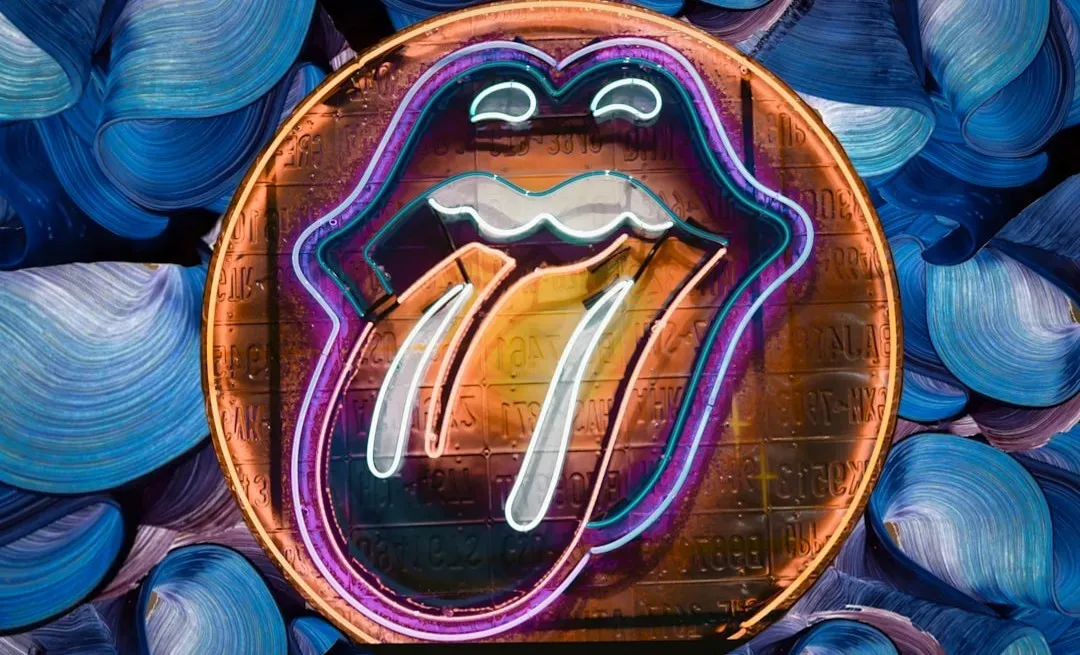
Keith Richards has told this story so many times it has become rock folklore. In the early morning hours of a day in early May 1965, he woke up just long enough to grab a cassette recorder beside his bed and play a rough guitar riff that had come to him in his sleep. He then fell back asleep almost immediately, and he later said he had no idea he’d written anything at all until he listened back the next day.
When he rewound the tape, he discovered roughly 30 seconds of the now iconic riff followed by nearly an hour of snoring. Mick Jagger added lyrics about frustration and commercialism once he heard it, and the finished track became the Rolling Stones’ first number one hit in the United States, later topping the charts in the United Kingdom as well. It remains one of the most recognized riffs in rock history, born entirely from a half awake moment its own writer barely remembered.
Let It Be by The Beatles
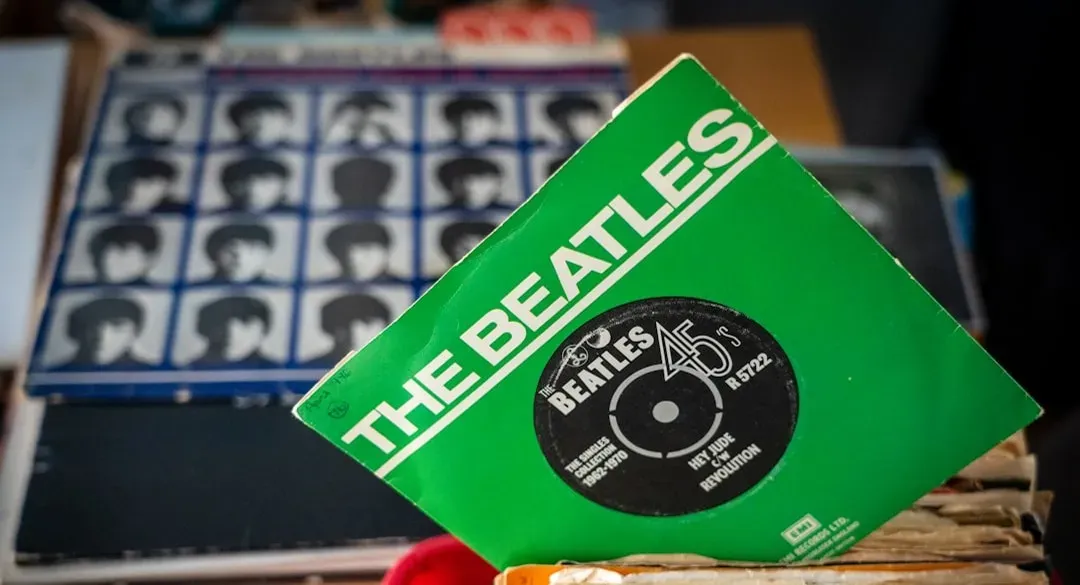
By the autumn of 1968, the Beatles were fracturing, and sessions that would eventually produce the Let It Be album were mired in tension. Paul McCartney was struggling with the strain, and one night at his home in St. John’s Wood, London, his mother came to him in a dream, offering him a phrase that would become the song’s title. Mary Patricia McCartney had died of cancer in 1956, when Paul was just fourteen.
He woke up feeling better and went straight to the piano. He opened the song with the words Mother Mary, which happened to be her real name, drawing directly from the dream rather than any religious symbolism. McCartney has confirmed on multiple occasions that the mother Mary mentioned in the song is his own mother, and the song was released as a single on 6 March 1970, just weeks before he announced his departure from the band.
Enter Sandman by Metallica

James Hetfield built the lyrics to Enter Sandman around an old bit of bedtime folklore, then twisted it into something unsettling. As the band’s vocalist and guitarist, he wrote the lyrics, which deal with the concept of a child’s nightmares. The riff underneath it came from Kirk Hammett, who developed the guitar part after being inspired by Soundgarden’s 1989 album Louder Than Love.
The accompanying music video reinforced that unsettling tone, pairing footage of the band with scenes of a child dreaming about drowning, falling from a building, being covered in snakes, and being chased. Released as the opening track on Metallica’s 1991 self titled album, the song reached number sixteen on the Billboard Hot 100 and eventually earned a nine times platinum certification in the United States. It remains the band’s most recognizable single decades later, still built entirely on the idea of a comforting myth gone wrong.
#9 Dream by John Lennon
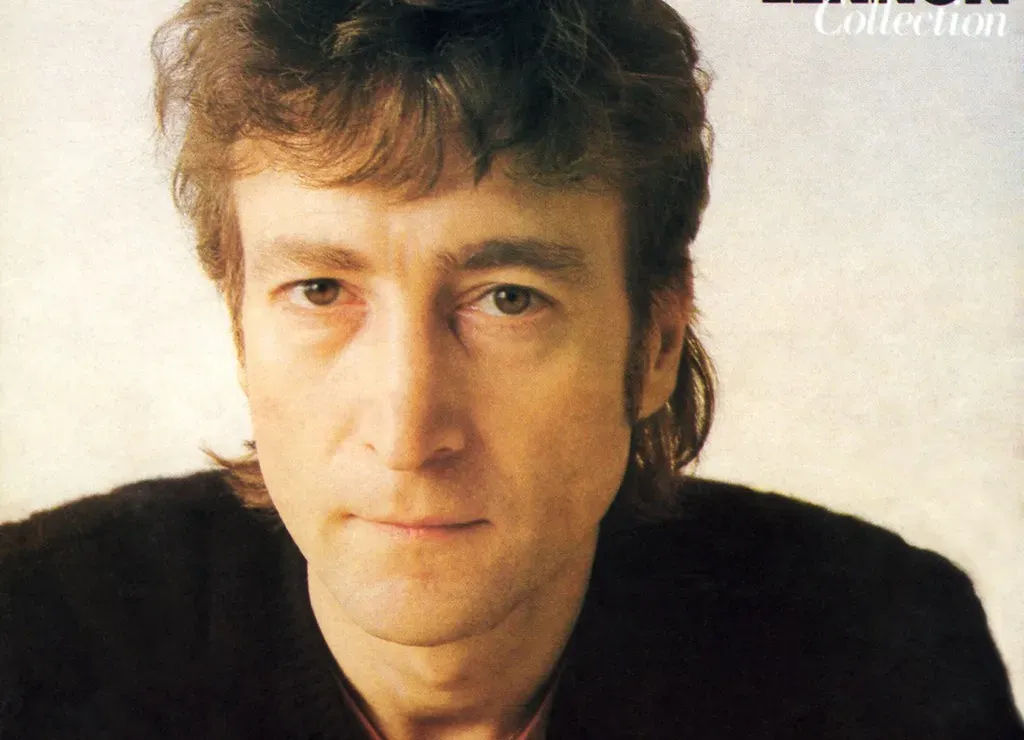
John Lennon’s 1974 single wears its origin right there in the title. Lennon said the song’s hazy, wordless chorus phrase came to him while he was asleep, and once he woke, he simply transcribed the sounds he remembered hearing. He was famously dismissive of the song’s meaning in interviews, insisting there wasn’t much to analyze beyond the fact that it had arrived, almost fully formed, from somewhere just out of reach.
The number nine held a strange pull for Lennon throughout his life, turning up in addresses, birthdays, and other coincidences tied to his years with the Beatles, which only added to the song’s mystique. Recorded for his album Walls and Bridges, the track became a top ten hit in the United States not long after its release. Whatever its deeper meaning, it stands as one of the more literal examples of a songwriter simply following what sleep handed him.
Angel by Jimi Hendrix

Hendrix wrote Angel years before it was ever released, and he traced its origin back to a dream about his mother, Lucille, who had died when he was still a teenager. In the dream, he said, she appeared to him riding a winged horse, told him she was fine, and carried him along for a brief, comforting visit before he woke. It’s a gentler, more personal song than most of his catalog, and that softness seems tied directly to where the idea came from.
The song wasn’t finished and released until after Hendrix’s own death, appearing on the posthumous 1971 album The Cry of Love. Because he never had the chance to explain the song fully in later interviews, much of what’s known about its origin comes from family members and biographers who heard him describe the dream while he was alive. Even without Hendrix around to confirm every detail, the story has held up as one of the more affecting entries on this list.
River of Dreams by Billy Joel

Billy Joel has said that the title track from his 1993 album grew out of a recurring dream, one where he found himself walking along the edge of a river, searching for something he couldn’t quite name. The dream returned often enough that he eventually decided the only way to make sense of it was to write it down as a song. That searching, unresolved feeling carried straight into the finished lyrics.
Musically, the track leaned on gospel influenced harmonies that gave the dream imagery a churchlike weight, a noticeable shift from much of Joel’s earlier, more piano driven work. It became one of his biggest hits of the 1990s and introduced the phrase to a new generation of listeners who had no idea the song began as something Joel couldn’t shake from his sleep. He has repeated the story in interviews over the years without much variation, which lends it a fair amount of credibility.
Pyramid Song by Radiohead
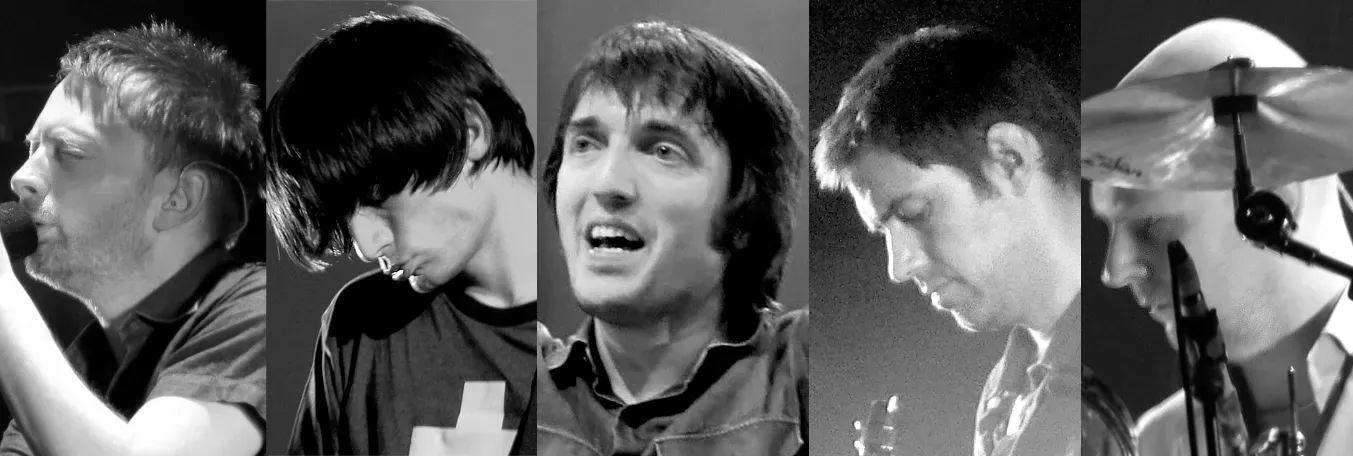
Thom Yorke has described the origin of this Radiohead track in terms that sound almost otherworldly. He has said the song grew out of a dream in which he was floating peacefully down a river alongside everyone he had ever known, with no fear of drowning or being swept away. That sense of calm, suspended movement carries directly into the song’s famously ambiguous time signature, which still trips up musicians trying to count along.
Yorke has also pointed to his interest in ancient Egyptian imagery around the time he was writing the track, and the album’s artwork echoes that same influence. Released on 2001’s Amnesiac, the song became one of the band’s most acclaimed non single tracks, admired as much for its mood as for its unusual structure. Even among Radiohead’s more experimental work, it stands out for how directly the songwriting traces back to an actual night’s sleep.