Most of us walk through a supermarket on autopilot, a list in one hand and a phone in the other. The building, though, isn’t running on autopilot. Where things sit, how wide the carts are and which way you drift after the front doors all reflect decisions made well before you arrived.
Former employees and retail observers have described many of these choices over the years, and recent consumer coverage keeps coming back to the same handful. Some are backed by research, while others are better described as common industry practice. Here are nine of them, and what each one is meant to do.
1. Produce Greets You at the Door
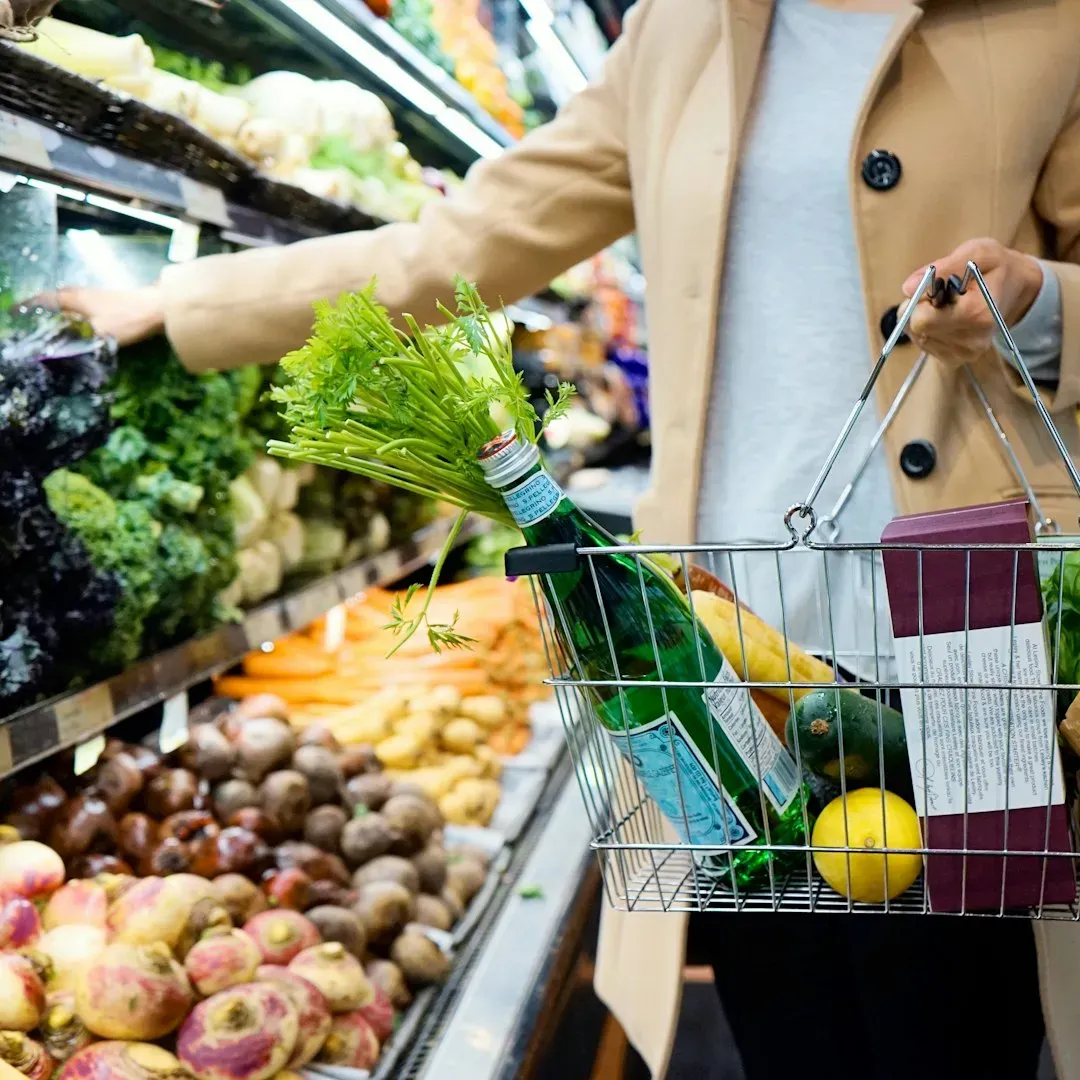
In many stores, the produce department sits at the front, so the play for your wallet starts as soon as you walk in. Bright fruit and vegetables can put shoppers in a healthier frame of mind. That mood may make a later cart full of treats feel more acceptable.
Some accounts add that stores mist vegetables with water so they look fresh. The same coverage claims the moisture can make them spoil faster at home. Treat that last point as a shopper’s claim rather than settled science.
2. Dairy Lives at the Back
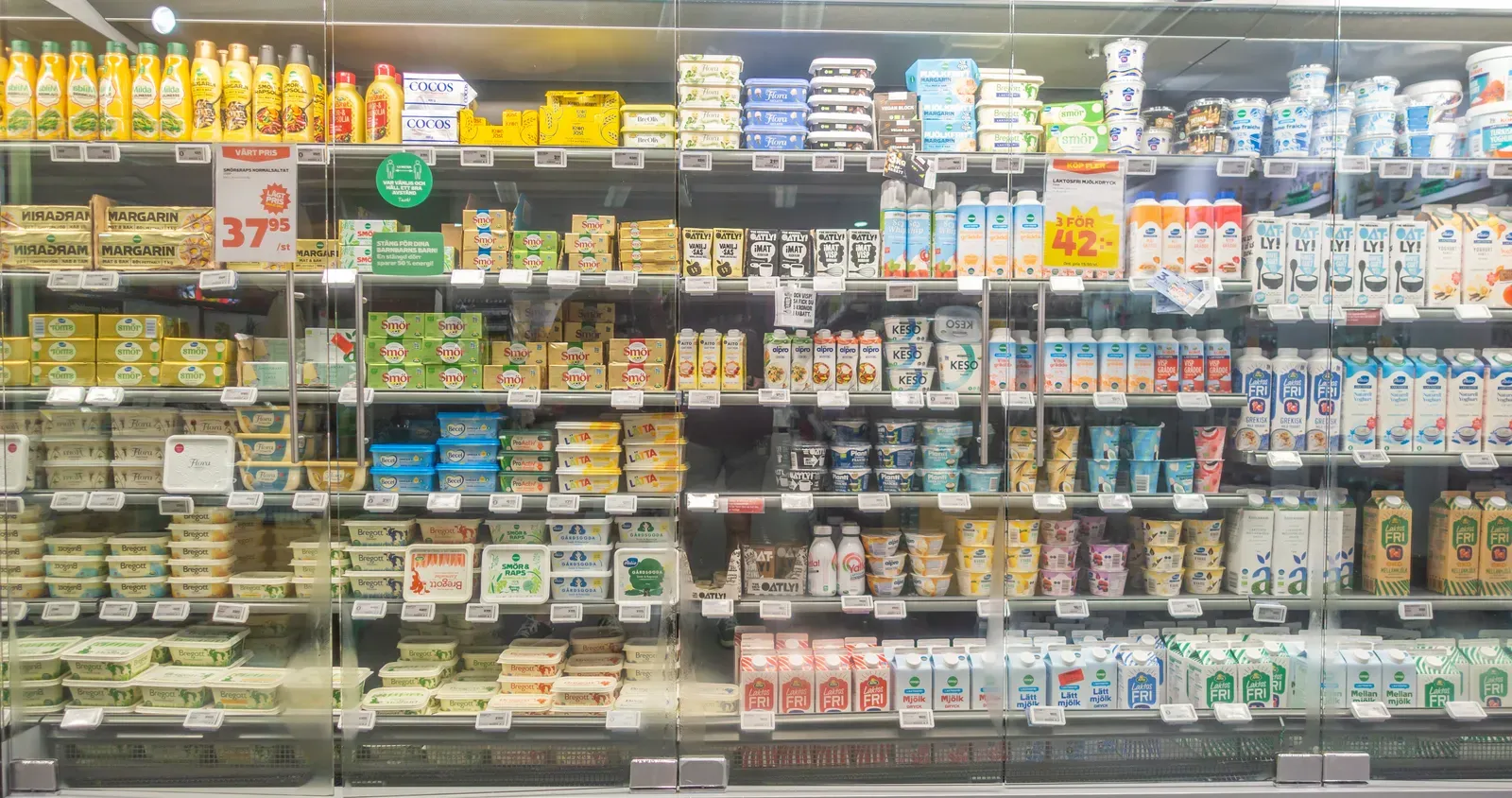
Milk and eggs top many shopping lists, and stores seem to know it. Dairy sections are usually placed as far from the entrance as possible, which gives shoppers time to find extra items they hadn’t planned on.
It’s a simple idea. If you’re going to cross the whole store for one gallon, you’ll pass a lot of shelves on the way. Some of them will catch your eye.
3. Essentials Are Spread Out on Purpose
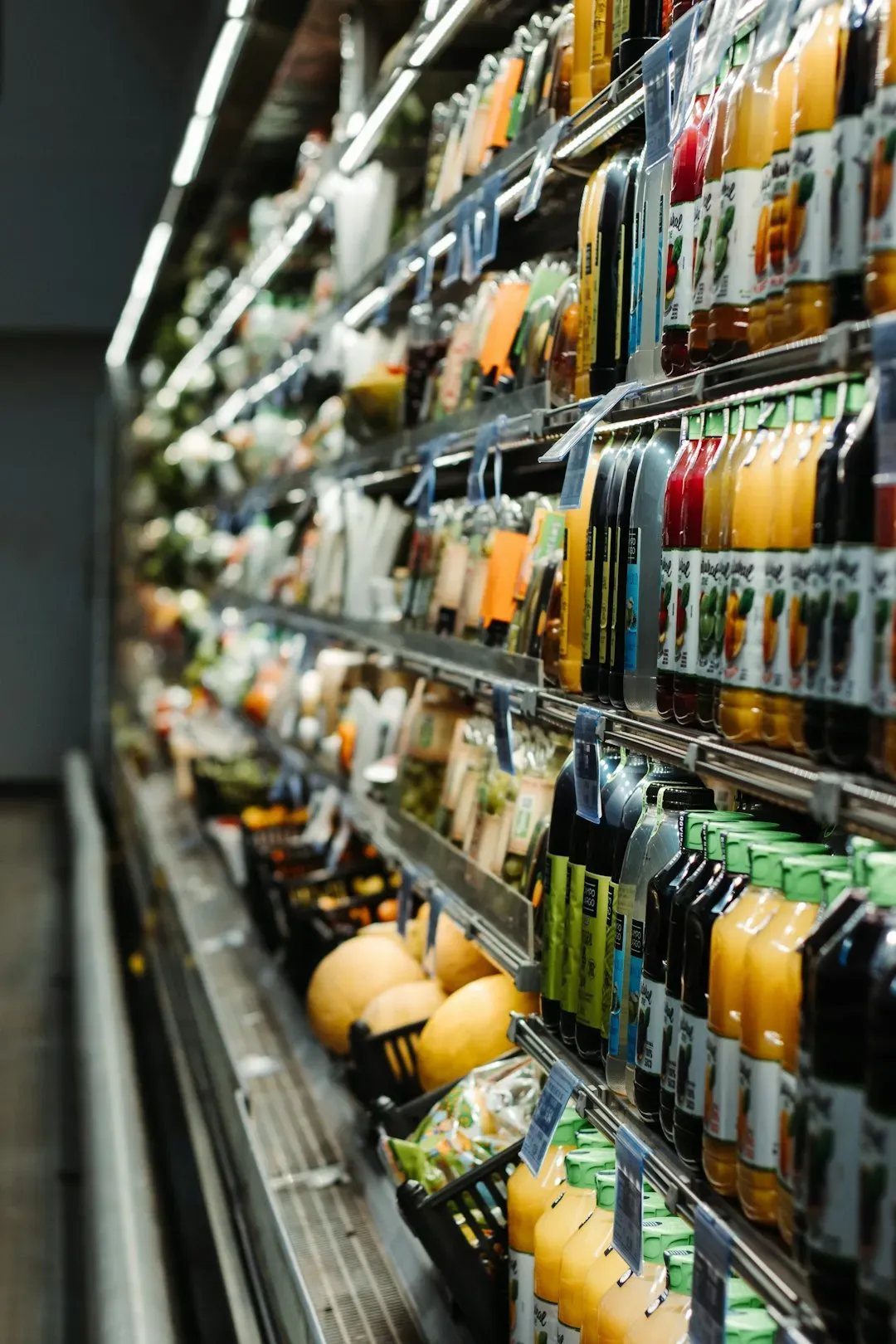
It isn’t only dairy. Common list items like eggs, milk, fruit and vegetables are separated and scattered around the store, pushing customers into a full-length walk. The same account says this makes shoppers more likely to pick up higher margin goods such as gourmet and specialty foods.
If a store put every staple in one corner, you’d be in and out in five minutes. Spreading them around stretches the trip. A longer trip means more chances to buy.
4. Oversized Carts at the Entrance
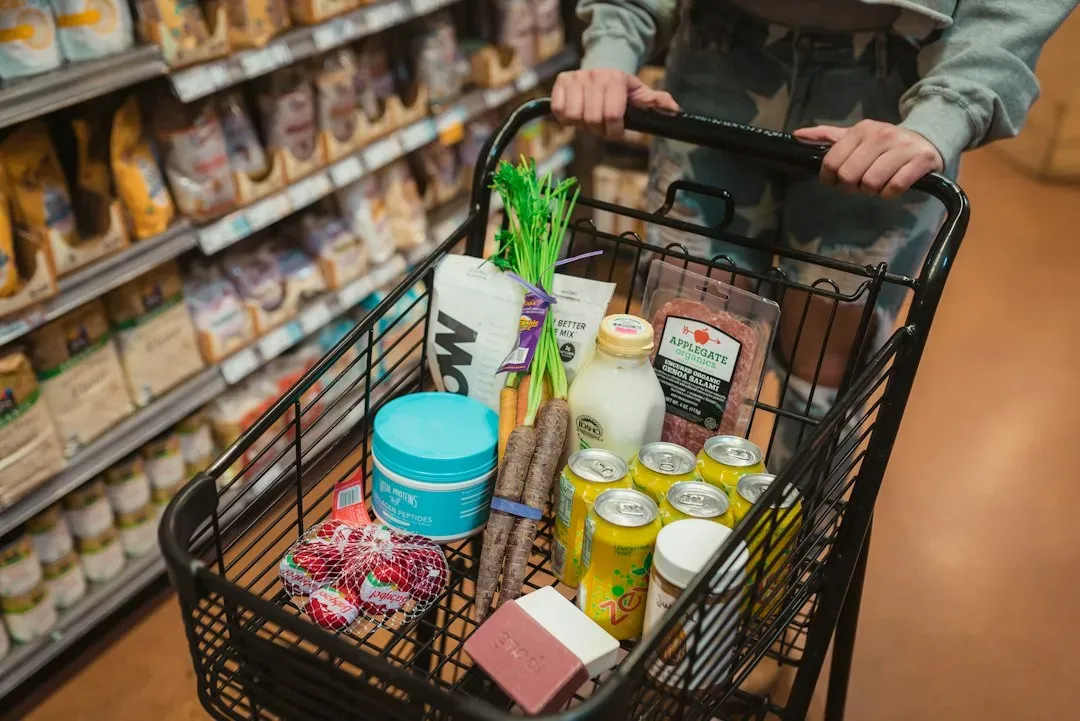
Carts have grown over time, and former employee roundups say that’s deliberate. A modest list looks tiny in a huge cart, and the empty space can feel like permission to fill it. Some retellings credit marketing expert Martin Lindstrom with a claim that bigger carts led to roughly forty percent more spending, though that figure circulates mostly in listicles, so take it cautiously.
The practical workaround is easy. Savvy shoppers pick a smaller cart or a basket to limit what they buy. If your trip is for three things, a basket keeps you honest.
5. Eye Level Is Buy Level
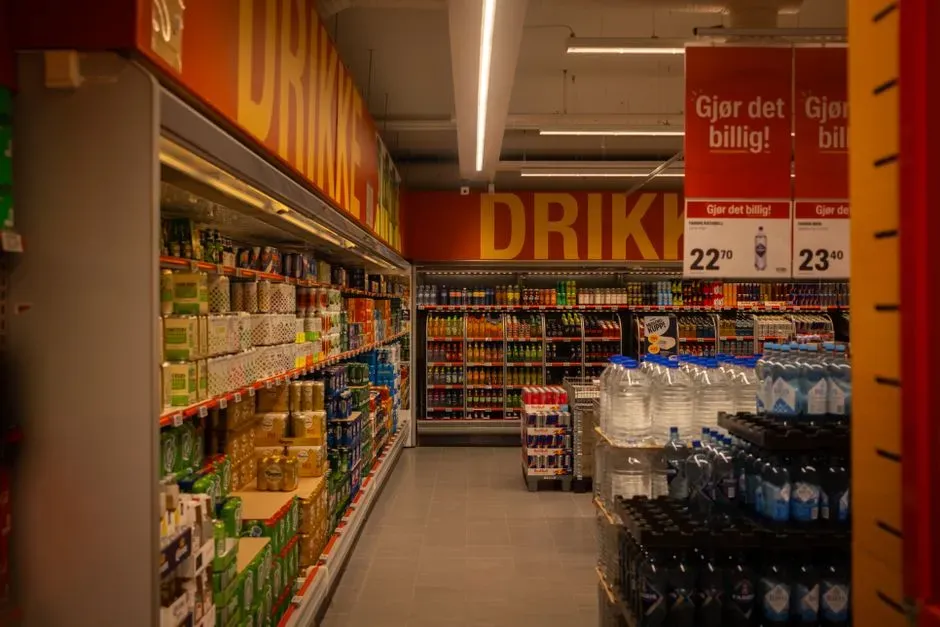
Shelf height matters more than most people realize. Eye-level products get noticed and bought more often, so the middle of the shelf is usually saved for popular or high margin items. Cheaper store brands often end up lower down.
Some of this comes from brands paying for good placement, which is a long-standing retail practice. Generic items sit lower, so you have to bend to reach them. Looking up and down the shelf before you grab something can save real money.
6. Short Aisles and Shuffled Products
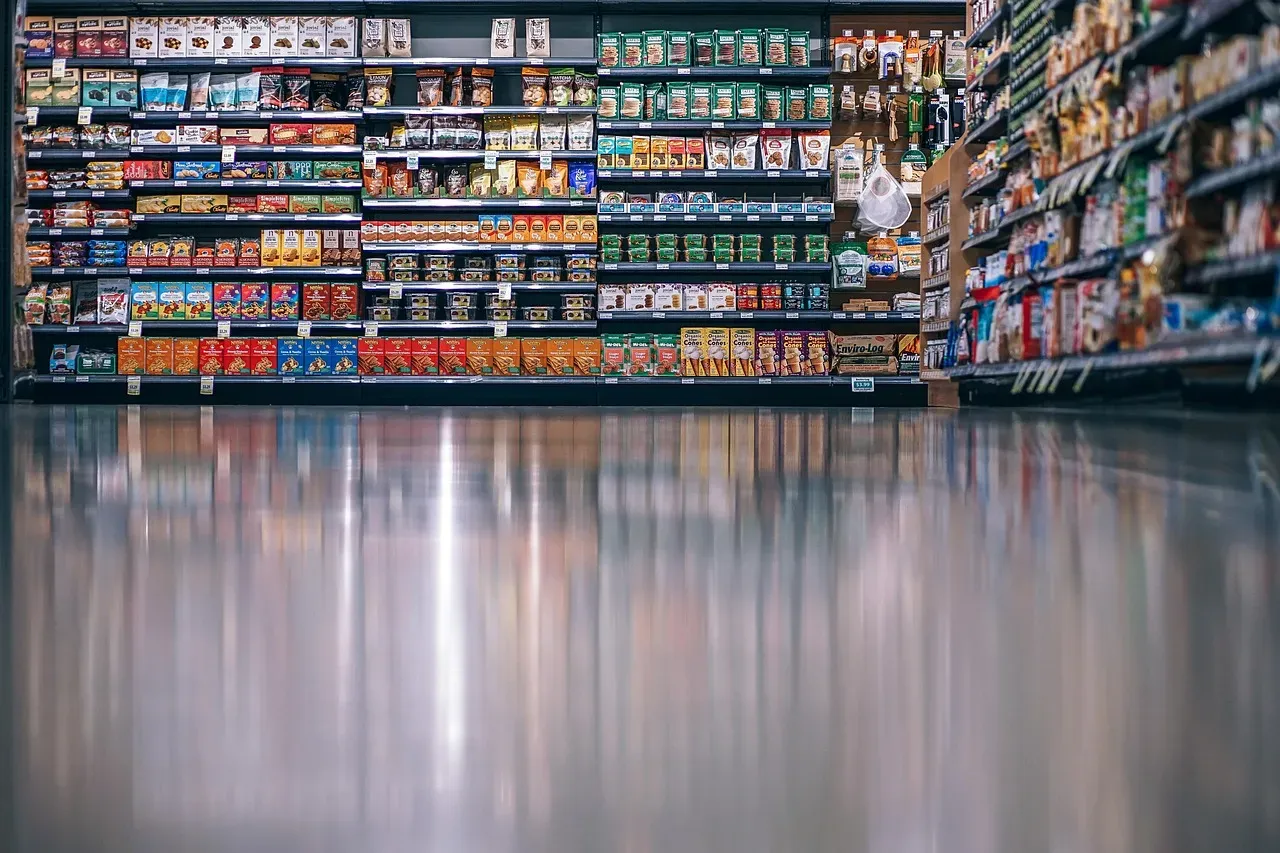
One retail idea is that a typical shopper sees only part of what’s on display. A summary of former employee accounts says breaking long aisles into shorter sections creates more points where shoppers slow down and stop. More pauses mean more products actually seen.
Rearranging is part of this too. You hunt for the peanut butter you bought last week, which is now three aisles over. While you search, your eyes land on things you never meant to buy.
7. No Windows, No Clocks
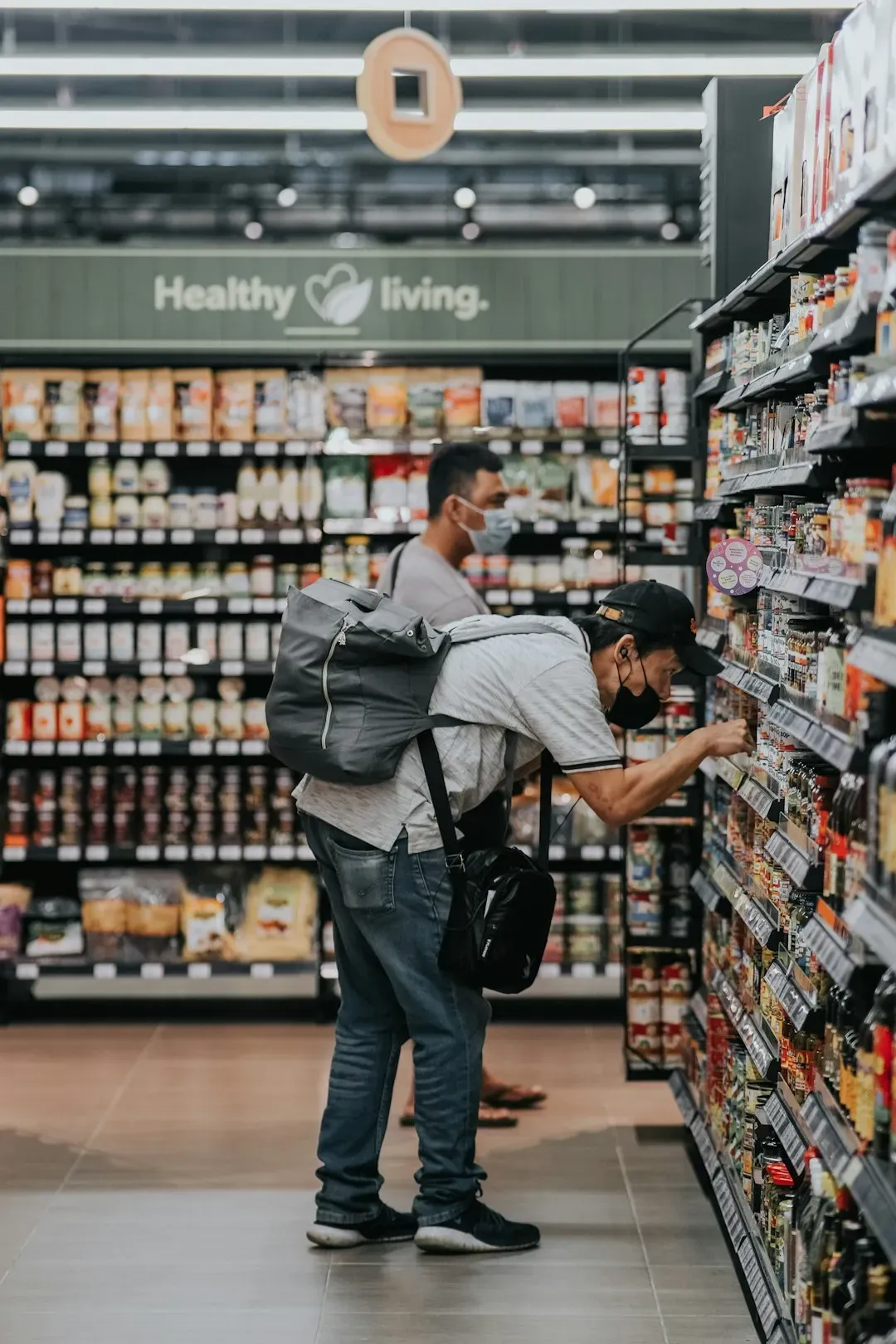
Walk around a supermarket and you’ll rarely see a clock. Some accounts note that without windows or clocks, shoppers lose track of time and may stay longer, which can mean more impulse buys.
Music plays a similar role. One roundup argues the longer you stay in a grocery store, the more impulse buys you make. The evidence on any single store is hard to pin down, but the logic is easy to follow.
8. The Bakery Scent Near the Aisles
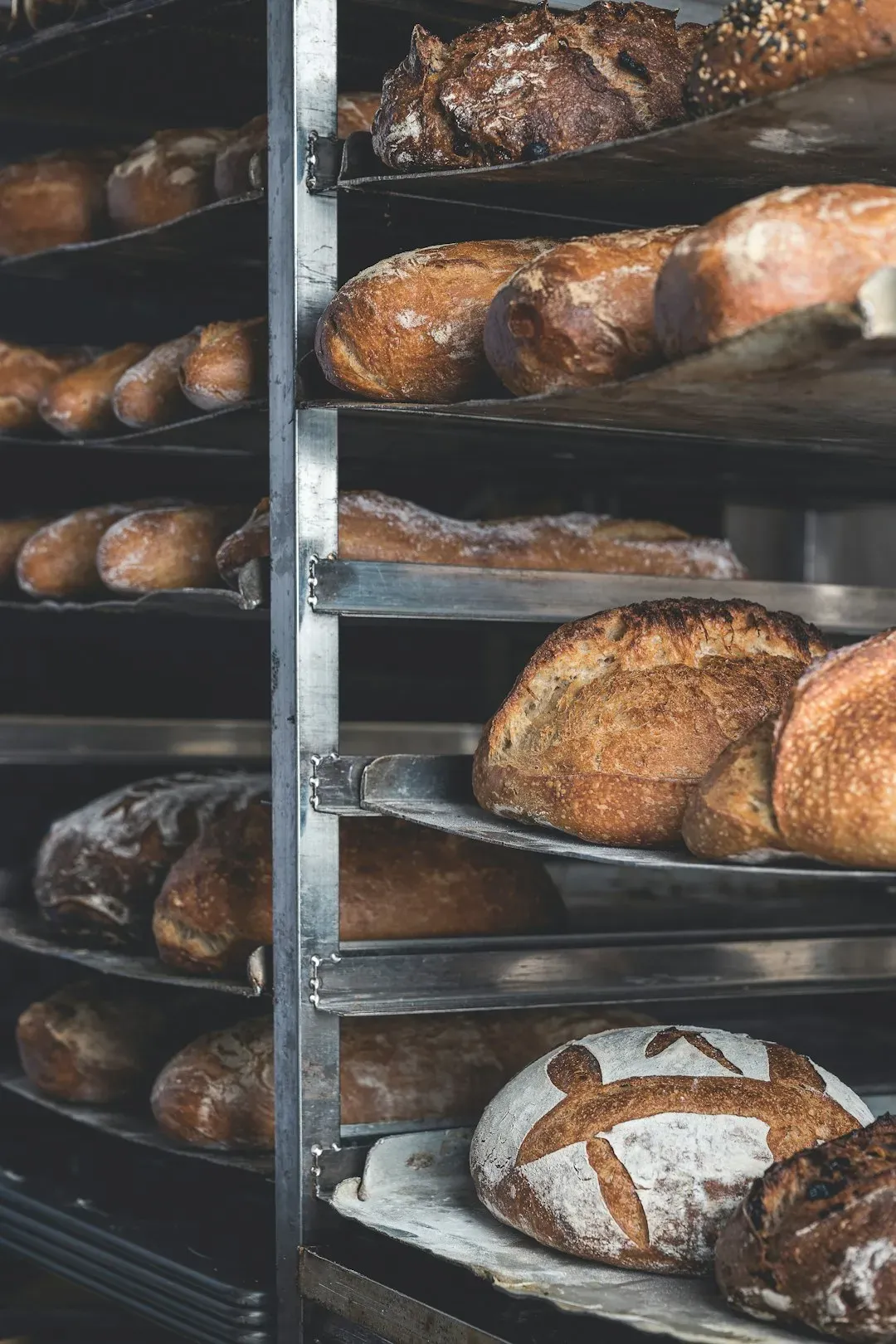
Bakeries are often placed so aromas drift through the store. Former employees say many “freshly baked” goods aren’t made from scratch on site. They often arrive as frozen or par-baked products that staff bake off in ovens.
The smell still works, and that’s the point. Mood-lifting scents are meant to put people in a buying frame of mind. Hunger helps, too, especially if you shop before dinner.
9. Impulse Buys Lined Up at Checkout
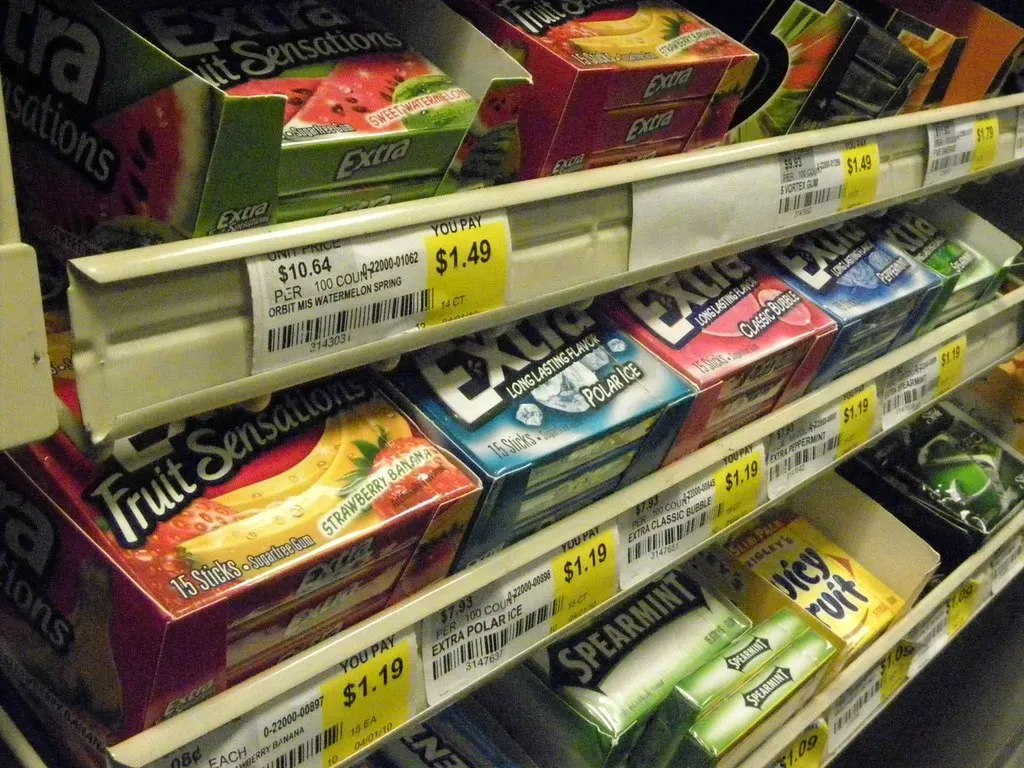
The final stretch is the last chance to sell you something. Consumer coverage points to confusing price layouts and tempting items at checkout stands as ways supermarkets push shoppers to spend more. Candy, gum and drinks sit within arm’s reach, often at a child’s eye level.
Unit pricing is a handy defense. One example shows that a big box can cost more per pound than a smaller one, making the smaller box the better buy. Checking the label takes a few seconds, and a list helps with the rest. AARP’s advice is to shop with a list, skip free samples and watch unit prices to curb impulse purchases.