Throughout the history of literature, since the creation of bound texts in the forms of books and codices, various works have been published and written anonymously, often due to their political or controversial nature, or merely for the purposes of the privacy of their authors, among other reasons. The decision to hide behind namelessness was never taken lightly. It carried real consequences, shaped how readers received a text, and often determined whether an author survived – literally or professionally. These five books carry some of the most fascinating and revealing “why” stories in all of literary history.
1. Frankenstein by Mary Shelley (1818) – Fear of Losing Her Children
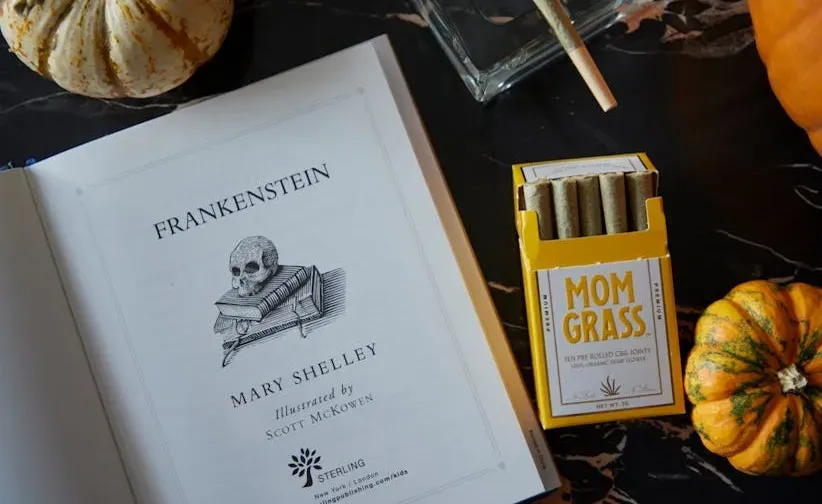
The novel was first published anonymously in 1818, and in 1831, a revised edition was published under Mary Shelley’s name. On the first day of the year 1818, 500 copies of Frankenstein; or, The Modern Prometheus were printed anonymously on the cheapest paper available by a largely unknown London publisher. The initial print run was tiny by any standard, and yet the book’s ripple effect on literature, culture, and science fiction was immeasurable. In 2016 alone, nearly 50,000 copies of Frankenstein were sold – a hundred times the number produced in the novel’s first printing – and one of the original copies sold at auction in 2021 for $1.17 million, breaking the record for a printed work by a woman.
She didn’t put her name on her book – she published Frankenstein anonymously, in 1818, not least out of a concern that she might lose custody of her children. Mary Shelley’s Frankenstein was first published anonymously, with only a preface by her husband Percy Bysshe Shelley, and many initially assumed he was the author. The mix-up stuck for years. In the year of Frankenstein’s publication, 1818, roughly two-thirds of the 62 published novels were anonymous to some degree, so in a sense Shelley was following the norms of her era – yet her personal reasons were far more urgent than convention alone.
2. Sense and Sensibility by Jane Austen (1811) – Gender and Social Standing
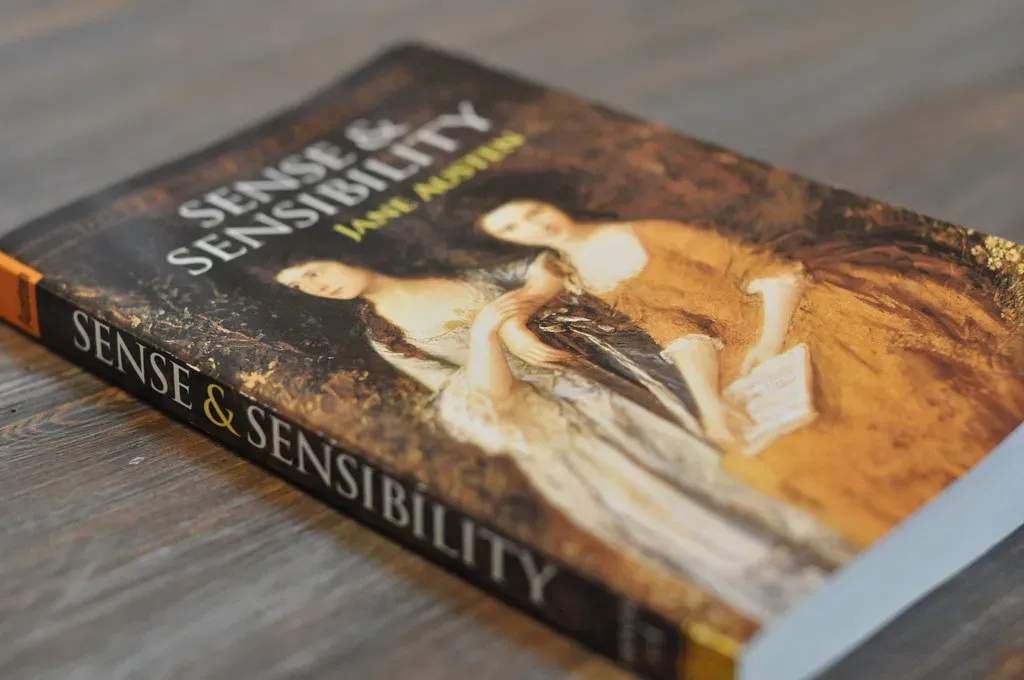
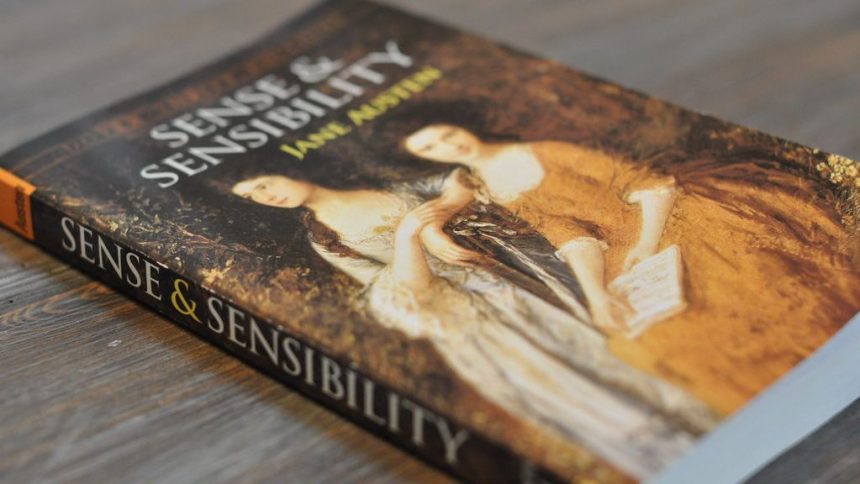
Sense and Sensibility is the debut novel by English author Jane Austen, appearing in 1811. It was published anonymously – “By A Lady” appears on the title page where the author’s name might have been. Austen chose to remain anonymous because at that time it was not entirely acceptable for a woman of her status to publish for profit. The phrase “By a Lady” was a careful, deliberate signal – it acknowledged gender without attaching an identity that could invite criticism or social humiliation. Publishing anonymously prevented her from acquiring an authorial reputation, but it also enabled her to preserve her privacy at a time when entering the public sphere was associated with a reprehensible loss of femininity.
She chose to publish her books anonymously, which was largely due to the social ideals for women at the time. Writing was certainly a lauded and appreciated skill for a woman to have, but was regarded largely as a dignified hobby, secondary to her primary roles as wife and mother. For this reason, anonymous publication was the norm for female writers, reassuring society that the author was not after celebrity, but purely writing as a hobby turned part-time job. The first edition of Sense and Sensibility sold out all 750 copies by July 1813, and a second edition was advertised in October 1813. Jane never saw her name printed on a cover during her lifetime. Following her death in 1817, her brother Henry Austen published Northanger Abbey and Persuasion together with a biographical notice revealing that Jane was the author of those novels and also of the four previously published ones.
3. Common Sense by Thomas Paine (1776) – Physical Danger and Political Persecution
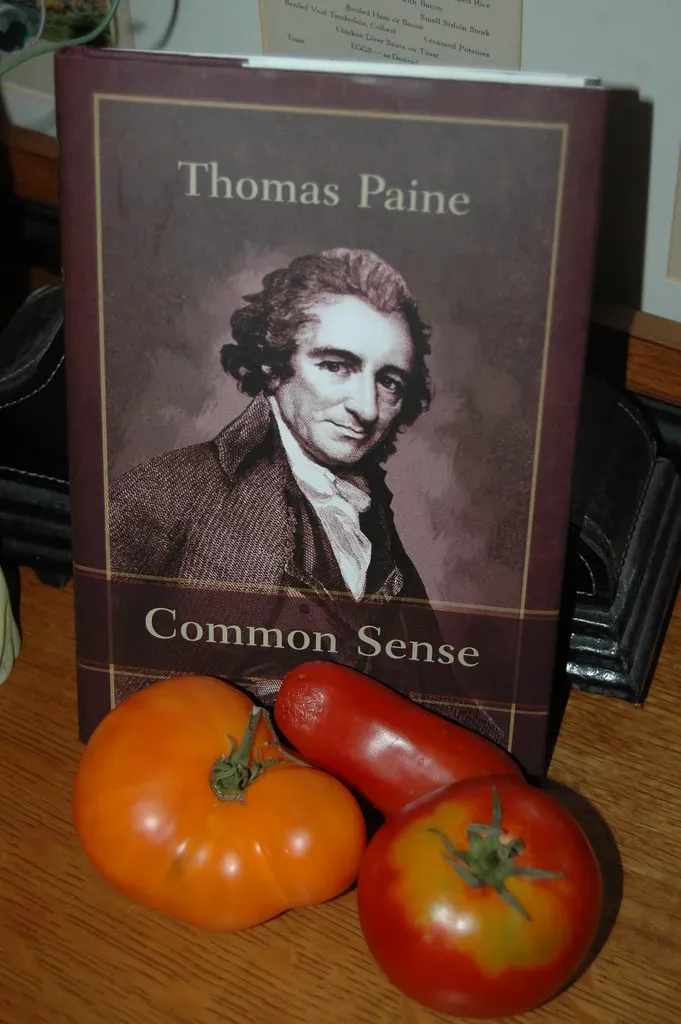
This influential pamphlet by Thomas Paine was originally published anonymously to protect its author. It made a compelling case for American independence from British rule, becoming a best-seller that galvanized the colonies. The anonymity allowed the focus to remain on the ideas, which were radical for the time, and on rallying support for the revolutionary cause. Paine was well aware that openly signing such a document would have exposed him to charges of treason. Thomas Paine’s Common Sense may not have made it into print if its author had been required to identify himself.
Political and religious works are particularly heavily laden with unattributed or disguised efforts – the Federalist Papers are of course both anonymous, and of necessity. Paine’s pamphlet sat squarely in this tradition. Austen may have wanted anonymity not only because of her gender and a desire for privacy, but because of the more general atmosphere of repression pervading her era – and that same atmosphere of political repression applied broadly across the Atlantic world, where naming oneself as a revolutionary was genuinely dangerous. Paine eventually acknowledged his authorship, but only after the pamphlet had already spread beyond any government’s ability to suppress it.
Partner offer
4. Lazarillo de Tormes (1554) – Heresy and Church Censorship
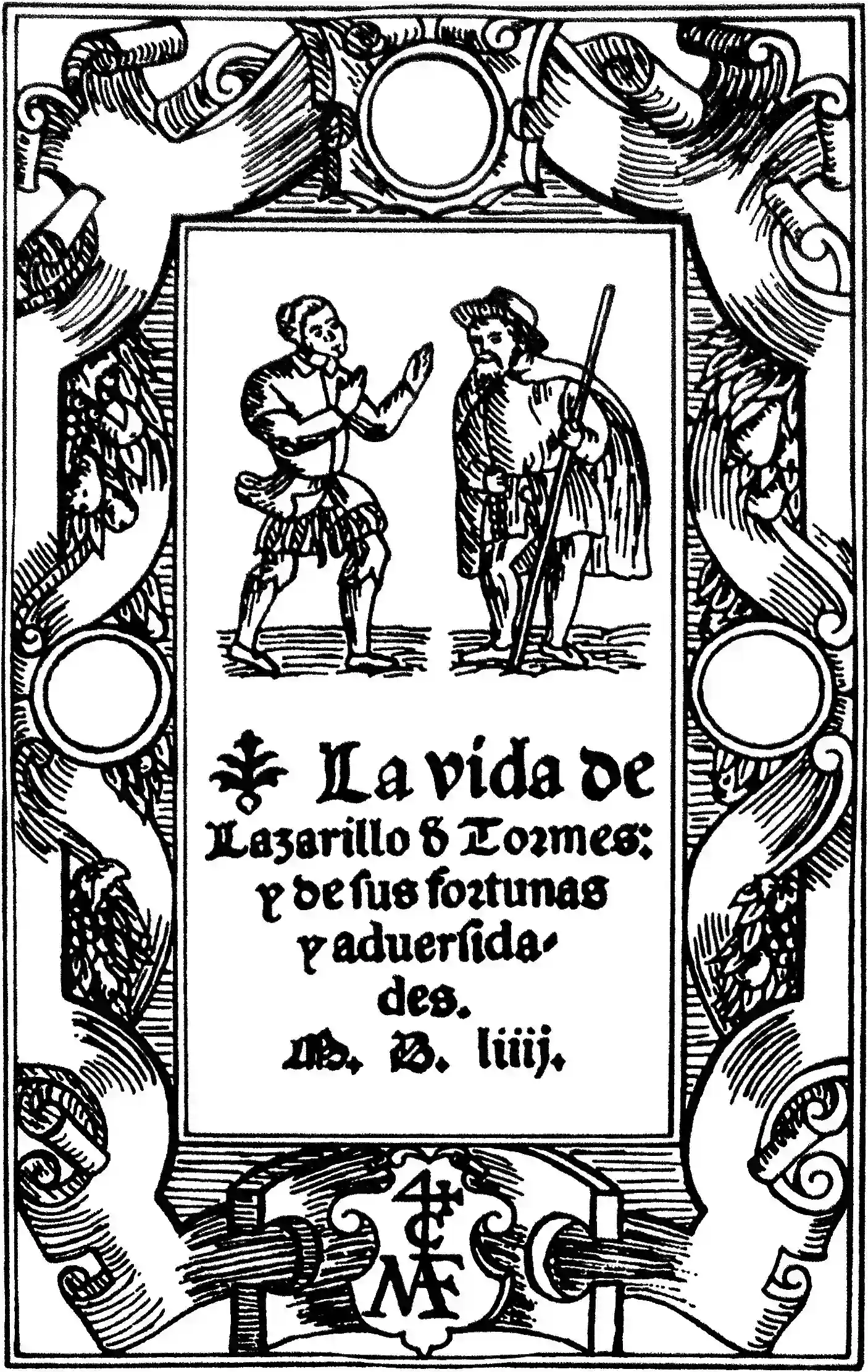
La vida de Lazarillo de Tormes y de sus fortunas y adversidades is a Spanish novella which was published in three cities in 1554. The novella’s content was regarded as heretical due to its open criticism of the Catholic Church, and this is most likely the reason it was published anonymously. Various authors have been attributed to this important work. This Spanish novella is one of the earliest examples of picaresque literature, a genre that tells the story of a roguish protagonist surviving through wit and cunning. Published anonymously, likely due to its criticism of the church and societal norms, the book offers sharp satire and a vivid portrayal of life in 16th-century Spain.
The Inquisition was not a metaphor in 16th-century Spain – it was an operational force with the authority to imprison, torture, and execute individuals deemed heretical. Attaching one’s name to a work that openly mocked clergy and church corruption was an act that could end badly. Legal attention in the early modern period focused more on printers and publishers than on authors, and various attempts to require an author’s name on a text during the sixteenth to eighteenth centuries were short-lived or largely unenforced. The author of Lazarillo de Tormes exploited this legal grey area shrewdly and survived – at least in print.
5. The Autobiography of an Ex-Colored Man by James Weldon Johnson (1912) – Race and the Power of Ambiguity

The Autobiography of an Ex-Colored Man, the story of a young biracial man, was published anonymously in 1912 by James Weldon Johnson, who revealed himself as the author in 1927. The fifteen-year gap between publication and confession was not accidental. Johnson understood that the book’s power came partly from its ambiguity – readers were meant to wonder whether this was a real confession or a fictional one. By blurring the lines between fiction and autobiography, Johnson explored themes of race, identity, and societal norms. Its anonymity added authenticity to the narrative, leaving readers questioning its origins.
The United States in 1912 was a dangerous country for a Black author writing this bluntly about racial passing, identity, and the brutal realities of Jim Crow America. The decision to publish without a name was not just artistic – it was protective. Authors writing about controversial topics may also choose to use pseudonyms or publish anonymously in order to maintain personal privacy while contributing to our understanding of such topics. Johnson’s case shows just how strategic that decision could be: the anonymity made the book feel real, amplified its impact, and gave him the distance to survive the controversy it generated before the literary world was ready to hear the full story.
The Broader Pattern – Why Authors Have Always Hidden Their Names

There are many reasons authors choose to publish anonymously or under a pseudonym: to make a controversial political argument or a satirical jab; for women, especially in the past, to maintain their modesty or gain the advantages accorded to a man; to, paradoxically, gin up attention and sales by keeping their identity secret. At one point in the history of literature, anonymous and pseudonymous texts were common, even dominant. At the end of the 19th century, as the number of texts being published grew, the percentage and most likely the absolute number of anonymous texts being published began to shrink. The tradition did not die, though – it adapted.
Throughout history, politically or socially controversial works have been published anonymously. Privacy may not seem like an important issue for authors who write to be read, but writing in the digital world increasingly presents us with new considerations in the realm of personal and digital privacy. Anonymous works are subject to copyright protection for 95 years from the date of creation, since the life of the author cannot be ascertained without an author being named. From 16th-century Spain to 21st-century America, the impulse to write without a name has never been pure cowardice – more often, it has been a calculated act of survival, strategy, or artistic intention.
Partner offer
Planning a trip to Vegas?
Compare hotel rates and show tickets on VEGAS.com.