There was a particular kind of pride in a well-stocked VHS shelf. Not just any tapes, but the right ones, the ones that signaled you actually knew film, not just what was playing at the multiplex that weekend. Long before streaming algorithms started guessing our taste for us, your video collection did the talking.
Some tapes were common, sitting in nearly every household with a VCR. Others took a bit more effort to track down, whether through a specialty video store, a mail order catalog, or a lucky find at a rental shop clearance sale. If you had these nine on your shelf, you weren’t just collecting movies. You were curating them.
Blade Runner (1982)

Ridley Scott’s neo noir science fiction film was famously reworked several times, and the VHS releases through the 1980s and early 1990s mostly carried the theatrical cut with its much debated voiceover narration. Owning a copy meant you appreciated a movie that critics and audiences were initially unsure about, since it underperformed at the box office against Steven Spielberg’s E.T. the same summer. Its reputation grew steadily on home video, turning it into one of the defining cult classics of the decade.
Having Blade Runner in your collection suggested patience for atmosphere over action, and an eye for visual detail that rewarded repeat viewing. The film’s influence on later cyberpunk aesthetics, from Ghost in the Shell to Blade Runner 2049 released in 2017, only cemented its status as essential viewing. A worn VHS copy of this one was basically a badge of cinematic literacy.
The Godfather (1972)
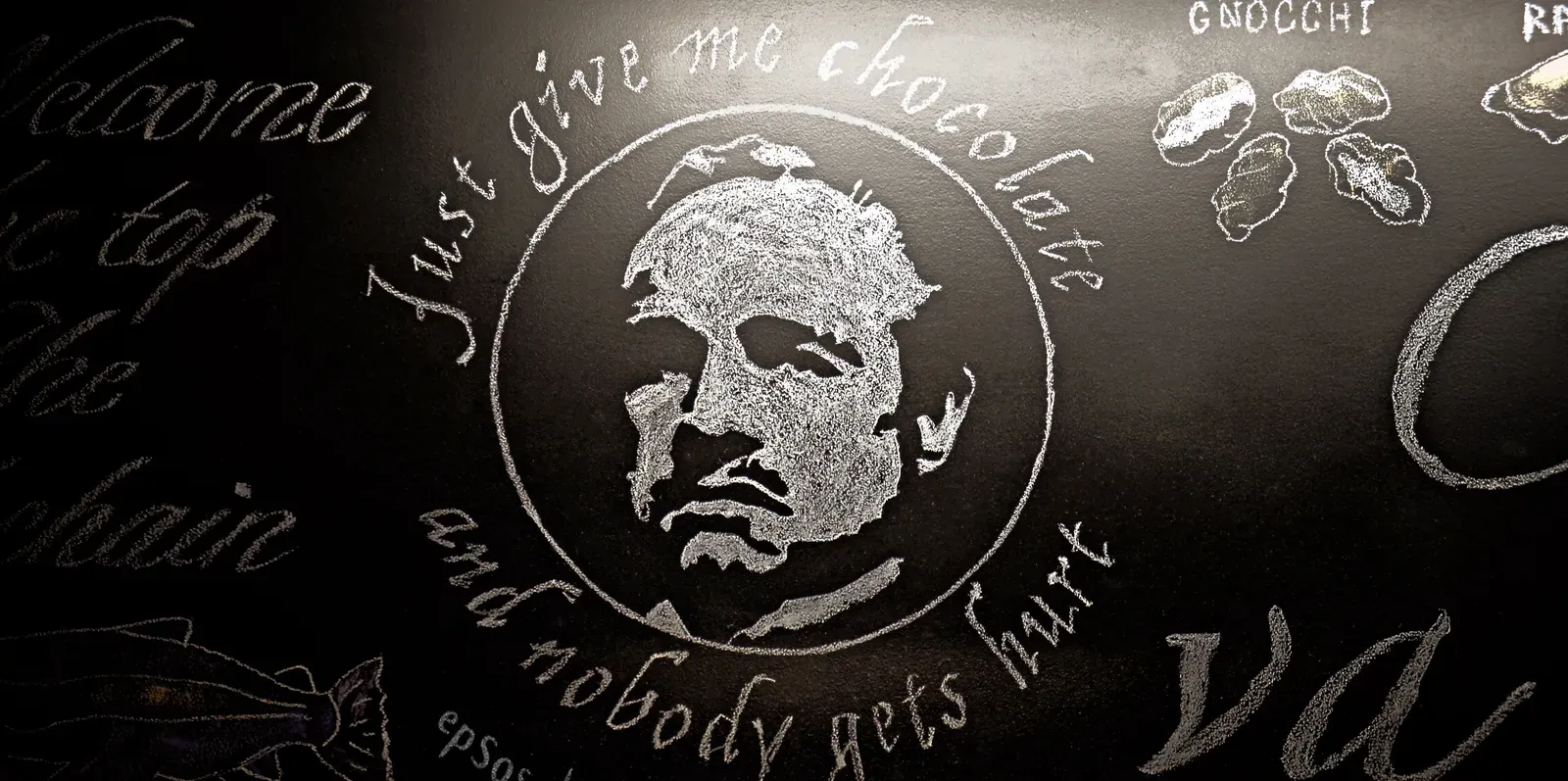
Francis Ford Coppola’s crime saga was released on VHS in the early days of home video and remained a fixture in serious film collections for decades. It swept major Academy Awards including Best Picture, and its influence on American cinema is hard to overstate. Owning it wasn’t unusual exactly, but caring about it, rewatching it, quoting it correctly, that separated casual owners from real admirers.
The tape itself became something of a keepsake object, often passed between family members or friends as an introduction to serious drama. Because the film ran close to three hours, owning it on VHS also meant committing to an evening, not a quick watch between other tasks. That kind of patience said something about a viewer’s priorities.
Aliens (1986)

James Cameron’s sequel to Ridley Scott’s Alien took the original’s slow dread and turned it into a tense, muscular action thriller, and it earned strong reviews along with several Academy Award nominations. Sigourney Weaver’s performance as Ellen Ripley became a template for action heroines that Hollywood took years to properly follow up on. A VHS copy sitting on the shelf suggested someone who valued craftsmanship in genre filmmaking, not just spectacle.
The special edition VHS releases, which restored additional footage cut from the theatrical version, became particularly prized among collectors who wanted the fuller story. Finding one of those extended cuts on tape meant you’d gone slightly out of your way for the definitive version. That extra effort tends to say a lot about someone’s actual investment in a film versus casual interest.
Do the Right Thing (1989)
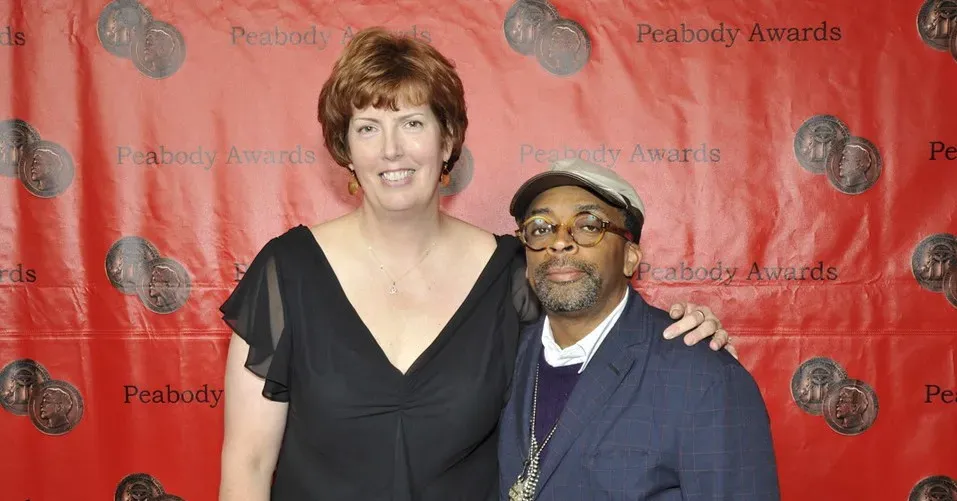
Spike Lee’s drama about racial tension on a single Brooklyn block during a summer heat wave arrived with a boldness that many contemporary films avoided. It was not a box office giant in the way blockbuster comedies of that era were, but critics recognized its importance almost immediately, and it has only grown in stature since. Owning this on VHS meant you were drawn to films that asked something of the viewer rather than simply entertaining them.
The film’s visual style, with its saturated colors and unconventional camera angles, made it stand out even on a fuzzy analog tape. Renting or owning it also meant engaging with subject matter that made a lot of viewers uncomfortable, which was sort of the point. That willingness to sit with discomfort marked a certain kind of serious film fan.
Jaws (1975)

Steven Spielberg’s shark thriller is often credited as the film that invented the modern summer blockbuster, and its home video releases throughout the 1980s made it a staple in countless households. What separated the true fans from the casual owners was often the level of care given to the tape itself, since Jaws was rewound and rewatched constantly by kids and adults alike. Loving Jaws on VHS meant appreciating tension built through suggestion and a barely visible mechanical shark rather than nonstop visual effects.
Partner offer
The film’s score by John Williams became instantly recognizable, reinforcing just how much craft went into a movie that could have leaned entirely on spectacle. Owning a well loved copy, one with visible wear from constant replay, was almost a mark of honor among film fans. It showed the tape had earned its scratches.
Repo Man (1984)

This oddball punk infused science fiction comedy never found a mainstream audience during its theatrical run, but it developed a devoted cult following through home video rentals. Starring Emilio Estevez alongside a soundtrack packed with early punk and hardcore bands, the film’s tone was too strange for wide appeal but exactly right for a certain kind of viewer. Having this tape meant you dug past the new release wall at the video store.
Finding a copy required either a trip to a specialty video store or a friend willing to lend theirs, since it rarely appeared on network television or in mainstream rental chains. The film’s mix of deadpan humor and genuine strangeness made it a favorite among fans who liked their comedy a little off center. Owning it signaled a taste for the fringes of genre filmmaking rather than the center.
The Princess Bride (1987)

Rob Reiner’s fantasy adventure comedy underperformed modestly at the box office upon release but found its true audience through repeated VHS rentals and eventual ownership. Its blend of swashbuckling adventure, sharp comedic dialogue, and genuine romance appealed across age groups in a way few films manage. A household with a copy of The Princess Bride on VHS usually had multiple generations who could quote it.
The film’s screenplay, written by William Goldman based on his own novel, balanced sincerity and satire so carefully that it never tipped fully into parody. That balance is part of why it aged so well while many comedies from the same period feel dated now. Owning this tape meant appreciating wit that didn’t rely on being loud to land.
Eraserhead (1977)

David Lynch’s debut feature is not a film most people stumble into by accident, and its home video availability throughout the 1980s and 1990s was limited compared to mainstream titles. It became a midnight movie staple, and owning a personal copy on VHS usually meant you’d sought it out specifically rather than picked it up on a whim. The film’s surreal, unsettling imagery made it a litmus test for how far a viewer was willing to go outside conventional narrative filmmaking.
Lynch’s later mainstream success with Blue Velvet and Twin Peaks brought new attention back to his earlier work, sending curious fans searching for Eraserhead specifically. Locating a copy on tape, especially before wider reissues, required real effort and usually a trip to a video store with an actual arthouse section. That kind of hunting said something about genuine curiosity rather than passive consumption.
Brazil (1985)

Terry Gilliam’s dystopian satire faced a famously difficult release due to studio disputes over its ending and runtime, and its theatrical performance never matched its ambition. Home video eventually gave the film the audience it deserved, letting viewers discover its blend of dark comedy, bureaucratic nightmare, and visual imagination on their own terms. A VHS copy on someone’s shelf usually indicated an appreciation for ambitious, messy, wildly inventive filmmaking over safer studio products.
The film’s chaotic production history, including Gilliam’s public disagreements with Universal Pictures over the final cut, became almost as well known among film fans as the movie itself. Owning Brazil meant knowing that context, or at least being curious enough to learn it. That layer of behind the scenes knowledge tended to separate deep fans from casual renters.
Withnail and I (1987)

This British comedy about two unemployed actors drinking their way through the English countryside barely registered in American theaters, but it became a cherished cult favorite among certain circles of film fans, particularly through imported or specialty VHS copies. Its dry, bleak humor and quotable dialogue made it the kind of film people passed along almost like a secret. Owning it in the United States usually meant either a trip abroad, a specialty import shop, or a generous friend with connections.
The film’s popularity grew steadily through word of mouth rather than marketing, which is part of why owning a copy felt like being let in on something. Its rise mirrored other cult favorites that thrived specifically because mainstream audiences largely ignored them. That obscurity, oddly enough, is exactly what made tracking down a copy so satisfying for the fans who did.
Partner offer
Planning a trip to Vegas?
Compare hotel rates and show tickets on VEGAS.com.