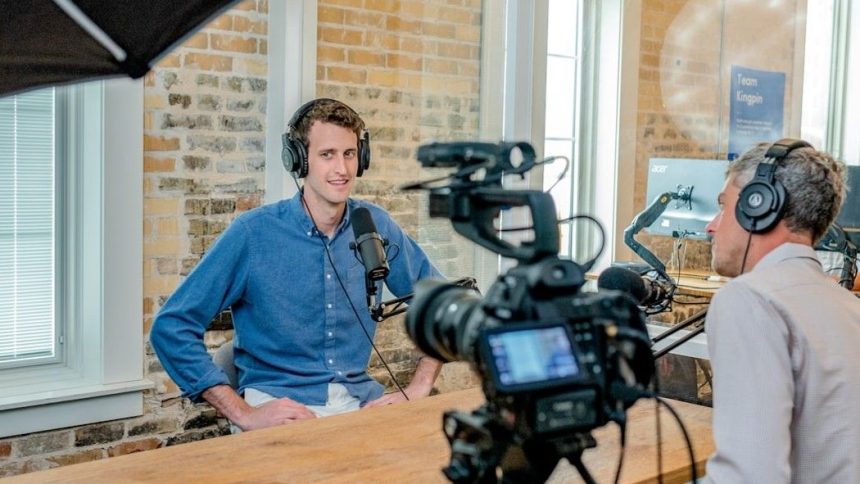
Press tours and media interviews are, in many ways, a second performance. The camera is still rolling, the audience is still watching, and what an actor says off-screen can quietly shape their entire career as powerfully as anything they do on it. Yet time and again, the same verbal patterns surface during junkets, late-night appearances, and red-carpet chats, raising eyebrows among the people who actually hold the keys to Hollywood’s next big project.
Casting directors, publicists, and industry veterans have grown increasingly vocal about a specific set of phrases and habits that undermine actors in public settings. Some are rooted in overconfidence, others in poor preparation, and a few simply reveal a misread of the room. Here’s what they consistently flag as the most damaging things an actor can say out loud.
1. “I Did My Own Research” When Discussing the Role

Claiming to have “done your own research” sounds diligent on the surface, but in the context of discussing a film or character, it often lands as vague and unpersuasive. Casting directors use interviews to learn about the specific experience an actor brings to a role, especially when a project involves advanced techniques or unique environments, where an actor’s ability to perform in a particular style directly affects their chances of being hired. Talking in generalities about “research” without specifics tells the room very little.
The phrase also carries an unfortunate cultural association now, one that makes it sound defensive rather than informed. Industry observers note that actors who speak concretely about the preparation they actually did, such as specific dialect coaching, physical training, or archival study, project far more credibility. Communicating enthusiasm through the degree of preparedness is a far more effective signal to anyone on the hiring side of a conversation. Vague claims of research, without substance behind them, tend to ring hollow quickly.
2. “I’m Not Political” Right Before Saying Something Very Political
Few phrases set off more internal alarms among Hollywood insiders than an actor opening with “I’m not political” and then proceeding to share a pointed opinion on a charged topic. The disclaimer doesn’t actually insulate anyone from the comment that follows. It tends to make the speaker look either unaware of the contradiction or unwilling to own their position, neither of which plays well in an era when audiences are exceptionally attuned to authenticity. Audiences now have finely tuned detectors for inauthenticity, and overly polished or carefully managed narratives, when not backed by genuine conviction, tend to backfire.
The smarter move, according to those who advise talent through press cycles, is simply to say what you mean or say nothing at all. A quiet “I’d rather not comment on that” carries more dignity than a preemptive disclaimer followed by a headline-generating remark. Audiences increasingly want realness rather than PR-filtered responses, and that expectation extends to political positioning during interviews. Trying to have it both ways rarely works, and industry observers have long memories for the moments it didn’t.
3. Casually Badmouthing Directors or Co-Stars
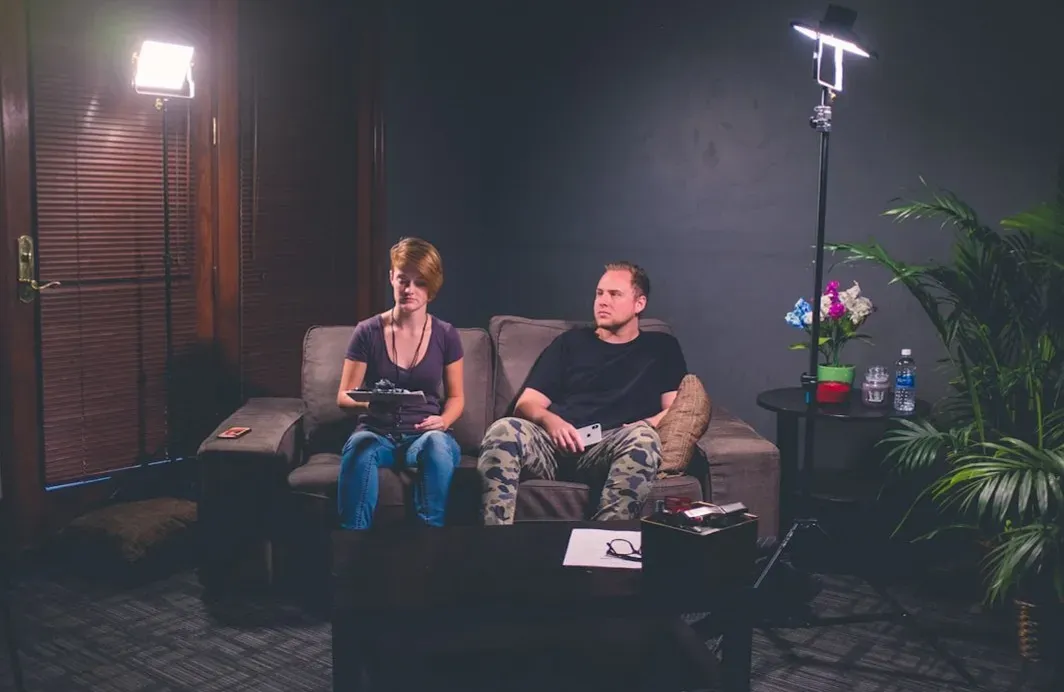
It happens more often than it should. An actor, relaxed in a junket setting or convinced the camera is somehow less formal than it looks, lets slip a cutting remark about a director’s methods or a co-star’s behavior on set. The short-term satisfaction of the candid moment rarely survives contact with the wider industry. Nobody enjoys being trash-talked, but when both parties are high-profile, it becomes a multilayered personal and professional attack that plays out publicly as a workplace dispute.
A bad attitude alone won’t get an actor hired, and many are unaware that they present attitudes in interviews that serve as red flags to casting directors, producers, and directors, signaling that this actor may not be easy to work with on set. The Blake Lively and Justin Baldoni situation, which dominated entertainment news throughout 2024 and into 2025, is a stark recent reminder of how swiftly a press tour can turn, with public perception shifting dramatically based on behavior patterns observed across multiple interviews. The people making hiring decisions watch all of it.
4. Overpraising Every Single Collaborator in Identical Terms
There’s a version of interview professionalism that tips so far into scripted warmth that it reads as hollow. Actors often find themselves on a loop of repeating the same lines, the same praises toward their director and team, the same promotion of the movies they’re in, which can feel like they’re running on a script they quietly resent. Audiences pick up on that flatness faster than most actors realize. When every collaborator is “the most incredible human being I’ve ever worked with,” the phrase stops meaning anything.
The phenomenon is well-documented: when an actor repeats the same polished compliment about a collaborator throughout an entire press tour, it tends to generate jokes rather than genuine warmth. The fix isn’t cynicism. Specific, grounded observations about what actually made a director’s or co-star’s contribution distinct are far more compelling and believable than generic superlatives. Audiences don’t need stars to be perfect; they need them to be real. Recycled praise is the enemy of that goal.
5. “I Just Play the Character – That’s Not Really Me”
Distancing yourself from a controversial character can feel like smart self-preservation during a press tour. Depending on how it’s phrased, though, it often achieves the opposite. When an actor repeatedly emphasizes that a role has nothing to do with who they are as a person, it raises questions about their actual investment in the work. Casting directors are specifically looking for actors who don’t lose sight of what makes them individually compelling, since it’s precisely that personal quality that elevates a character from words on a page into something three-dimensional.
There’s also a credibility issue. Actors build careers on their ability to inhabit characters convincingly, so claiming total separation from the role inadvertently undermines the craft itself. A confident actor not only believes in their talent but also owns their weaknesses and stays genuinely open to feedback and other perspectives, which is a very different posture from deflecting questions with blanket disclaimers. Interviewers and industry insiders notice when the deflection feels reflexive rather than considered.
6. Lying or Exaggerating About Their Preparation and Process

Method acting war stories have become something of a press tour currency, with actors describing extreme preparation choices in ways that seem designed to generate headlines rather than illuminate the work. The problem is that these claims don’t always hold up, and the internet has become very good at cataloguing inconsistencies. Deceiving the press has a long tradition in Hollywood, but actors who are caught in even small fabrications find the damage surprisingly durable. Audiences in 2026 cross-reference stories with old interviews, social media posts, and set reports with a thoroughness that would have been unimaginable two decades ago.
Stories about extreme on-set behavior, such as staying relentlessly in character or sending unusual gifts to co-stars, raised significant eyebrows during past press tours, with the public reacting with skepticism rather than admiration. Beyond the audience, the professionals in the room are paying equal attention. A casting director can use any interview setting to learn about an actor’s ability to receive feedback gracefully and formulate a professional response, since actors regularly face immediate reviews and assessments of their work. Exaggerated process stories can signal someone who is more concerned with perception than with actual craft, and that’s a costly signal to send.
The through line across all six of these habits is the same thing: a gap between what an actor projects and what the industry actually sees. Press interviews are not a secondary part of an acting career. For many decision-makers, they’re the clearest window into what it would actually be like to work with someone. Closing that gap, through specificity, honesty, and a willingness to simply say less when there’s nothing real to add, tends to be the most quietly effective career move an actor can make.