
Hollywood has always been good at manufacturing wonder. Audiences see polished performances, beaming smiles, and the apparent effortlessness of talented young performers doing what they were “born to do.” What rarely makes the press releases is the machinery behind those performances: the grueling schedules, the financial pressures placed on young shoulders, the adults in the room with everything to gain and very little accountability.
It often takes decades before the truth surfaces. Some of these performers needed years of distance, therapy, and the courage that comes only with age before they could name what had actually happened to them. When they finally did, the picture they painted was consistent enough to form something more than individual complaint. It looked a lot like a pattern.
1. Judy Garland – Medicated, Monitored, and Silenced at MGM
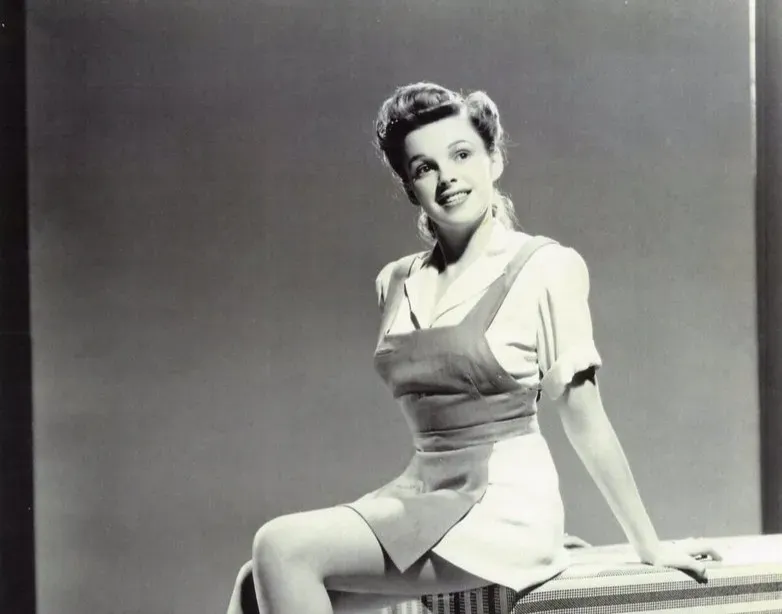
According to biographers, when Garland was just ten years of age, her pushy stage mother would drug her with stimulants so she would stay awake for 72-hour shoots, only to then force-feed her sleeping pills when she wasn’t required on set. This brought about medical dependencies that would prove fatal in later life when she succumbed to an accidental barbiturate overdose. The studio’s own doctors continued what her mother had started, with MGM prescribing amphetamines and sleeping pills to keep her performing through exhausting production schedules.
Studio head Louis B. Mayer and the MGM bosses were reportedly already worried about any extra weight on the diminutive star, going so far as to refer to her as a “fat little pig with pigtails.” Both Garland and her co-star Mickey Rooney were stretched to the limit for the studio, and neither spoke of what they endured until years later. Disturbingly, Garland would still fear speaking out in public even in adulthood, hinting at the depth of control exerted over her during those formative years.
2. Macaulay Culkin – Worked Relentlessly, with No Say in the Matter
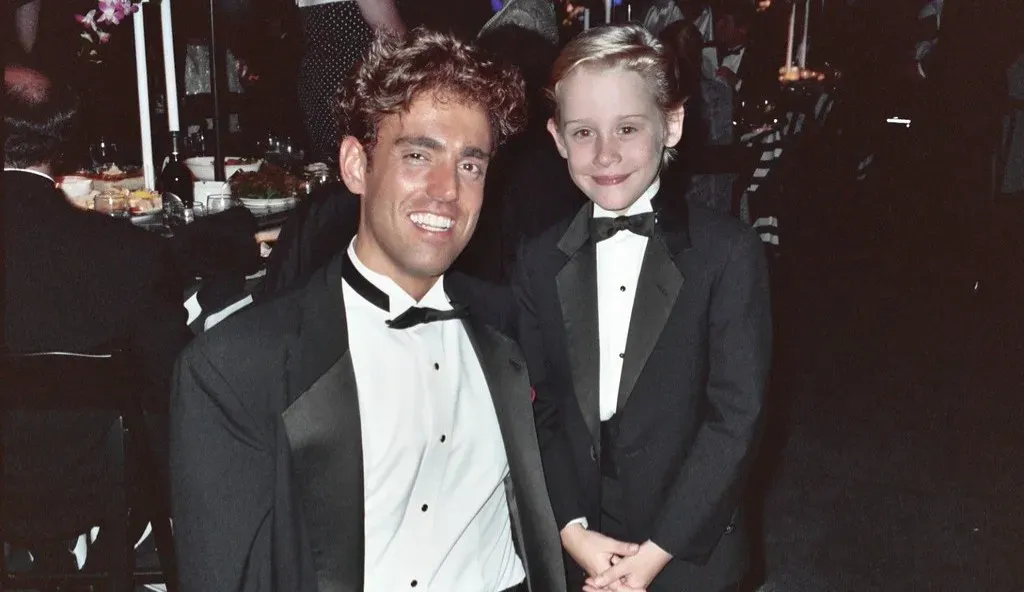
Macaulay Culkin experienced the pressures of living with a controlling guardian early on, divulging specific details during a 2020 interview with ABC News, where he revealed how his father worked him relentlessly during his early years as a child actor. All-night memorization sessions were the norm for the young actor, and his father reportedly kept getting his son cast in more movies without asking what the young actor actually wanted.
Macaulay Culkin eventually freed his finances from both of his parents. The separation was a long time coming, and the story of how a child who earned tens of millions of dollars had to legally wrestle control of his own money back from the adults around him says a great deal about the structural vulnerabilities of child stardom. It took him years in adulthood to speak about those experiences with any clarity, and when he did, it was without sentimentality.
3. Jennette McCurdy – A Career She Never Chose
It’s no surprise Jennette McCurdy’s memoir has been so widely read because it reveals the experience of being a reluctant child actor whose abusive mother pushed her into the career. McCurdy was pushed into the spotlight by her abusive mother, landing the role of Sam Puckett on “iCarly,” and in her memoir she recounted how “the Creator” pressured her into underage drinking and gave her an unwanted shoulder massage. Beyond her individual incidents, McCurdy has critiqued how child actors are treated like commercial assets, speaking candidly about feeling financially responsible for her family at a young age and about the pressure to maintain a profitable public persona, regardless of personal wellbeing.
The role of Sam also proved difficult for McCurdy, who was coping with anorexia and bulimia while playing a character who’s constantly eating. McCurdy has mentioned in several interviews that she received a letter saying the Coogan account was not properly filed and she has never seen the money that her mother was in charge of. Her 2022 memoir, “I’m Glad My Mom Died,” became a bestseller and opened a wider public conversation about the systemic failures that allowed her childhood to unfold the way it did.
4. Corey Feldman – Decades of Silence About Abuse in the Industry
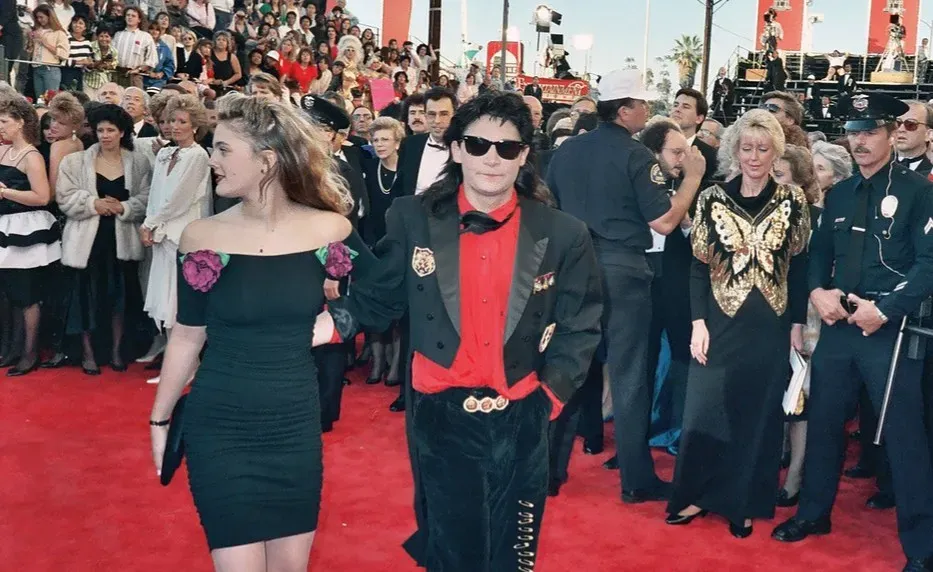
Worth close to a million dollars by age 15, Corey Feldman has spoken candidly about his struggles as a child actor, saying he turned to drugs and alcohol as a way to escape abuse from his mother and the sexual abuse he suffered while in the film industry. Feldman was a popular child actor in the ’80s, with roles in hit movies like Stand by Me, The Goonies, and The Lost Boys, but his success as a child actor was accompanied by a dark side of Hollywood, which he spoke out about only in recent years.
Feldman was charged with possession of heroin in 1990 – his second narcotics-related charge that year – and he told ABC that he underwent a 10-month rehabilitation process to recover from his addiction to heroin. Now sober for over three decades, he told Salon that he “never looked back or showed up high on a set or got arrested again.” His willingness to speak about what happened to him – and to others – in the industry came only after years of personal cost, including public dismissal of his claims when he first raised them.
5. Jake Lloyd – One Role, a Lifetime of Consequences

Jake Lloyd was 8 years old when he was cast in 1999’s Star Wars Episode I: The Phantom Menace. It should have been a dream come true, but the aftermath was a nightmare. After the film’s release, some fans attacked Lloyd for his performance as young Anakin Skywalker – not just criticism of the movie or acting choices, but personal attacks that escalated to death threats. In a 2012 interview, the Star Wars actor stated that his childhood was a “living hell” and he even had to deal with bullying at school.
The relentless pressure forced him to retire from acting in 2001, after a short stint of fame. The bullying was so intense he developed a severe mental illness. Jake has since been diagnosed with paranoid schizophrenia, though he also has a symptom called anosognosia, which causes a lack of insight into his illness. It took him more than a decade to speak publicly about what his childhood had cost him, and by then the damage was already deeply entrenched.
6. Drew Barrymore – Fame at Birth, Rehab at 12

Drew Barrymore is from a family of famous actors and began working as a baby, becoming famous in her own right through E.T. the Extra-Terrestrial and Firestarter. She has been open about her troubled childhood and the fact that she wound up in rehab at age 12 for drug and alcohol use. On her own show, she shared how hard it has been to keep “running” her whole life, and how many inappropriate situations she was subjected to as a child.
At a young age, her father abandoned the family. Her early acclaim with “E.T. the Extra-Terrestrial” was followed by a childhood always in the public eye. Barrymore also struggled with substance use at a young age and, as a result of her behavior and mental health, was sent to rehab on multiple occasions. The fuller picture of what she went through only emerged gradually over many years of candid interviews and her own memoir, making her story one of the most publicly visible examples of what an unprotected child in Hollywood can face.
7. Demi Lovato – Pressure, Performance, and the Cost of a Disney Childhood
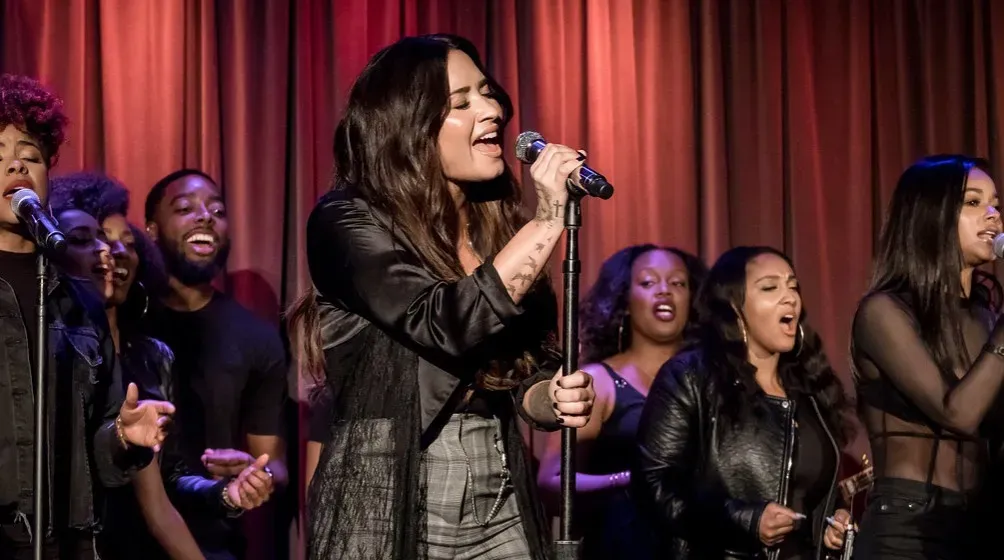
Demi Lovato, who got her start on Barney and Friends at 10, has openly talked about her struggles with early fame, revealing in the Hulu series “Child Star” that much of it came down to how she felt about herself as she grew. Lovato grew up under immense pressure as a Disney Channel child to look, behave, and perform in a certain way, while dealing with the responsibilities of being her family’s provider, which eventually led her to harmful coping mechanisms.
Lovato noted the grueling hours and stress, saying addiction, self-harm, and mental health issues began to take hold as the pressures of work increased. In recent years, the child stars of a previous generation have started speaking out about their experience growing up in the industry, and most of them have tales of abuse, loss of childhood, lack of bodily autonomy, and poor mental health directly related to the time they spent on sets and auditions as kids. Lovato became one of the most prominent voices in that conversation, though she waited until adulthood to speak with real honesty about how young she had been when the damage began.
8. Bella Thorne – Keeping Secrets Behind a Disney Smile

Though her image was bubbly and family friendly, Thorne later revealed her childhood was colored by sexual abuse, financial pressures, and deep psychological strain. In 2018, Thorne publicly revealed she had been molested for years as a child, a reality largely invisible to the child audience watching her on television. This admission reframed how many people interpreted her turbulent transition into adulthood, as she had been dismissed as just another child star gone wild.
While her abuse occurred in her personal life rather than on a Disney set, Thorne has said that entering Hollywood as a child worsened her vulnerability. Becoming the primary breadwinner at a young age accelerated her exposure to adult expectations before she was emotionally equipped to process them. Thorne has also criticized the way child stars are pushed to maintain polished public personas while privately navigating trauma, describing feeling trapped between Disney’s wholesome image and the complicated reality of her personal life.
9. Drake Bell – Buried Trauma, Finally Named in Public

Drake Bell’s rise as a Nickelodeon star began on “The Amanda Show.” Working on the show, he regularly interacted with dialogue coach Brian Peck. While Bell’s father had suspicions about Peck, others assumed he was just being friendly. Before moving on to “Drake and Josh,” Bell was sexually abused by Peck, who would only be sentenced to 16 months. Bell’s career proceeded, although the trauma stayed with him as he faced other personal demons. After keeping his pain buried for years, Bell spoke publicly about the abuse for the first time in 2024, beginning the healing process.
The documentary series “Quiet on Set” is a five-part series that uncovers the dark side of production at Nickelodeon TV shows in the 1990s and 2000s, and includes interviews with many of the actors who worked on the show as kids, including allegations of verbal harassment, sexism, and the sexualizing of children on set. Bell’s decision to speak in that documentary represented a turning point not just for him personally, but for public awareness of what certain production environments had permitted. For many who watched him as a teenager, his revelation arrived roughly two decades after the harm was done.
The timeline is almost always the same: years or decades of silence, followed by a reckoning that comes only when the performer has enough distance, safety, or support to finally name what happened. The gap between experience and disclosure is not a mystery. It reflects how much power these industries held over the youngest people in the room, and how long it can take for that power to loosen its grip.