There’s a strange quirk in Hollywood that rarely gets discussed outside of press junkets and late night couches: some of the most celebrated actors alive cannot bring themselves to watch their own work. It sounds almost unbelievable given the industry runs on ego and visibility, yet the pattern holds across generations and genres. From Oscar winners to franchise leads, a surprising number of A-listers have built entire careers while actively avoiding the finished product.
Denzel Washington
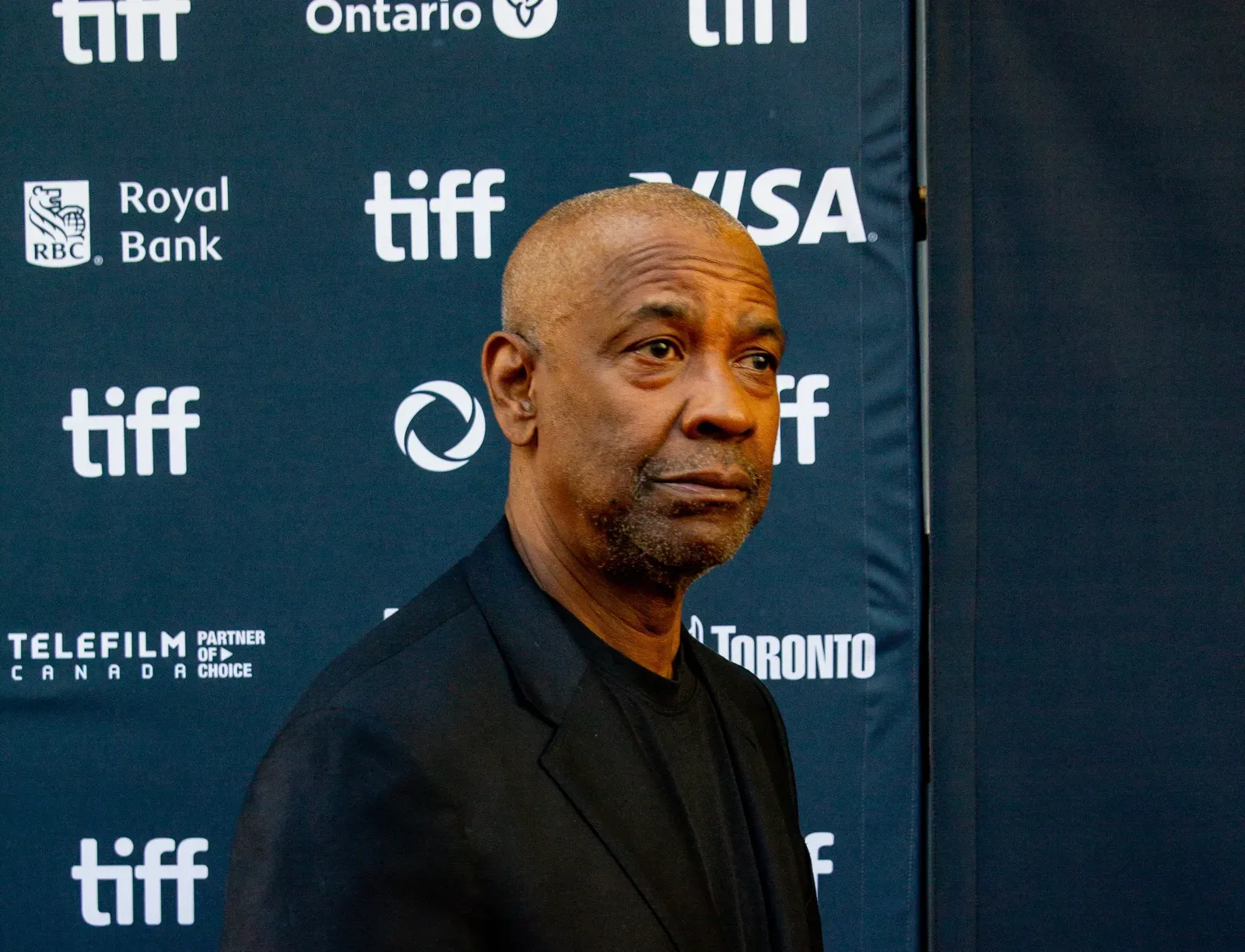
Denzel Washington has been one of the most consistently bankable and critically respected actors of his generation, yet he has openly admitted he barely watches his own filmography. Speaking to The Times while promoting Gladiator II, Washington claimed, “I haven’t watched any film from my past from start to finish, not even ‘Malcolm X.'” That admission alone is striking given how frequently Malcolm X appears on lists of the greatest performances of the 1990s.
He didn’t stop there either. Washington continued, “After ‘Malcolm X’ I made some real clunkers.” The remark, half joke and half confession, suggests his avoidance isn’t rooted in vanity but in a general disinterest in revisiting past work, even the films widely considered classics like Philadelphia or Flight.
Javier Bardem
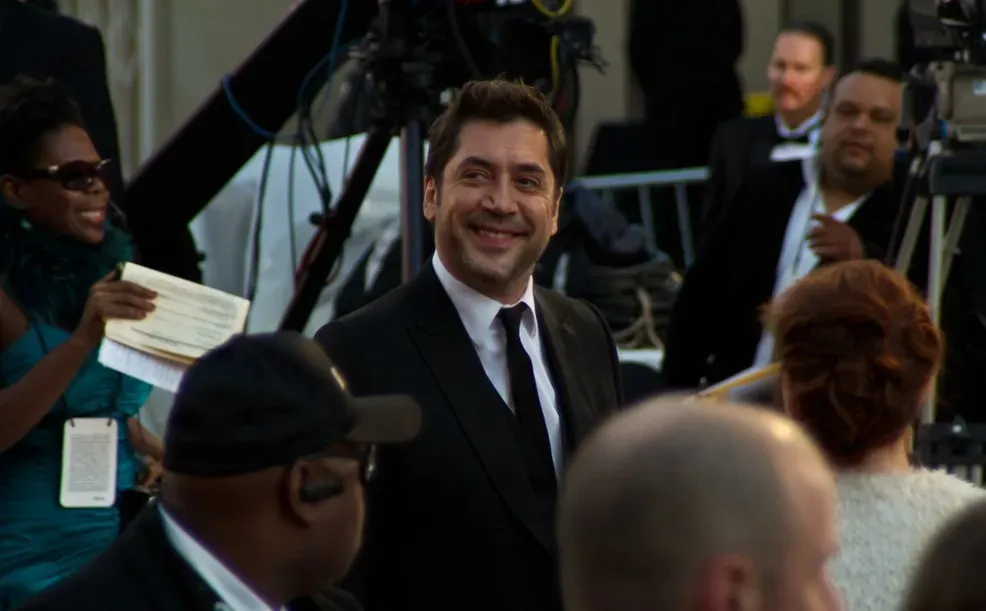
Javier Bardem’s discomfort with his own screen presence has been documented for well over a decade now, and it hasn’t softened much with time. Back in 2012, he told GQ plainly that enjoying the craft of building a character doesn’t translate into enjoying the result. He told the publication, “The fact that I like to make characters doesn’t mean that I like to watch my characters being made.”
In a separate interview, Bardem got even more specific about what exactly bothers him. He explained he simply cannot watch his own performances, saying “I can’t even watch that f****** nose, that f****** voice, those ridiculous eyes.” It’s a rare level of physical self-consciousness from an actor who won an Oscar for playing one of cinema’s most unsettling villains in No Country for Old Men.
Reese Witherspoon
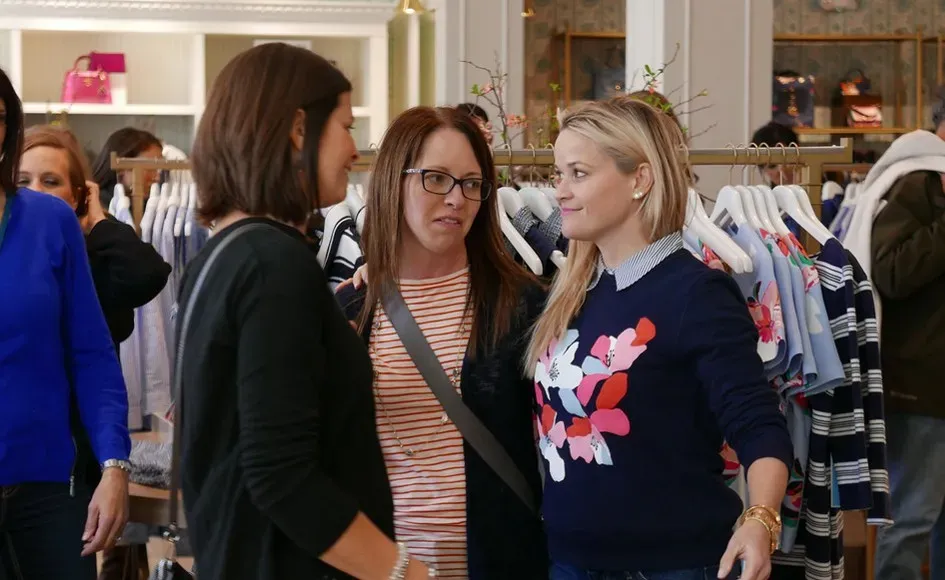
Reese Witherspoon has spent decades in leading roles, from teen comedies to prestige dramas, yet she treats her filmography almost like a closed book. Witherspoon never watches her own movies because for her, acting is a creative moment that remains with her until she is done with the project. Once a shoot wraps, the emotional and creative investment seems to end there too.
What makes her case particularly candid is how she frames the psychological cost of watching herself back. She has said that she has an “absolute amnesia about every movie” and if she watched them, she would “spiral into a state of self-hate.” By keeping that distance, she’s essentially protecting her own confidence as a working actor rather than letting critical self-judgment creep in.
Jared Leto
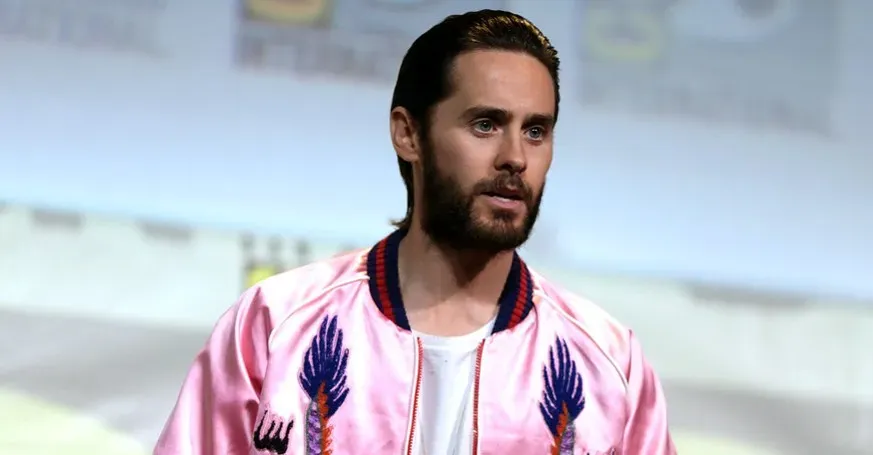
Jared Leto’s case stands out simply because of the sheer length of time involved. The ‘Requiem of a Dream’ star claims that he hasn’t watched himself on screen in over 20 years, which he admitted in a 2021 interview. That’s a two decade gap covering an Oscar win and dozens of high profile roles he has apparently never revisited.
His reasoning ties directly into the same self critical spiral other actors describe. Leto doesn’t watch his films because he believes he would think of all the ways he could have done better. According to other reporting, the actor admitted the last time he sat through a whole movie was for Requiem for a Dream, and that was because Darren Aronofsky made him watch it.
Joaquin Phoenix
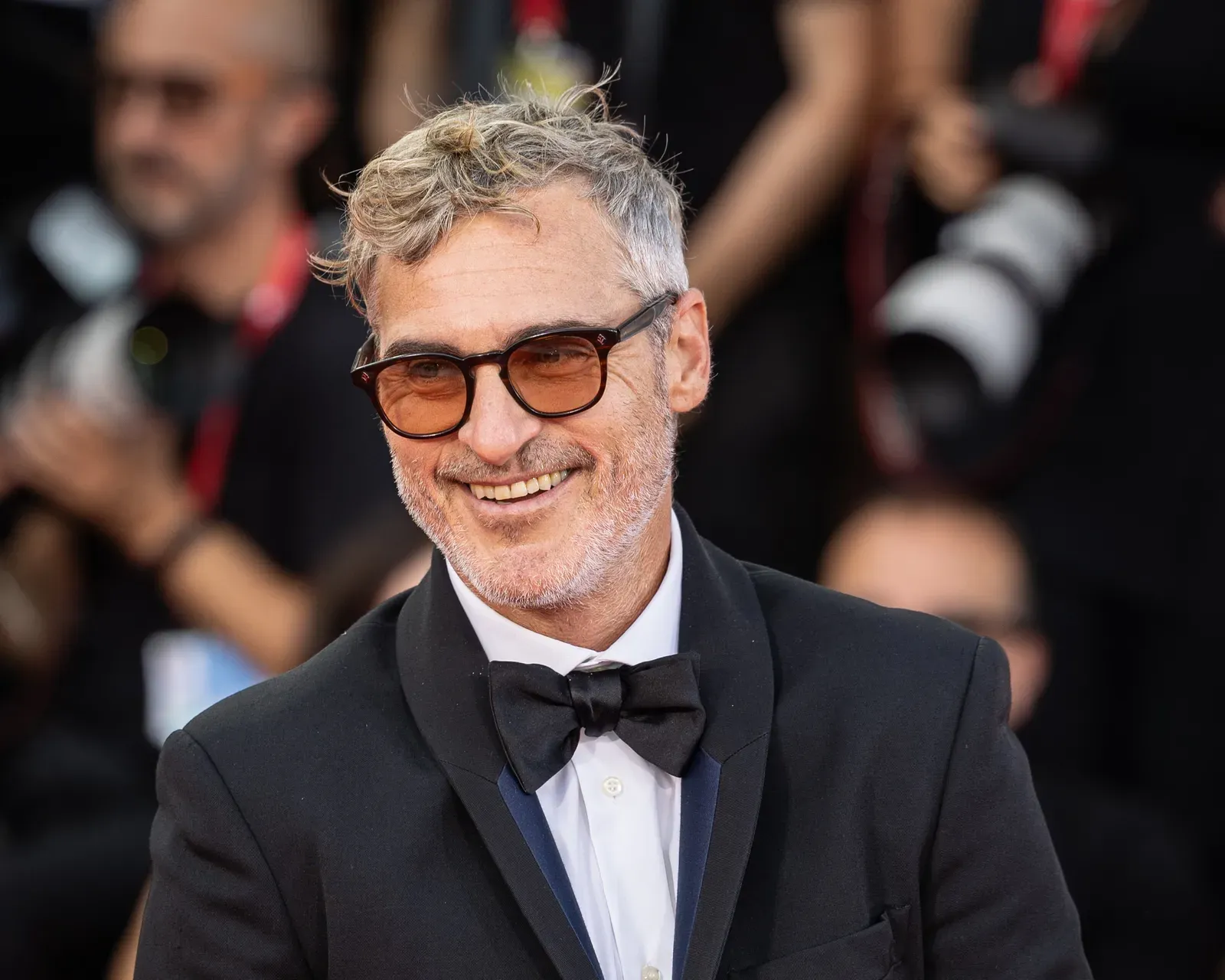
Joaquin Phoenix has built a reputation as one of the most intensely private and introspective actors working today, and his approach to his own films fits that persona closely. In a 2020 interview with The Guardian, he said, “I avoid watching myself because I’m not interested in evaluating my own work. I know I’ll focus on what I did wrong, and I’ll never be able to look at the character the same way again. It’s a cycle of negative thinking, and I prefer to avoid it.”
There’s a practical career logic underneath the psychology too. Another key reason why Joaquin Phoenix avoids watching his own films is his desire to keep moving forward in his career, preferring to focus on new challenges rather than revisit old ones. For an actor known for disappearing into demanding, often exhausting roles, that forward momentum seems to matter more than looking back at what he’s already done.
Keira Knightley

Keira Knightley’s relationship with her own filmography is a little more nuanced than an outright refusal, but the pattern still lands squarely in this category. Speaking on BBC Radio 2’s The Scott Mills Breakfast Show, she explained that her relationship with a piece of work is different from how audiences view it, and that she either hasn’t watched her films or has only watched them once, because it’s not a particularly lovely experience watching your own face back at you.
Her comments on Love Actually, one of the most rewatched holiday films of the last two decades, are especially telling. She said, “I have only seen Love Actually once. I saw it at the premiere and I have never seen it again. I think I was 18. So, over 20 years ago, I saw Love Actually.” She’s also admitted this avoidance extends further, including at least one Pirates of the Caribbean installment she’s never seen at all.
What ties these six stories together isn’t insecurity in the traditional sense, but rather a shared instinct to protect the creative process from the scrutiny that comes after release. For actors who spend months disappearing into characters, watching the final cut can feel less like celebration and more like an audit of every choice they made. It’s a peculiar contradiction of the profession: the people responsible for some of cinema’s most memorable performances are often the last ones in the room willing to watch them back.