Some bands fade out slowly, worn down by declining sales or half-empty arenas. Others walk away while the lights are still blazing, leaving fans to wonder what might have come next. The bands on this list all shared one thing: they split not because the music had run dry, but because something else, ego, exhaustion, grief, or simple incompatibility, got in the way first.
1. The Beatles
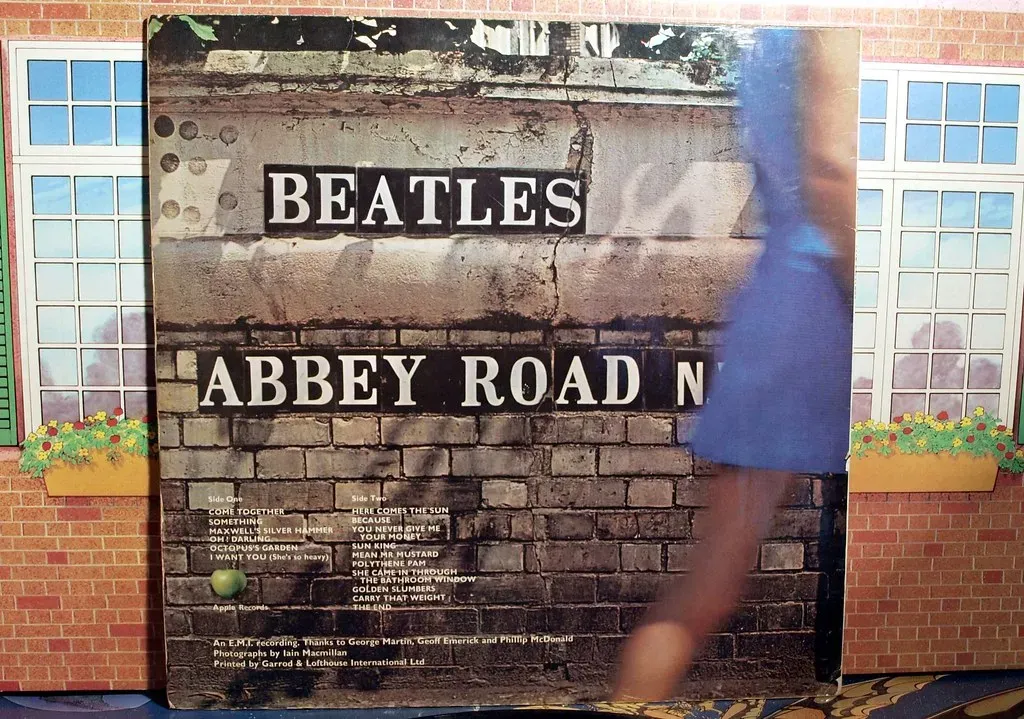
By 1969, The Beatles were arguably the biggest cultural force in the world, yet the band that had redefined popular music for a decade was quietly falling apart behind the scenes. Business disputes over Apple Corps, the growing influence of new partners and managers, and diverging creative directions among the four members created friction that studio time alone couldn’t fix. Paul McCartney announced his departure in April 1970, though tensions had been building for well over a year before that.
Their final studio album, Abbey Road, is often cited by critics as one of the finest records of their career, released while the group was already unraveling. Let It Be followed as a farewell of sorts, capturing a band that could still make extraordinary music even as they could barely stand being in the same room. Few splits in music history carry the same weight, mostly because so few bands have ever mattered as much culturally while calling it quits.
2. Cream

Cream lasted barely two years as a functioning unit, yet in that short window Eric Clapton, Jack Bruce, and Ginger Baker helped invent the template for rock power trios. Their improvisational live shows and albums like Disraeli Gears made them one of the most commercially successful acts of the late 1960s. The problem was that the same intensity that fueled their music off stage, particularly the long-running rivalry between Bruce and Baker, made the band nearly impossible to sustain.
Clapton later admitted he grew tired of the volume and showmanship expected of the group, feeling it had drifted from the bluesier sound he originally wanted. Cream played farewell shows at London’s Royal Albert Hall in November 1968, right as their popularity in America was still climbing. It remains a case study in how personal friction can end a band even when the commercial numbers say otherwise.
3. Talking Heads
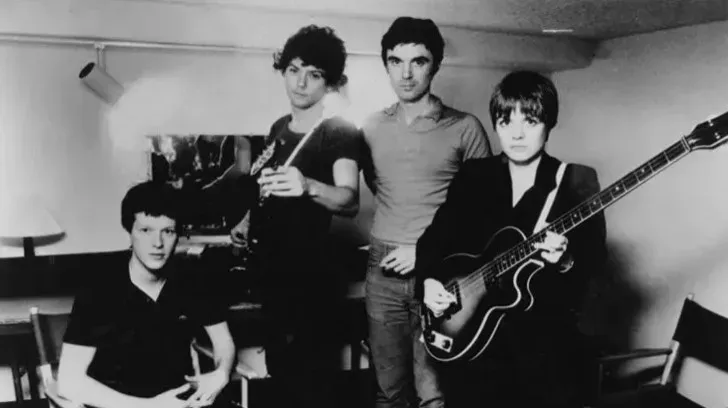
Talking Heads spent the early 1980s pushing art rock into new territory, blending funk, African rhythms, and postpunk energy into albums that critics still point to as genre landmarks. The band ended all too soon when frontman David Byrne decided to take the band off the road in 1984 and end it forever seven years later. The gap between those two moments tells its own story, a band that kept working while its center of gravity slowly shifted toward one person.
Leadership issues, which were never smoothed over, led to their breakup in 1991. It’s believed that Byrne had been telling the other members for years that he wanted the band to break up, but they ignored him for their own purposes. Despite disbanding in 1991, Talking Heads reunited briefly for their Rock and Roll Hall of Fame induction in 2002, a single reunion that only underlined how final the split really was.
4. The Smiths
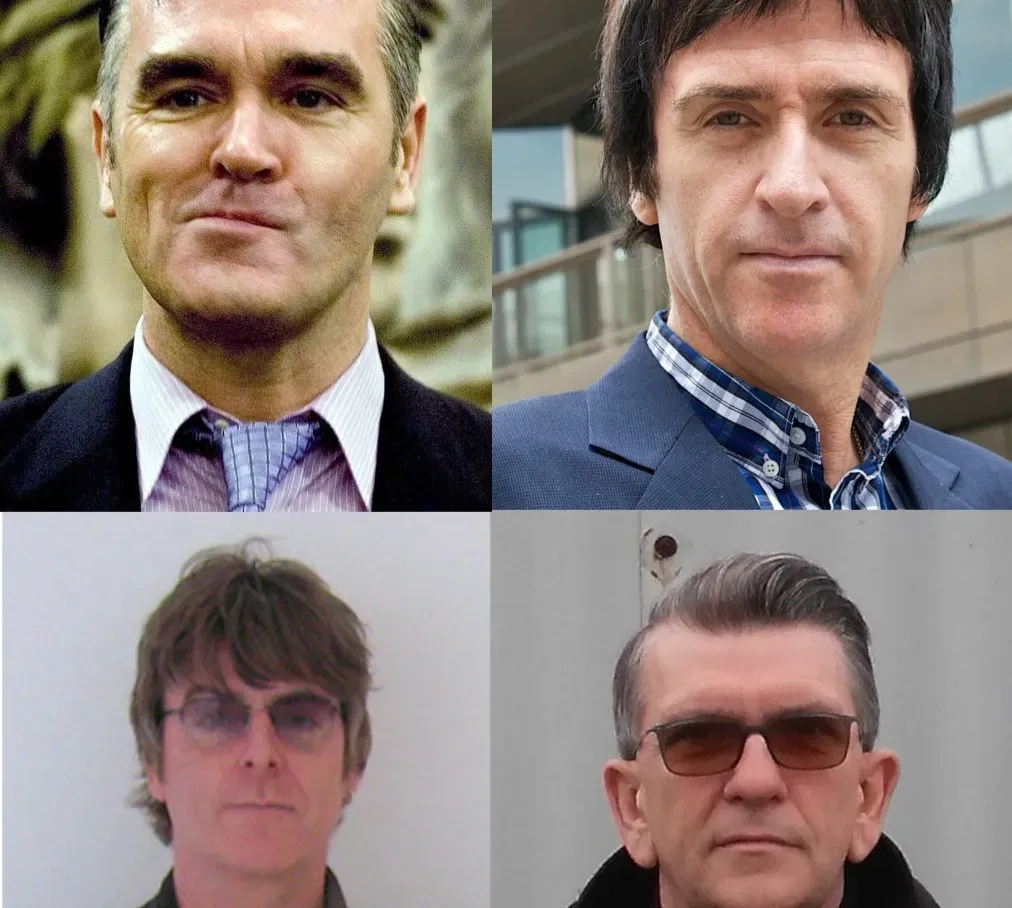
The Smiths released four studio albums in five years, a run that produced some of the most influential guitar pop of the 1980s and turned Morrissey and Johnny Marr into one of rock’s most celebrated songwriting partnerships. By 1987, though, the relationship between the two had become strained by touring fatigue, management disputes, and creative disagreements that neither side seemed willing to compromise on. Marr’s departure that year effectively ended the band, even though no formal breakup announcement followed immediately.
What makes The Smiths’ split notable is the timing. Strangeways, Here We Come, their final album, was released after the band had already ceased to function, and it was met with strong reviews that only fueled speculation about what a fifth album might have sounded like. Decades of rumored reunions have gone nowhere, largely because the personal rift between Morrissey and Marr never really healed.
5. Simon & Garfunkel
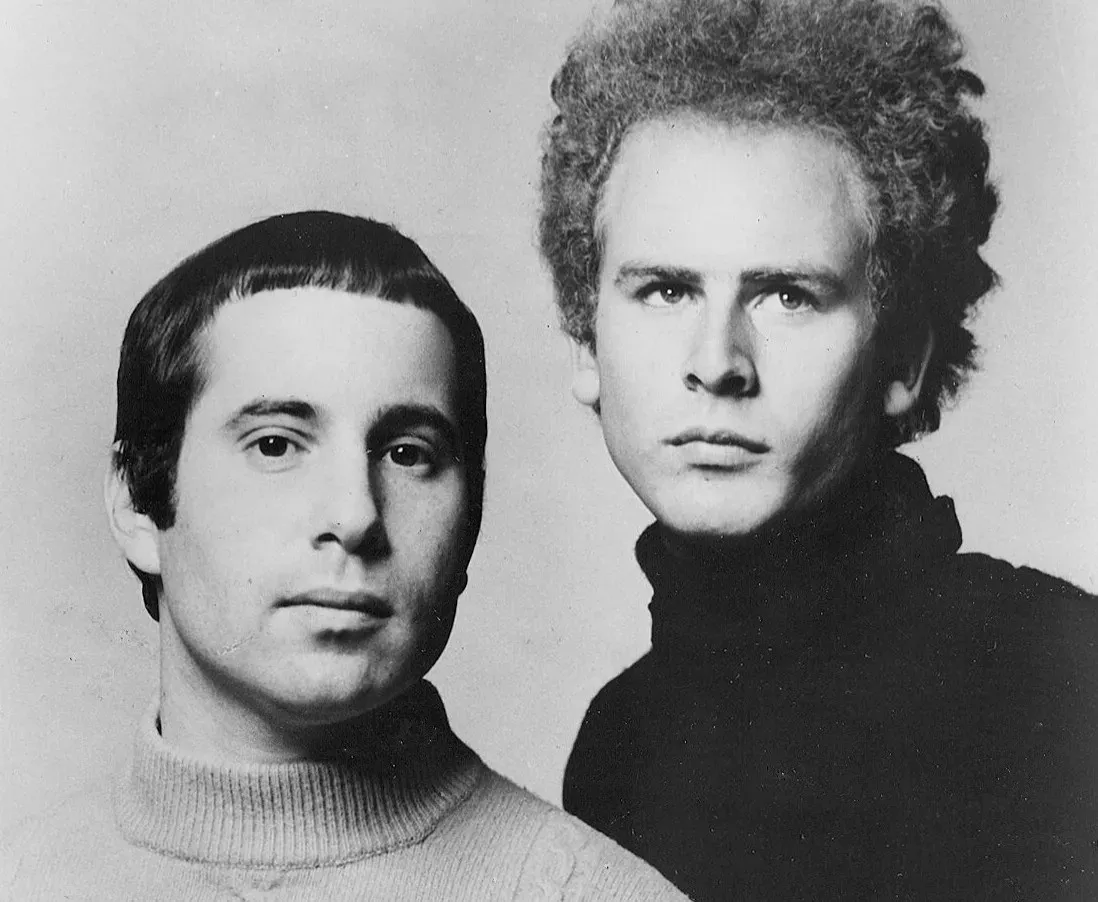
Paul Simon and Art Garfunkel had just delivered Bridge Over Troubled Water, an album that would go on to top charts worldwide and win multiple Grammy Awards, when they decided to stop working together in 1970. The tension wasn’t really about the music itself but about direction, with Simon increasingly frustrated by Garfunkel’s growing interest in acting and Garfunkel feeling boxed in by Simon’s dominant songwriting role. Their partnership had always carried an undercurrent of competitiveness dating back to childhood, and success seemed to sharpen rather than soften it.
They’ve reunited sporadically over the decades, including a famous 1981 concert in Central Park that drew hundreds of thousands of people, proving the demand for their music never really faded. Still, those reunions were always temporary, and the core duo never returned to making new studio albums together. It’s a rare example of a breakup driven almost entirely by two strong personalities who simply wanted different things.
6. The Police

By the time The Police released Synchronicity in 1983, they were one of the biggest bands on the planet, with Sting, Andy Summers, and Stewart Copeland selling out stadiums worldwide. Behind that success, the relationships within the band had grown increasingly tense, driven largely by Sting’s desire to pursue a solo career and ongoing disputes over songwriting credit. The band effectively stopped recording new material after that album, even though they didn’t formally announce a breakup right away.
Sting released his solo debut in 1985, and it became clear the group wasn’t coming back anytime soon. A brief attempt to record together in 1986 fell apart quickly, cementing what many had already assumed. The Police reunited for a hugely successful world tour in 2007 and 2008, but no new album ever followed, suggesting the creative chapter had genuinely closed back in the 1980s.
7. Oasis
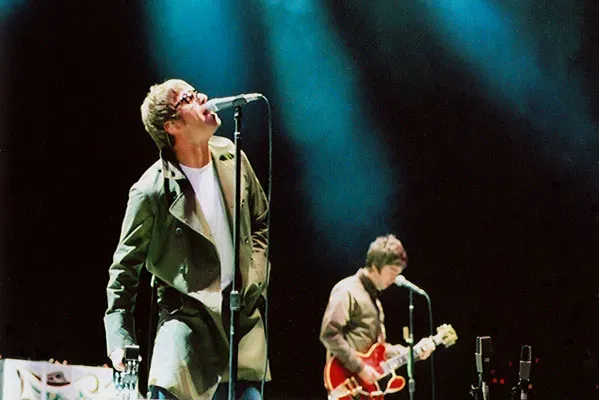
Oasis defined a generation of British guitar music through the 1990s, and even by 2009 the band was still filling stadiums and selling millions of records. Oasis defined the 1990s Britpop era with several hit songs before splitting in 2009 when lead guitarist and main songwriter Noel said he could no longer work with frontman Liam. It all came to a head at a Paris festival in 2009, with Noel smashing up one of Liam’s guitars backstage.
What followed was fifteen years of public sniping between the Gallagher brothers, making a reunion seem almost unthinkable. Brothers Liam and Noel Gallagher, estranged for more than 15 years, announced Tuesday the series of concerts set for next year, in the United Kingdom and Ireland. That reunion, the Oasis Live ’25 tour, became one of the biggest live music events of the decade, though even now no new studio album has been confirmed, leaving the door only partly open.
8. The White Stripes

Jack and Meg White built The White Stripes into one of the defining rock acts of the 2000s, with Seven Nation Army becoming an inescapable anthem and their stripped-down blues sound influencing an entire wave of garage rock revival bands. In the band’s heyday, they peaked at number three on Billboard 200 with their 2005 album, Get Behind Me Satan. By the time they called it quits, they were still commercially and critically relevant, not fading in any obvious way.
The White Stripes announced that today, February 2nd, 2011, their band had officially ended and would make no further new recordings or perform live. The reason was not due to artistic differences or lack of wanting to continue, nor any health issues, as both Meg and Jack were feeling fine and in good health. It was for a myriad of reasons, but mostly to preserve what was beautiful and special about the band and have it stay that way, a rare instance of a band choosing to end things deliberately rather than letting circumstance decide for them.
9. LCD Soundsystem

James Murphy’s LCD Soundsystem spent the 2000s building a devoted following through albums that blended dance music with a kind of wry, self-aware indie rock sensibility. By 2011, the band was arguably at its commercial and critical high point, having just released This Is Happening to widespread acclaim. Rather than push further, Murphy chose to end the project with a marathon farewell concert at Madison Square Garden, later documented in the film Shut Up and Play the Hits.
At the time, Murphy spoke about wanting to close the band’s story while it still felt meaningful rather than let it drag on past its natural conclusion. The break didn’t last forever, LCD Soundsystem reunited in 2016 and has continued releasing music since, but that initial decision to walk away at a high point remains one of the more thoughtful breakups in modern music. It’s a reminder that ending a band doesn’t always mean something went wrong.
10. Rage Against the Machine

Rage Against the Machine spent the 1990s fusing hip hop, metal, and overtly political lyrics into a sound that few bands before or since have managed to replicate. Formed in 1991 with Zack de la Rocha as vocalist, Tim Commerford on bass, guitarist Tom Morello, and drummer Brad Wilk, Rage Against the Machine embodied everything a great American rock band should be, and in an era of alternative rock and grunge, quickly became one of the most influential bands in the world. Their story includes not one but multiple breakups, each arriving at moments when the band still had significant momentum.
De la Rocha suffered a severe tear in his Achilles tendon just one and a half shows into their long-awaited 2022 reunion tour, forcing the cancellation of the remaining dates. Rage Against the Machine eventually called it quits again, with drummer Brad Wilk confirming the group would not be resuming their reunion tour or carrying on in any form, marking their third breakup following splits in 2000 and 2011. Even now, in 2026, there’s been no indication of another reunion, leaving what could have been one of rock’s great late-career runs unfinished.
Ten bands, ten different reasons, yet a common thread runs through all of them. Peak popularity rarely fixes what’s broken inside a band, and sometimes it’s the pressure of that very success that pulls things apart faster. What these groups left behind, whether it was one perfect album or a decade of work, still holds up because they stopped before the music itself started to suffer.