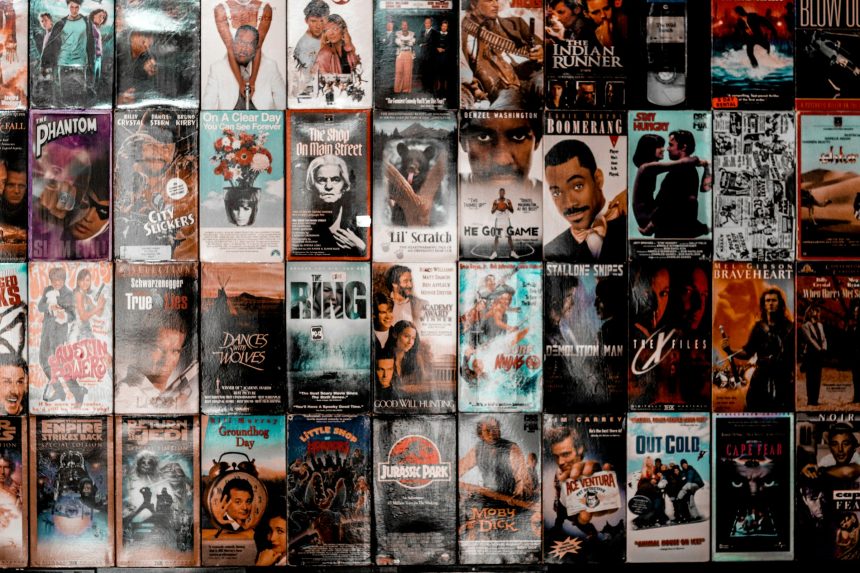
Not every movie gets the chance to finish out its run. Some films leave theaters not because audiences stopped caring, but because studios, censors, or protest groups decided the risk of keeping them on screens outweighed whatever money was left to make. The stories behind these early pulls are often stranger and more revealing than anything that happened in the movies themselves.
The Outlaw and the battle over Jane Russell
Howard Hughes spent years fighting censors over his 1943 western before it ever reached a wide audience, and the fight became part of the film’s identity. Although the film was completed in 1941, the Motion Picture Association refused to approve it due to the many lingering shots of Jane Russell’s cleavage. Hughes made cuts, but distributor 20th Century Fox decided not to release it.
When the film did finally reach theaters, its short runs were more about morality clauses than ticket sales. Distributors grew nervous about local backlash and censorship boards threatening to yank licenses, so the picture kept vanishing from marquees only to resurface later with fresh cuts. It became a strange case study in how a film could be commercially viable and still get treated like contraband.
Freaks and the audience that could not stomach it

Tod Browning followed his hit Dracula with something audiences were not prepared for at all. Movie lovers know Tod Browning best as the director of Dracula, but the following year saw Browning release Freaks, which was hugely controversial. Inspired by the short story “Spurs” by Tod Robbins, Freaks focuses on a traveling sideshow company and features real-life performers.
Theater owners reported walkouts and complaints almost immediately, and MGM found itself sitting on a film that alienated the very audiences it was made for. Rather than let the backlash fester, distribution was scaled back dramatically within weeks of release. The studio’s decision to cut its losses turned Freaks into a film that spent decades more famous for being banned than for being seen.
Silent Night, Deadly Night and the parents who fought back
This 1984 slasher managed to outrage an entire generation of parent groups almost overnight. The sight of murderous Santas shooting, slashing, stabbing, and impaling victims was too outrageous for 1980s America, and distributors pulled the movie after only one week. Advertisements were the first casualty, disappearing from local television before the film even opened wide.
Protests outside theaters made national news, with groups arguing the film exploited a beloved holiday figure to sell horror tickets to teenagers. Tri-Star, facing mounting pressure, chose to cut the theatrical run short rather than keep fighting angry parent organizations in every city it played. The controversy did the film’s reputation more long term good than the box office numbers ever could have.
Mr. Magoo and the backlash from disability advocates

Disney’s 1997 live action reboot of the classic cartoon character ran into trouble almost immediately after release. Unlike Jim Backus’ playful depiction of the character, this version of Mr. Magoo registered as harsh and unfunny with audiences, and disability activists condemned the film, prompting Disney to pull it from screens in less than three weeks. The film’s comedy leaned heavily on Magoo’s poor eyesight for laughs, which advocacy groups argued mocked visual impairment rather than simply referencing an old bit.
Disney found itself facing organized letter writing campaigns and press coverage that focused more on the controversy than the movie’s quality. Rather than let the story drag on through awards season and further reviews, the studio quietly shortened its theatrical footprint. It remains one of the clearer examples of activism directly shrinking a wide release.
Life of Brian and the theater chains that refused to show it
Monty Python’s religious satire faced resistance before most audiences ever got a ticket. Several theater chains, including Edwards Theaters, United Artists, and General Cinemas buckled under pressure and decided not to screen it. Religious groups organized boycotts and picket lines outside theaters that did commit to showing the film, arguing its depiction of Christ figures crossed a line comedy should not cross.
The pressure was not just moral outrage, it hit chains where it counted, with some venues fearing lost patronage from other films if they kept Brian on the marquee. Screens dropped city by city even in places where the film was drawing decent crowds. Ironically, the controversy helped cement the film’s cult status once it found a second life on home video.
Salo and a ban tied to a director’s mysterious death
Few films carry as heavy a real world shadow as Pier Paolo Pasolini’s final work. This horror art film remains controversial for its graphic depictions of sexual assault, violence, and murder, and it has also been linked to the murder of its director, although the case is shrouded in mystery. Although Salo debuted at the Paris Film Festival and entered Italian cinemas shortly afterward, it only lasted three weeks before being pulled and banned, and it also received bans in several other countries.
Italian authorities acted quickly once complaints piled up about the film’s extreme content, treating it less like entertainment and more like evidence in an obscenity case. The ban outlasted Pasolini himself, whose unresolved killing only deepened the sense that this was a film surrounded by real danger rather than manufactured hype. Decades later it remains restricted or edited in several countries.
Heaven’s Gate and the flop that reshaped a studio
Michael Cimino’s western became shorthand for Hollywood excess almost the moment it opened in New York. Unless you were living in New York in 1980, there’s a good chance you’ve never seen the first released cut of the film, because that version so underperformed critically and with audiences that it was pulled, and the world wide release was put on hold. It did come though about five months later, after Cimino had paired it down to a much shorter runtime, but it didn’t do much better the second time, grossing about 3.5 million dollars and only lasting in theaters for about two weeks this time around.
United Artists had bet heavily on Cimino following his success with The Deer Hunter, and the collapse became one of the most studied box office disasters in film history. Critics tore into the runtime and pacing, and word of mouth killed whatever curiosity remained after the reviews landed. The financial damage was so severe it contributed directly to the sale of United Artists itself not long after.
The Watcher in the Woods and Disney’s quiet retreat

Disney rarely pulls its own films this fast, which is part of what made this one notable. The result was disastrous, as The Watcher in the Woods was widely panned, and was pulled from theaters just 10 days after its glitzy premiere at the Ziegfeld Theater in New York. Bette Davis headlined the supernatural thriller, but the ending confused test audiences so badly that Disney scrambled to fix it.
Rather than let a poorly received cut keep playing and damage the studio’s family friendly reputation, executives yanked the film almost immediately. A reworked version with a new ending arrived roughly eighteen months later, though it never fully recovered the momentum lost in that first disastrous run. It stands as an example of a studio choosing brand protection over sunk marketing costs.
The Rocky Horror Picture Show and a flop nobody expected to matter
Few pulled films have had a stranger second act than this one. No film that flopped as hard as The Rocky Horror Picture Show did upon release has been rescued to such a degree by its fanbase, and it was such a disaster in 1975 that even the few theaters willing to give it a chance quickly pulled it. Twentieth Century Fox had little faith in the film once initial screenings underperformed, and conventional wide release plans were abandoned almost immediately.
What saved it was not a re-edit or a marketing pivot, but midnight screenings that slowly built a devoted following starting in 1977. After the tradition of screening it privately and developing a culture around the movie started to flourish in 1977, it eventually gained enough ground that the film has since grossed 170 million dollars worldwide. Few films illustrate as clearly how an early theatrical failure can still become a lasting cultural fixture.
The Man with the Golden Arm and a code that could not hold it back

Otto Preminger’s 1955 drama about heroin addiction openly defied the Production Code, and distributors had to decide how far they were willing to go with it. Despite pushback, theater owners and distributors seemed to think The Man with the Golden Arm was too important to withhold from the public. Some venues still faced local pressure to shorten runs once religious and civic groups objected to the film’s frank depiction of drug use.
The controversy did not kill the film outright, but it did shrink its footprint in more conservative markets where theater owners preferred to avoid the fight altogether. Preminger released it without a Production Code seal, which was itself an act of defiance that rattled the old studio system’s grip on content. The film’s uneven theatrical life became part of a larger shift toward directors and distributors testing just how much the Code could actually enforce.
Final Thoughts
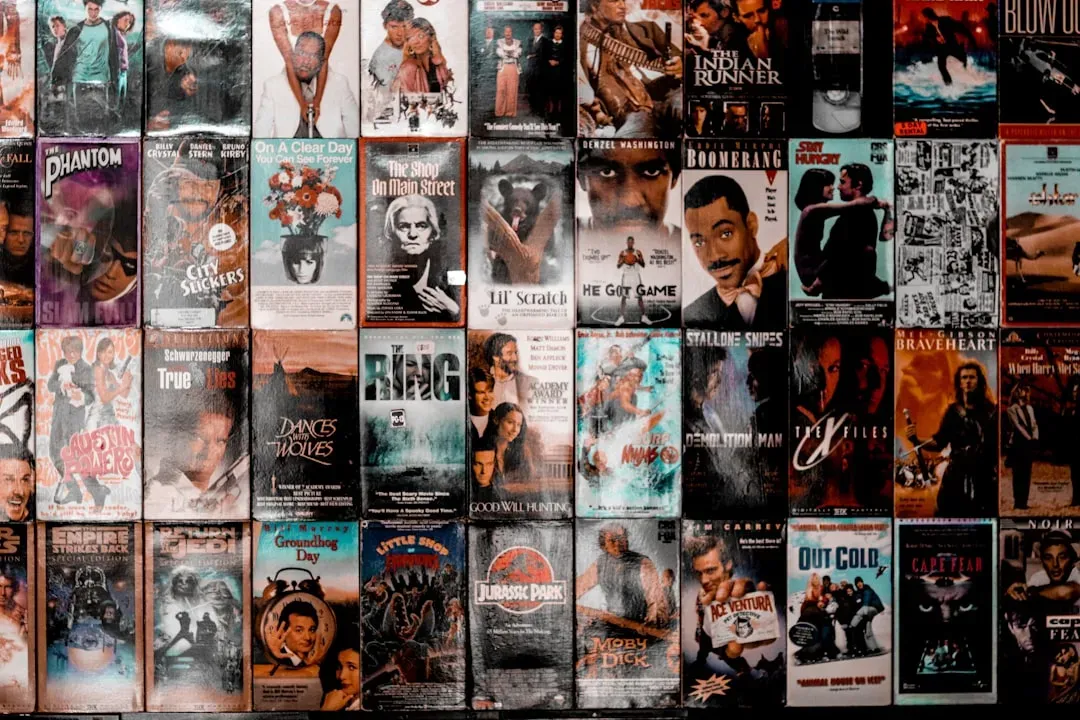
Looking back at these nine cases, a pattern emerges that has little to do with quality and everything to do with pressure. Sometimes it came from censors, sometimes from protest groups, and sometimes simply from studios cutting losses once the writing was on the wall. What is striking is how often the early pull became part of the film’s legend rather than the end of its story, proving that a short theatrical run does not always mean a short cultural life.