Some movies get it right the moment they open. Others sit quietly for years, dismissed or ignored, until a video store shelf, a late-night cable slot, or a stubborn group of fans gives them a second chance. What follows are eight films that stumbled badly on their first release and then, through pure persistence and word of mouth, became some of the most beloved titles in film history.
The Shawshank Redemption (1994)
When Frank Darabont’s prison drama opened in the fall of 1994, almost nobody showed up. Despite racking up seven Oscar nominations, The Shawshank Redemption tanked at theaters, pulling in just $16 million against its $25 million budget. Part of the problem was timing, since it was released in September 1994, when Forrest Gump was still making tons of money in theaters and Pulp Fiction was just a few weeks away from taking the world by storm, overshadowing it entirely.
The turnaround came through an unlikely channel: the video store. In 1995, Warner Bros. made the bold decision to distribute 320,000 VHS rental copies of the movie, which seemed like a gross overshoot at the time considering its lack of commercial popularity. That gamble paid off, as the movie found its way onto VHS and became the top video rental of 1995, and regular airings on cable television sealed its reputation. Today it sits atop IMDb’s user rankings, a strange fate for a film once considered a financial disappointment.
Blade Runner (1982)
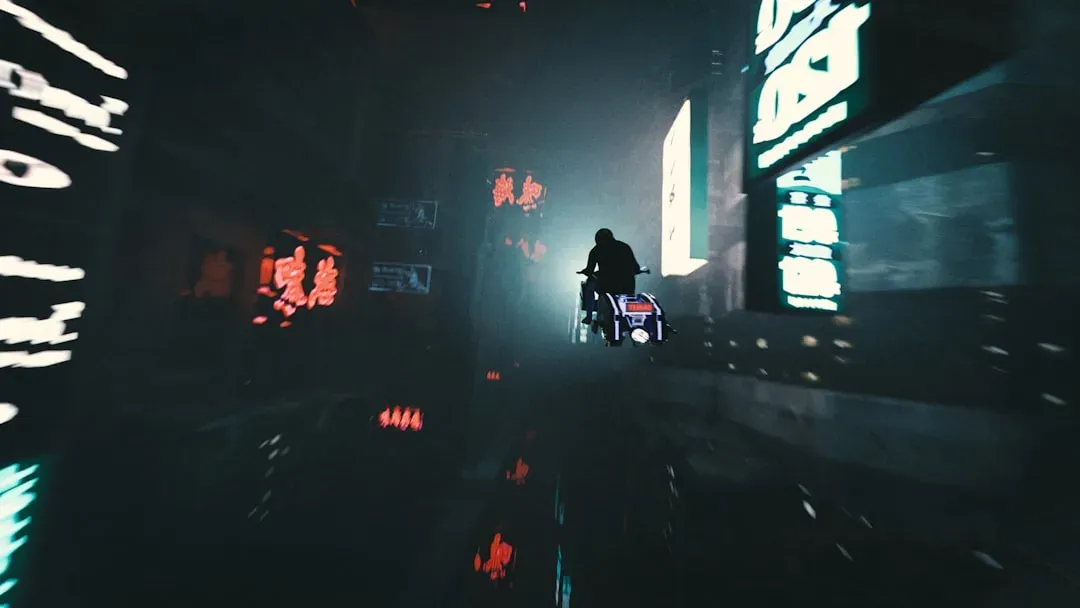
Ridley Scott’s dystopian noir arrived in the summer of 1982 with high expectations and low results. Pulling in $6 million on opening weekend against a $28 million budget, the director’s vision of the future didn’t quite connect with audiences. Part of the issue was scheduling, since it opened in the third week of E.T. the Extra-Terrestrial, a massive pop culture game-changer at the box office.
What saved Blade Runner was the very thing that seemed to doom it, its refusal to compromise. By the late-’80s it had gained a cult following on VHS, more for its stylistic influence on the sci-fi genre, before being reappraised as an overlooked masterpiece thanks to 1992’s Director’s Cut. Scott kept refining the film for decades, and he finally put his stamp of approval on Blade Runner with his 2007 Director’s Cut, the definitive version that solidified its all-time greatness in sci-fi cinema. Its slow-burn reputation eventually grew large enough to support a 2017 sequel that arrived with none of the rushed cash-in feel that quick hits usually produce.
Donnie Darko (2001)
Richard Kelly’s teenage time-travel puzzle had brutal luck with its release date. The film flopped at the box office, taking in no more than $1.3 million against its $4.5 million budget, and the timing could not have been worse, since it arrived shortly after September 11, 2001, when audiences understandably didn’t want to watch a movie in which a jet engine falls from the sky. Studio executives had even considered skipping theaters altogether, as the movie tested so poorly in advanced screenings that serious consideration was given to releasing it direct to home video before a theatrical attempt was tried.
Home video changed everything for Frank the rabbit and his troubled teenage companion. The film garnered over $10 million in DVD sales, prompting a director’s cut in 2004 and a theatrical re-release in 2011. The extended cut only deepened the mythology, since it brought the movie closer to Kelly’s original vision, adding nearly 20 minutes of previously deleted scenes and superimposing text from the in-universe book The Philosophy of Time Travel. College dorm rooms and campus film clubs did the rest, turning a film nobody wanted into required viewing for an entire generation of moviegoers.
The Rocky Horror Picture Show (1975)

Few films demonstrate the power of a second chance quite like this one. It proved to be such a flop that the musical was pulled from theaters after just a few weeks, though a few die-hard fans kept returning to see the movie at midnight screenings in Los Angeles. Critics were unkind too, and The Observer dismissed its Frankenstein spoof as “10 a penny,” meaning overly common.
The film’s real life began not in regular theaters but at midnight. Twentieth Century Fox marketing executive Tim Deegan came up with the idea of screening Rocky Horror as a midnight movie at the Waverly Theater in New York City, starting on April 1, 1976. Audience rituals soon followed, as a regular named Louis Farese Jr. began shouting quirky retorts to the screen, sparking a tradition of backtalk where audience members developed their own counterpoint to the onscreen dialogue. Nearly fifty years later, it remains the textbook definition of a midnight movie that built its own permanent audience from scratch.
The Big Lebowski (1998)
Following the Coen brothers’ Oscar-winning Fargo, expectations were high, and the results disappointed. Reviews were mixed and it performed poorly in the States, taking just $17 million against a budget of $15 million before creeping to $46 million internationally. Bad timing didn’t help, since it suffered from proximity to Titanic, which was still leaving everything in its wake at the box office that March.
The Dude’s rise from bomb to icon happened gradually, through repeated home viewings rather than a single turning point. Its true life began on home video, where people discovered it on VHS and DVD in the late 90s and early 2000s, free from the pressure of opening weekend, and word of mouth spread as the film’s laid-back charm and dense humor began to shine. Fan culture eventually formalized around the film, and the first Lebowski Fest took place in Louisville, Kentucky, in 2002 and is still going strong today. A small offshoot even turned philosophical, since the film inspired the formation of Dudeism, a religion and philosophy that has hundreds of thousands of followers worldwide.
Fight Club (1999)

David Fincher’s adaptation of Chuck Palahniuk’s novel confused critics and studio executives alike on release, earning a reputation as an angry, nihilistic mess that most mainstream audiences kept their distance from. It underperformed against its production costs during its theatrical run, a disappointing outcome for a film with a recognizable director and A-list cast attached. Reviews at the time were sharply divided, with some critics praising its audacity and others accusing it of glorifying violence and aimless masculinity.
DVD changed the film’s fortunes almost overnight, turning it into one of the format’s defining sellers in the early 2000s as viewers rewatched it obsessively to catch its layered twists. College campuses and burgeoning internet forums embraced its quotable dialogue and anti-consumerist message, giving it a second life that far outpaced its theatrical run. Two decades later, it is frequently cited among the most influential American films of its decade, a reversal that would have seemed unthinkable to the studio that released it.
Office Space (1999)

Mike Judge’s deadpan satire of cubicle life barely registered with audiences during its original theatrical run, opening quietly and closing even quieter. Made on a modest budget, it struggled to distinguish itself in a crowded release calendar and never built the momentum needed for a wide box office push. Critics were generally warm toward it, but warm reviews rarely translate into ticket sales for a film with no stars and a low-key marketing campaign.
Cable reruns and rental copies did what theaters could not, turning the film into comfort viewing for anyone who had ever hated a job. Its references to office memos, malfunctioning printers, and soul-crushing meetings became shorthand for workplace frustration long before “relatable content” was a marketing term. Its lines are still quoted in real offices today, a rare case of a film’s satire becoming so accurate that it outlived the very decade it was mocking.
It’s a Wonderful Life (1946)
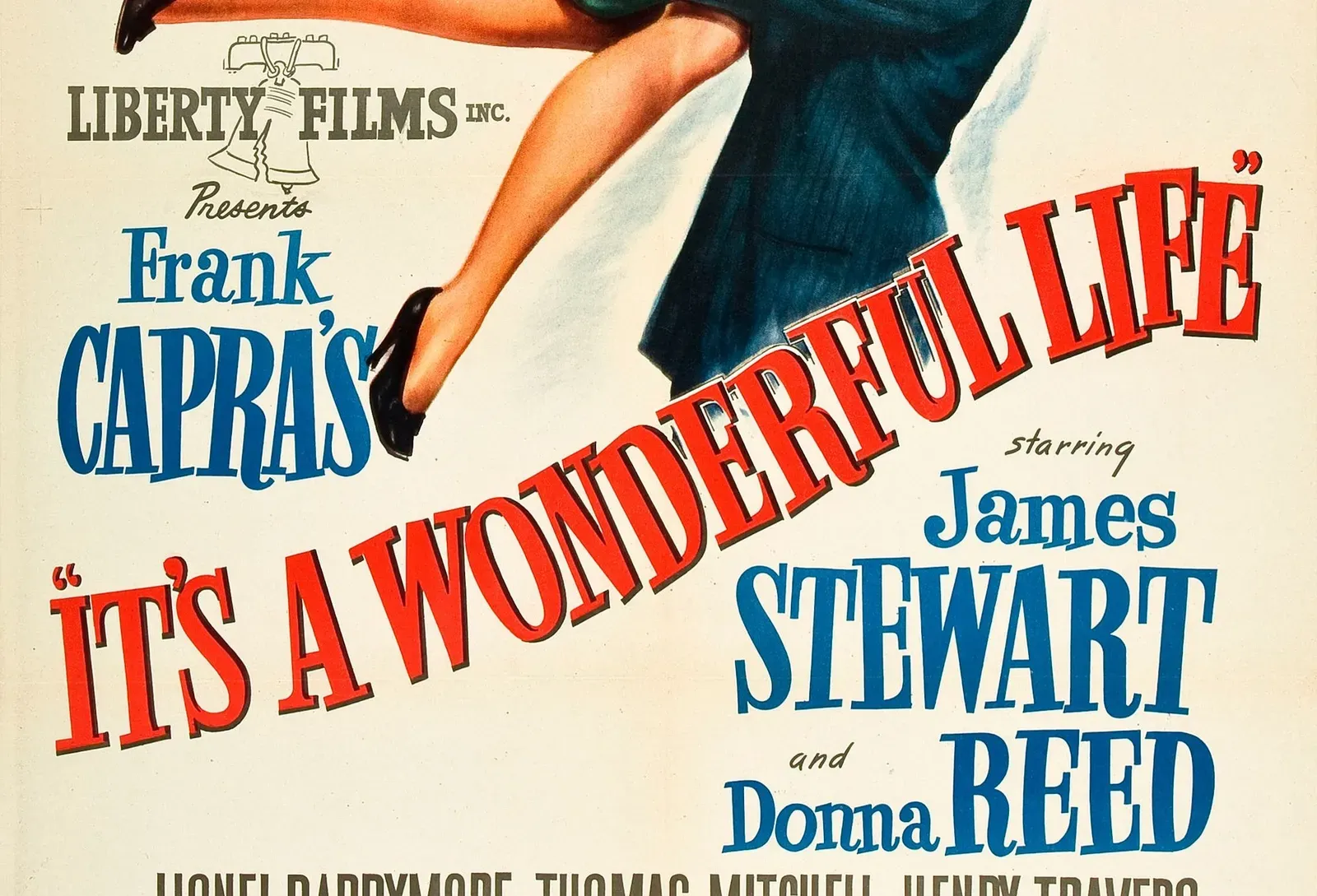
Frank Capra’s holiday drama, now treated as an essential piece of American cinema, opened to a lukewarm reception and modest box office returns in the winter of 1946. It failed to recoup its costs during its initial run, a disappointment for Capra and for RKO Pictures, and it left theaters without the acclaim that would eventually define its legacy. For years afterward it was considered a minor entry in Capra’s filmography rather than the holiday staple it later became.
Its resurrection came through an accident of copyright law rather than any deliberate marketing push. The film’s copyright lapsed in the 1970s after paperwork was not properly renewed, which allowed television stations to air it for free as often as they liked. Broadcasters ran it constantly through the 1970s and 1980s, and that sheer repetition slowly turned an overlooked drama into the holiday tradition audiences now consider inseparable from the Christmas season.
Every film on this list shares a common thread: they were misunderstood, mistimed, or simply too strange for the audiences waiting for them on opening night. What changed wasn’t the movies themselves but the conditions around them, whether that meant a VHS rental boom, a copyright quirk, or a generation of college students with late-night hours to spare. It’s a reminder that box office numbers capture a single moment, not the full story of how a film will eventually be remembered.