Hollywood usually hands a novel over to a screenwriter who has never met the author, and the results can be wildly uneven. Every so often, though, a studio takes a different route and asks the person who wrote the book to also write the movie. The outcomes of that gamble are more interesting than you might expect, ranging from Oscar wins to quietly satisfying adaptations that stayed true to the source material because the source and the script came from the same head.
1. John Irving, The Cider House Rules
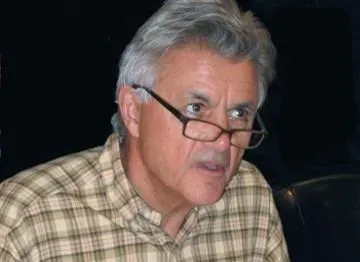
Few author-to-screenwriter transitions have been as decorated as John Irving’s. He spent close to a decade shaping the screenplay for his 1985 novel, and the effort paid off in a way few writers ever experience. He won the Academy Award for Best Adapted Screenplay at the 72nd Academy Awards in 2000 for his script of the film adaptation of The Cider House Rules.
The 1999 film, directed by Lasse Hallström, leaned on Irving’s intimate knowledge of his own characters, particularly the orphanage doctor at the story’s center. The film was honored with two Academy Awards, Best Supporting Actor for Michael Caine and Best Adapted Screenplay for John Irving. It remains one of the clearest examples of a novelist translating decades of narrative instinct directly onto the page of a script.
2. Emma Donoghue, Room
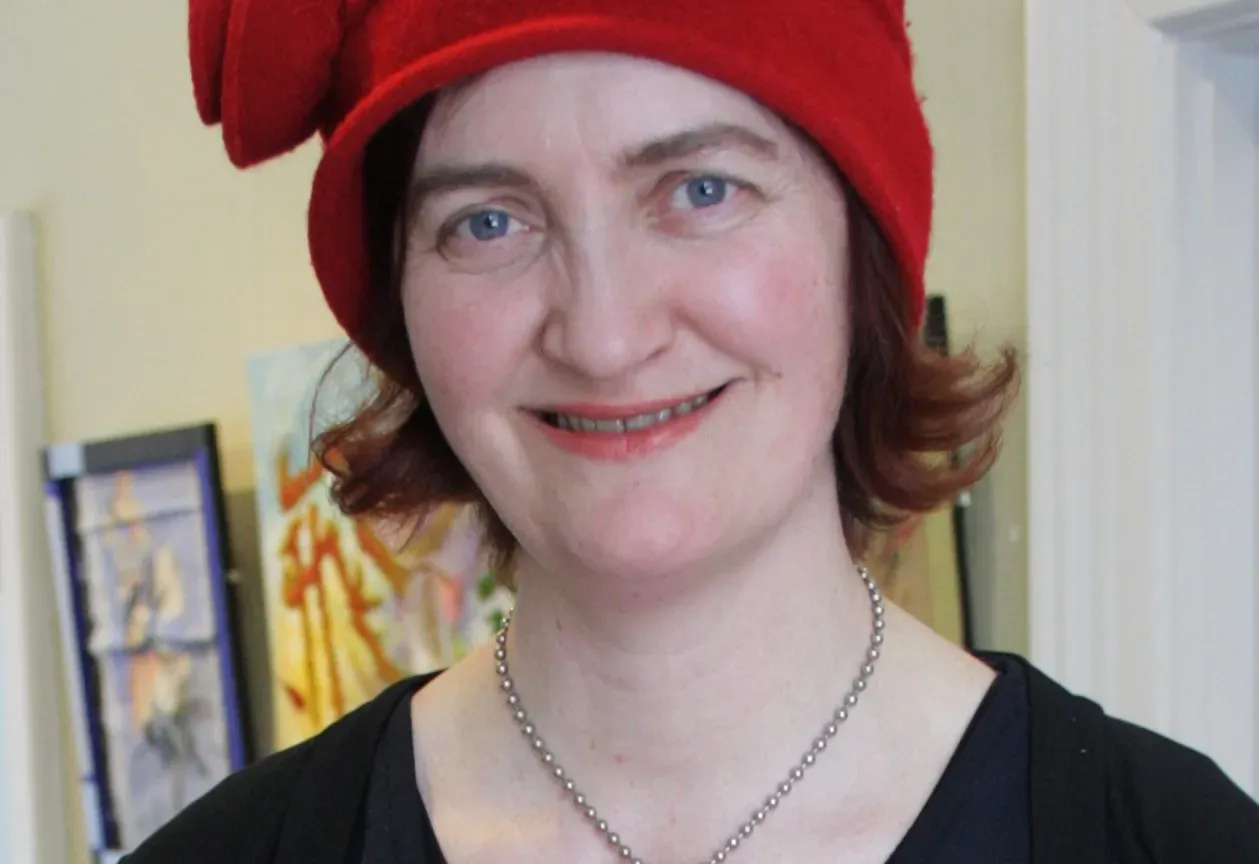
Emma Donoghue took an unusual approach before her novel even reached the shelf. The writer has a knack for planning ahead, and even before Donoghue’s bestselling novel about a mother and child held captive for years was published, she had already started crafting a screenplay for it. That early instinct turned out to be well founded once the book became an international bestseller.
Her screenplay for the 2015 film, directed by Lenny Abrahamson, earned her some of the highest honors in the industry. The film received four nominations at the 88th Academy Awards including Best Picture, Best Director, Best Adapted Screenplay, and won Best Actress for Brie Larson. Donoghue herself explained her reasoning simply, telling an interviewer, “I thought it might as well be me, why not?” she said, “There’s a real tradition of women being very successful within fiction, and then when it comes to the public world of film, often male scriptwriters will do that job of adapting.”
3. Peter Benchley, Jaws
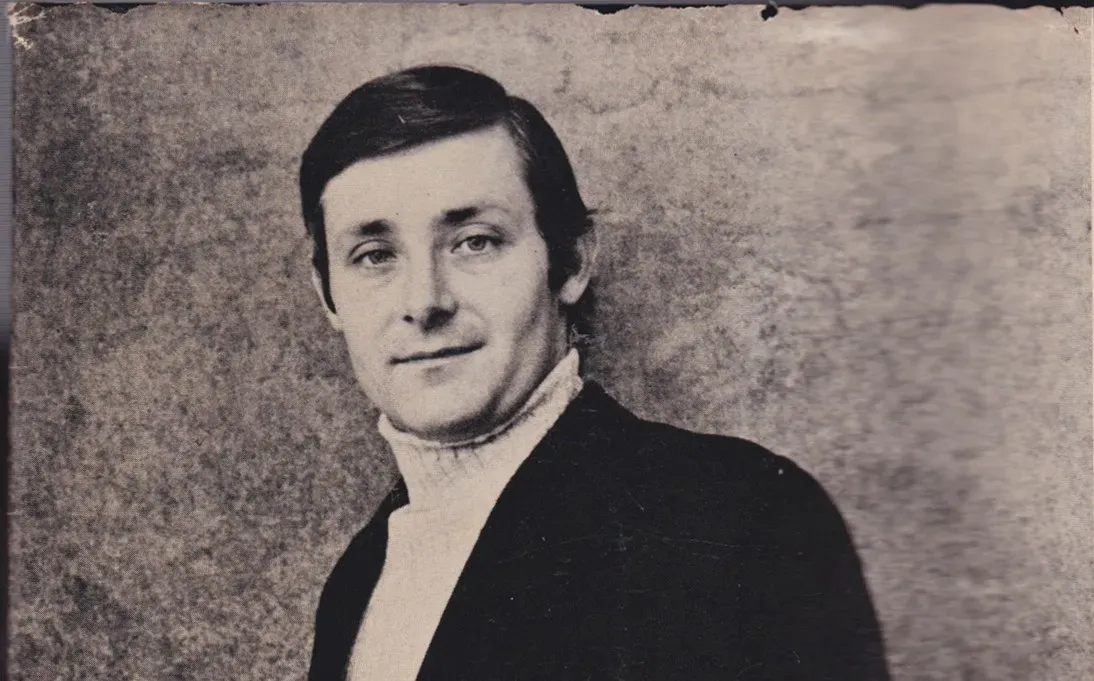
Before Steven Spielberg turned a mechanical shark into a cultural phenomenon, Peter Benchley wrote the 1974 novel that started it all. Benchley did not hand the material off entirely once the film went into production. He co-wrote the initial screenplay adaptation for Jaws, working alongside veteran screenwriter Carl Gottlieb, who polished the dialogue and pacing during the notoriously difficult shoot.
Benchley’s contribution mattered because he understood the mechanics of suspense that had made the book a sensation in the first place, particularly the slow reveal of the shark itself. The final film diverged from the novel in tone and in a few plot details, but the bones of Benchley’s story, including its small-town setting and the uneasy relationship between commerce and danger, stayed intact. It remains one of the earliest and most commercially successful examples of an author shaping his own adaptation for the screen.
4. William Peter Blatty, The Exorcist
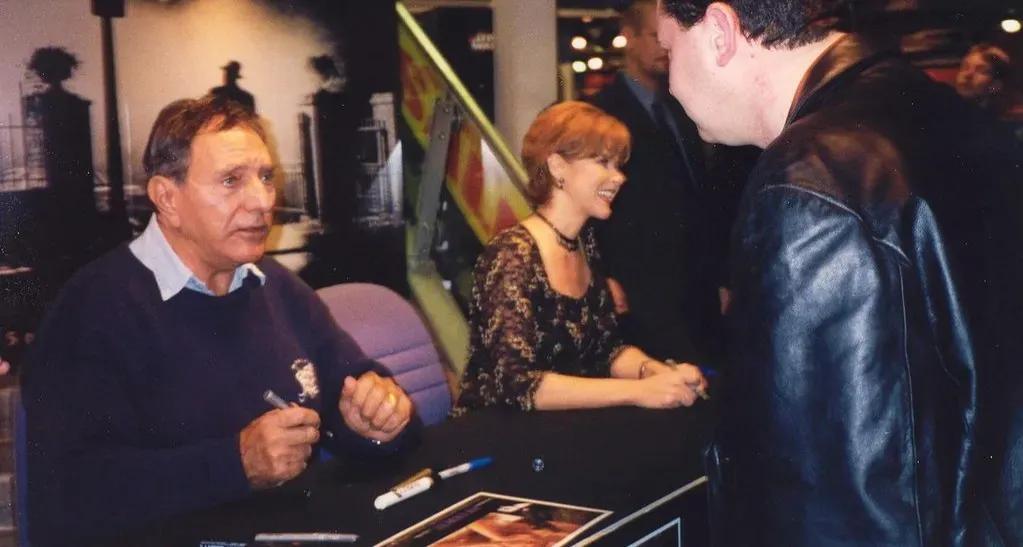
William Peter Blatty wrote both the 1971 novel and the Oscar-winning screenplay for its 1973 film adaptation, a rare instance of an author controlling nearly every stage of a story’s journey to the screen. Working closely with director William Friedkin, Blatty brought his own background in Catholic theology and his fascination with a real exorcism case into both versions of the story. The result was a film that felt unusually cohesive for a horror movie, since the man who invented the mythology was also the one deciding how it would be paced on screen.
Partner offer
Blatty’s screenplay won the Academy Award for Best Adapted Screenplay, a rare feat for a horror film in that era. His dual role also meant that when disputes arose over the film’s tone or specific scenes, the author had a direct hand in resolving them rather than watching from a distance. Few horror novelists before or since have had that level of creative control over their own adaptation.
5. Nora Ephron, Heartburn
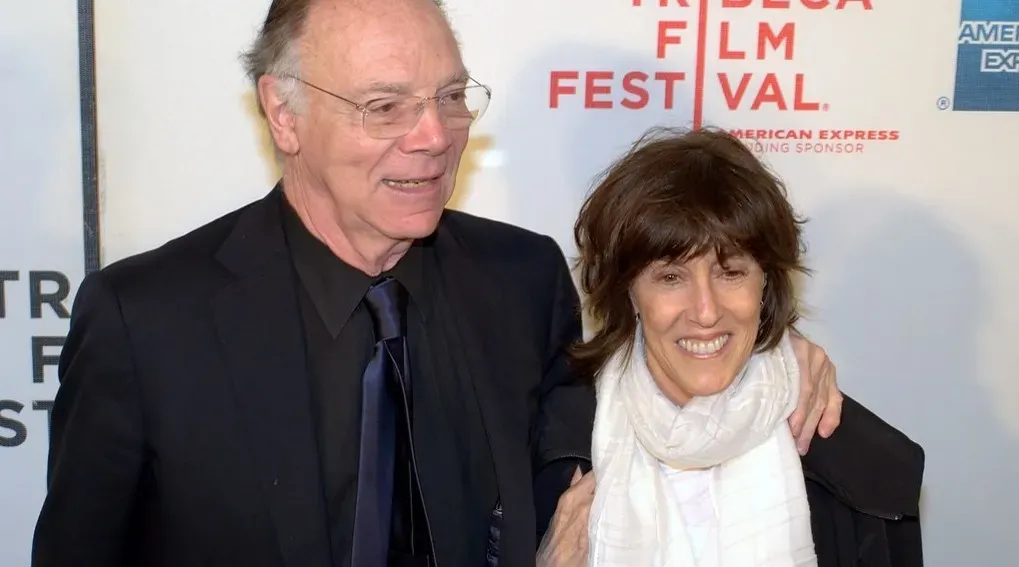
Nora Ephron’s 1983 novel Heartburn was a lightly fictionalized account of the breakdown of her own marriage, and when it came time to adapt it for the screen in 1986, she wrote the script herself. Directed by Mike Nichols and starring Meryl Streep and Jack Nicholson, the film carried over the novel’s sharp, self-deprecating humor almost intact, since Ephron was uniquely positioned to know which jokes worked and which needed reworking for the screen.
Ephron had already built a reputation as a journalist and essayist known for her wit, and that voice translated cleanly into screenwriting. Heartburn helped establish her as a filmmaker in her own right years before she wrote and directed When Harry Met Sally and Sleepless in Seattle. The novel-to-script pipeline she used here became something of a template for her later career, where personal material regularly moved fluidly between page and screen.
6. Gillian Flynn, Gone Girl

Gillian Flynn’s 2012 thriller became a publishing phenomenon built around its unreliable narrators and a structure that depended on withholding information at precisely the right moments. When David Fincher signed on to direct the 2014 film adaptation, Flynn wrote the screenplay herself, a decision that made sense given how much the book’s success hinged on careful narrative sleight of hand.
Flynn made real changes to the ending and to several plot mechanics, adjustments that would have been much riskier coming from an outside screenwriter without her blessing. Because she had originated every twist in the novel, she could rework them for a visual medium without losing the psychological tension that made the story work. The film was a commercial and critical success, and it cemented Flynn’s second career as a screenwriter, one she has continued with television work in the years since.
7. Stephen Chbosky, The Perks of Being a Wallflower

Stephen Chbosky did not just write the screenplay for his 1999 coming-of-age novel, he also directed the 2012 film himself, giving him near total control over how his own teenage years, filtered through fiction, would appear on screen. The novel had become a staple of young adult reading lists, and Chbosky’s decision to adapt it personally meant the film avoided the tonal drift that sometimes happens when a beloved book passes through several other hands.
Casting Logan Lerman, Emma Watson, and Ezra Miller, the film retained the novel’s letter-writing structure and its unflinching look at mental health, trauma, and adolescence. Chbosky’s dual role as author and filmmaker gave the project a rare consistency, since the tone that readers connected with in the book carried straight through to the screen. It remains one of the more quietly successful examples of a novelist taking full creative ownership of an adaptation rather than handing it to someone else entirely.
These seven examples show that letting a novelist write their own screenplay is not a guaranteed shortcut to a better film, but when the pairing works, it tends to work unusually well. The authors who took on this dual role generally understood their own material at a depth that outside screenwriters could only approximate, and several of them turned that advantage into some of the most respected screenplay work of their era.Partner offer
Planning a trip to Vegas?
Compare hotel rates and show tickets on VEGAS.com.