Streaming has changed the way old songs find new life. A single scene in a hit show can send millions of listeners scrambling to find a track they had never heard, or one they had half forgotten from decades earlier. It happens often enough now that music supervisors talk about it as a real strategy, not just a happy accident.
What follows are six well documented cases where a song from another era climbed back onto national or global charts after a television series gave it a second life. Some of these songs were already famous. Others had been mostly forgotten outside of dedicated fan circles before a show brought them roaring back.
1. Kate Bush, “Running Up That Hill (A Deal With God)”
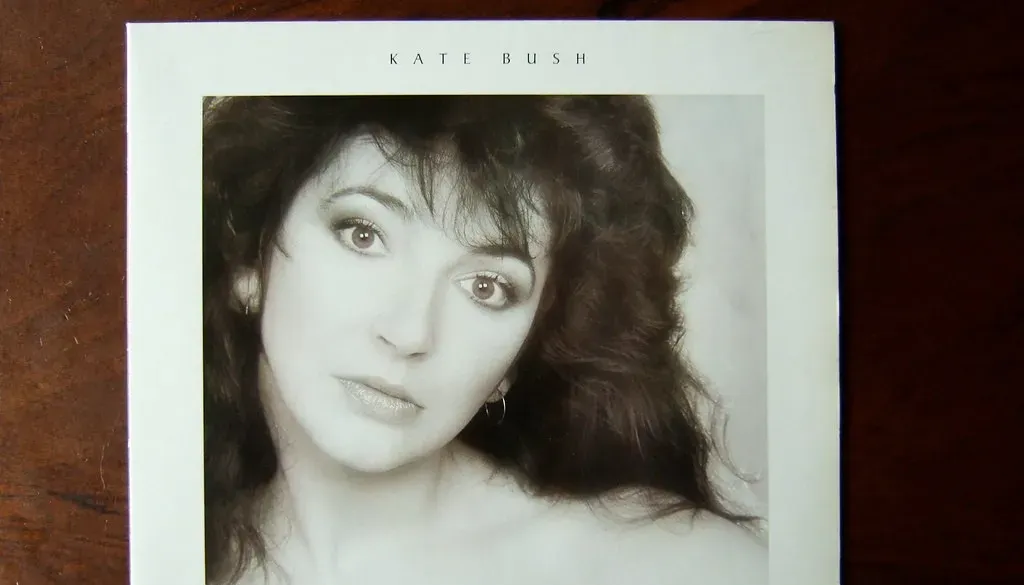
Kate Bush released this song in 1985, and it became one of her signature tracks in the UK without ever becoming a major hit in the United States. That changed almost overnight in 2022, when Netflix used it as a recurring emotional anchor in the fourth season of Stranger Things, tied closely to the character Max Mayfield.
The response was immediate and enormous. The song shot back to number one on the UK singles chart, decades after its original release, and climbed into the top tier of the Billboard Hot 100 in the United States, a market where Bush had barely registered before. It became one of the clearest examples of a streaming era phenomenon, a song written for one generation suddenly adopted by another almost entirely through a screen.
2. Metallica, “Master of Puppets”

Metallica’s 1986 title track from the album of the same name was already considered a landmark in thrash metal long before Stranger Things existed. It had never been a mainstream pop chart regular, though, since heavy metal songs of that length and intensity rarely crossed into that space.
That same 2022 season of Stranger Things changed the calculation. A pivotal scene built around the song, featuring the character Eddie Munson, pushed “Master of Puppets” back onto the Billboard Hot 100 and into the UK top 40, giving Metallica a rare chart reappearance for a song approaching its fortieth birthday. Band members publicly acknowledged how strange and welcome the resurgence felt for a track that predated most of its new listeners by decades.
3. Toto, “Africa”

Toto’s “Africa,” originally a 1982 single from the album Toto IV, is one of the more unusual comeback stories in modern pop culture because its revival built slowly rather than exploding all at once. Released in 1982 on the album Toto IV, “Africa” was a major hit for Toto, becoming the band’s only Billboard number one single ever. Its use in the very first episode of Stranger Things helped reintroduce the track to younger audiences discovering the show years after its original chart run had ended.
From there the song’s second life kept compounding. “Africa” has been streamed more than 1 billion times and is the third most streamed song in the UK behind Oasis’ “Wonderwall” and Queen’s “Bohemian Rhapsody,” as of December 2022. Band members have credited the show directly for the shift, with guitarist Steve Lukather noting that Stranger Things “really brought us back” to a new generation of listeners who had no memory of the song’s original release.
4. Journey, “Don’t Stop Believin'”
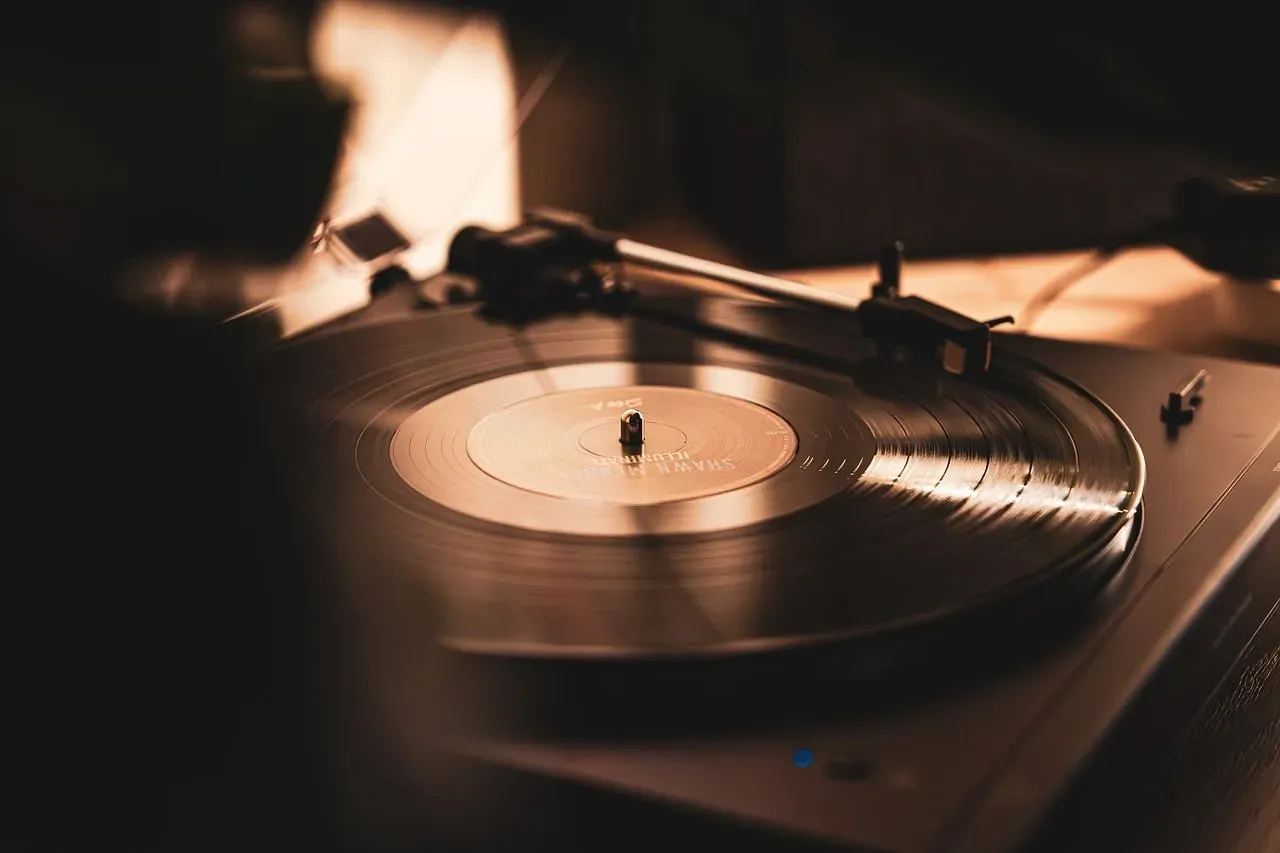
Journey released “Don’t Stop Believin'” in 1981, and it had a solid but unremarkable chart run at the time, never even cracking the top eight on the Hot 100. Its second act came from television rather than radio, most famously through its unforgettable placement in the final scene of The Sopranos in 2007, a moment that became one of the most discussed television endings of its era.
The immediate effect on digital sales and streaming was significant enough that the song reentered the Billboard Hot 100 chart in the weeks following the finale, more than two decades after its original release. Glee later gave the track another boost when its cast version became a hit in its own right, but the Sopranos connection is what first proved a decades old rock song could return to relevance through a single, carefully chosen scene.
5. Pet Shop Boys, “It’s a Sin”
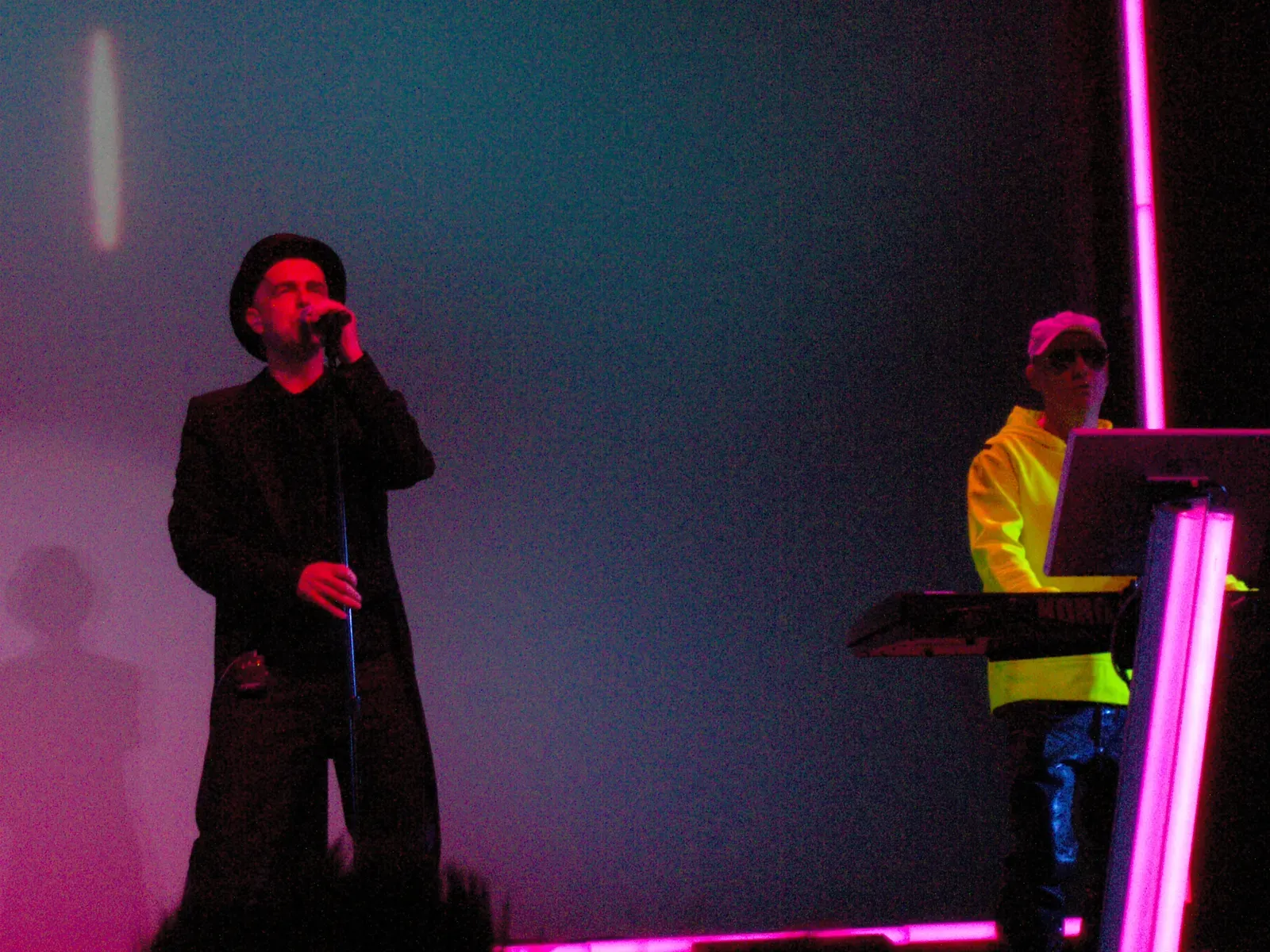
Pet Shop Boys released “It’s a Sin” in 1987, and it became one of their biggest hits, the duo’s second number-one single on the UK singles chart, spending three weeks atop the chart, while additionally topping charts in over 15 other countries. Decades later, Russell T Davies named his 2021 Channel 4 drama about the AIDS crisis in 1980s Britain after the song, using it as connective tissue across the series.
Sales and streams of It’s A Sin were up 249 percent in the UK since the series debuted three weeks earlier, compared to the same three week period the previous year, with the following week after the show first aired seeing an uplift of 115 percent. Streaming was the main driver powering the song’s resurgence, with weekly plays more than doubling since the show began, up from an average of 93,000 plays a week in the UK prior to the show’s airing. It marked a genuine full circle moment, a song lending its title to a drama that then sent the original recording climbing back into the public conversation.
6. “Bella Ciao,” traditional Italian folk song

“Bella ciao” is an Italian protest folk song from the late 19th century, long associated with anti fascist resistance movements in Italy well before most modern listeners were born. Its unlikely path back into mainstream culture came through Money Heist, the Spanish series known as La Casa de Papel, where the song became the emotional and ideological anthem of the show’s central heist crew.
The show’s global success on Netflix turned the song into a worldwide phenomenon, spawning countless covers and remixes across multiple languages. American singer Becky G recorded her own version for inclusion on the soundtrack of the Netflix show Money Heist, singing in Italian for the first time. A folk song written more than a century earlier, with no original chart history to speak of, effectively became a new global hit purely through its association with a television series.
Taken together, these six examples show how differently a television placement can reshape a song’s fortunes. Some, like Kate Bush’s track, needed only one perfectly placed scene to reach a new peak decades after release. Others, like Toto’s “Africa,” built momentum gradually across multiple seasons and years of streaming before the numbers caught up with the cultural moment. What connects all of them is a simple pattern: a show’s writers and music supervisors found a way to make an old song feel newly urgent, and audiences responded by sending it right back to the charts where it had once lived, or in some cases, to charts it had never reached at all.