Every awards season produces a favorite, the film or performance that pundits circle in ink weeks before the envelope opens. Yet Oscar night has a habit of ignoring the script. Some of the biggest shocks in Academy Awards history did not just surprise the room. They left critics arguing for decades about what the voters were thinking.
What follows are nine moments where the Academy’s choice diverged sharply from where the season’s momentum, the precursor awards, and the critical consensus all seemed to be pointing. Some of these results have aged into punchlines. Others remain genuinely contested, with smart people on both sides of the argument.
1. Crash over Brokeback Mountain (2006)

Heading into the 78th Academy Awards, Brokeback Mountain looked unstoppable. The film had already won the BAFTA, Golden Globe and Critics Choice Award for best picture that season. Ang Lee took home Best Director that same night, which only made the Best Picture loss feel stranger, since directors and their films usually travel together on Oscar night.
Instead, Crash rode a late surge of praise that lifted it past the cowboy romance Brokeback Mountain, a film that had won most other key Hollywood honors. Explanations have ranged from ensemble-cast appeal among actor voters to lingering discomfort with the film’s subject matter. Los Angeles Times critic Kenneth Turan argued at the time that Brokeback “made a number of people distinctly uncomfortable.” Twenty years on, the result is still cited as shorthand for an Oscar gone wrong.
2. Shakespeare in Love over Saving Private Ryan (1999)
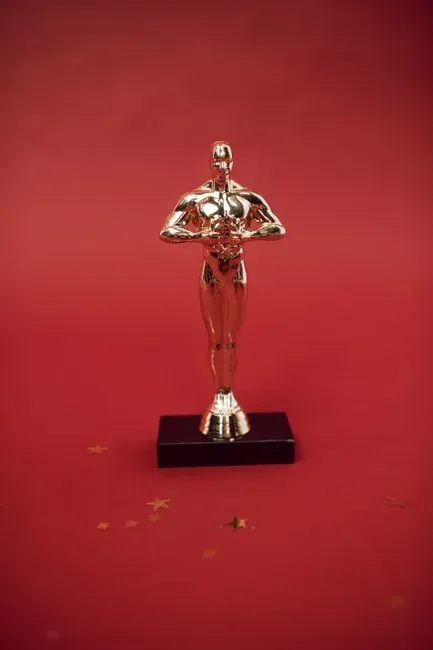
Steven Spielberg’s World War II epic had the pedigree, the box office, and the cultural moment on its side. Saving Private Ryan had all the ingredients to win a best picture Oscar: Steven Spielberg directing Tom Hanks in a World War II epic at the height of the “greatest generation” nostalgia. Instead, a Miramax romantic comedy walked away with the top prize.
It lost out to a romantic comedy from awards season supercampaigner Harvey Weinstein’s studio. The result reshaped how Hollywood thought about campaigning. “After Shakespeare won, people really started paying attention to the Weinstein Oscar campaigning machine, which is still widely credited for the upset,” one critic later observed. Even now, film historians point to this race as the moment marketing muscle proved it could outweigh critical consensus.
3. How Green Was My Valley over Citizen Kane (1942)
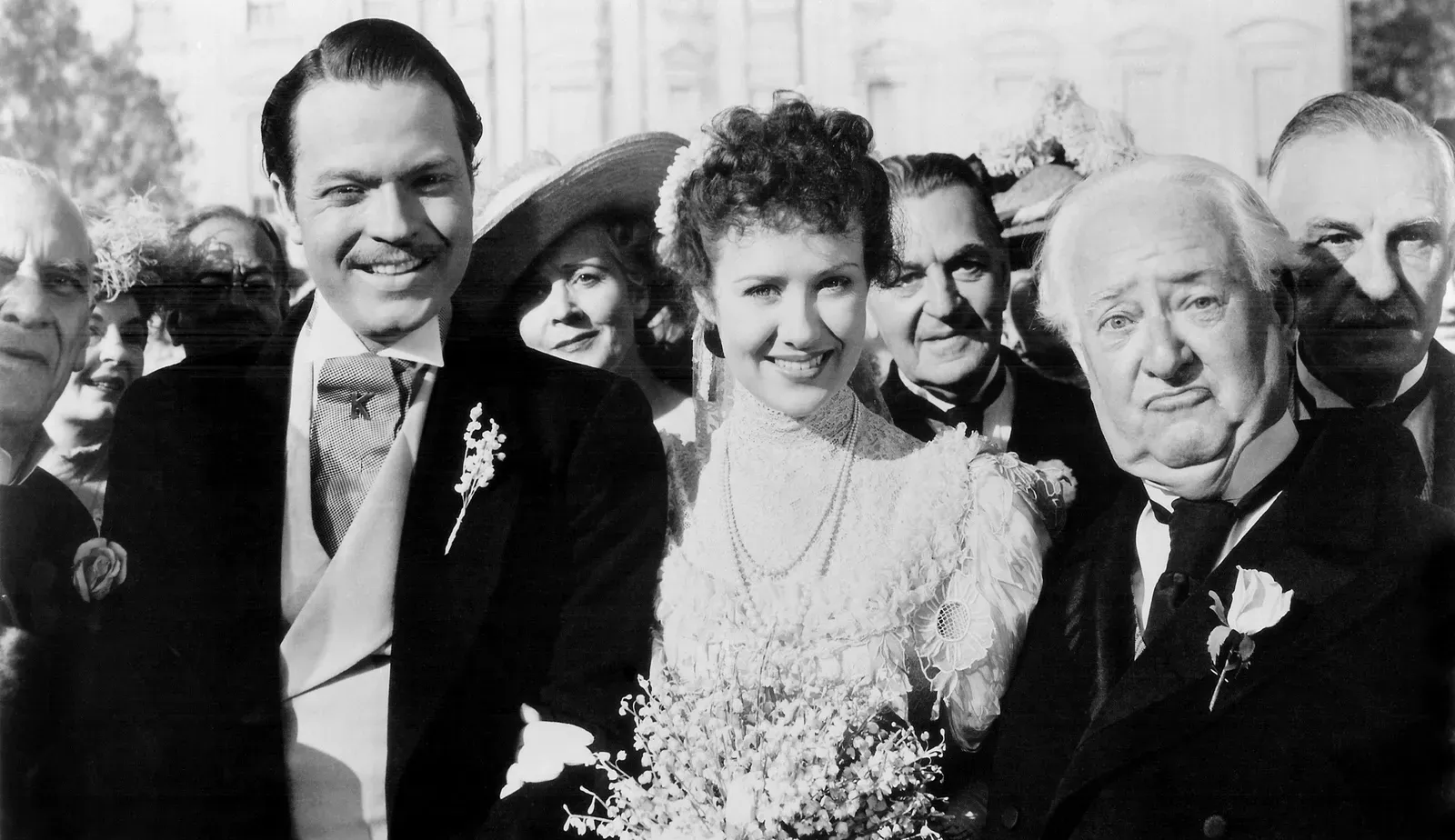
This one predates most living memory of the Oscars, but critics have never stopped relitigating it. Citizen Kane is routinely ranked among the greatest American films ever made, a fixture on best-of-all-time lists compiled by critics and filmmakers alike. In 1942, John Ford’s How Green Was My Valley snatched victory from Citizen Kane.
Orson Welles’s technical innovations and narrative daring were, by most modern accounts, decades ahead of what the Academy was prepared to reward that year. How Green Was My Valley is a fine, sentimental drama, but it has not entered the cultural conversation the way Kane has. The gap between the two films’ modern reputations is precisely why this upset keeps resurfacing in any serious conversation about Oscar’s biggest misses.
4. Ordinary People over Raging Bull (1981)

Martin Scorsese’s Raging Bull is now widely regarded as one of the defining American films of its decade, anchored by Robert De Niro’s transformative performance. Yet the Academy that year favored Robert Redford’s quieter directorial debut, Ordinary People, a well-crafted but far less audacious family drama.
The choice fits a recurring pattern that critics have flagged repeatedly. There’s the decades-long disappointment of Martin Scorsese losing one directing Oscar after another. Scorsese eventually won Best Director for The Departed in 2007, a victory many read as the Academy correcting course for years of passing him over, including this one.
5. Driving Miss Daisy over Born on the Fourth of July and My Left Foot (1989)
The 1990 ceremony, honoring films from 1989, produced one of the quieter but persistent upsets on this list. Data-driven retrospectives of Oscar history have flagged this race as a genuine statistical outlier. 1989 Born on the Fourth of July 1.5 Driving Miss Daisy 1.4 0.1 according to one model built from precursor award performance, meaning the race was close on paper but the eventual winner was not the expected favorite by the usual metrics.
Partner offer
Oliver Stone’s Vietnam drama and Jim Sheridan’s My Left Foot both had stronger critical followings going in. Driving Miss Daisy, a gentle two-hander about race and friendship in the American South, ultimately took the top prize instead. Critics have debated ever since whether the Academy simply preferred comfort over confrontation that year.
6. Braveheart over Apollo 13 (1996)

Ron Howard’s Apollo 13 was, by several statistical measures built from that season’s other awards, the expected winner. 1995 Apollo 13 2.8 Braveheart 0.4 2.4 shows the largest gap of any race examined in a widely cited retrospective analysis of best picture surprises.
Braveheart, Mel Gibson’s sprawling historical epic, won instead, along with Best Director for Gibson himself. The film has held up reasonably well commercially and remains popular with general audiences, but critics have long noted that its historical liberties and broad style stood in contrast to the tighter, more critically favored Apollo 13. The size of the statistical gap is part of why this particular race still gets cited in upset rankings decades later.
7. Green Book over Roma (2019)
Alfonso Cuarón’s Roma arrived at the 2019 ceremony as the clear critical favorite, a black-and-white Netflix drama that had already dominated the film festival and critics’ circuit. Green Book, a more conventional crowd-pleaser about race relations in the 1960s American South, took the top prize instead. Over the past decade, the only film to win Best Picture with a Rotten Tomatoes score below 90 percent was Green Book, which managed the upset with just 77 percent.
The result drew sharp criticism from some corners of the film press, who argued Roma’s artistic ambition and Cuarón’s directing win, he did take Best Director that night, made the Best Picture split feel inconsistent. There’s the enduring outrage about best picture upsets like “Crash” over “Brokeback Mountain,” “Shakespeare in Love” over “Saving Private Ryan” and “Green Book” over “Roma.” The comparison to those earlier controversies was immediate and has stuck.
8. The Envelope Mix-Up: Moonlight over La La Land (2017)
This one is less a critical upset than a genuine live-television catastrophe, though the underlying result still gets debated on its merits. La La Land had swept the season’s precursors and was widely expected to win. When the producers and stars of La La Land walked on stage at the 89th Academy Awards in 2017 as the final winners of the night, most people accepted the victory as an inevitability.
Then came the correction. But then suddenly it wasn’t, and in what remains one of the greatest shocks in Oscars history, it turned out that Moonlight had actually won Best Picture. Beyond the chaos of the wrong envelope, critics have continued to debate whether Moonlight, a modest, intimate drama, was always the stronger film, or whether the mix-up simply overshadowed a legitimate conversation about which movie actually deserved the win.
9. Michael B. Jordan over Timothée Chalamet, Best Actor (2026)
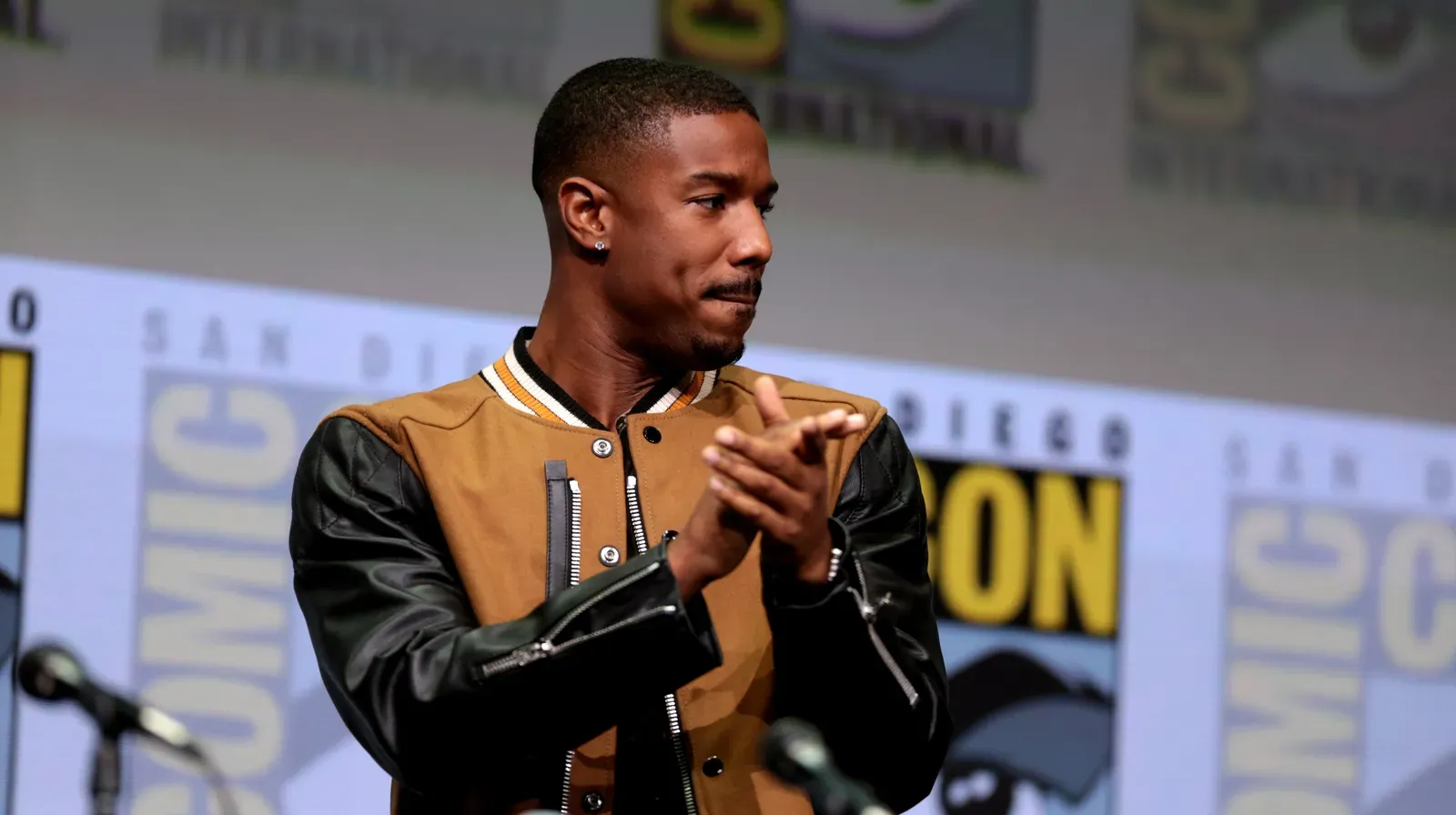
The most recent entry on this list is fresh enough that critics are still sorting out how they feel about it. Timothée Chalamet entered the 98th Academy Awards as the presumed frontrunner for Best Actor. The “Marty Supreme” star was deemed the favorite to win Best Actor going into the ceremony, largely due to a deceptively effective, self-manifesting “charm” offensive that crashed and burned as Oscars voters cast their ballots.
Michael B. Jordan won instead for his dual performance in Sinners, a horror drama set in Jim Crow-era Mississippi that had built strong critical momentum of its own throughout the season. Some outlets have since argued the framing of this as a shock was overstated given Jordan’s own strong precursor support. Film criticism outlets recently broke down why the dramatic nature of this “upset” was somewhat overstated, arguing the win ultimately belonged to Michael B. Jordan on merit. Even so, the gap between pre-show predictions and the actual result was wide enough that it immediately entered the conversation alongside older, more established Oscar surprises.
These nine races share a common thread. Each one exposed the gap between what critics and industry insiders expected and what a few thousand Academy voters actually chose on a given night. That gap is exactly why Oscar history keeps producing arguments that outlast the ceremony itself, and why fans and critics alike still return to these results years, and in some cases decades, later.
Partner offer
Planning a trip to Vegas?
Compare hotel rates and show tickets on VEGAS.com.