Sales charts only tell part of a game’s story. Some of the most admired titles in the medium arrived to shrugs, shrinking budgets, or even studio closures.
Time, reissues, and word of mouth changed their standing. Here are eight games that struggled commercially at launch and have since earned lasting respect, with the facts that explain how it happened.
Psychonauts
Tim Schafer’s platformer from Double Fine came out in 2005 and sold far below what its publisher, Majesco, had hoped. Reviewers liked its inventive levels set inside characters’ minds, yet the game found a small audience at first. The commercial disappointment was serious enough that Majesco shook up its leadership and pulled back from big budget games.
Its reputation grew through later re releases, including a Steam version in 2012, which introduced it to a new generation of players. That lasting affection helped justify a sequel, Psychonauts 2, which arrived in 2021 after a crowdfunding campaign and Microsoft’s 2019 acquisition of Double Fine. The original is now a standard entry on lists of the best cult games.
Okami
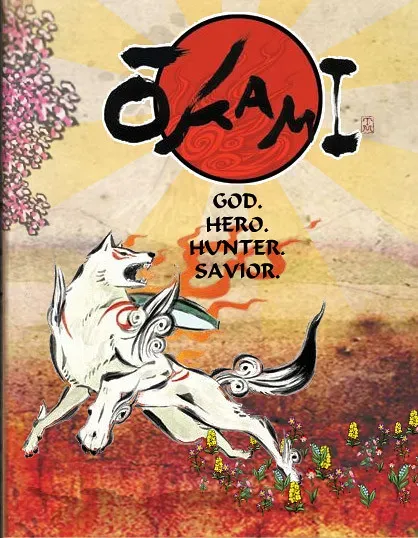
Released by Capcom in 2006 on the PlayStation 2, Okami drew praise for its ink wash art style and its Zelda like adventure structure. Sales were modest, and its developer, Clover Studio, was dissolved by Capcom in the same year. Many fans saw the studio’s closure as a loss for the industry.
Capcom kept bringing the game back. It appeared on Wii in 2008, as an HD remaster in 2012, and again on PlayStation 4, Xbox One, and PC in 2017. In December 2024, a sequel was announced at The Game Awards, with director Hideki Kamiya’s new studio Clovers working alongside Capcom, a sign of how far the original’s standing had come.
Beyond Good and Evil
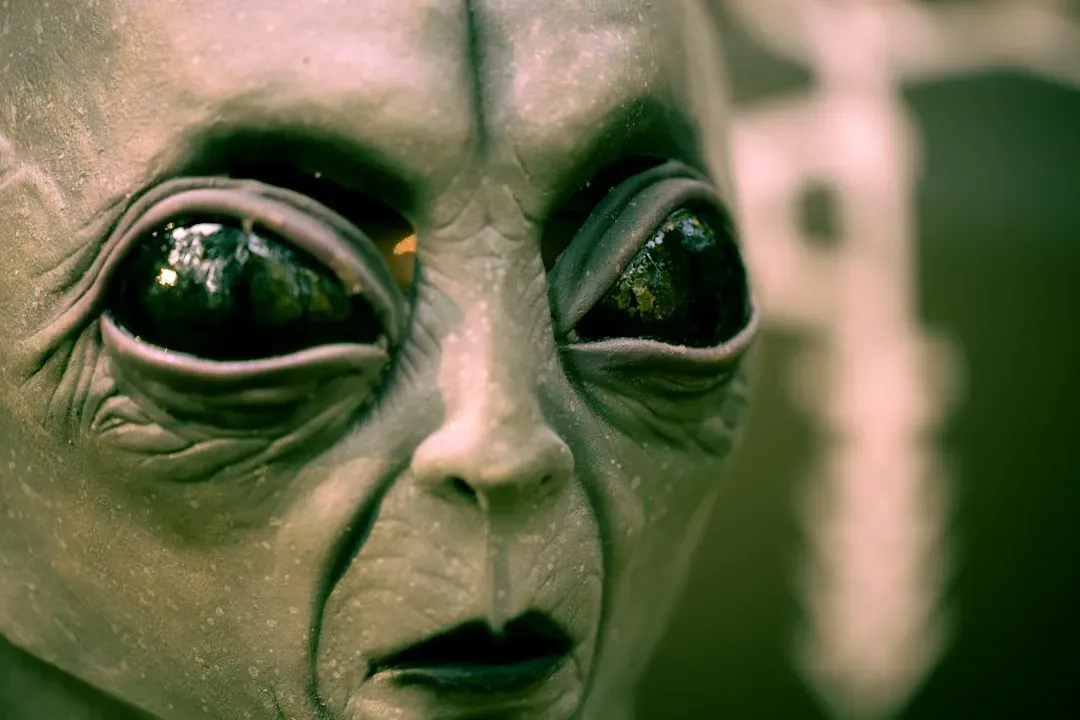
Ubisoft Montpellier’s 2003 adventure followed the photojournalist Jade as she uncovered an alien conspiracy. Critics responded warmly to its story, characters, and world. Even so, it missed Ubisoft’s sales expectations, partly because it launched in a crowded holiday season without a famous brand behind it.
Over the years it grew into a cult favorite, helped by digital re releases and passionate fan support. Ubisoft marked its twentieth anniversary with a remastered edition released in 2024. A long promised sequel has been discussed publicly for years, and fans have waited a very long time for it.
Ico
Fumito Ueda’s 2001 PlayStation 2 game was a quiet story about a boy and a girl escaping a castle. It was minimalist and slow paced, which made it hard to explain in marketing. It sold modestly, even as reviewers recognized how distinctive it was.
Its influence spread through the industry, and many designers have cited it as an inspiration for emotional, low dialogue storytelling. Sony released Ico and Shadow of the Colossus together in a HD collection in 2011, which brought it to more players. Today it is commonly cited in discussions of games as art.
EarthBound
Nintendo released EarthBound in North America in 1995 for the Super Nintendo, backed by an offbeat marketing campaign. Its humor, modern day setting, and unusual look were a hard sell at a time when role playing fans expected swords and dragons. Sales fell short of expectations.
Over time, an online fan community kept the game alive and pushed for its return. Nintendo eventually offered it on the Wii U Virtual Console and then added it to Nintendo Switch Online in 2022. It has since become one of the best known examples of a late bloomer in the role playing genre.
System Shock 2
Released in 1999 by Looking Glass Studios and Irrational Games, System Shock 2 was praised for blending horror, role playing, and first person action aboard a doomed spaceship. Critics were enthusiastic, but sales were small. Looking Glass shut down in 2000, soon after the game’s release.
The game’s reputation outlived the studio and influenced later titles such as BioShock, which Irrational made. Nightdive Studios released an enhanced edition in 2020 and a full remaster of the first System Shock in 2023, which kept the series in the conversation. The sequel is now regularly named among the great PC games of its era.
Planescape: Torment
Black Isle Studios released this role playing game in 1999, built on a Dungeons and Dragons setting. It put heavy emphasis on writing and moral choices instead of combat, a risky approach at the time. Sales stayed well below those of the biggest games of the genre.
Its writing earned a devoted following, and it frequently shows up in lists of the best role playing games ever made. An Enhanced Edition arrived in 2017, giving it modern resolutions and wider access. Many modern story focused role playing games have been compared to it.
Grim Fandango
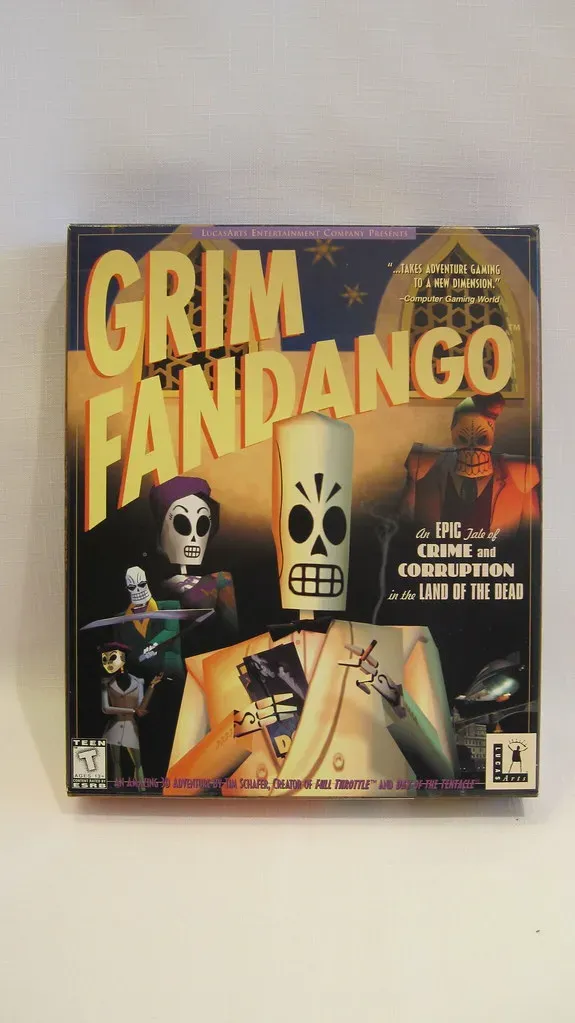
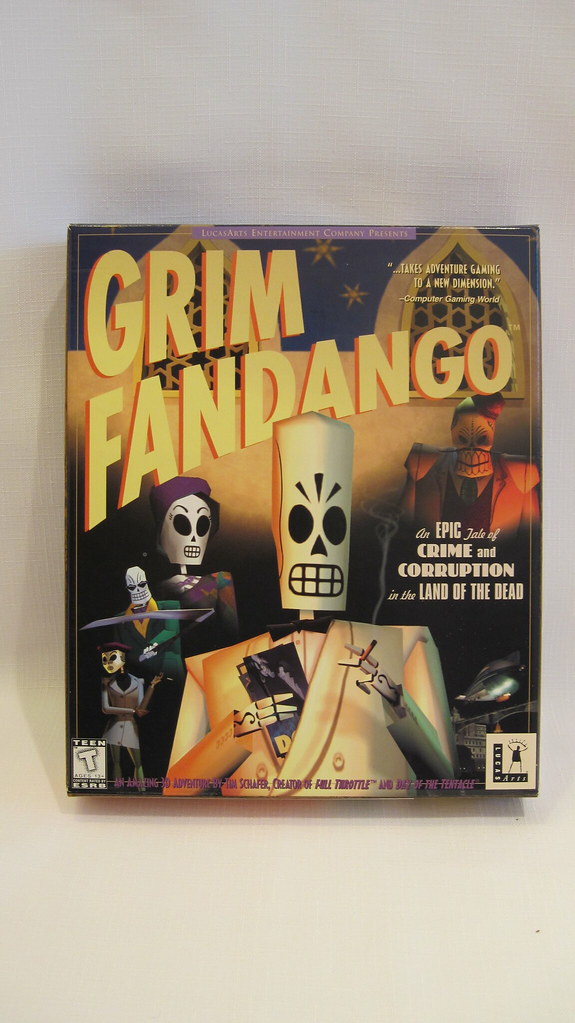
LucasArts launched Grim Fandango in 1998, a noir styled adventure set in the Land of the Dead. Reviewers praised its art, music, and writing, yet sales were underwhelming, and the adventure genre was declining. The game is often mentioned as part of the genre’s commercial slump in the late 1990s.
Interest never really faded among fans. Double Fine, working with Tim Schafer, released a remastered version in 2015 for modern platforms. That release put the game in front of a new audience and cemented its place in adventure game history.
Final Thoughts
Each of these eight games found its audience after launch, through remasters, re releases, sequels, or sustained fan support. Their stories show that a weak first sales run does not always decide a game’s long term place in gaming history.