
Some records sound fine on a kitchen speaker. Others seem to hide half their personality until you put on a good pair of headphones and shut the door. Fans keep returning to the same handful of albums when someone asks what to hear that way.
The list below leans on documented production details, such as who engineered what, how it was recorded, and which mixes exist. It doesn’t depend on hype. Eight albums, eight reasons to grab your headphones.
The Dark Side of the Moon by Pink Floyd
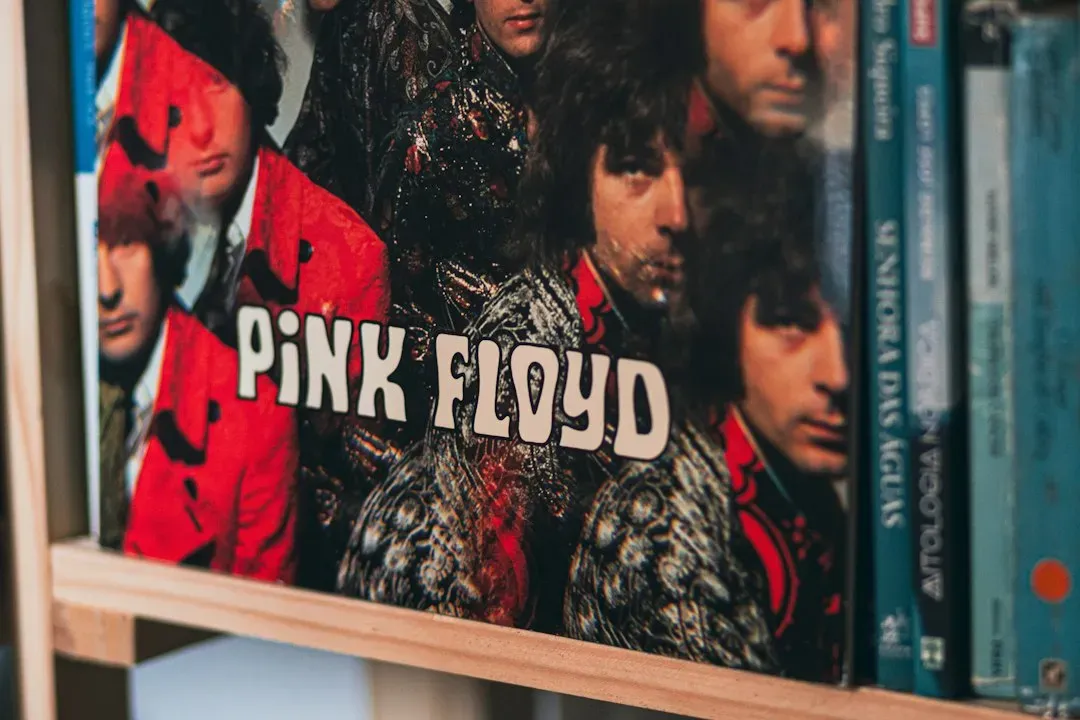
This is the usual first answer, and the reason is easy to hear. Released in 1973 and engineered at Abbey Road by Alan Parsons, the album opens with a heartbeat and then moves sounds around the stereo field. Clocks, cash registers and voices drift from one ear to the other.
The record has stayed in circulation for decades, and it spent well over nine hundred weeks on the Billboard 200 chart. A Dolby Atmos mix by James Guthrie came with the fiftieth anniversary in 2023. The original stereo version is still the best fit for headphones, since it was built around that left and right movement.
Kid A by Radiohead

Radiohead’s 2000 album traded guitars for synthesizers, processed vocals and unusual electronic textures. A lot of it sits in the background of the mix. Small clicks, warbles and buried layers show up clearly on headphones and vanish on laptop speakers.
Fans often say the record sounds different each time they hear it. Part of that comes from how sparse and strange the arrangements are. Close listening lets you follow the individual parts instead of just the mood.
Loveless by My Bloody Valentine

Released in 1991, this album is known for walls of heavily layered, bent guitar. Kevin Shields built the sound through extensive studio work, and the result is more texture than melody. Speakers can turn it into a blur.
Headphones help separate the shimmer from the low end and let you notice how the vocals sit inside the noise. It’s a record where the details are hard to pin down. Closer listening makes the density feel deliberate.
Random Access Memories by Daft Punk
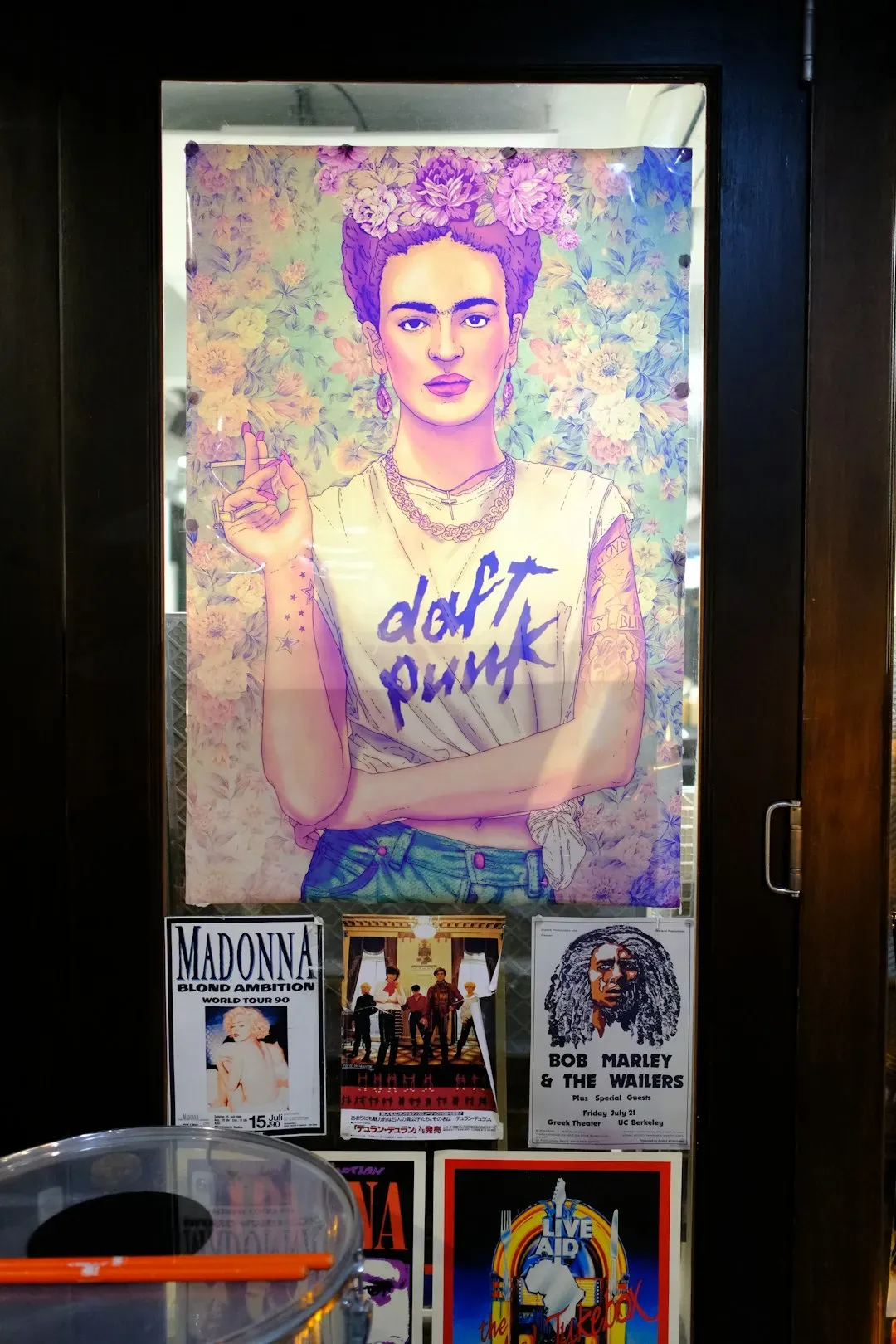
Daft Punk made this 2013 album with live session musicians and a polished analog feel, and it won the Grammy for Album of the Year in 2014. The production is clean and spacious, with drums, bass, strings and vocoder parts each given room. That clarity is where headphones pay off.
Listen for how the instruments are placed and how the low end stays tight. The long, layered tracks reward patience. It’s a disco influenced record made with a studio engineer’s attention to detail.
Partner offer
Kind of Blue by Miles Davis
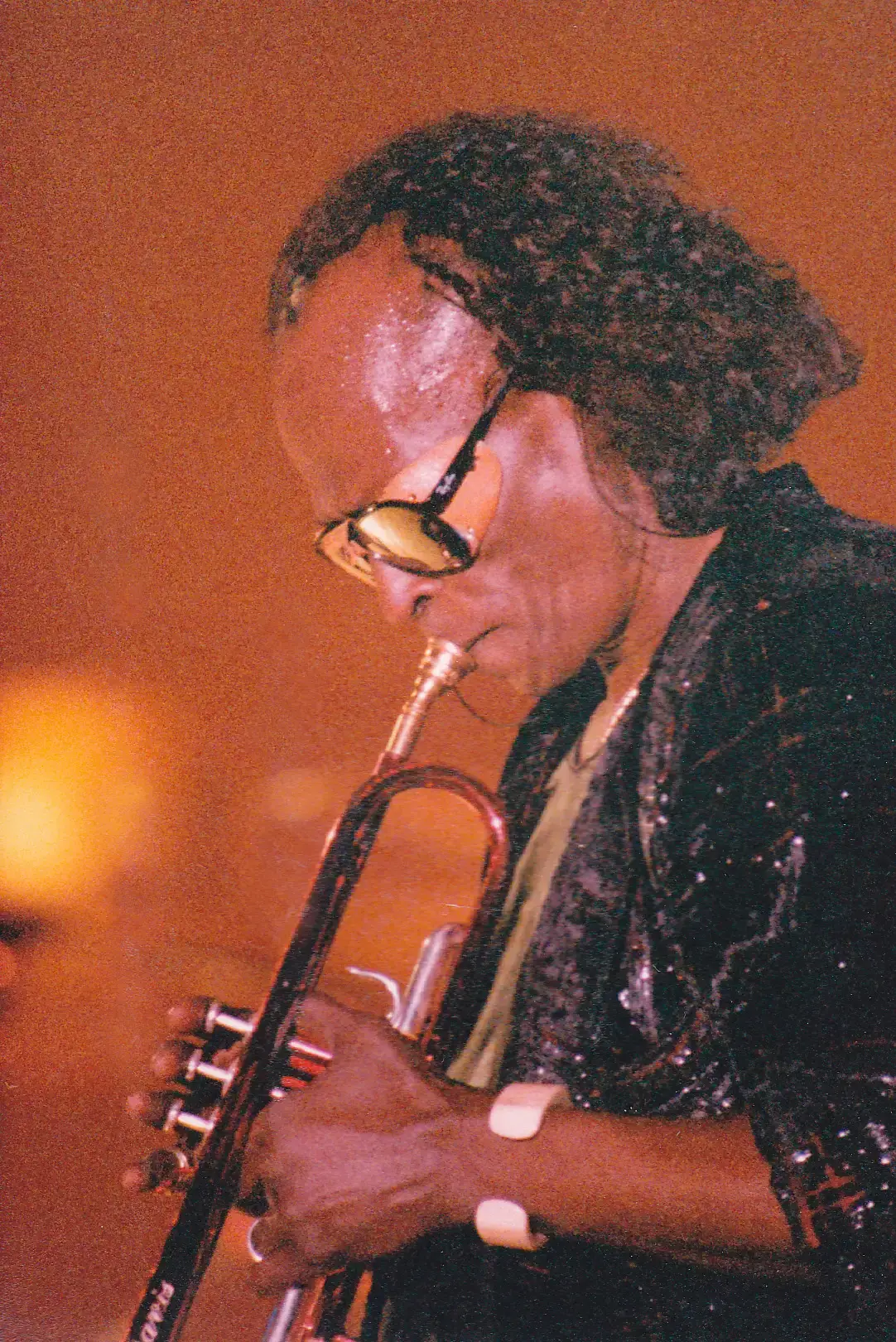
Recorded in 1959, this jazz landmark is often recommended for its natural room sound. The musicians were captured playing together, and the stereo image places the players at distinct points. On headphones you can almost map where each instrument sits.
The quiet passages matter as much as the solos. Bass, piano and cymbals all have a clear, unhurried presence. It’s a good test of whether your headphones handle subtle dynamics well.
Thriller by Michael Jackson
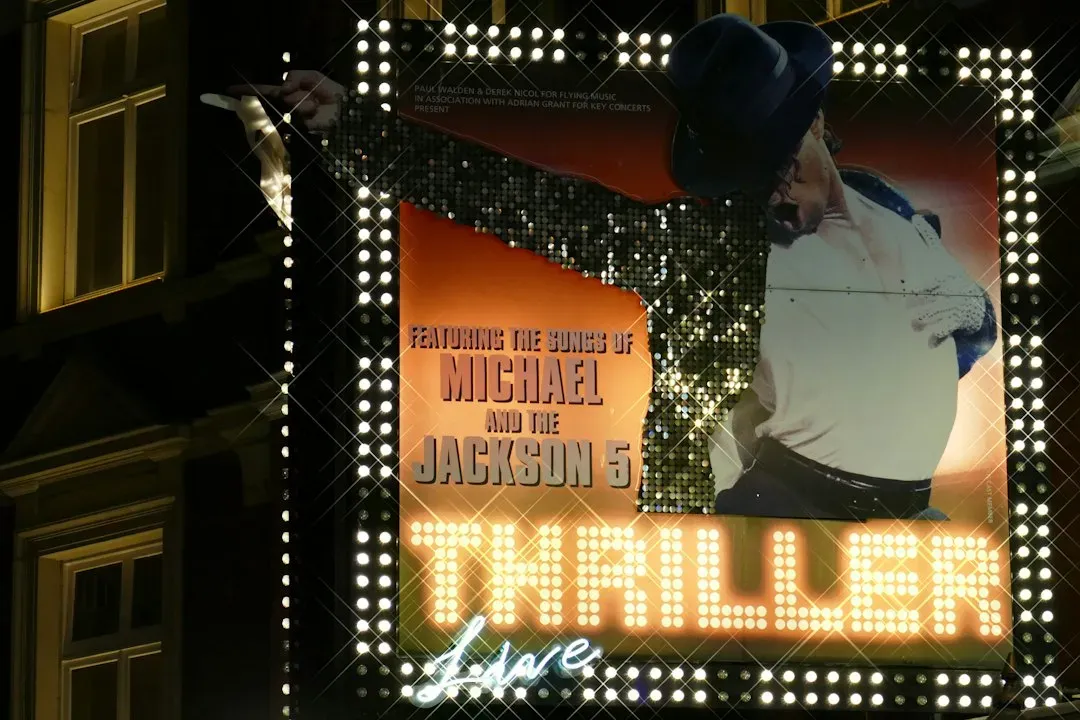
Quincy Jones produced Thriller and Bruce Swedien engineered it, and the album is a standard reference for pop production from 1982. Swedien worked with a recording approach he called Acusonic, and the mixes are known for depth and punch. Bass and percussion sound especially tight.
Headphones reveal the layered backing vocals and the small rhythmic touches under the hits. The record is familiar enough that hearing new details can be a surprise. It rewards a listener who thought they already knew it.
Pet Sounds by The Beach Boys

Brian Wilson built this 1966 album with an unusually wide range of instruments, from strings and horns to percussion and bicycle bells. The arrangements are dense, and the vocal harmonies stack in complicated ways. Headphones make it easier to pick out each part.
The album was originally mixed in mono, and Giles Martin produced a new stereo mix in 2017 for its anniversary edition. Many fans use that version for close listening. It’s worth hearing both to compare how the layers are balanced.
When We All Fall Asleep, Where Do We Go? by Billie Eilish
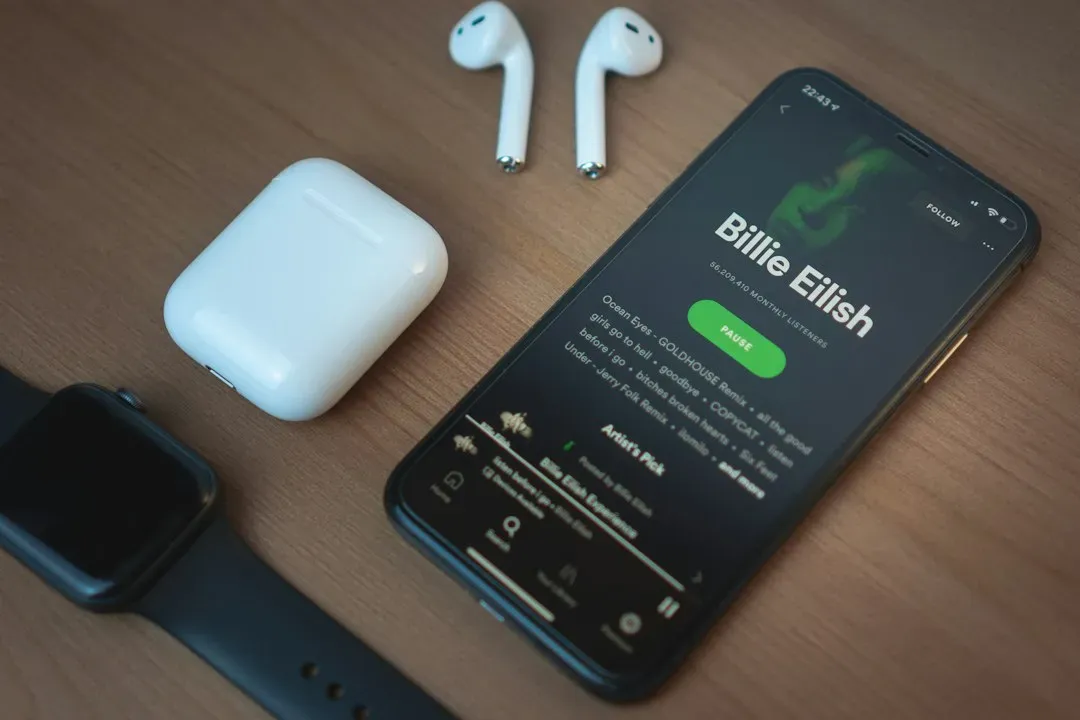
Billie Eilish and her brother Finneas made this 2019 album largely in a small home setup. The production relies on close, intimate vocals, whispers, sub bass and odd little sound effects. Headphones put the voice right next to your ear, which is clearly part of the intent.
The low end is a big feature, so a pair with decent bass control helps. Detailed moments include breaths, textures and sudden shifts in space. It’s a modern example of an album that really benefits from private listening.
Practical Tips for Listening
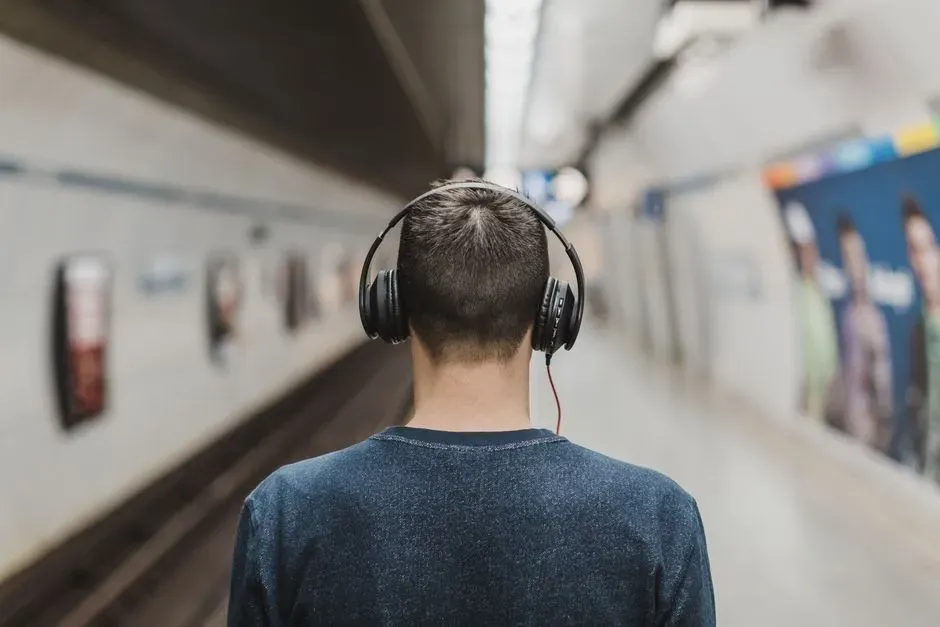
Use a good quality file or a lossless streaming option when you can, since compressed audio can flatten fine detail. Over ear headphones with a neutral sound tend to suit these albums best. Keep the volume moderate to protect your hearing.
Listen start to finish, ideally without interruptions. Most of these records were designed as complete works. Picking just one track can miss the point.
Partner offer
Planning a trip to Vegas?
Compare hotel rates and show tickets on VEGAS.com.