Long before anyone talked about pixels or rendering, filmmakers were already making audiences believe in rockets, giant apes and invisible men. They did it with glass, mirrors, clay, paint, and a lot of patience.
The methods were physical and often surprisingly simple. Many of them were worked out by trial and error in small studios, and a good number still shape how movies are made today.
The Accidental Magic of the Stop Trick
One of the earliest effects was the stop trick. The camera was halted, something in the scene was changed, and filming resumed. Edison’s 1895 short about the execution of Mary, Queen of Scots, is widely cited as an early example, with an actor swapped for a dummy at the key moment.
Georges Méliès, a French magician turned filmmaker, took the idea much further. He used it to make people vanish and objects transform, and the audience read it as magic. To him, the camera was just another stage prop.
Méliès and the Handmade Dream of 1902
His best known film, A Trip to the Moon from 1902, shows how many tricks could be layered together. He combined painted backdrops, stage machinery, dissolves between shots, and multiple exposures. Each frame was built like a theater set, only photographed.
The film’s image of a capsule lodged in the Moon’s eye became one of cinema’s most recognized pictures. It also set a pattern that lasted for decades, which was to design the illusion in front of the lens whenever possible.
Glass Shots and Matte Paintings
Building a full castle or city was expensive, so filmmakers painted the missing parts. Norman Dawn is credited with pioneering the glass shot around 1907, when he painted on a pane of glass placed in front of the camera. The live scene showed through the clear areas, and the painting filled in the rest.
Later, painters worked on glass placed between the camera and the set, or added their work to the film itself in the lab. The approach let studios show towering palaces and distant skylines for a fraction of the cost of real construction. Done well, the seam was nearly impossible to spot.
Miniatures and Mirror Tricks
Scale models gave directors a way to destroy things safely. A burning city or a sinking ship could be built small, then filmed so it felt enormous. Filming at higher speeds helped, because it slowed water and flames down on screen and made them look heavier.
Fritz Lang’s Metropolis in 1927 used the Schüfftan process, named for cinematographer Eugen Schüfftan. A angled mirror reflected a miniature set while clear patches let actors appear to stand inside it. The result placed performers inside towering architecture that never existed.
Stop Motion and the Birth of King Kong
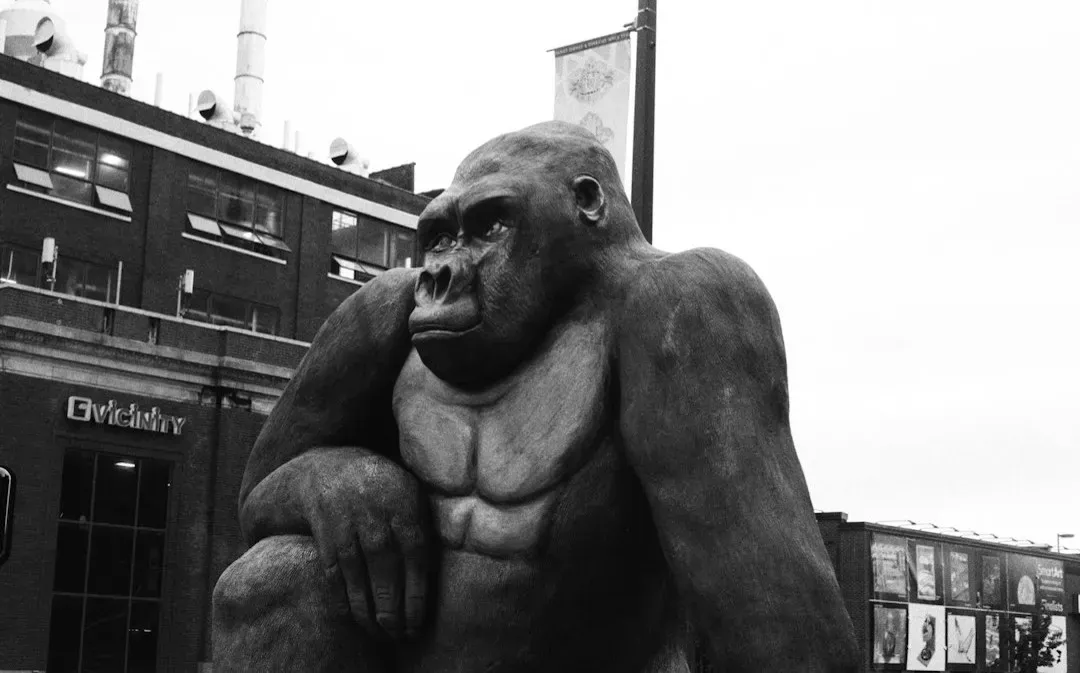
Willis O’Brien brought dinosaurs to life in The Lost World in 1925. He moved detailed models a tiny amount, photographed each frame, and repeated the process thousands of times. When played back at normal speed, the models seemed to walk and fight.
He applied the same craft to King Kong in 1933, working with model maker Marcel Delgado. The film also blended miniatures, rear projection, and live action in single shots. It remains a landmark of hand built animation.
Rear Projection and Traveling Mattes
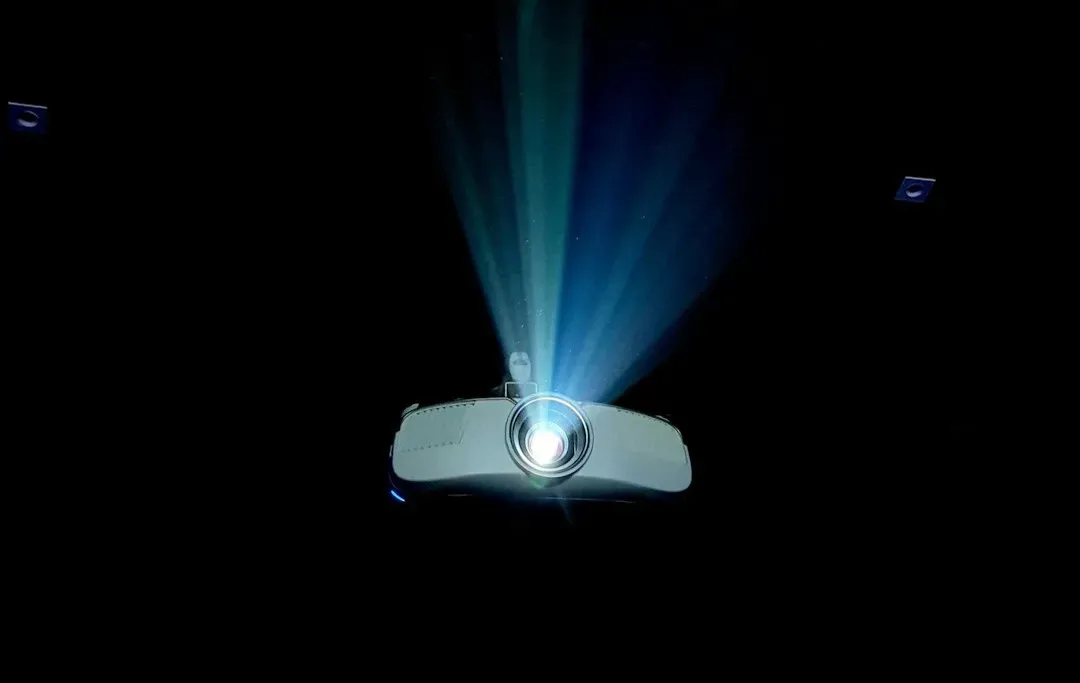
Rear projection placed a moving image on a screen behind actors, so they seemed to be in a car, on a ship, or in another country. It saved crews from hauling stars to distant locations. The look sometimes gave itself away, but it was a studio workhorse for years.
Traveling mattes solved a harder problem, which was combining separate pieces of film into one image. John P. Fulton used a black backing process on The Invisible Man in 1933. Actors in black velvet were filmed against a dark background so the effect could be composited onto other footage.
The Optical Printer Changes the Lab
Compositing eventually moved into the lab. Linwood Dunn, who worked at RKO, became one of the best known figures behind the optical printer, a machine that rephotographs film from several sources onto a new strip. It allowed fades, wipes, and layered images with precision.
Dunn’s work appeared in films such as Citizen Kane in 1941, where seamless combined shots helped establish the film’s grand scale. The Academy recognized the growing importance of effects early on. It handed out an engineering effects award at the first ceremony, won by Wings, and a special effects category followed with The Rains Came taking the prize at the ceremony after the 1939 season.
Makeup, Wires, and Practical Spectacle
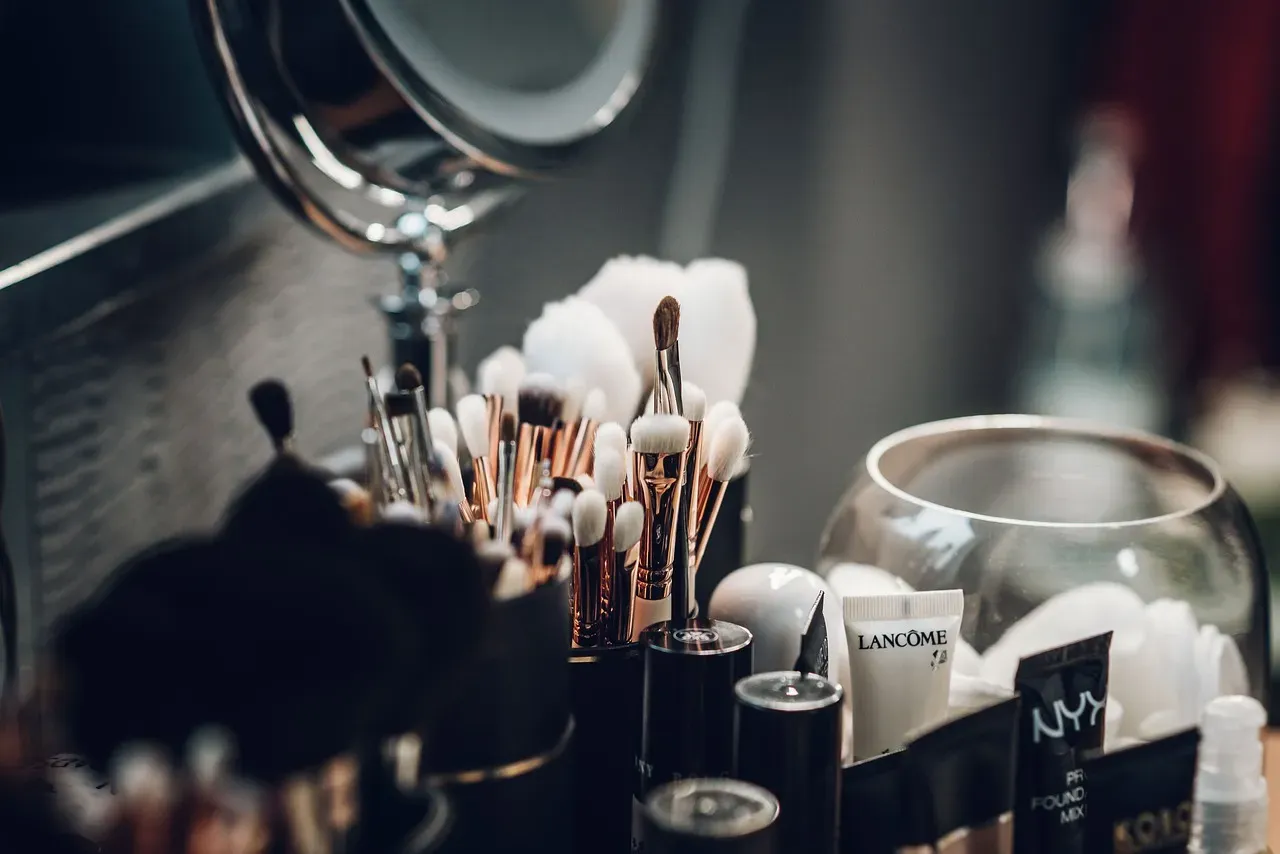
Not every effect involved a camera trick. Lon Chaney built his own horrifying looks for The Hunchback of Notre Dame in 1923 and The Phantom of the Opera in 1925. Jack Pierce later created the flat headed look of Frankenstein’s monster in 1931.
Stunts and rigging added their own illusions. Douglas Fairbanks flew on a hidden rig in The Thief of Bagdad in 1924, and The Wizard of Oz in 1939 sent its tornado spinning with a long muslin windsock. These tricks relied on real objects in real space, which is part of why many still hold up.
What These Methods Left Behind
Many of today’s digital tools copy ideas from this era. Green screens follow the logic of traveling mattes, digital matte paintings echo the glass shot, and motion capture carries on the principle of recording movement frame by frame.
The craftspeople who made these effects worked within strict limits. Film could not be undone, so planning, measuring, and testing came first, and the results were captured directly on celluloid.