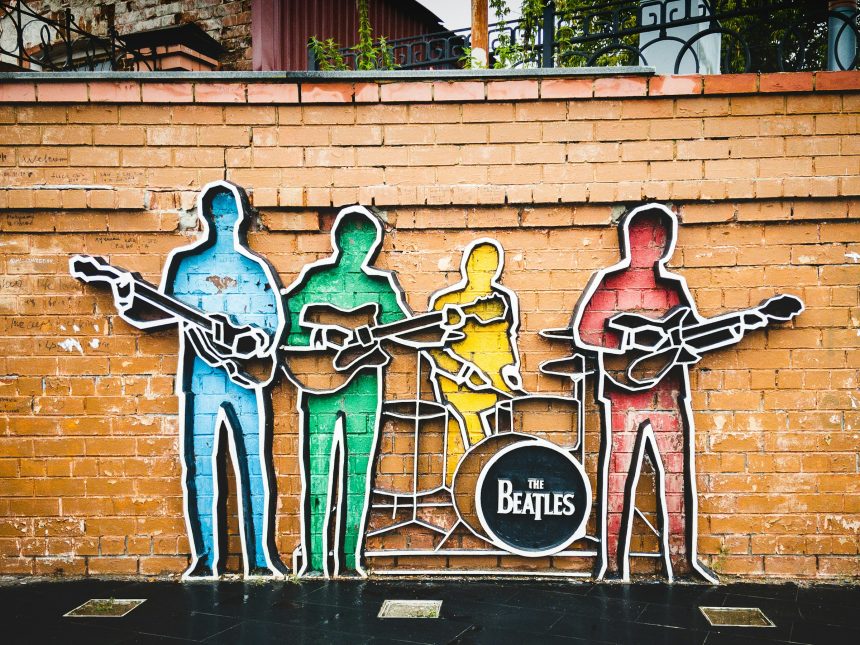
Most songs keep their locations vague. A few name a real street, and that detail can turn a three minute track into something you could walk through with a map. Some of these places are famous, some are tied to one person’s memory, and a couple have been changed by the songs written about them.
The eight songs below all point to streets or addresses you can find today. Each entry covers where the place is, what the song did for it, and what you’ll see if you visit.
Penny Lane by The Beatles
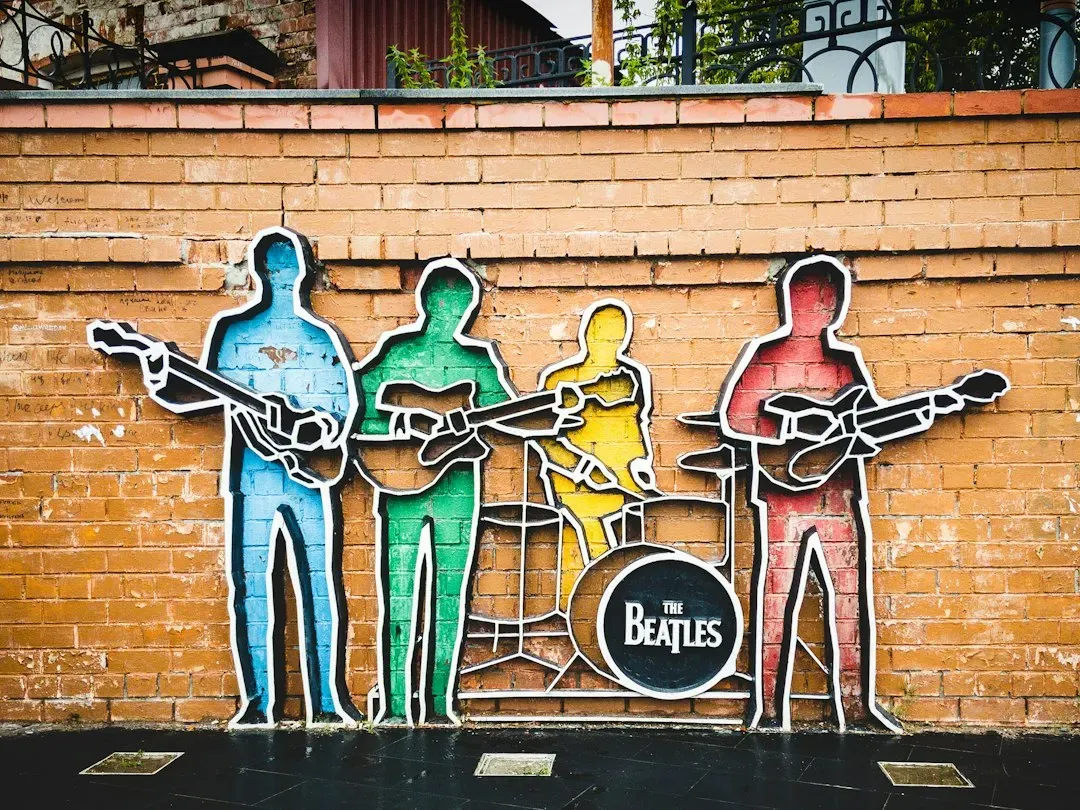
Released in early 1967, this Beatles single is named for a real Liverpool street. Paul McCartney sings lead, and the lyrics draw on everyday scenes from the area around the Penny Lane junction in south Liverpool. The song came out alongside Strawberry Fields Forever, and both tracks looked back at the band’s Liverpool childhood.
The street sign became a collectible. Signs were stolen so often that the council began painting the street name directly onto nearby walls. Today the junction is a stop on Beatles tours, and the painted name is still part of the picture.
Baker Street by Gerry Rafferty
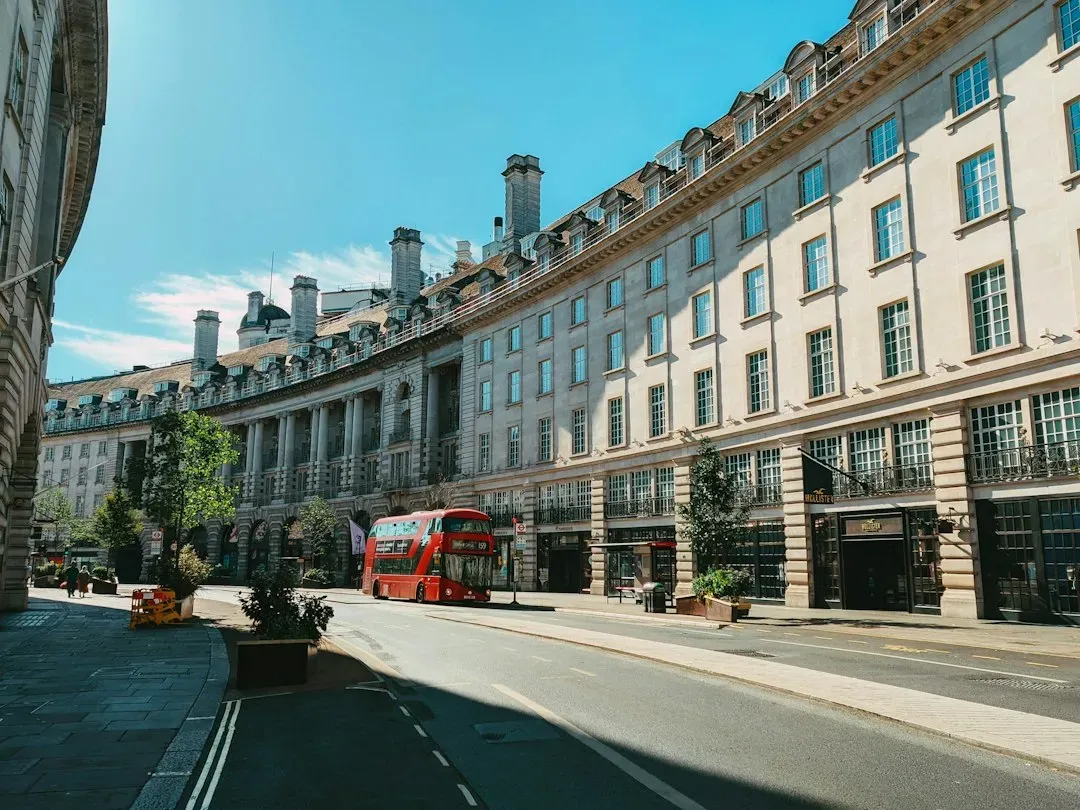
Gerry Rafferty’s 1978 hit takes its title from the busy London street in Marylebone. The song appeared on the album City to City and became a top ten hit in both the UK and the US. Most listeners remember the saxophone riff, played by Raphael Ravenscroft, more than any single lyric.
Baker Street also carries a famous fictional address. The Sherlock Holmes Museum sits at 221B Baker Street and opened in 1990, though that number is a literary invention from the Conan Doyle stories. Rafferty’s song has nothing to do with Holmes, but the two share the street’s name recognition.
Electric Avenue by Eddy Grant
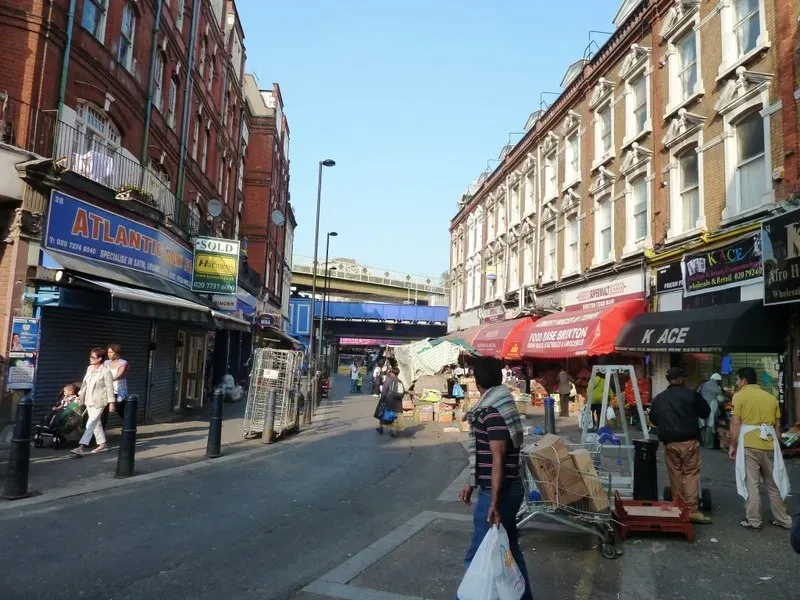
Eddy Grant’s 1983 single is named for Electric Avenue in Brixton, south London. The street was among the first in London to be lit by electricity, which explains the name. The song reached number two on both the UK and US charts, which is a rare feat for a track about a market street.
Grant wrote it in response to the unrest and hardship around Brixton in the early 1980s, including the riots of April 1981. Electric Avenue is still a working market street, lined with stalls and food shops. Visitors can walk it in a few minutes from Brixton Underground station.
Chelsea Hotel No. 2 by Leonard Cohen
This song comes from Leonard Cohen’s 1974 album New Skin for the Old Ceremony. It centers on the Chelsea Hotel at 222 West 23rd Street in Manhattan, long known as a home for artists, writers and musicians. The address is as much a character in the song as the people it describes.
Cohen later said he regretted revealing the identity of the woman the song is about. The building itself has been through years of renovation and changing ownership. Its place in music history stays fixed to that single address on West 23rd Street.
Blue Jay Way by The Beatles
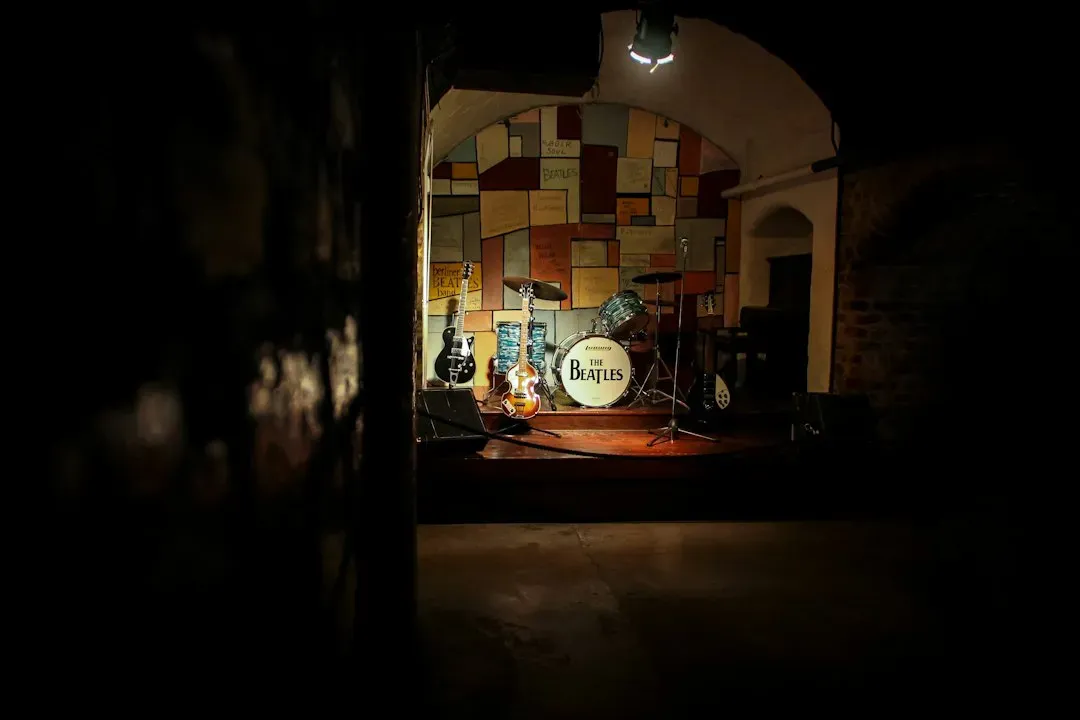
George Harrison wrote this track in Los Angeles in August 1967, and it appeared on the Magical Mystery Tour release later that year. He was staying in a rented house on Blue Jay Way, a winding street in the Hollywood Hills. Press officer Derek Taylor had been delayed by fog, and Harrison passed the wait by writing the song.
Harrison reportedly wrote it on a small organ that was in the house. The slow, hazy sound suits the late night mood that inspired it. Blue Jay Way is still a residential street, and the song is the main reason most fans know it exists.
Champs Élysées by Joe Dassin
Joe Dassin recorded this French version in 1969, adapting an English song called Waterloo Road. The lyrics invite anyone to wander the famous Paris avenue at any hour. It became one of the best known French pop songs abroad, and people still sing it at gatherings around the world.
The Champs Élysées runs just under two kilometers through Paris, ending at the Arc de Triomphe. It’s also the traditional finish of the Tour de France. In 2024 the race ended in Nice instead, because Paris was preparing to host the Olympic Games.
Positively 4th Street by Bob Dylan
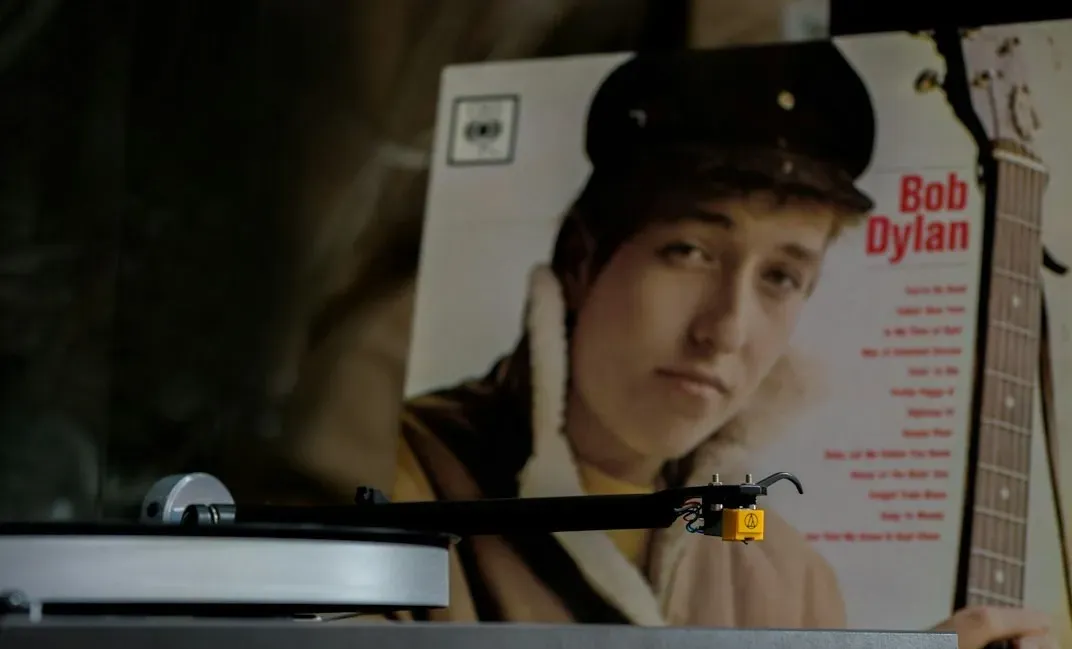
Bob Dylan released this single in 1965, soon after Like a Rolling Stone, and it reached the US top ten. The title is usually linked to West 4th Street in Greenwich Village, a hub of the early 1960s folk scene. Dylan’s own comments on the song’s meaning have been sparse, so fans still debate who it is aimed at.
West 4th Street is a real Manhattan thoroughfare and also a subway stop. The nearby clubs and cafés helped launch many folk musicians in that era. The song’s title remains a quick shorthand for that corner of New York.
Bleecker Street by Simon and Garfunkel
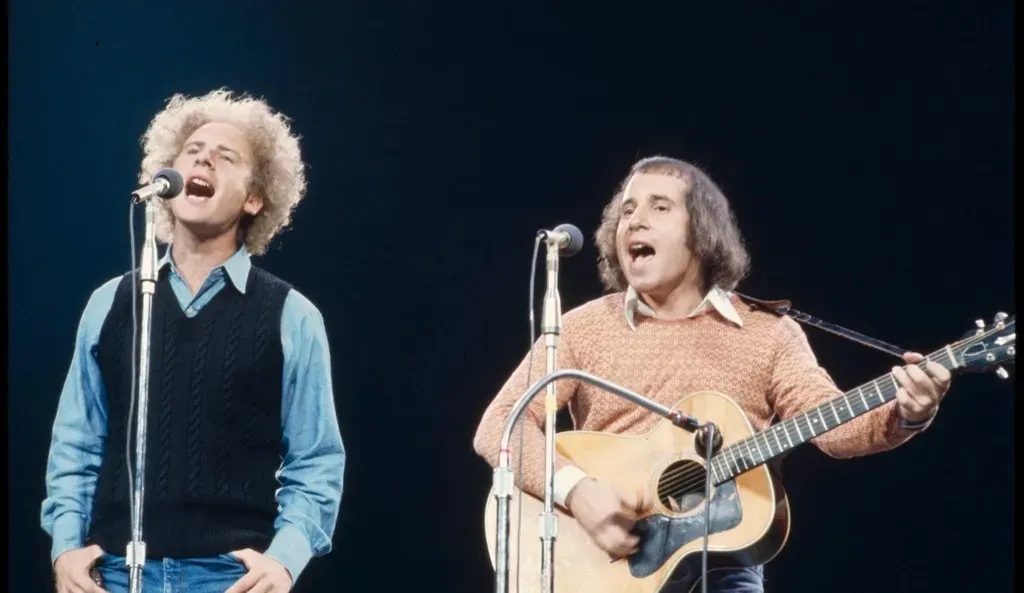
This quiet folk song appeared on the duo’s 1964 debut album, Wednesday Morning, 3 A.M. It names Bleecker Street, one of the main routes through Greenwich Village. The track is gentle and observational, more a snapshot of a neighborhood than a story.
Bleecker Street was home to coffeehouses and small music venues during the folk revival. Today it mixes boutiques, restaurants and a few surviving music spots. Walking it with the song in your headphones is a popular way to connect the music to the place.