Some titles feel so familiar that it’s hard to remember where you first met them. Maybe it was a paperback on a relative’s shelf, or a late night showing on TV. The line between page and screen blurs quickly.
Here are nine well known titles, each with a quick look at where it actually started and where it ended up. Some began as novels, one was born as a film, and one has stayed stubbornly on paper.
Jaws
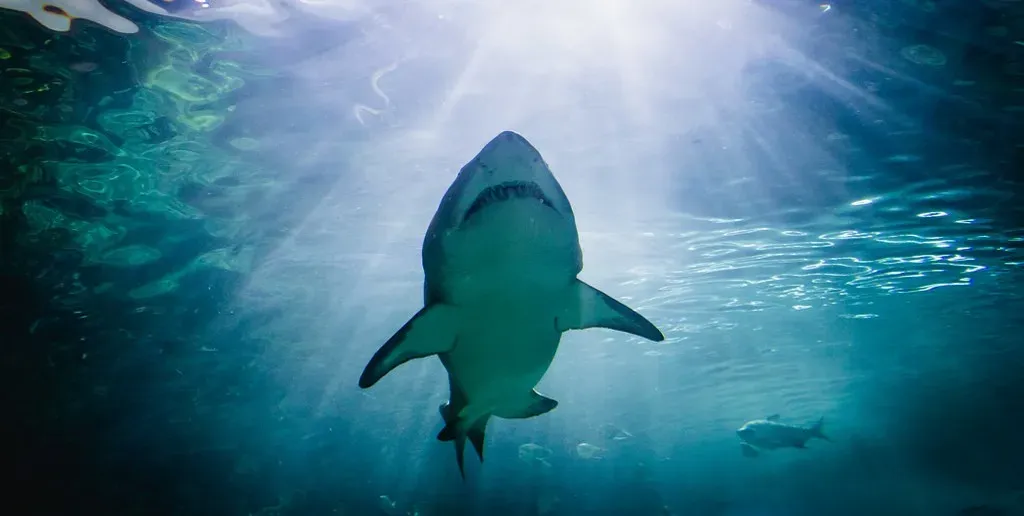
This one is both. Peter Benchley published the novel in 1974, and Steven Spielberg’s film followed in 1975. Benchley also worked on the screenplay.
The movie is widely credited with shaping the modern summer blockbuster. The book is a bit different in tone, with more attention to the town’s human drama than the film gives it.
The Godfather
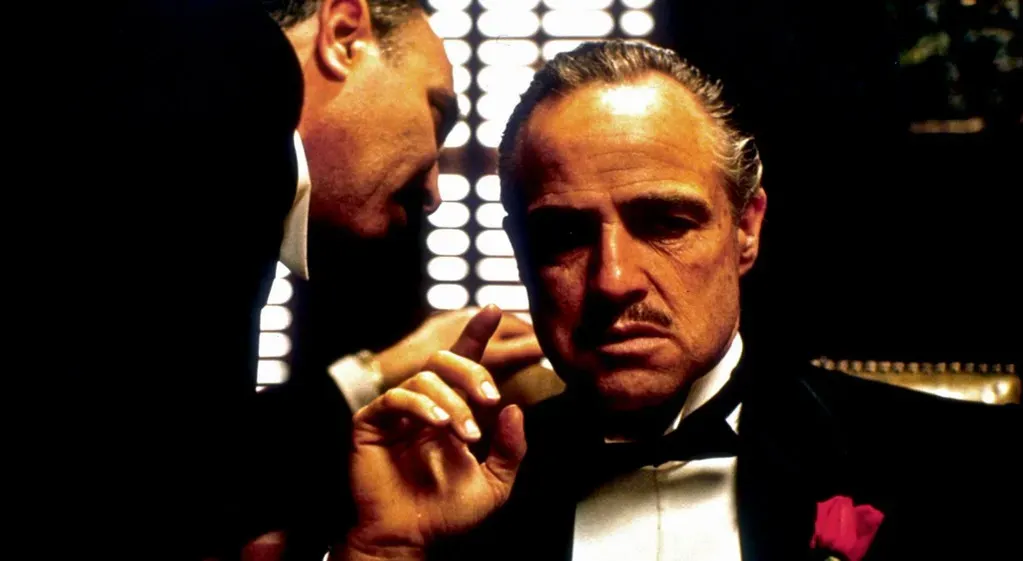
Both again. Mario Puzo’s novel came out in 1969, and Francis Ford Coppola’s film arrived in 1972. Puzo shared screenplay credit with Coppola.
The film won the Academy Award for Best Picture, and Puzo and Coppola won for adapted screenplay. For many viewers the movie has overshadowed the book, though the novel remains a strong read.
Citizen Kane
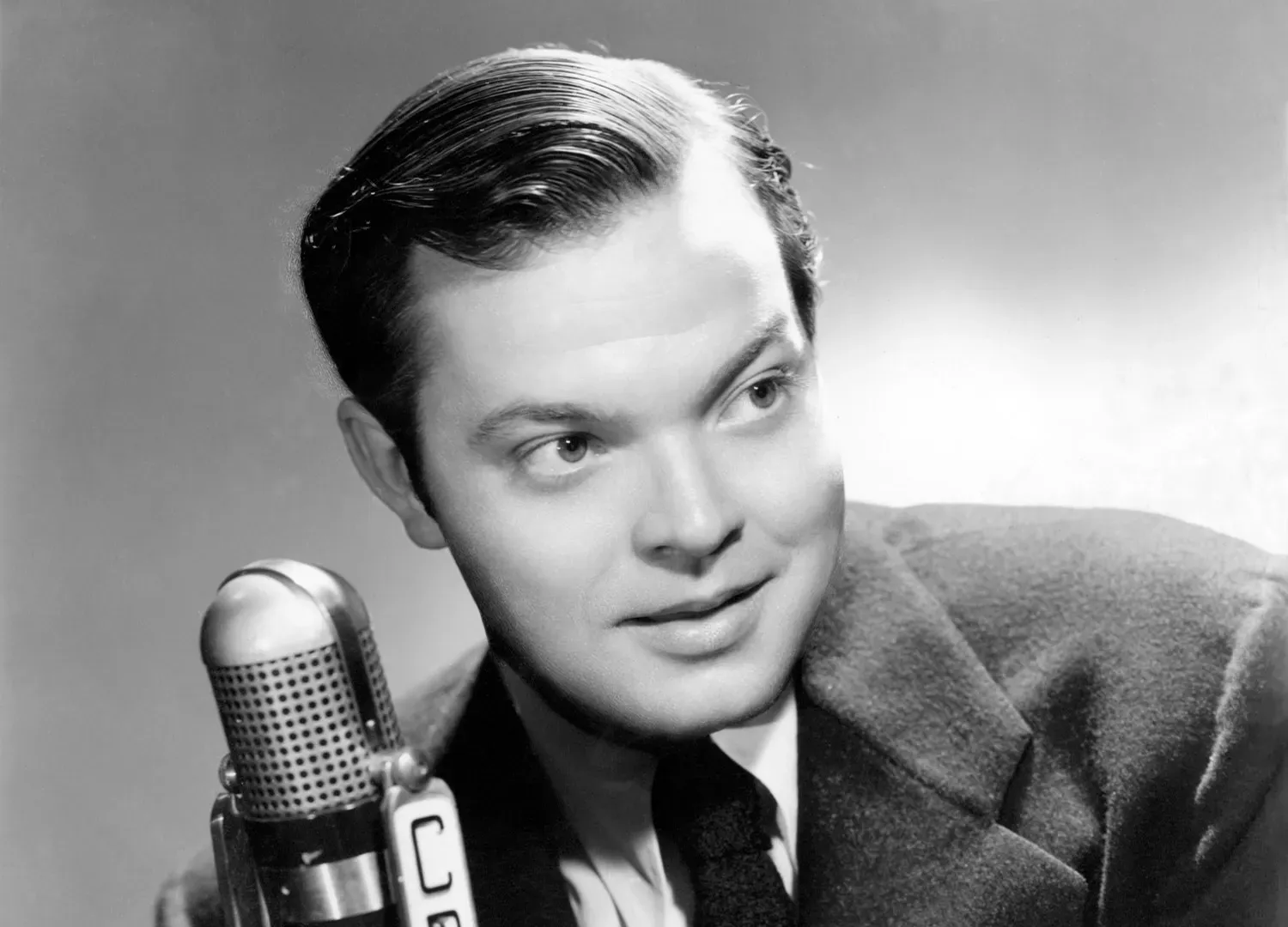
This is a movie, full stop. Orson Welles directed and starred in it, and it reached theaters in 1941. It was not adapted from a novel.
Welles and Herman Mankiewicz won the Oscar for Best Original Screenplay. It’s a good reminder that some of cinema’s most famous stories were written for the screen from the start.
Infinite Jest
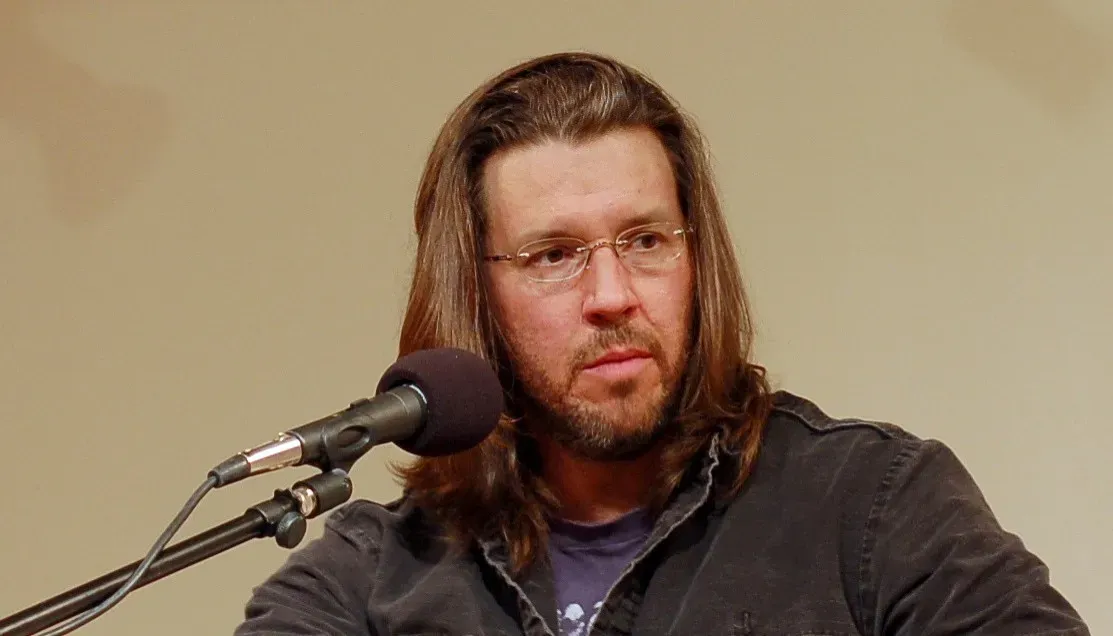
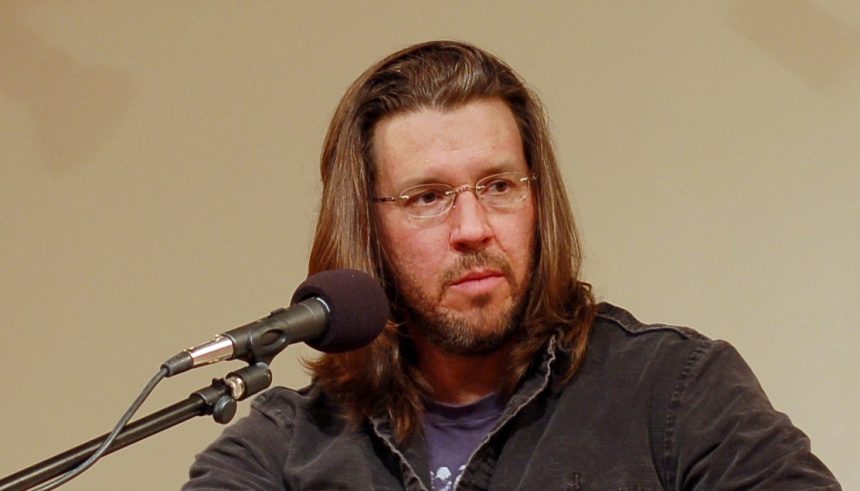
Here’s the book only entry. David Foster Wallace published it in 1996, and it runs to roughly one thousand pages with extensive endnotes. There’s no film adaptation of the novel itself.
A 2015 film called The End of the Tour is about Wallace, but it isn’t an adaptation of this book. If you assumed Infinite Jest had a screen version, you’re not alone, since its reputation is so large.
Dune

Both, and more than once. Frank Herbert’s novel appeared in 1965. David Lynch directed a film in 1984, and Denis Villeneuve released Dune in 2021, followed by Dune: Part Two in 2024.
Villeneuve split Herbert’s story across two films. That choice gave the dense plot room to breathe, which the 1984 version never had.
Psycho
Another both. Robert Bloch wrote the novel in 1959, and Alfred Hitchcock’s film came out in 1960. Joseph Stefano wrote the screenplay.
Bloch’s story was loosely inspired by the crimes of Ed Gein. Hitchcock’s movie became the more famous version by far, even though it began as a fairly modest paperback.
The Shawshank Redemption
Both, with a twist. The film began as a novella by Stephen King, called Rita Hayworth and Shawshank Redemption, in his 1982 collection Different Seasons. Frank Darabont wrote and directed the 1994 film.
The film earned seven Oscar nominations but didn’t win any. Its reputation grew afterward through home video and television, and it’s now one of the most beloved films around.
Gone Girl
Both, and a tidy example of the author staying involved. Gillian Flynn published the novel in 2012, and David Fincher directed the film in 2014. Flynn wrote the screenplay herself.
That helped the movie keep the book’s major twist and its sour, tricky tone. Few adaptations feel this close to their source.
Fahrenheit 451
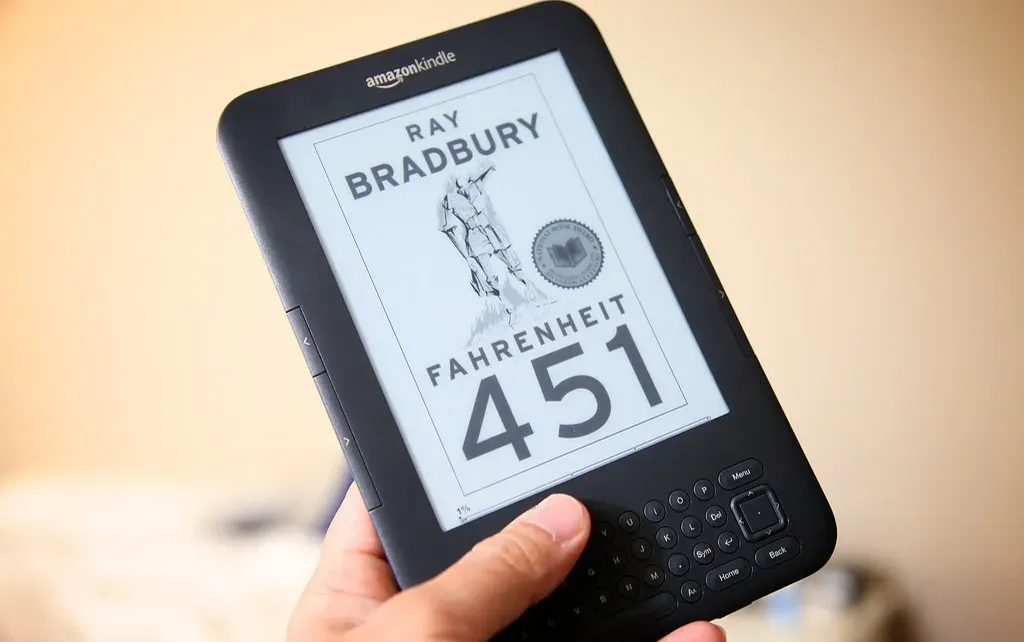
Both, and it has returned to the screen more than once. Ray Bradbury’s novel came out in 1953. François Truffaut directed a film version in 1966, and HBO released another in 2018 starring Michael B. Jordan.
The story of a future where books are burned has proved durable. Each new adaptation reflects the worries of its own era.
The Takeaway
Of these nine, seven exist as both book and film, one is a film only, and one is a book only. Checking the original publication date is the quickest way to know which came first.