Plenty of films we think of as pure cinema started life on a printed page. Sometimes the book is so overshadowed by its screen version that people forget it exists at all. Other times the author’s name is known, but the specific novel gets lost.
Here are eleven well known movies and the books that started them. Test yourself before reading each answer, and see how many you already knew.
Jaws (1975)
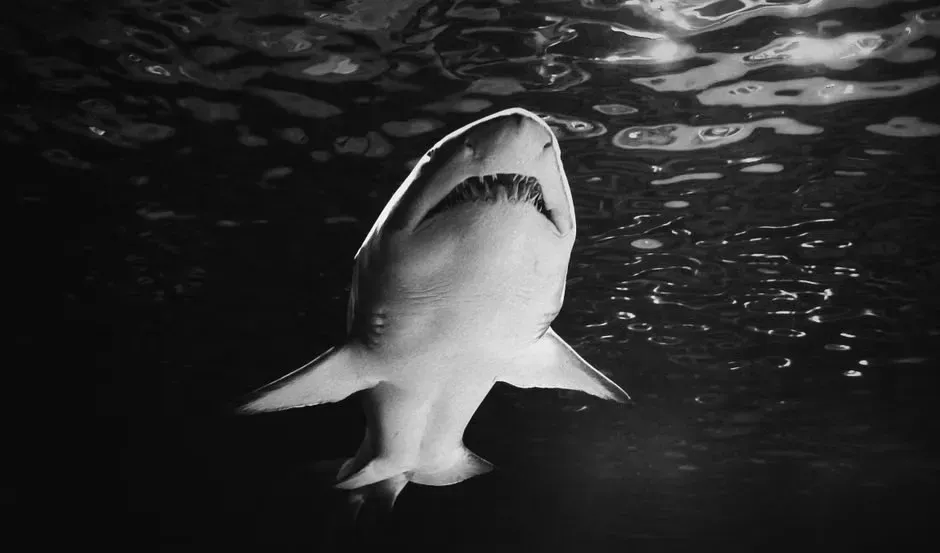
Steven Spielberg’s summer thriller came from Peter Benchley’s novel of the same name, published in 1974. The book follows a great white shark terrorizing the fictional beach town of Amity.
The film changed a fair amount, trimming subplots and softening some of the book’s more soap operatic drama. Benchley also worked on the early screenplay drafts. The movie became a landmark of summer blockbuster filmmaking.
The Shining (1980)
Stanley Kubrick’s chilling horror film was adapted from Stephen King’s 1977 novel. Both tell the story of Jack Torrance, a struggling writer who takes a winter caretaker job at an isolated hotel.
King has been openly critical of Kubrick’s version over the years. The two tell the story quite differently, especially in how Jack’s descent unfolds. King later wrote a sequel novel, Doctor Sleep, which was adapted into a film in 2019.
Blade Runner (1982)
Ridley Scott’s moody science fiction film is based on Philip K. Dick’s 1968 novel Do Androids Dream of Electric Sheep? The book follows a bounty hunter named Rick Deckard who tracks down rogue androids.
The title change is one reason many viewers never connect the two. The novel leans heavily on questions about empathy and what separates humans from machines. The film kept those ideas but shifted the tone and the visual world.
Psycho (1960)
Alfred Hitchcock’s famous thriller was adapted from Robert Bloch’s 1959 novel of the same name. Bloch’s story was loosely inspired by the crimes of Wisconsin killer Ed Gein.
Hitchcock reportedly bought the rights quietly, hoping to keep the twist from spreading. The film’s screenplay was written by Joseph Stefano. Norman Bates, the book’s unsettling central figure, became one of the most recognizable characters in horror.
The Godfather (1972)
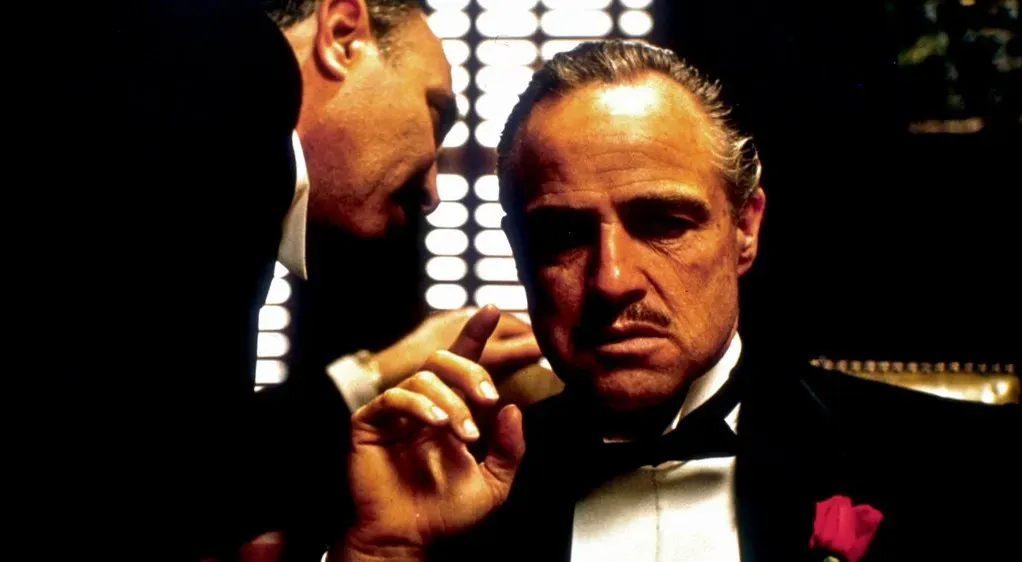
Francis Ford Coppola’s crime epic is based on Mario Puzo’s 1969 novel about the Corleone family. The book was already a hit before the film arrived.
Puzo co-wrote the screenplay with Coppola, which helped keep the story close to its source. The novel includes subplots that the film trims or leaves out. Even so, the movie is often mentioned as one of the great adaptations.
Apocalypse Now (1979)
Coppola’s Vietnam War film drew on Joseph Conrad’s novella Heart of Darkness, first serialized in 1899 and published as a book in 1902. Conrad’s story follows a river journey into the African Congo in search of a mysterious ivory trader named Kurtz.
The film moves the journey to Vietnam and Cambodia. Kurtz remains the haunting destination, though he is recast as a rogue American colonel. It’s a rare case of a century old story fitting a very different conflict.
Clueless (1995)
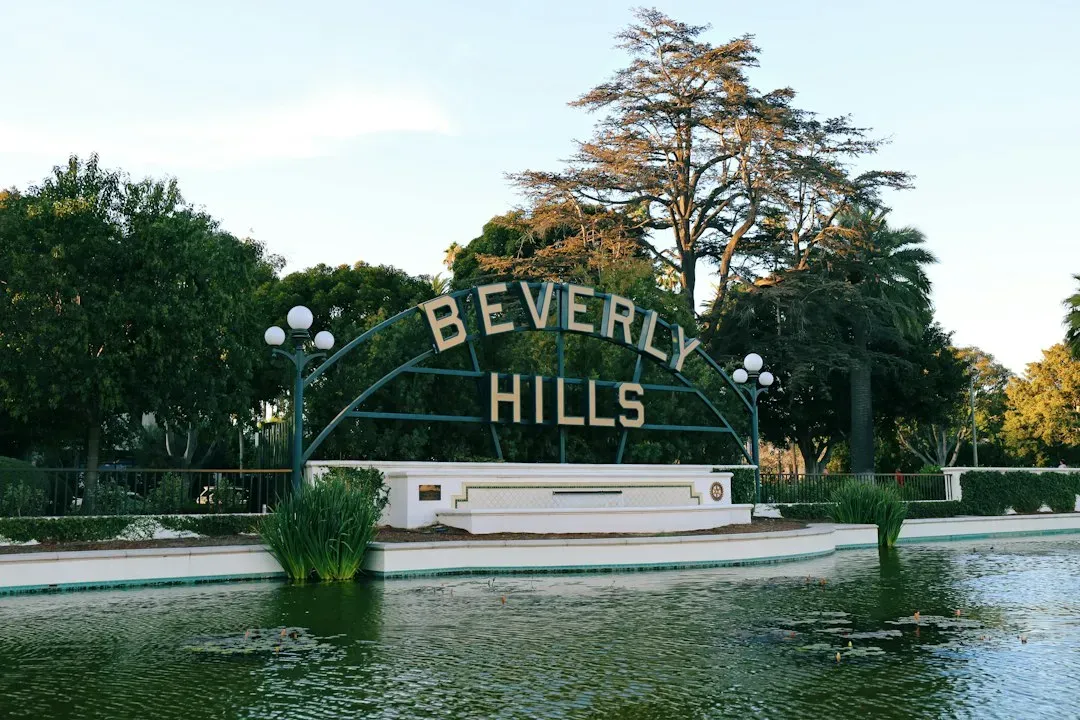
Amy Heckerling’s teen comedy is a modern retelling of Jane Austen’s Emma, which was published in 1815. Cher, the wealthy and well meaning matchmaker, mirrors Emma Woodhouse.
Heckerling moved the setting from Regency England to a Beverly Hills high school. The matchmaking schemes and misjudged romances stayed. Many viewers are surprised to learn how closely the plot follows Austen’s.
Fight Club (1999)
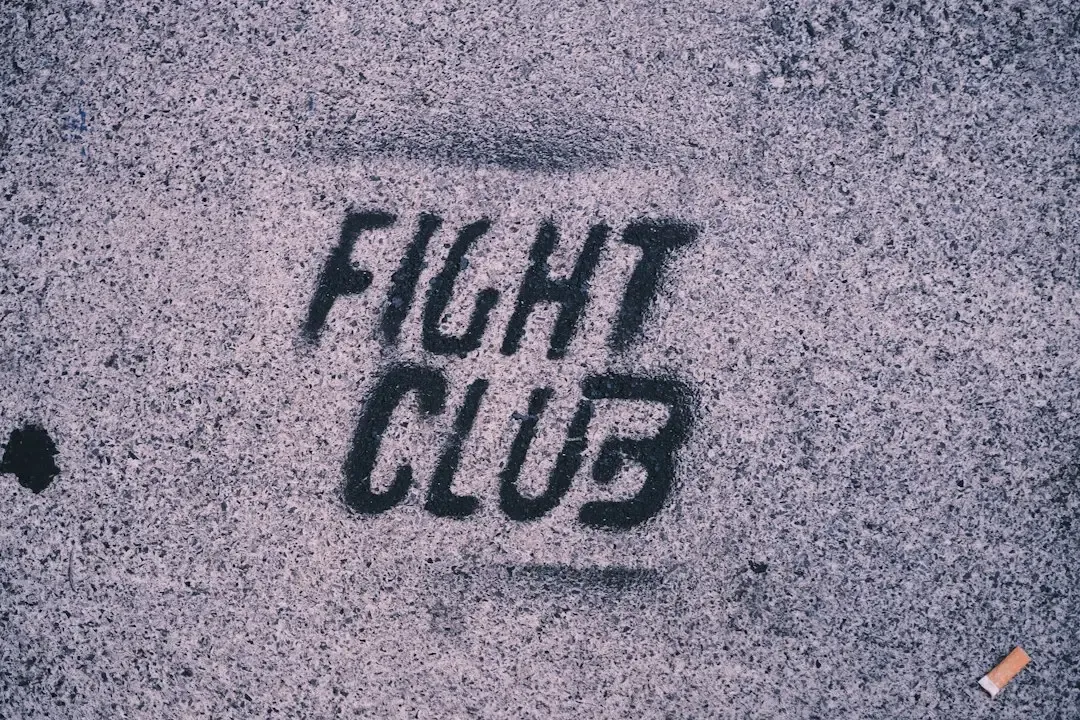
David Fincher’s film is based on Chuck Palahniuk’s 1996 novel, which was his first published book. It follows an unnamed narrator whose life collides with a charismatic soap salesman named Tyler Durden.
The movie was a modest box office performer at first. It later grew into a major cult favorite on home video. The ending differs from the book’s, a change fans still talk about.
Jurassic Park (1993)
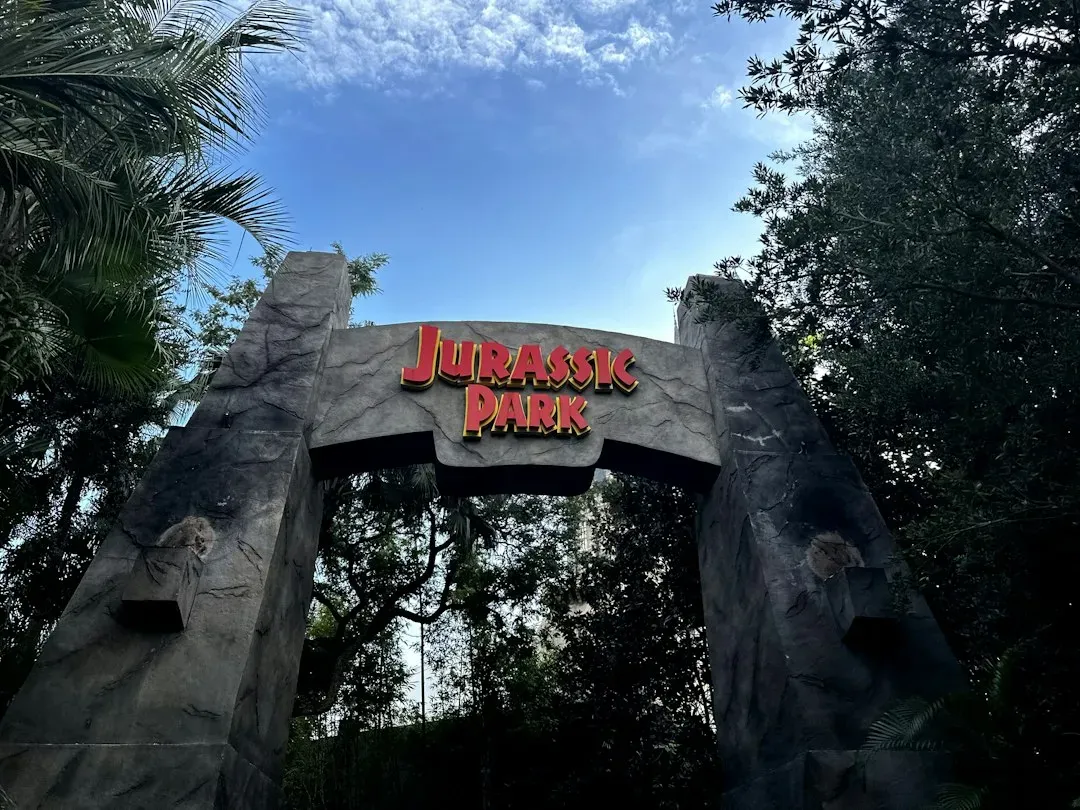
Spielberg’s dinosaur adventure comes from Michael Crichton’s 1990 novel. The book is darker and more technical, with a heavier focus on the dangers of genetic engineering and chaos theory.
Crichton co-wrote the screenplay, but plenty of the novel’s grislier moments were dropped. Some characters also fared differently on the page than on screen. Crichton later wrote a sequel novel, The Lost World, in 1995.
The Princess Bride (1987)
Rob Reiner’s beloved fairy tale comedy is based on William Goldman’s 1973 novel. Goldman also wrote the screenplay, which is a big reason the film feels so faithful to the book’s humor.
The novel is framed as an abridgment of an older text by a fictional author. That playful setup is part of the book’s charm. The movie keeps some of the spirit through its grandfather reading to his grandson.
Dune and Dune: Part Two (2021 and 2024)

Denis Villeneuve’s recent films adapt Frank Herbert’s 1965 novel Dune. The first film, released in 2021, covers roughly the first half of the book, while Dune: Part Two arrived in March 2024.
Herbert’s novel is a sprawling saga of politics, religion, and ecology on the desert planet Arrakis. Earlier screen attempts include David Lynch’s 1984 film. Villeneuve’s split approach gave the dense story far more room to breathe.