The Booker Prize has been handed out since 1969, and its winners tend to land on bedside tables, book club lists and university syllabi for years afterward. Some are doorstop epics. Others, as you’ll see, are short enough to finish in a weekend.
Here are ten winners that span several decades, from a 1981 classic to the most recent result announced this month. Keep a quiet count as you go.
Midnight’s Children by Salman Rushdie (1981)
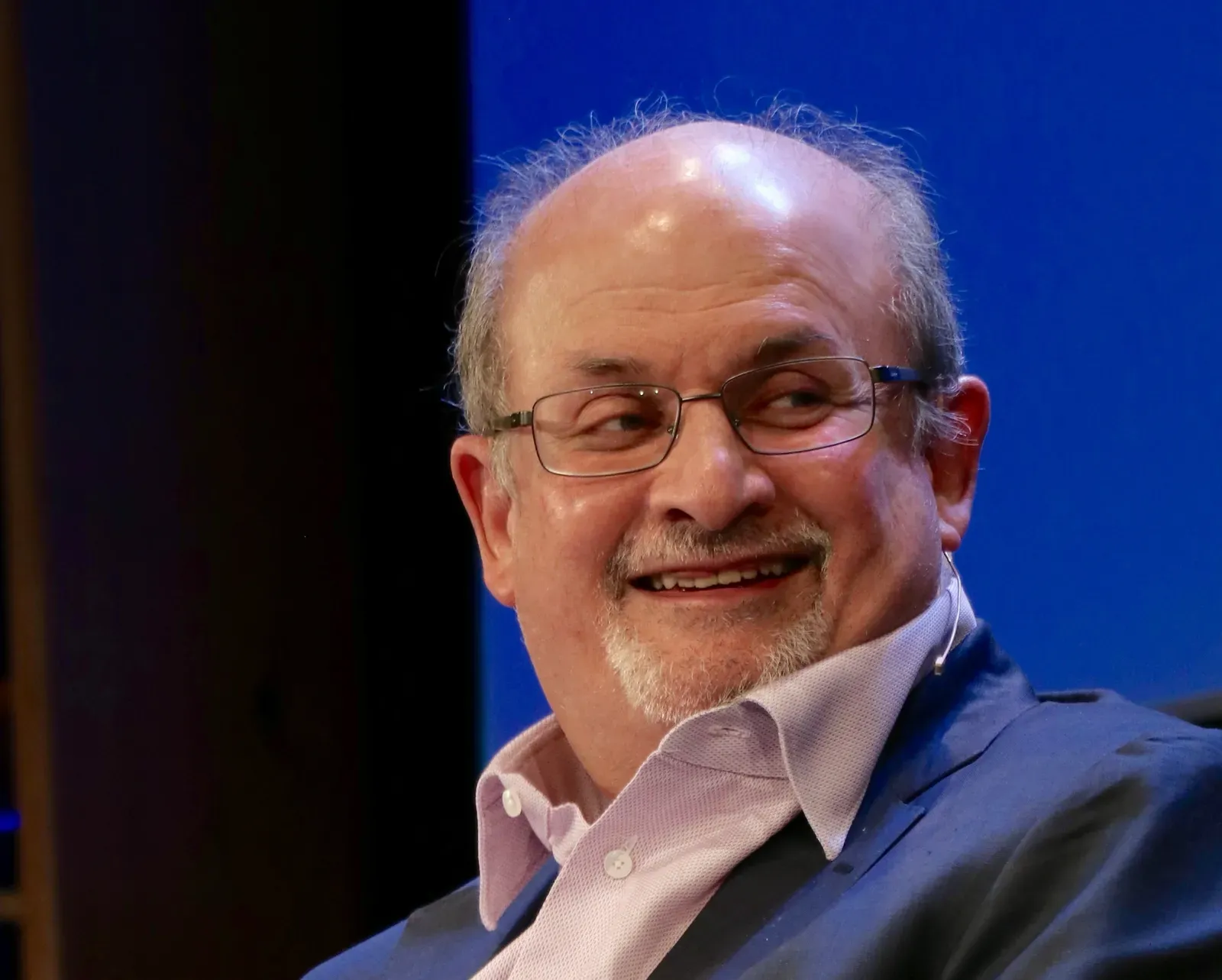
Rushdie’s novel follows Saleem Sinai, who is born at the exact moment India becomes independent in August 1947. His life becomes tangled up with the fate of the new nation. The book is dense, funny and full of magical touches.
It has the rare distinction of winning twice more in a way. It was named the Booker of Bookers in 1993 and then the Best of the Booker in 2008, both special anniversary honors. Few winners have been rewarded that consistently.
The Remains of the Day by Kazuo Ishiguro (1989)
Stevens, an English butler at Darlington Hall, looks back on decades of loyal service during a short road trip. The story unfolds through what he says and, more tellingly, what he avoids saying. It’s a quiet book with a lot of ache in it.
Ishiguro later won the Nobel Prize in Literature in 2017. Many readers first met him through this novel, and the film adaptation widened its audience even further.
The God of Small Things by Arundhati Roy (1997)
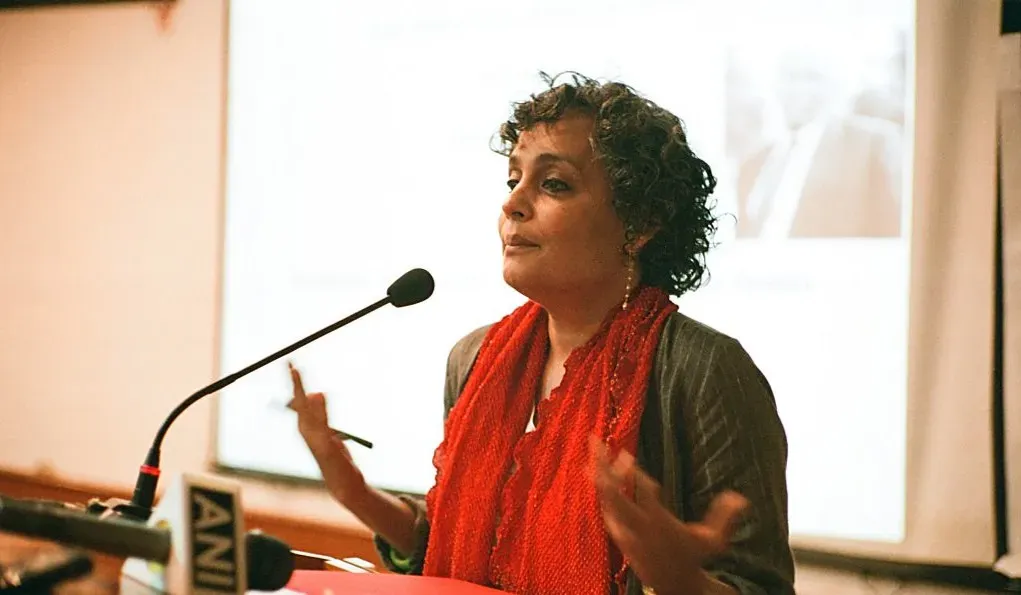
Set in Kerala, this was Roy’s debut novel. It circles around a pair of twins and a family tragedy, jumping between past and present. The language is playful, bending words and rhythms in ways that stick in your head.
The novel is rooted in questions of caste, class and forbidden love. Its win helped put Indian writing in English firmly in front of a global readership in the late nineties.
Life of Pi by Yann Martel (2002)

A teenage boy named Pi Patel survives a shipwreck and ends up on a lifeboat with a Bengal tiger called Richard Parker. The survival story is the hook, but the book also plays with faith, storytelling and what we choose to believe.
Ang Lee’s film version arrived in 2012 and brought the book to many people who hadn’t picked it up. If you’ve only seen the movie, the novel’s ending lands a little differently on the page.
Wolf Hall by Hilary Mantel (2009)

Mantel reimagines Thomas Cromwell, the blacksmith’s son who rises to power in the court of Henry VIII. Written in a close present tense, it makes sixteenth century politics feel strangely immediate. It’s long, but it moves.
She won the Booker again in 2012 with the sequel, Bring Up the Bodies, which made her the first woman to win twice. That’s a small piece of literary history worth knowing if you’re deciding whether to continue the trilogy.
Lincoln in the Bardo by George Saunders (2017)

Saunders’ first novel is set in a cemetery on the night in 1862 when Abraham Lincoln’s young son Willie is buried. The dead linger there in a kind of in between state, chattering in a chorus of voices. The form is unusual, built from fragments and quoted accounts.
Readers often say it takes a few pages to find the rhythm. Once you do, the book turns out to be as tender as it is odd.
Shuggie Bain by Douglas Stuart (2020)

This debut novel is set in Glasgow in the 1980s and centres on a boy growing up with a mother whose alcoholism shapes everything around them. Stuart based parts of it on his own working class upbringing. It’s an unsparing book, though never cold.
The novel’s win was a notable moment for a first time author. It also stands as one of the more emotionally demanding recent winners, so it’s worth choosing your moment.
Prophet Song by Paul Lynch (2023)

Lynch, an Irish writer, imagines Ireland sliding into authoritarian rule. Eilish Stack, a scientist and mother of four, watches the state tighten its grip after her husband is taken. The prose runs without much pause, which adds to the claustrophobia.
It reads like a warning but stays grounded in one family’s ordinary rooms and routines. That closeness is what many reviewers and readers found hardest to shake.
Orbital by Samantha Harvey (2024)
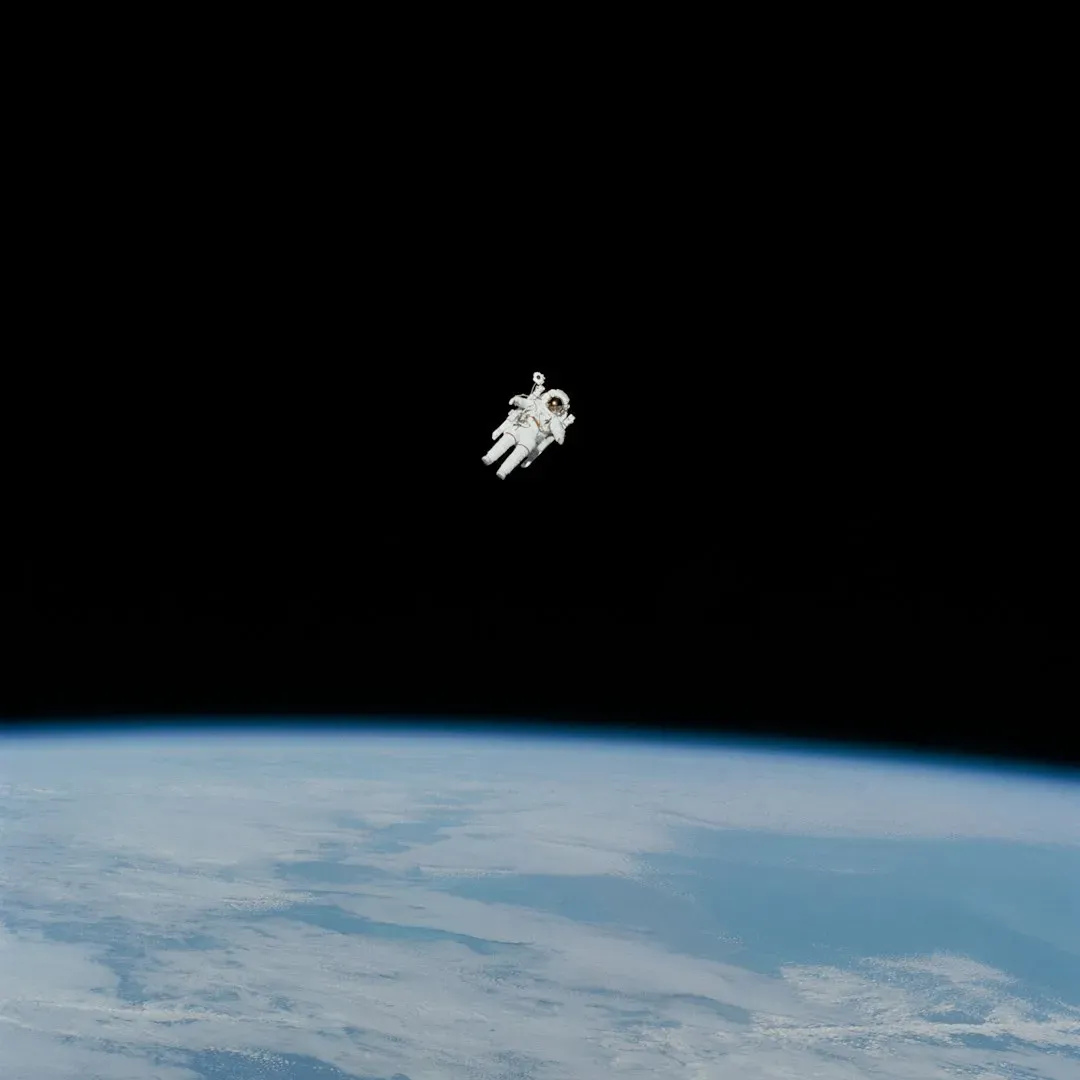
Orbital follows six astronauts aboard a space station across a single day, during which they see the Earth from above many times over. Little happens in the conventional sense. The book is about perspective, fragility and how small our daily concerns look from far away.
CNN noted that although the story takes place on a space station, the philosophical novel is murkier in its categorization than science fiction. It’s a short, almost meditative read.
The End of Everything by M. John Harrison (2026)

The newest winner was announced on 9 November 2026 at Old Billingsgate in London. Harrison’s novel won the 2026 Booker Prize, and at 81 he is the oldest author ever to receive it. He took home a prize of £50,000.
The book is a dystopian satire at 198 pages, the shortest among the finalists. The Booker Prize Foundation’s chief executive described Harrison as the first Booker winner to have emerged from the bona fide SF world. The prize was chosen from 163 submissions, narrowed to a longlist of 13 and six finalists.
Your Count and What to Read Next

If you’ve read most of the list, the 2025 winner, Flesh by David Szalay, is a natural next step. If you’ve read only a few, the shortest picks here, Orbital and The End of Everything, are easy places to begin.
Either way, the list gives you a spread of eras, countries and styles, from historical fiction to near future satire. Pick the one that sounds least like what you usually read.