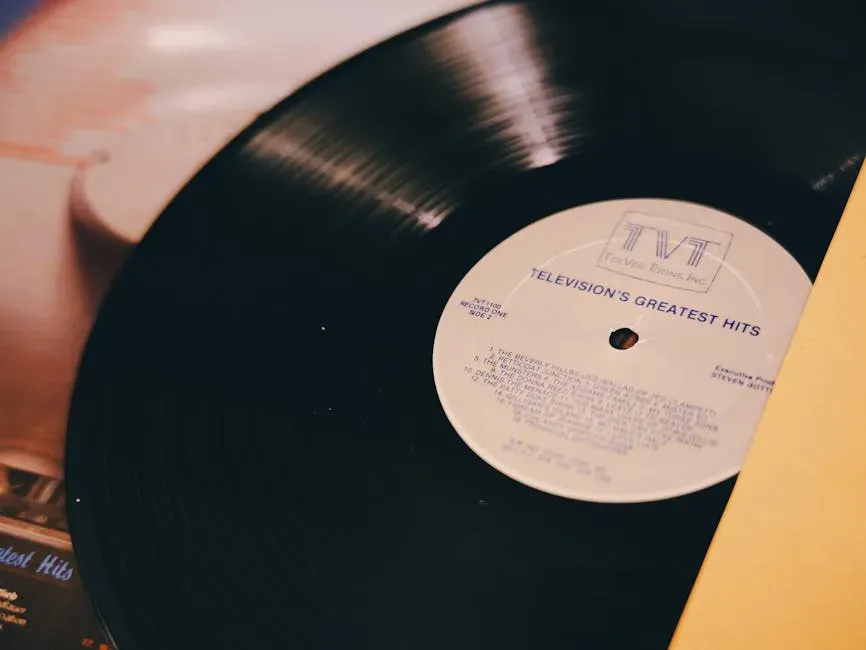
Classic rock radio has been playing the same fifty or so songs for decades, which means most people can hum along without ever really listening to the words. That’s the strange thing about this genre. The riffs get burned into memory long before the actual lyrics do, so a fan might know every guitar solo on an album cover to cover and still misquote the opening line of the title track. This gallery pulls together ten lines from songs that get called classics for a reason, some obvious, some sneaky. Instead of printing the actual verses, which run into copyright trouble fast, each entry describes the scene or the sentiment behind the line and challenges you to place it. Consider it a test of memory, not just familiarity.
1. The song about a woman who’s not what she seems

Led Zeppelin’s 1971 epic opens with a description of a lady who’s certain everything glitters and turns to gold, setting up eight minutes of shifting tempo and mysticism. It’s from an untitled fourth album, often just called Led Zeppelin IV, and the track became a rock radio staple almost immediately after release.
What trips people up is the middle section, where the tempo speeds up and Robert Plant’s vocal delivery changes entirely. Casual fans usually know the slow opening by heart but blank out once the song shifts into its faster, harder second half.
2. The operatic rock song that starts with a question about reality
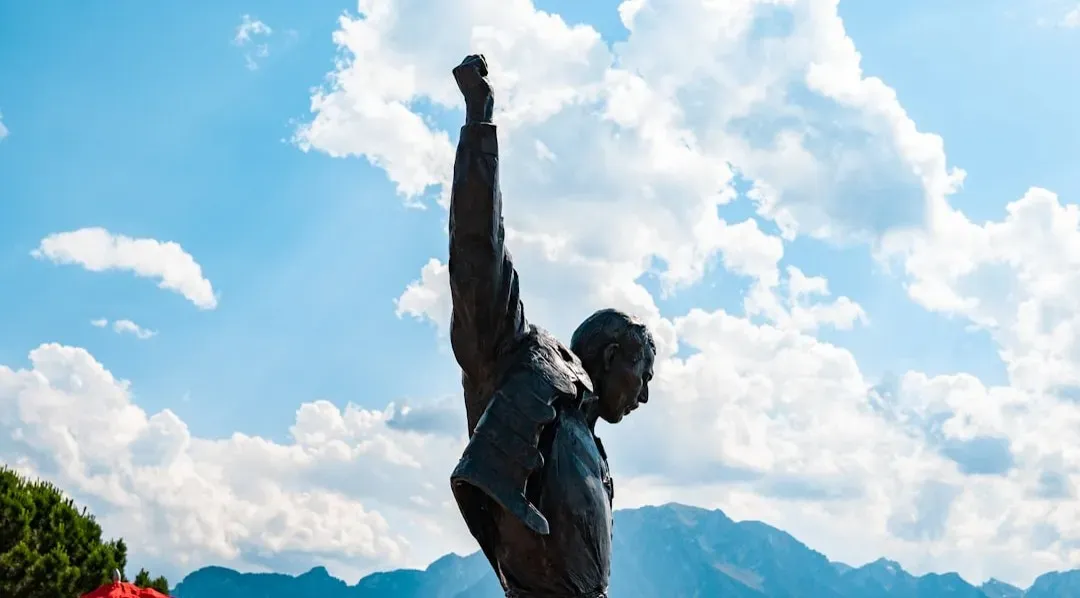
Queen released this six-minute suite in 1975 as part of A Night at the Opera, and it broke nearly every rule about what a single was supposed to sound like. The opening asks the listener to consider whether what’s happening is real life or something else, before diving into a narrative about a young man confessing to a killing.
Freddie Mercury wrote most of it, blending mock opera, ballad, and hard rock into one continuous piece with no repeated chorus in the traditional sense. Even people who’ve watched the 2018 biopic named after the song sometimes struggle to recall the exact wording of that famous opening line.
3. The California song about checking out but never leaving

The Eagles released this one in 1976, and its closing line about being able to check out anytime but never actually leaving has become one of the most quoted lyrics in rock history. The song itself is a loose allegory about excess and the music industry, wrapped in a story about a traveler who wanders into a strange hotel along a desert highway.
Don Felder wrote the music first, and Don Henley and Glenn Frey added the lyrics afterward, shaping it into something closer to a short story than a typical pop song. The dual guitar solo at the end is often remembered more clearly than the verses that lead up to it.
4. The Southern rock answer song people still argue about

Lynyrd Skynyrd released this 1974 track partly as a response to Neil Young’s more critical songs about the American South, and it name checks Young directly early on. The line about a governor from Alabama causes ongoing debate about whether the band was being sincere, sarcastic, or simply avoiding controversy while still getting attention from it.
Ronnie Van Zant’s vocal delivery on the opening lines is instantly recognizable, yet many listeners can only recall the title phrase itself and not the verses that set up the song’s regional pride and playful jabs. It remains one of the most licensed and requested Southern rock songs recorded.
5. The song that starts with a screen door and a screaming Wendy

Bruce Springsteen’s 1975 breakthrough opens with an image of a screen door slamming, immediately grounding the song in a specific, almost cinematic New Jersey setting. The narrator addresses someone named Wendy throughout, promising an escape from a town he describes as a trap meant for losing.
Springsteen has said in interviews over the years that the song took months to finish, layering in the wall of sound production that made it feel bigger than a typical rock single. Fans often remember the title phrase and the saxophone but forget how specific and narrative the opening verse actually is.
6. The song built around a woman’s name and a guilt-ridden plea

Derek and the Dominos released this 1970 track, co-written by Eric Clapton and Jim Gordon, and it’s widely understood to be inspired by Clapton’s feelings for Pattie Boyd, who was married to his friend George Harrison at the time. The lyrics plead directly with the woman named in the title to ease the narrator’s troubled mind.
The song is really two distinct pieces stitched together, a driving rock section followed by a slower piano coda that Jim Gordon largely composed separately. Most listeners can sing the guitar riff instantly but often mix up which verse comes first when asked to recite the actual words.
7. The song about a dream that won’t let go

Aerosmith’s 1973 ballad, written primarily by Steven Tyler, centers on a narrator urging himself to keep dreaming until his dream comes true. It became one of the band’s earliest hits and helped establish Tyler as a songwriter capable of vulnerability alongside the band’s harder material.
The piano intro is often mistaken for a different, more somber song entirely, which throws off listeners trying to place the opening lyric. By the time the electric guitars kick in in the second half, the tone shifts so much that some fans forget it’s the same track they started with.
8. The arena rock anthem about a feeling that’s more than what it seems

Boston’s 1976 hit, written by Tom Scholz, opens with the narrator describing a memory tied to an old love song playing on the radio. Scholz reportedly spent years perfecting the multilayered guitar sound in his home studio before the track ever reached a label.
The title phrase repeats throughout the chorus, which is exactly why people remember it so well and yet often can’t recall the specific verses that build up to it. It remains a staple of classic rock radio, frequently ranked among the most played rock songs of the 1970s according to broadcast data compiled by industry trackers.
9. The Pink Floyd song about feeling nothing at all
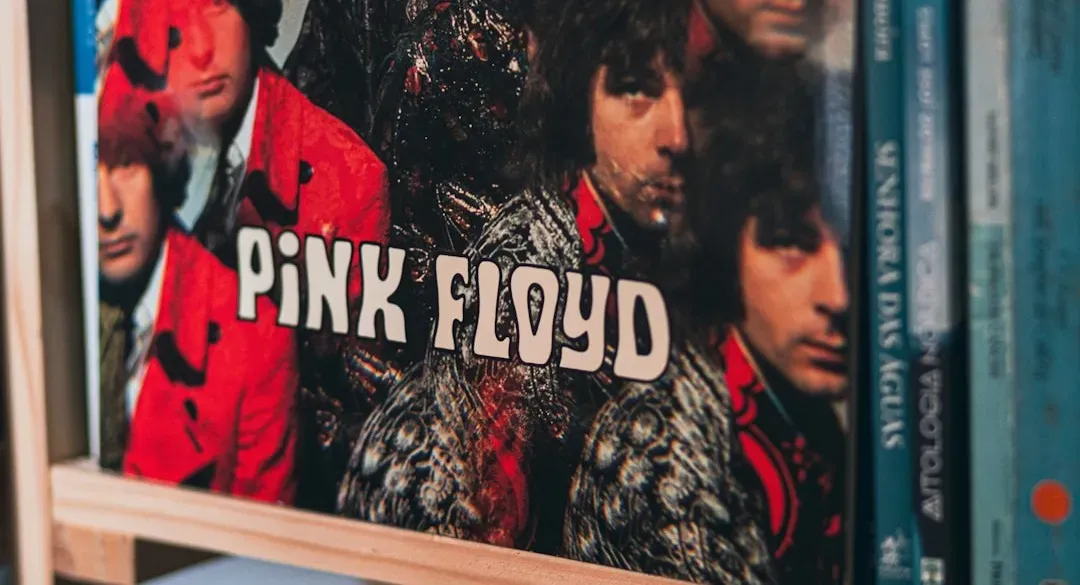
Released in 1979 as part of The Wall, this track features a dialogue structure between two voices, one detached and clinical, the other pleading to be understood. Roger Waters and David Gilmour split the songwriting, with Gilmour delivering the guitar solo that many critics and fans alike consider one of the finest in rock history.
The title phrase captures a kind of emotional numbness that runs through the entire Wall concept album, though the specific verses describing childhood memories are far less quoted than the chorus itself. Even devoted Pink Floyd fans sometimes blend this song’s lyrics with other tracks from the same double album.
10. The Who song that starts in a field and ends in a scream

The Who’s 1971 track opens with a description of someone sitting alone looking at a decaying farmhouse landscape, before building toward one of rock’s most recognizable vocal outbursts. Pete Townshend wrote it as part of an abandoned multimedia project called Lifehouse, though the song survived independently and appeared on Who’s Next.
The synthesizer intro, created using an early ARP synthesizer, is often what listeners remember first, overshadowing the actual narrative about isolation and connection in the opening verses. Even long time fans tend to recall the song’s structure and instrumental sections more clearly than the specific wording of its lyrics.
Final thoughts