Checked luggage gets lost, delayed, or left on the wrong tarmac. A singer’s voice can’t be replaced, and neither can the few tools that keep it working. That’s why the carry-on tends to hold the things a performer can’t do a show without.
The contents vary by genre, budget, and how many crew members are along. Still, a handful of items come up again and again in vocal care guides and touring gear lists. Here are six of them, with the reasoning behind each.
In-Ear Monitors
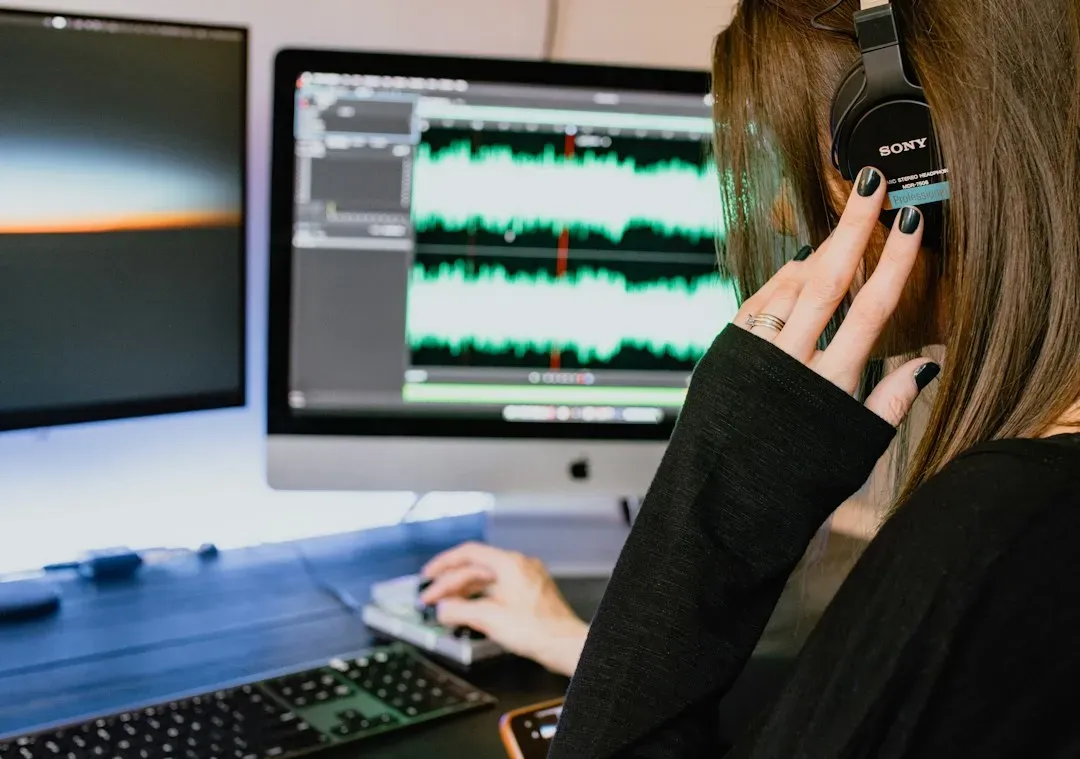
Singers who can’t hear themselves tend to push harder. When they can’t hear their own voice over the band or the crowd, their first instinct is to sing louder. In-ear monitors, often shortened to IEMs, help fix that by delivering a controlled mix straight into the ear.
They also protect hearing, since stage volumes today can be in excess of 100 dB. Custom versions are molded to the ear, and one guide notes they offer better isolation, a consistent mix every night, and long-term hearing protection. They’re small, they’re expensive, and nobody wants to check them.
A Portable Steamer or Nebulizer
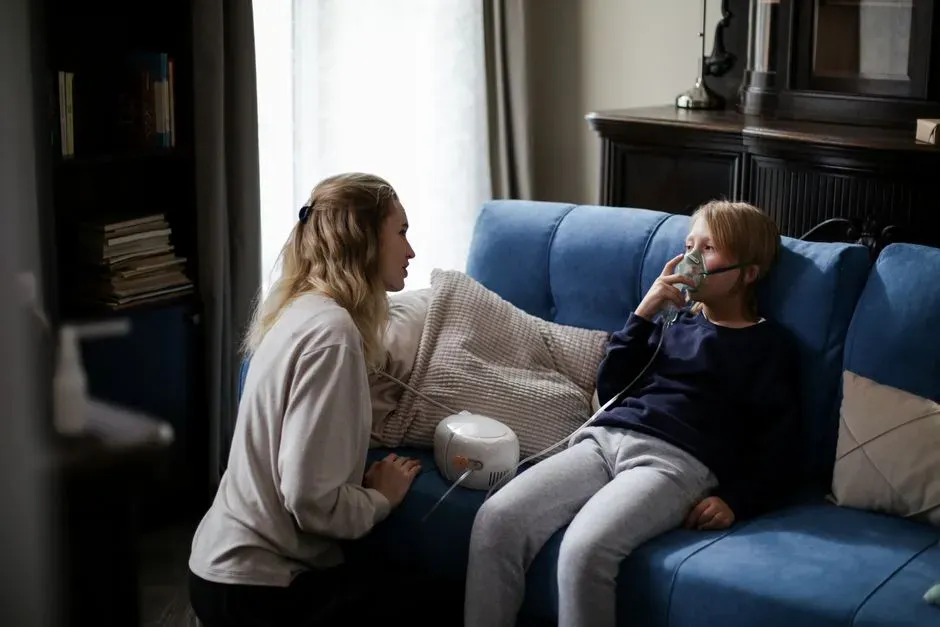
Airplane cabins and hotel rooms are dry, and dry air isn’t kind to vocal folds. Many touring singers pack a personal steam device for quick hydration. One buyer’s guide describes a battery-operated nebulizer that fits in the palm of your hand and can go in a carry-on bag.
Bulkier options exist too, such as the Vicks Personal Steam Inhaler, though it requires a wall outlet and so is less portable. One suggested routine is ten minutes of hot steam followed by vocal rest for the remainder of the night. Moderation matters, as one comparison chart warns that overuse can cause swelling.
Throat Spray or Lubricating Lozenges
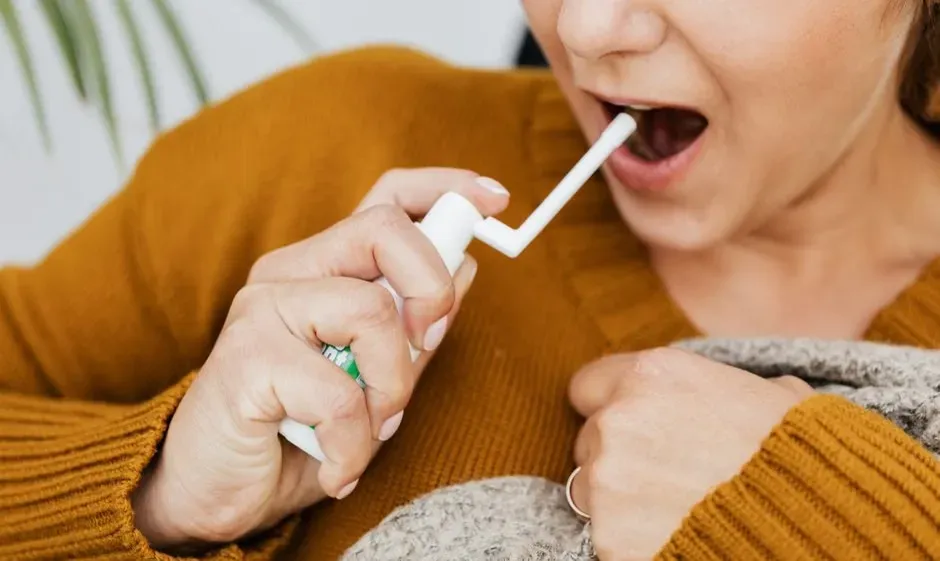
Dry venue air can leave a throat feeling tight mid set. Singers often reach for a topical product such as Entertainer’s Secret, which one touring vocalist guide describes as a carboxymethylcellulose lubricant that gives tactile relief, though it masks rather than heals.
That distinction is worth remembering. A spray can make a voice feel better without repairing anything, so it works best as a small comfort and not a cure. Anything liquid has to meet airline carry-on limits, so smaller bottles are the practical choice.
Herbal Tea Bags

Tea is easy to pack and easy to find hot water for. Many voice coaches recommend it, and herbal tea appears on one vocal studio’s list of items to bring on tour. Throat Coat and ginger turmeric blends are common picks.
One vocal protocol guide points out that temperature matters more than the herbs, and sweeteners are best avoided. In other words, the ritual of a warm, plain drink may do as much as the ingredients. A few bags weigh almost nothing.
A Backup Microphone
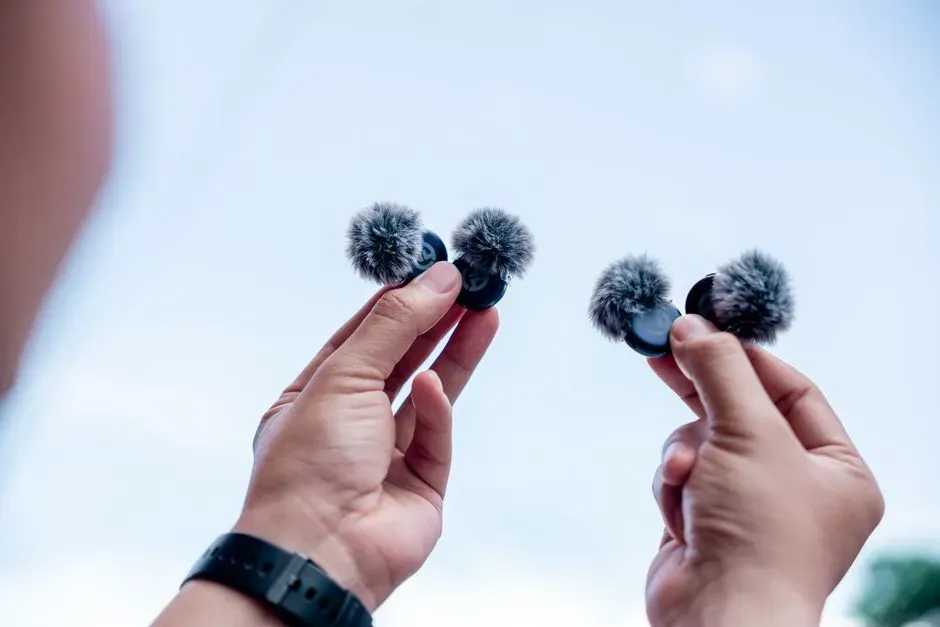
Many touring singers have a mic they trust, and some bring their own so they aren’t relying on whatever is waiting at the venue. Guides for touring artists list a backup microphone alongside custom IEMs and a steamer. It’s a modest piece of insurance against a bad night.
Carrying one personally also means it never gets rerouted with the cargo. Pairing it with a spare cable is a sensible habit. A dynamic mic is durable enough to survive the trip in a padded pouch.
A Portable Hygrometer
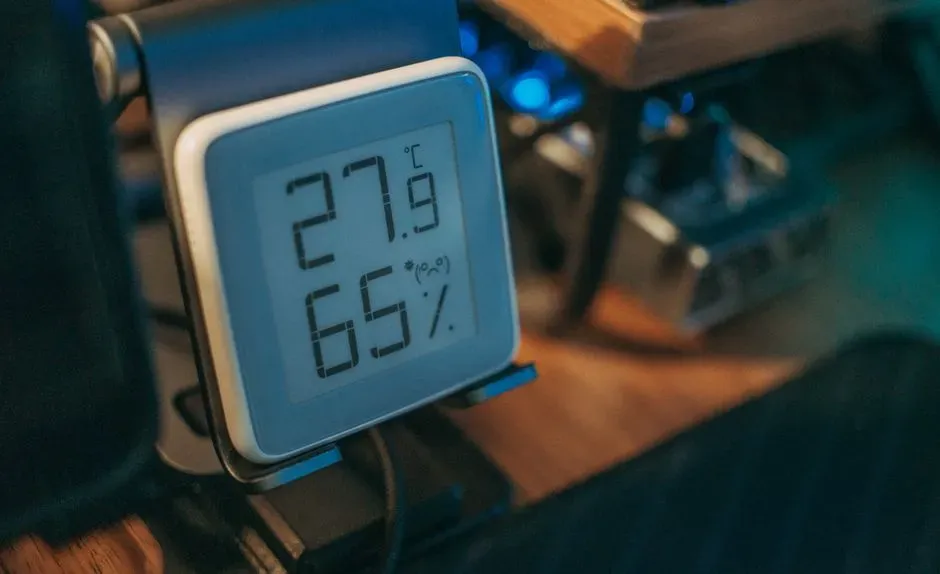
This one is less obvious. A hygrometer measures humidity, and a vocal survival guide lists it as a tool for monitoring climate in touring and hotel rooms. It’s passive, so it only helps if the singer acts on what it shows.
That might mean running a humidifier, steaming, or simply drinking more water in a room that reads too dry. The device is tiny and cheap compared with most gear on this list. For a singer moving between cities every day or two, it offers a quick read on conditions that change constantly.