Some TV finales send audiences off with tears and satisfaction. Others spark something closer to a collective argument that never really ends. The shows on this list belong firmly to that second category – beloved series whose final episodes became flashpoints, splitting fanbases down the middle and generating debates that continue to flare up years later.
What’s interesting is that the controversy rarely has a single source. Sometimes it’s an ambiguous ending, sometimes a narrative betrayal, and sometimes a twist so unexpected it feels like a betrayal of everything that came before. Whatever the cause, these finales proved that how a story ends can reshape how people feel about the whole thing.
Game of Thrones – “The Iron Throne” (2019)
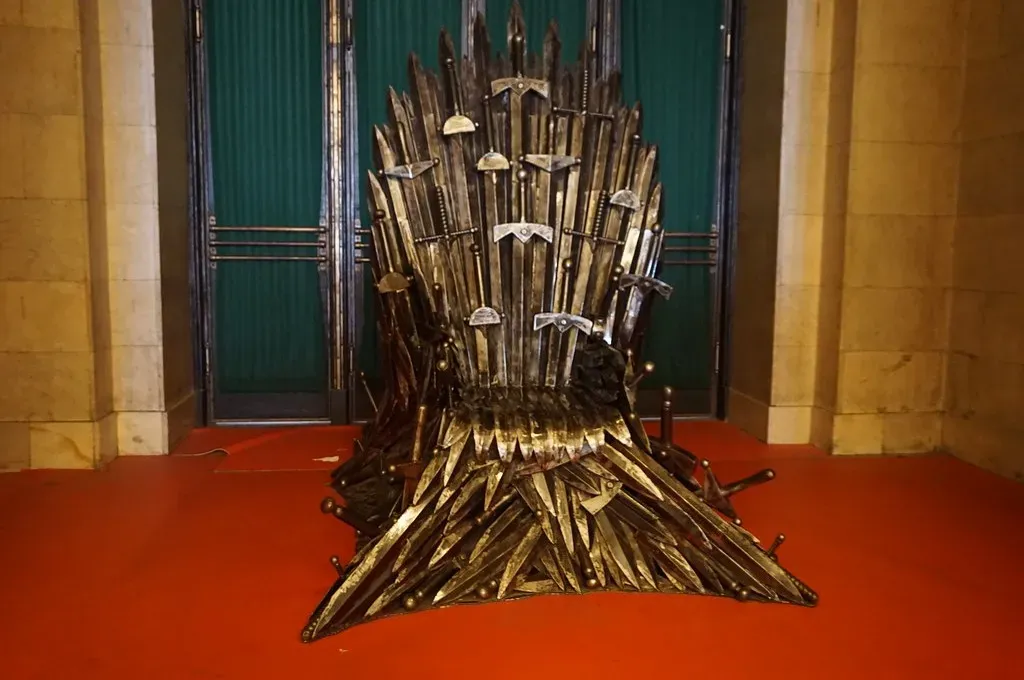
Between plot holes, strange writing choices, and a very confusing ending, the Game of Thrones finale disappointed most of the fandom. The backlash was staggering in scale. In the aftermath of the last episode, which scored a 4/10 on IMDb, nearly 2 million people signed a petition to remake the final season “with competent writers.”
The finale attracted 19.3 million viewers on all platforms, topping the previous series high of 18.4 million viewers. Record ratings and furious reception managed to coexist in the same moment, something almost without precedent in television history. Some were happy to see Bran Stark take the Iron Throne, while others didn’t understand why there had been so much build-up around Jon Snow’s lineage if he wasn’t going to claim his rightful seat. That fundamental question still doesn’t have a satisfying answer.
The Sopranos – “Made in America” (2007)
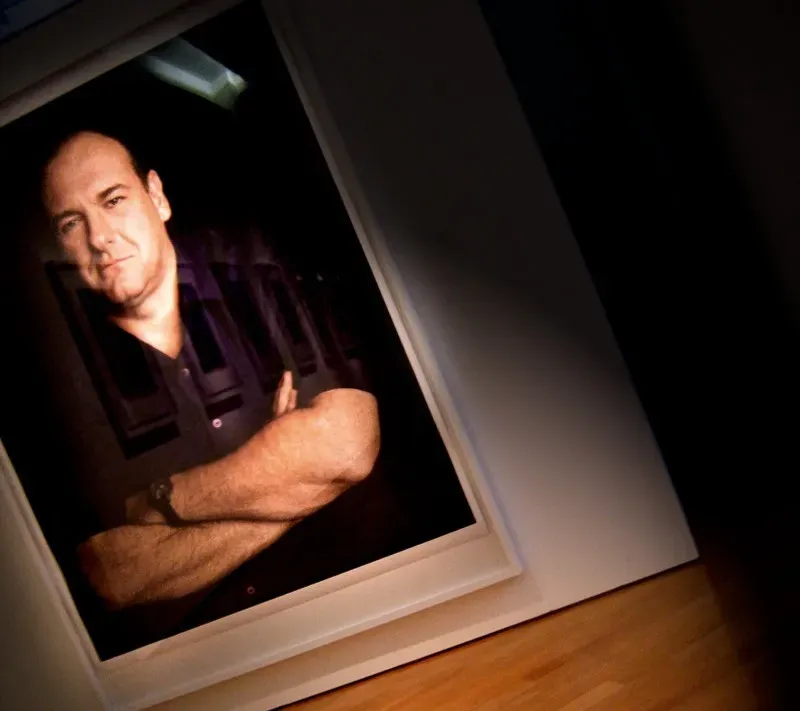
The Sopranos Season 6 finale “Made in America” is widely considered the king of divisive television finales, and many people continue to argue and debate about what the meaning of this finale is to this very day. The abrupt cut to black became one of the most dissected moments in TV history. Some fans insisted Tony was murdered, pointing to subtle cues in the scene, while others argued the cut-to-black was symbolic of the randomness of death.
In the years since, theories have multiplied, essays have dissected every frame, and Chase’s refusal to confirm anything has only fueled the fire. Even today, retrospectives and podcasts revisit “what happened to Tony.” Even in the TikTok age, people are still posting family members’ reactions to the abrupt cut-to-black, perhaps making it the most famously ambiguous ending in TV history. The silence became the whole point – but not everyone is willing to accept silence as a finale.
Lost – “The End” (2010)

When the series finale of Lost debuted on May 23, 2010, the reaction from fans and critics was immediate, incredibly loud, and extremely mixed. Some felt “The End” was a brilliant, moving masterpiece serving as a perfect capstone for the series. Others were outraged, from calling the narrative nonsensical to feeling cheated over the mistaken belief they were dead the whole time.
The finale provoked an immediate response and received a strongly polarized reaction from both fans and TV critics alike, with responses positive and negative in equal measures. The final episode aired in May of 2010 – more than 16 years ago – and fans continue to relitigate its relative merits to this very day. With all the mysteries the writers had created during the course of the show, fans were expecting answers. Instead of answering questions, the finale seemed to go a more emotional route, and some fans began to backlash over the fact that the writers dropped the mysteries.
How I Met Your Mother – “Last Forever” (2014)
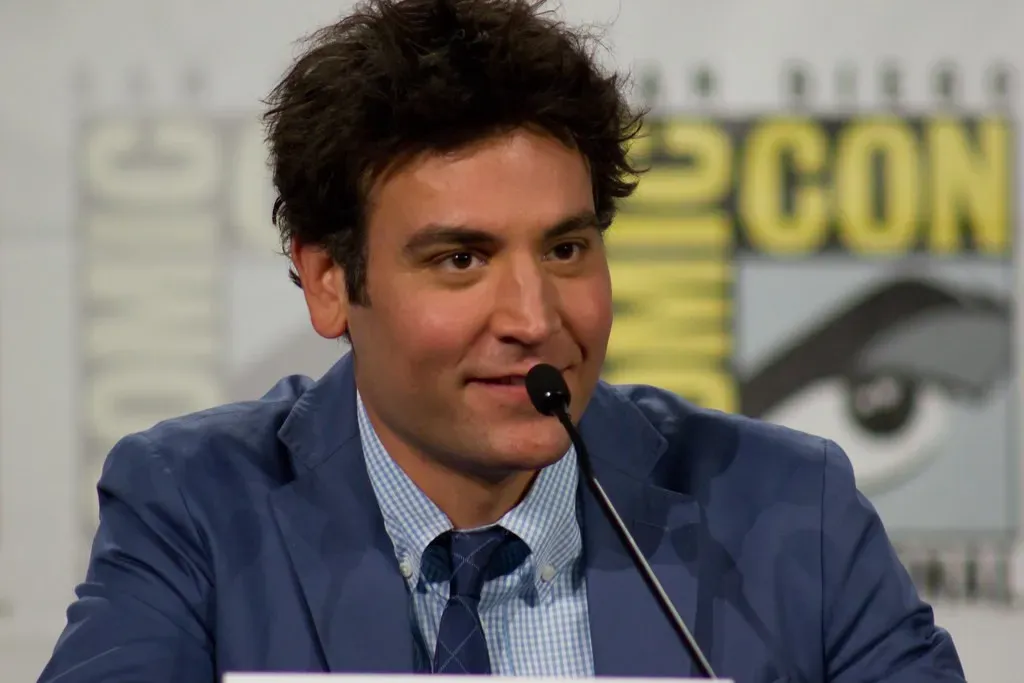
After investing in nine seasons of Ted finding the perfect woman, she is killed off in the finale. The woman viewers had waited almost a decade to meet died of an undisclosed illness within moments of the final meet-cute – only for Ted to go running back to the girlfriend that was so wrong for him back in season one: Robin.
After the airing of “Last Forever,” fans were not happy about the ending of Ted Mosby. The outrage was so passionate that it sparked something not many series get to do: the creators, Craig Thomas and Carter Bays, decided to release an alternate ending catered more toward what viewers seemed to have wanted. That alternate cut is a rare admission that the original ending genuinely failed a significant portion of the audience. Whilst this overjoyed Ted and Robin supporters everywhere, others felt that the lazy twist had been an unrealistic end to an otherwise lovable story.
Dexter – “Remember the Monsters?” (2013)
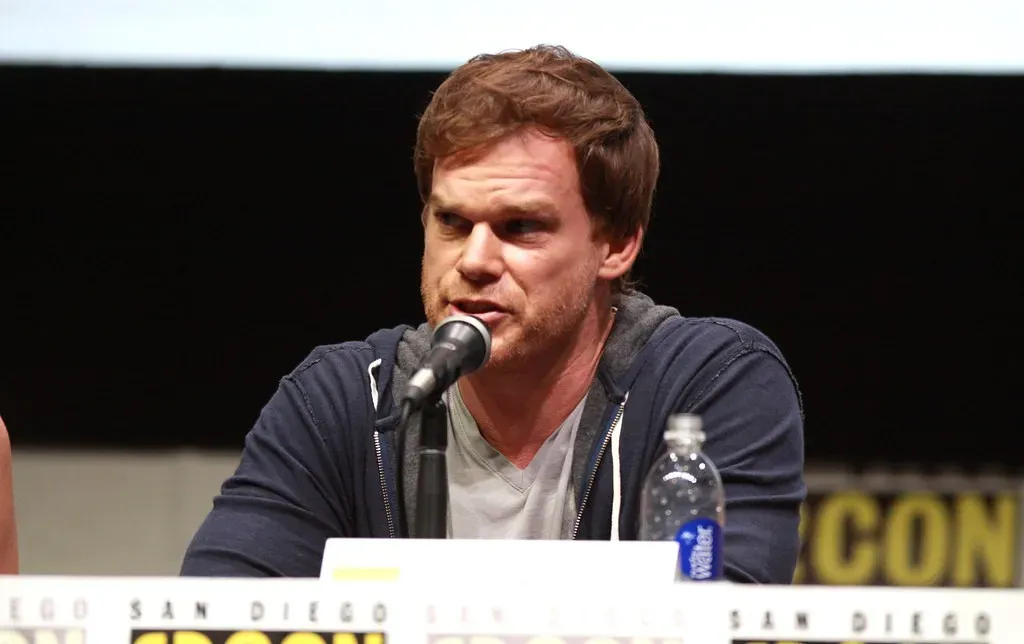
When Dexter wrapped in 2013, fans were stunned to see the titular anti-hero abandon Miami, fake his death, and live as a lumberjack in Oregon. After eight seasons of vigilante justice, the finale stripped away the tension and left Dexter isolated – no trial, no reckoning, no consequences. For a show that constantly explored whether a serial killer could outrun his nature, the finale opted for exile instead of accountability, and that ending was widely panned as one of TV’s weakest conclusions.
Because many audience members had been expecting the series finale to give the titular character his just desserts, his fate was polarizing. This ending was reportedly due to the network, Showtime. For fans of the best Dexter seasons, that decision from Showtime eventually paid off with two sequel series, Dexter: New Blood and Dexter: Resurrection, which restored the series’ critical acclaim. The fact that two follow-ups were needed to patch the wound tells you something about how deep it ran.
Seinfeld – “The Finale” (1998)
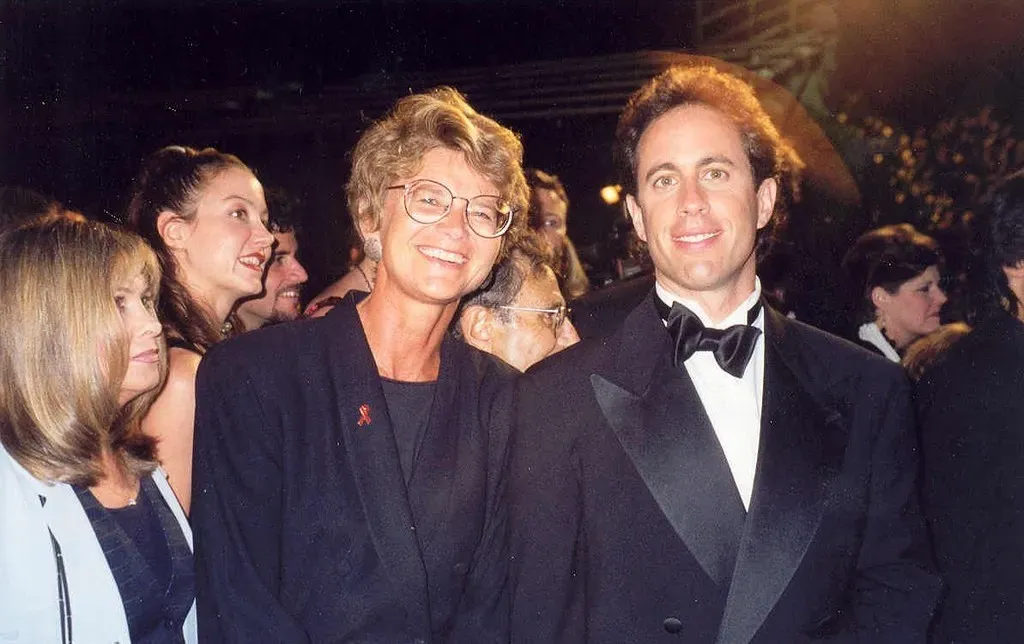
Watched by a staggering 76 million people, the Seinfeld series finale remains one of the most controversial and divisive conclusions in television history. The episode’s plot revolves around the show’s iconic characters finding themselves in legal trouble after witnessing a carjacking and failing to intervene. The true focal point of the finale is the parade of returning characters who testify against the group, highlighting their selfish and often reprehensible behavior throughout the series.
This creative decision by the show’s creators sparked a heated debate, with some viewers appreciating the comedic callback to past episodes and others feeling that it betrayed the spirit of the beloved characters, solidifying the Seinfeld finale as a disaster. Even though Seinfeld is regarded as one of the best sitcoms ever made, its finale was among the most controversial in all of TV history. Decades of distance haven’t softened the arguments much – the show’s defenders and its finale’s critics remain two very separate groups.
Stranger Things – “The Rightside Up” (2025)
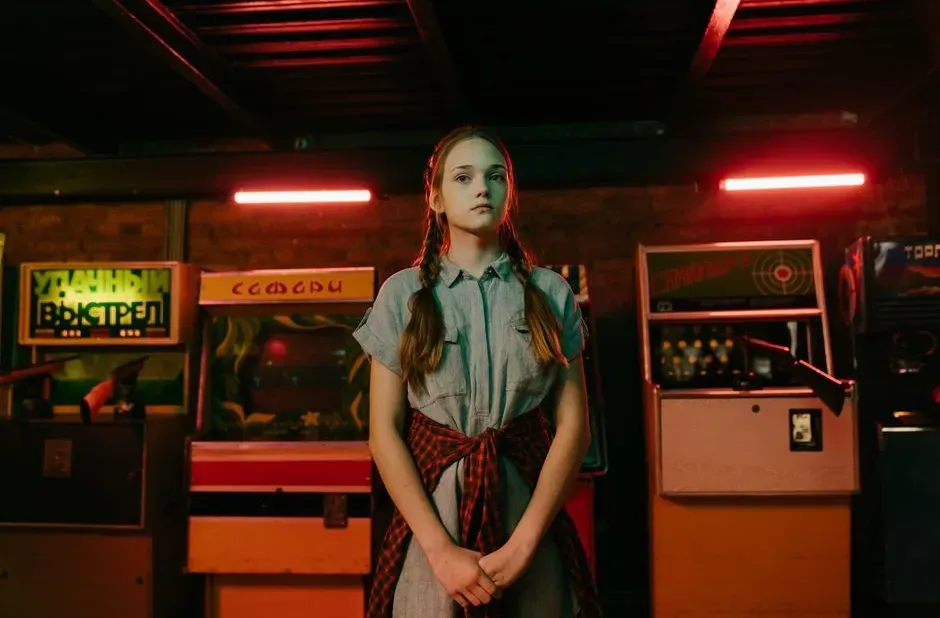
The final chapter of Stranger Things landed on December 31, 2025, in the two-hour episode “The Rightside Up,” with the Hawkins crew staging their biggest showdown yet. Over 35 million people tuned in to watch the finale since it dropped on New Year’s Eve. The sheer scale of the audience guaranteed that no single reaction would dominate. The finale sparked a wave of online debate, with fans pointing out narrative gaps, and three specific complaints surfaced as common points of criticism in the days following its release.
A Netflix documentary revealed surprising details, including creator quotes that may explain exactly why the finale didn’t sit well with some fans: it wasn’t done when they started making it. The Duffer Brothers noted they “were getting hammered constantly by production and by Netflix” for the finale, with Ross admitting that the series finale was “the most difficult writing circumstances we’ve ever found ourselves in.” The response from critics was generally positive, with the final season earning a Certified Fresh score on Rotten Tomatoes, and it’s accurate to say the Duffers stuck the landing – at least as far as fans and mainstream reviewers are concerned. Still, passionate disagreement persists online.
Mad Men – “Person to Person” (2015)
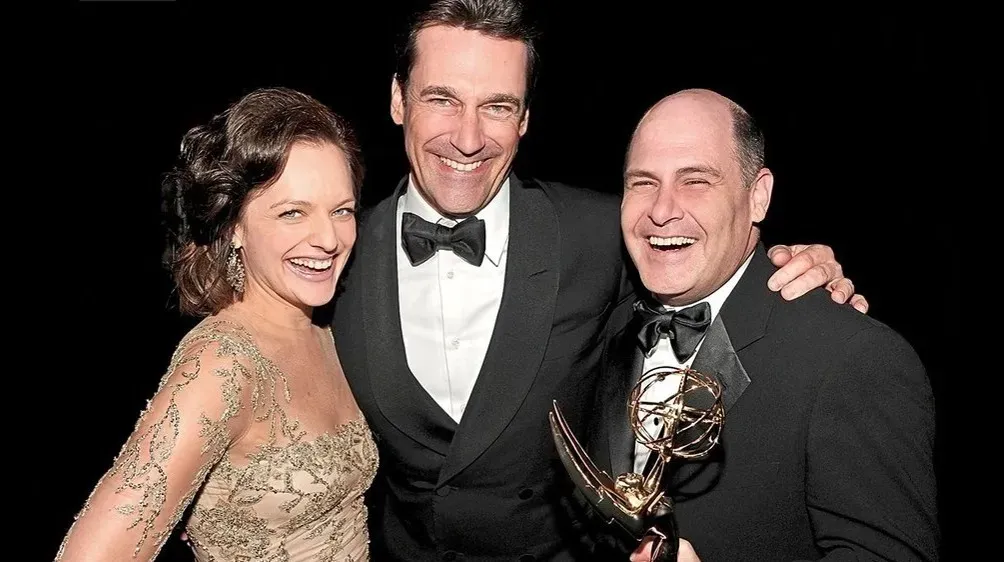
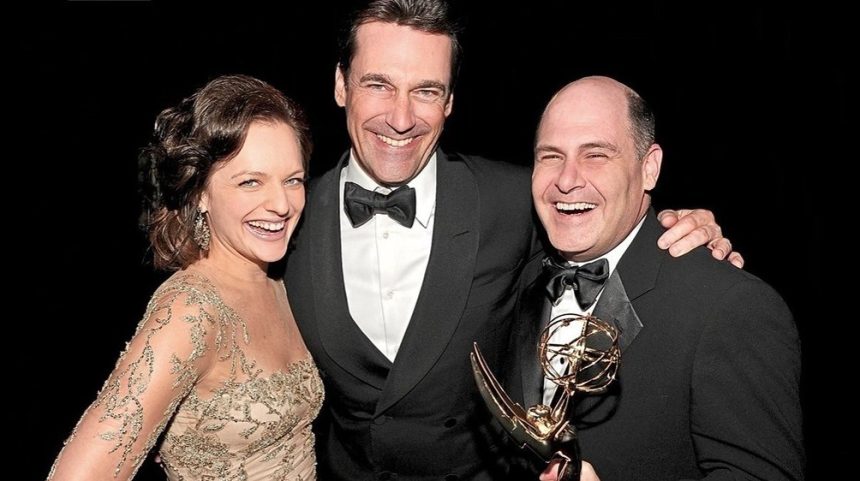
The final episode of Mad Men, which capped off a critically acclaimed exploration of 1960s white-collar America, sparked a range of reactions due to its portrayal of Don Draper. As the final season progressed, the women of the ad world took center stage while Don’s life unraveled. The finale appeared to be building towards a complete deconstruction of Don’s character, but in a surprising twist, the closing moments implied that he had managed to transform his near-breakdown into a moment of advertising brilliance.
This rapid resolution of Don’s story arc divided opinions, with some praising it as a perfect ending and others contending that it felt too abrupt and tidy. The debate over its execution underscored the complexity of crafting satisfying conclusions for well-developed characters. The Coca-Cola reading – that Don’s spiritual retreat became the seed of the “Hilltop” ad – felt to some like poetic genius, and to others like a cheap reframe of a character who had spent years failing to change. When a series has run for as long as Mad Men did, a whopping ten years, the hype builds up for the finale to such a point that it can feel almost impossible to deliver an ending that actually makes everyone happy.
Roseanne – “Into That Good Night” (1997)

The twist in the Roseanne finale turns out that the entire series was a work of fiction. In reality, Dan’s heart attack was fatal and the family did not win the lottery. Jackie is a lesbian and Beverly is straight, and the couples are mixed up. The show that the audience watched was simply a story written by Roseanne herself in order to cope with her depressing reality.
After spending nine seasons becoming familiar with the situation and the characters, some considered the finale to be an enormous slap in the face. The retcon invalidated years of emotional investment in storylines that now, retroactively, “didn’t happen.” Whether a show ends on a cliffhanger, has a terrible ending, or is just overall confusing, it’s extremely difficult to wrap up a series in a way that pleases its fans – and some of the best series of all time can be tarnished by simply one episode. The Roseanne finale remains a near-perfect illustration of that reality, still discussed whenever the topic of ruinous twists comes up.