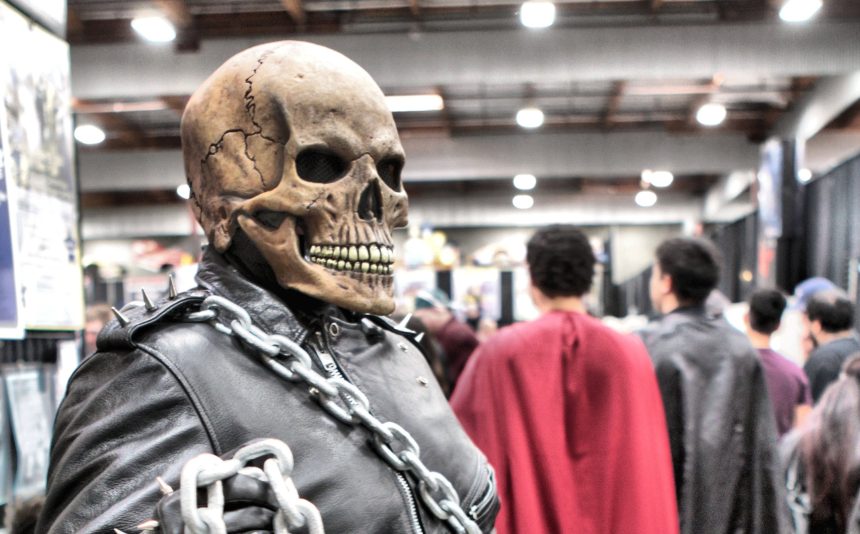
Some movies take a few years to get off the ground. Others take so long that the actors originally attached to them retire, age out of the role, or simply move on to other things entirely. Ghost Rider belongs to that second, much rarer category, a flaming-skulled biker who spent the better part of a decade and a half bouncing around Hollywood before anyone actually pointed a camera at him. By the time Nicolas Cage finally rode a motorcycle up the side of a building in 2007, the character had already survived multiple screenwriters, several false starts, and at least one entirely different creative direction. The story of how Ghost Rider got made says almost as much about the comic book movie industry of the 1990s as it does about the character himself.
A demon biker born in the Bronze Age
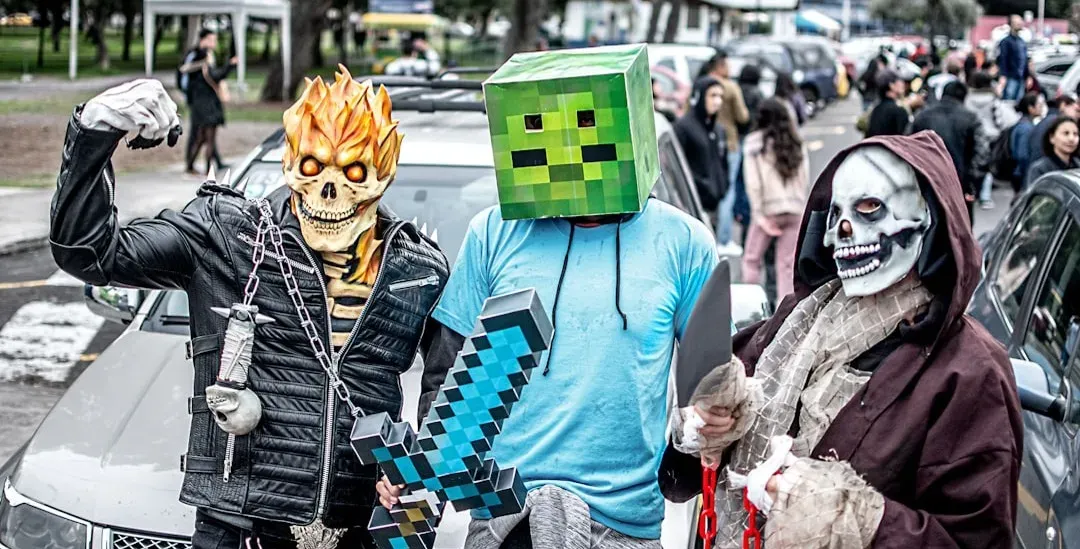
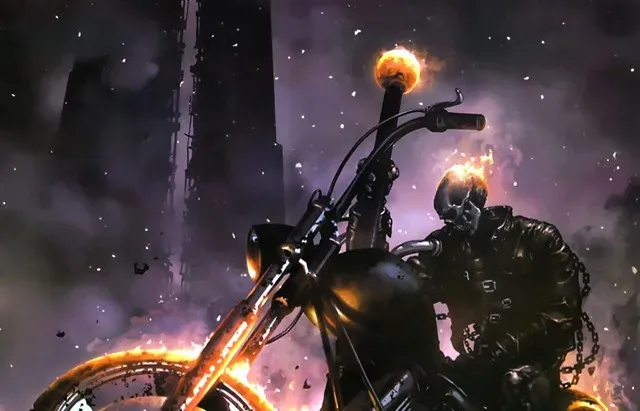
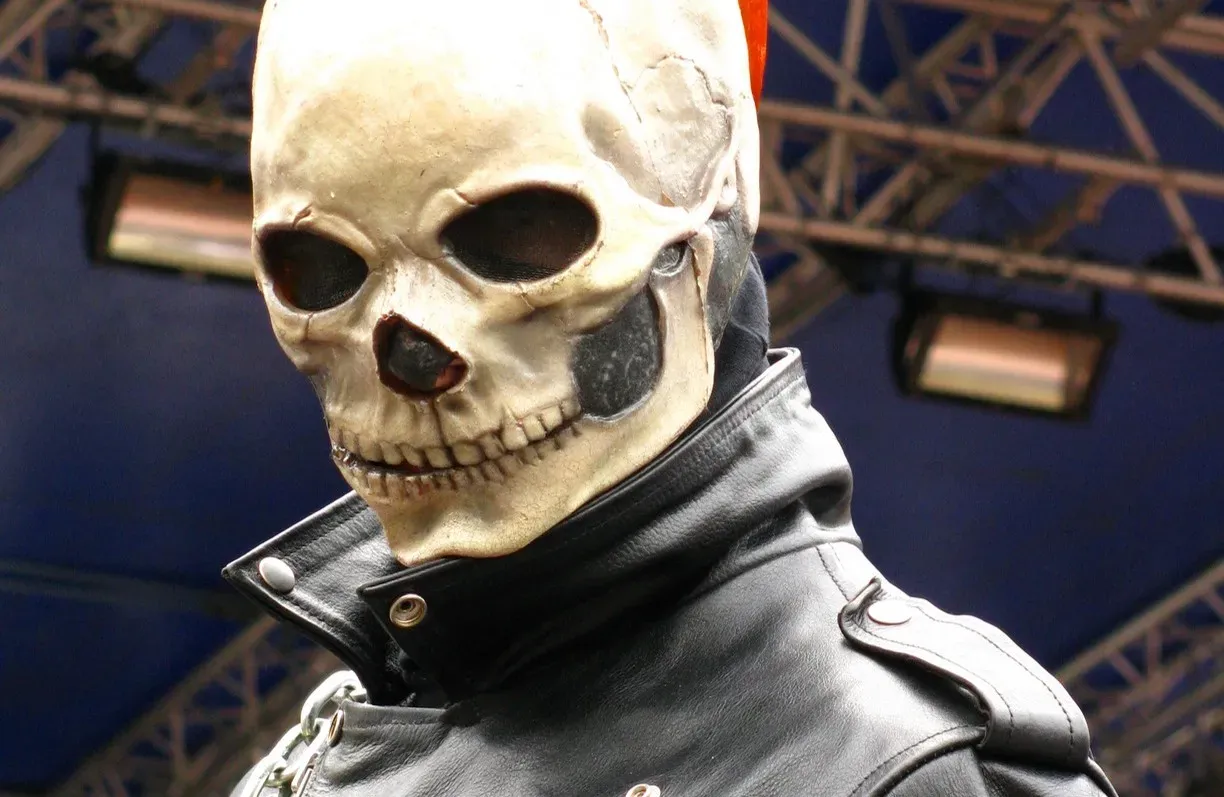
Ghost Rider first appeared in Marvel Spotlight in 1972, created by Roy Thomas, Gary Friedrich, and Mike Ploog. The character followed Johnny Blaze, a stunt motorcyclist who makes a deal with a demon to save his father, only to become a fire-skulled bounty hunter of evil himself. The visual hook, a flaming skull atop a leather jacket riding a hellfire motorcycle, gave the character an instant, almost logo-like identity that made him a natural candidate for adaptation decades later.
Despite that visual appeal, Ghost Rider never reached the mainstream popularity of characters like Spider-Man or the X-Men during the 1970s and 1980s. He remained a cult favorite, the kind of character comic shop regulars loved but casual audiences barely knew existed. That relative obscurity would end up shaping how slowly, and how strangely, his path to the screen unfolded.
Hollywood’s first pass in the early 1990s
Interest in a Ghost Rider film began surprisingly early, tracing back to the early 1990s in the wake of Tim Burton’s Batman success, when studios were suddenly hungry for comic book properties. This particular movie dates back to the early ’90s, closer to the success of Tim Burton’s 1989 “Batman,” when Marvel was still chasing the ever-elusive white whale of cinematic success in Hollywood. Marvel itself was in financial turmoil during much of this period, which complicated any serious push toward production.
Early attempts at a script existed, but nothing close to a finished, filmable version emerged. “Ghost Rider” went through various iterations with various creative teams, as is so often the case with big movies that languish in development hell. Directors and writers cycled in and out, none of them managing to lock down a tone that studios felt confident enough to greenlight.
A decade lost in the shuffle
Through the mid and late 1990s, Ghost Rider effectively disappeared from active development while Marvel dealt with bankruptcy proceedings and a string of licensing deals that scattered its characters across different studios. This era produced plenty of forgettable comic adaptations and just as many that never got made at all. The handful of years in between was sort of like the wild west, with many attempts made and many failures strewn about the timeline as studios attempted to cash in on what was surely thought to be a fad.
Ghost Rider was hardly unique in this respect. Countless Marvel properties sat untouched during these years, waiting for a stable rights holder and a viable creative pitch. The character’s flaming visual gimmick was appealing on paper, but nobody had figured out how to make a coherent ninety-minute story around it.
Nicolas Cage enters the picture
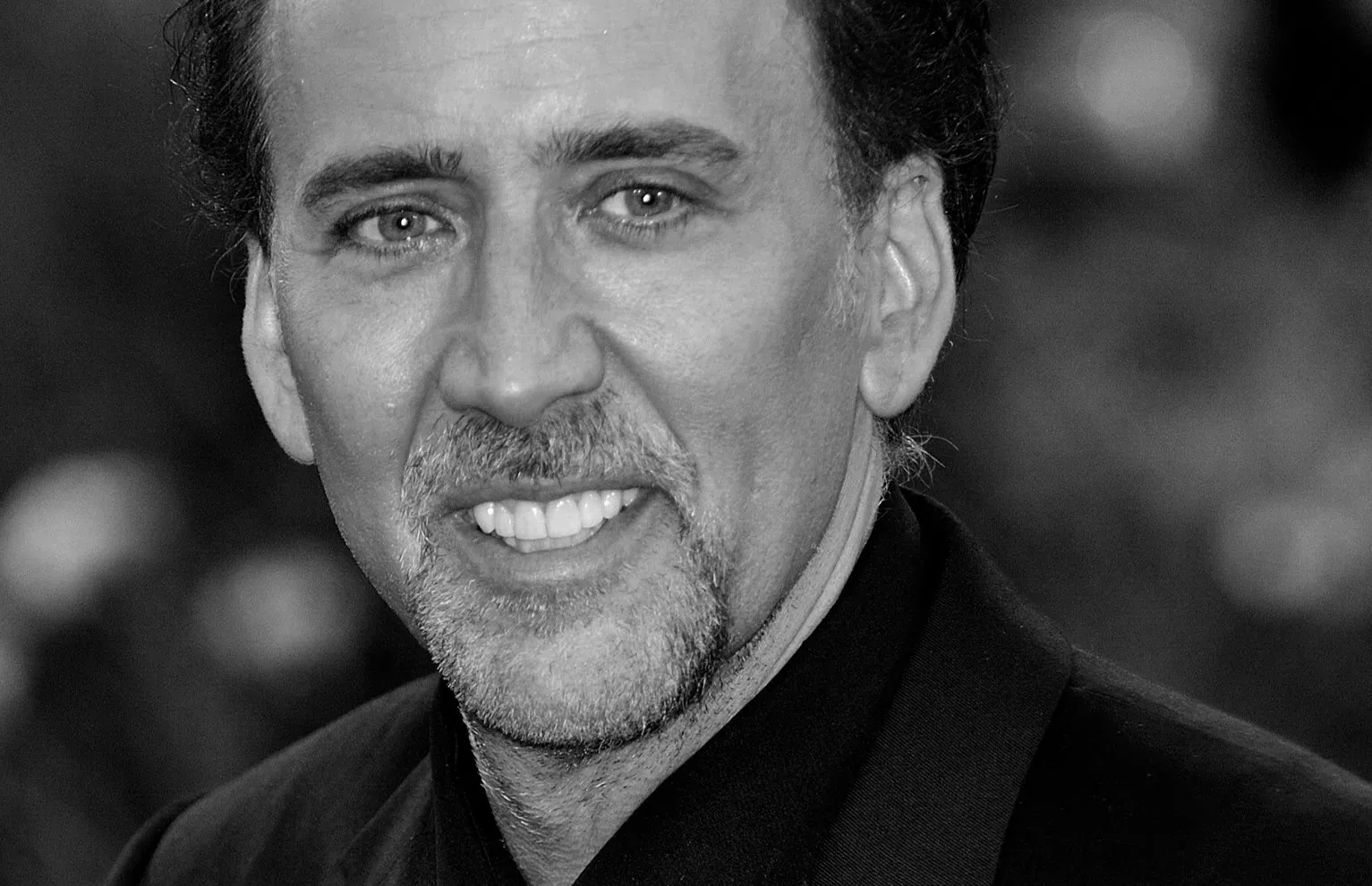
The project finally found momentum when Nicolas Cage, a longtime comic book fan, attached himself to the role of Johnny Blaze in the early 2000s. Development on the first iteration of Ghost Rider in live action started way back in the early 1990s, and kicked around development hell until the early 2000s when Nicolas Cage became attached to play a version of Johnny Blaze. Cage’s involvement gave the project the star power it had been missing for a decade.
Writer-director Mark Steven Johnson, who had previously adapted Daredevil for the screen, took over the project and shaped it into the version that eventually reached theaters. With Cage attached and a workable script finally in place, Sony Pictures and Marvel Entertainment moved the film into active production, closing out a development period that had stretched across roughly fifteen years.
The long ride finally reaches theaters
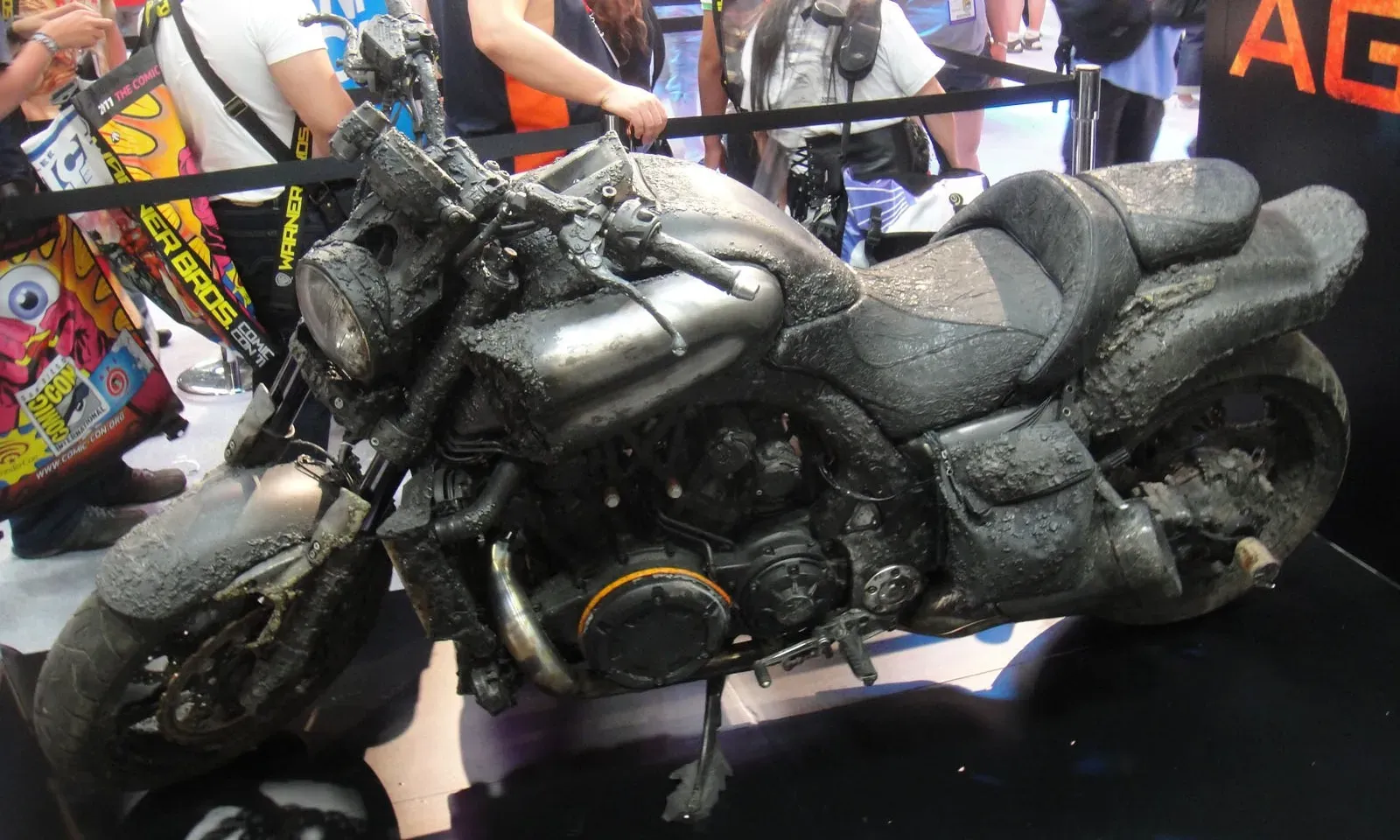
Ghost Rider premiered in February 2007, starring Cage alongside Eva Mendes, Sam Elliott, and Peter Fonda. Ghost Rider was released on February 16, 2007, in the United States. The film told the origin story fans had waited so long to see, complete with the flaming skull, the hellfire chain, and a motorcycle with a mind of its own.
The production carried a substantial budget for its era, reportedly between one hundred ten and one hundred twenty million dollars. Produced by Avi Arad, Steven Paul, Michael De Luca, and Gary Foster, and distributed by Sony Pictures Releasing, the film represented one of the larger comic book investments of its year, a fitting scale for a project that had taken so long to reach the screen.
Critics were unimpressed, but audiences showed up
Reviews were harsh almost across the board. The film was met with generally negative reviews from critics but was a box office success, grossing $229 million worldwide against a $110 million budget. Rotten Tomatoes scores hovered in the low double digits by percentage, reflecting genuine critical disdain for the film’s tone and script.
Audiences, however, largely didn’t care what critics thought. The film’s campy sensibility, paired with Cage’s willingness to fully commit to the character’s stranger qualities, gave Ghost Rider a cult following that grew steadily in the years after release. These days, when compared to many more modern superhero films, it’s looked back upon more fondly than it originally was.
A sequel arrives, then the franchise stalls
Buoyed by decent box office numbers, Sony greenlit a sequel, Ghost Rider: Spirit of Vengeance, released in 2011 with directors Mark Neveldine and Brian Taylor taking over from Johnson. Critics basically savaged these movies, released in 2007 and 2011, but they made decent money and have become cult hits in their own right in the years since release. The sequel leaned even harder into its offbeat tone, giving Cage room to push the performance further.
Plans for a third installment existed at one point, intended to round out a trilogy. There was talk of a sequel that would’ve completed the trilogy, but after the second film lost steam at the box office, Cage and the studio lost interest and the franchise was shelved. After fifteen years of waiting to get the character to screen in the first place, the franchise itself only lasted for two films before quietly stopping.
The rights return to Marvel
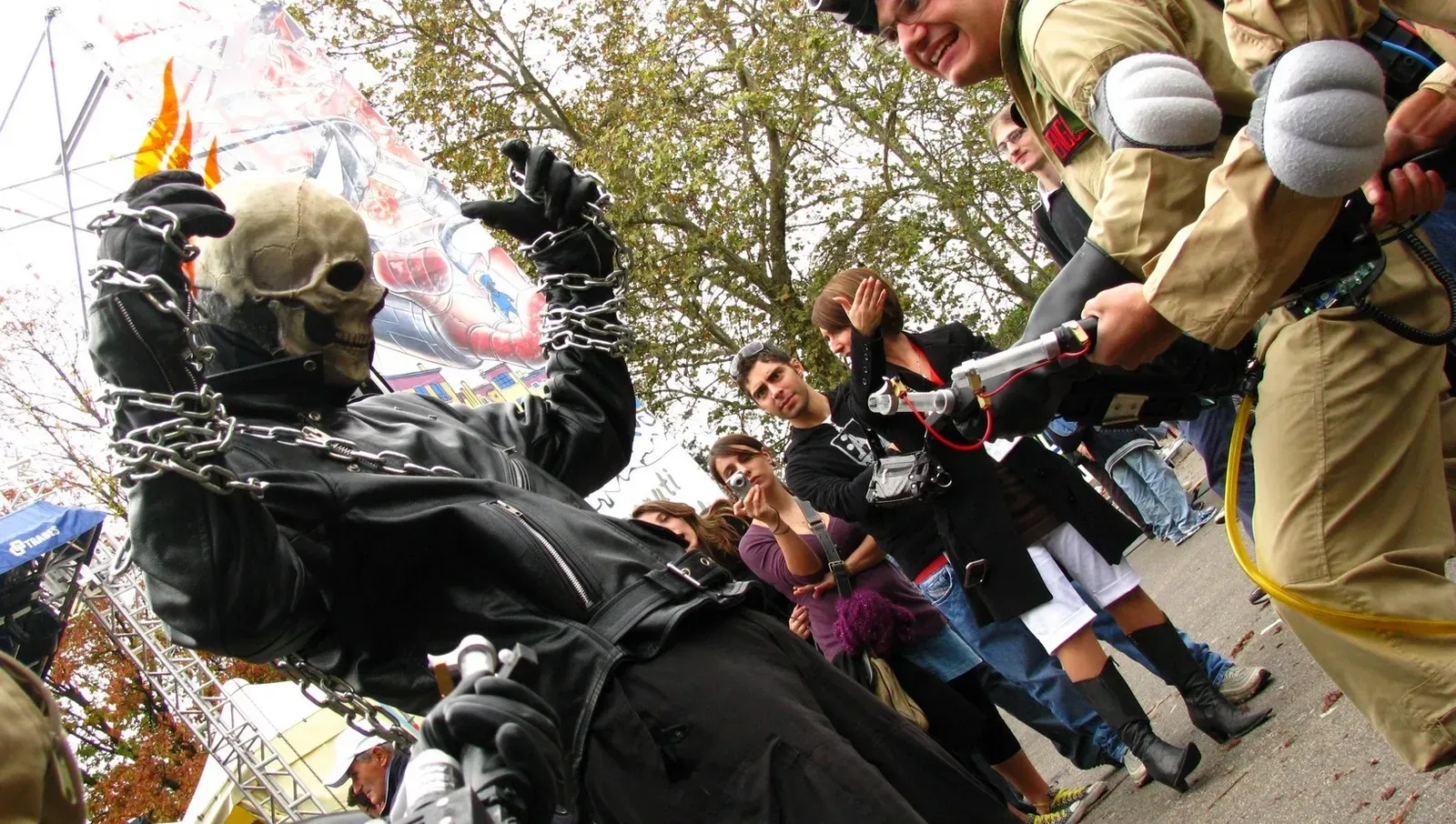
The film rights eventually made their way back to Marvel several years after the second movie’s release. The film rights to the character reverted back to Marvel in 2013. This reversion opened the door for Ghost Rider to appear in Marvel-controlled television projects rather than another standalone Sony film.
A different incarnation of the character, Robbie Reyes, appeared in Agents of S.H.I.E.L.D. shortly after, giving Marvel Studios a version of Ghost Rider it could use within its own television properties. For that series and others such as Runaways, they’re merely “MCU-adjacent” and lack a confirmed place in the official Marvel Cinematic Universe timeline, meaning the Robbie Reyes and Johnny Blaze Ghost Riders seen on the small screen aren’t officially in continuity with the current Multiverse Saga.
A new attempt takes shape for 2028
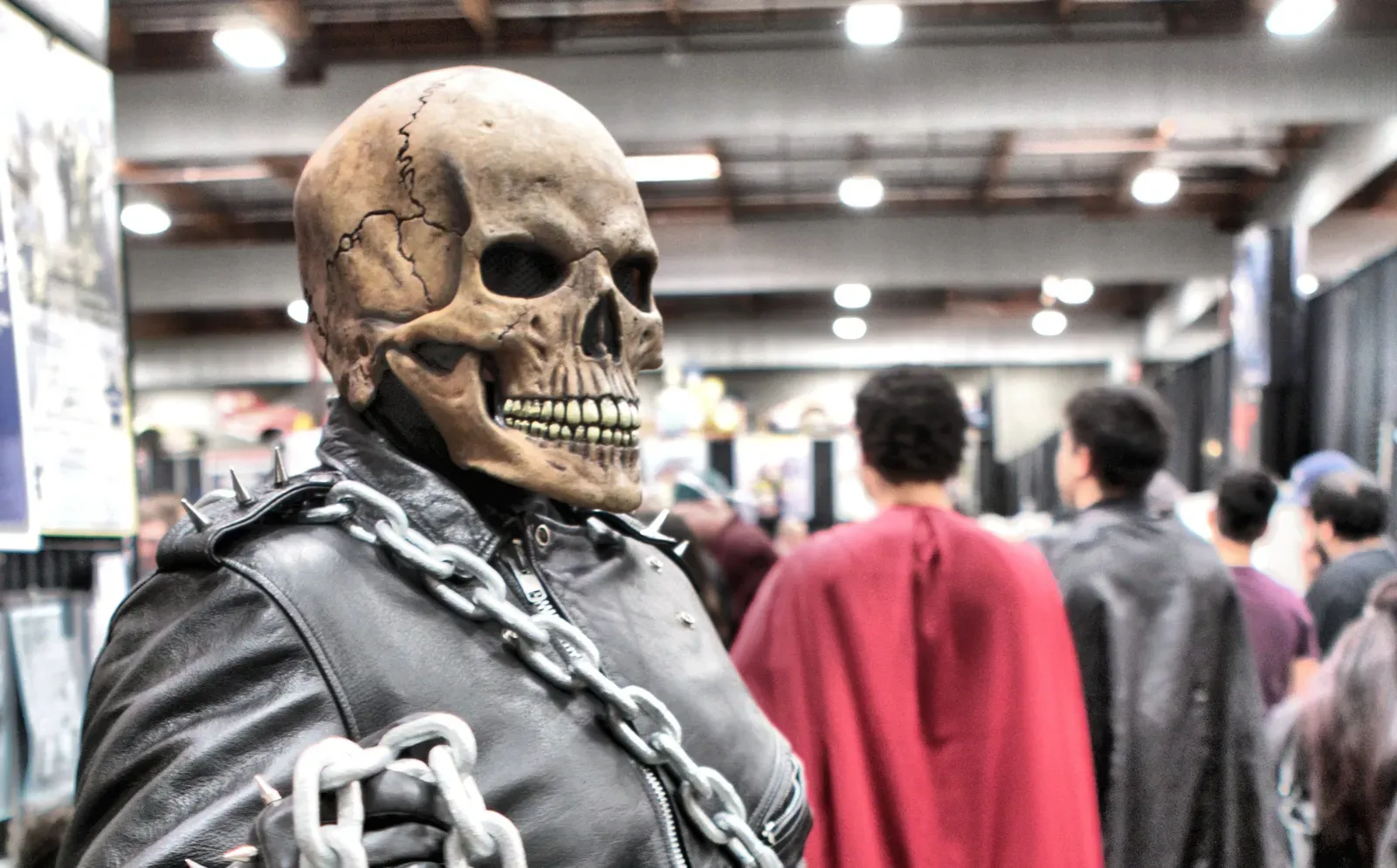
After years without another live-action Ghost Rider project, Marvel Studios has now committed to bringing the character back for a full theatrical release. Marvel Studios is betting on the Spirit of Vengeance once again, announcing at San Diego Comic-Con that the studio has tapped Ryan Gosling and director Shawn Levy to team up for a new, live-action Ghost Rider film slated to open in theaters in 2028. This marks the character’s first true theatrical reboot since the Cage era ended.
Whether this new version can avoid the decades of stalled development that plagued the original remains to be seen. Given the character’s history, patience seems to be baked into any Ghost Rider production from the start, whether the studios involved intend it or not.
What the long wait says about comic book adaptations
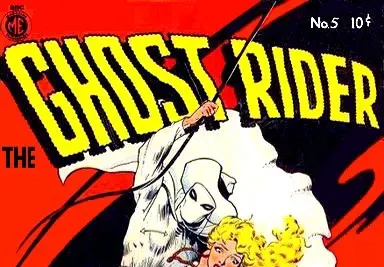
Ghost Rider’s fifteen-year path to the screen offers a useful reminder that not every successful franchise starts with a clean, confident greenlight. Some spend years passed between studios, writers, and directors before finding the right combination of star, script, and timing. It’s easy to forget now, but there was a ten-year stretch between Blade and the release of the first Iron Man, which officially ushered in the era of the MCU.
Ghost Rider sat squarely in that messy transitional period, a character caught between comic book movies as a niche curiosity and comic book movies as a dominant box office force. Its bumpy fifteen-year road to theaters, followed by a short-lived two-film run, stands as one of the more unusual case studies in how long a good character concept can wait before finding its moment.