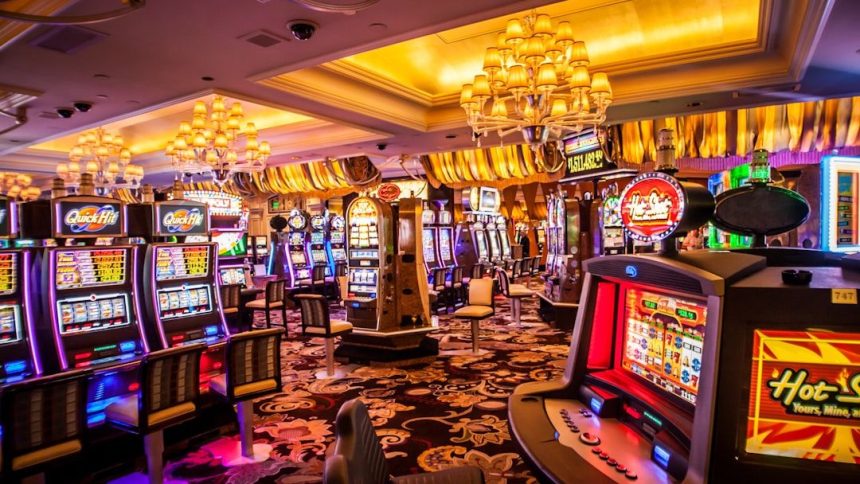
There is no city on earth quite like Las Vegas when it comes to the sheer concentration of human decision-making under pressure. Tens of millions of people pass through every year, and many of them willingly place their money, their time, and their emotional energy into environments specifically engineered to push against rational judgment. For researchers in psychology, behavioral economics, and neuroscience, that combination is nearly impossible to replicate anywhere else.
What makes Las Vegas genuinely unique isn’t just the gambling. It’s the density of behavior. The speed of decisions. The emotional intensity. It’s a place where human risk-taking isn’t theoretical – it happens every second, across dozens of properties, at an extraordinary scale.
A Revenue Machine That Reveals Human Nature
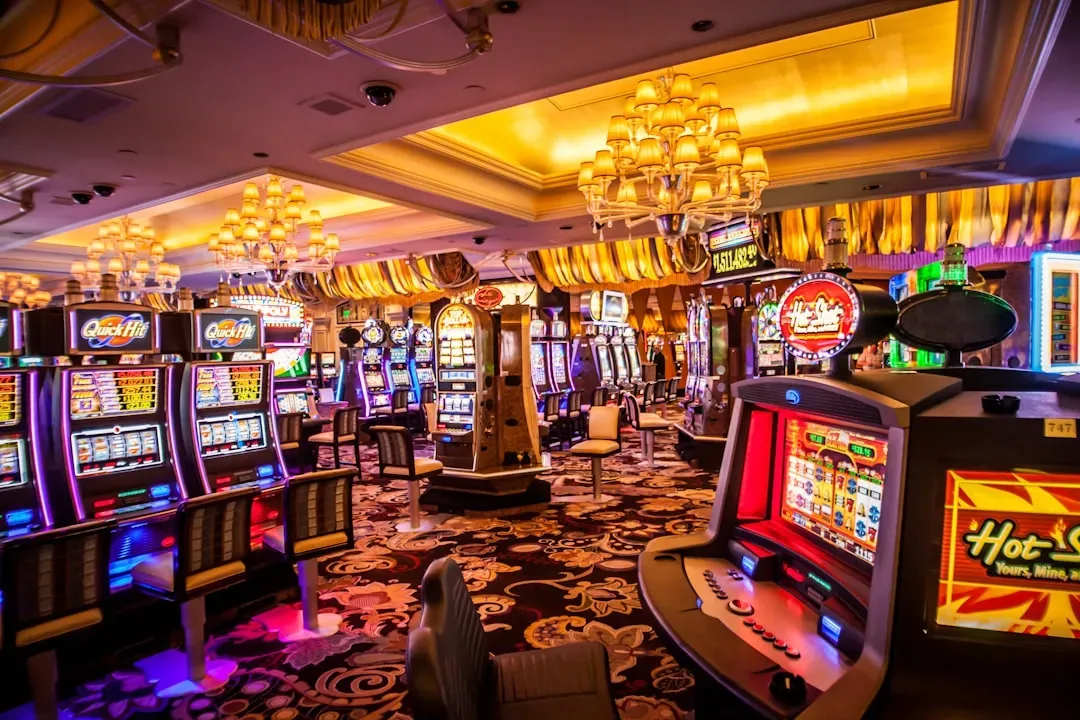
The Las Vegas Strip collected roughly $8.8 billion in gaming revenue in 2025, setting a new annual record for the corridor. That number is staggering, but what it really tells researchers is something more interesting than profit. It reflects millions of individual decisions – people choosing to bet, choosing to stay, choosing to try one more time. Each dollar lost is also a data point about how people handle risk when the stakes feel real.
Las Vegas hosted more than 40.8 million visitors in 2023, and gaming revenue for Clark County that year reached $13.5 billion – a market record for the second straight year. The volume of participation is what sets Las Vegas apart from any controlled research environment. No lab study can match the authenticity of a person standing at a blackjack table with real money on the line, under pressure, after a few drinks, late at night.
The Architecture of Temptation: Casino Design as Behavioral Science
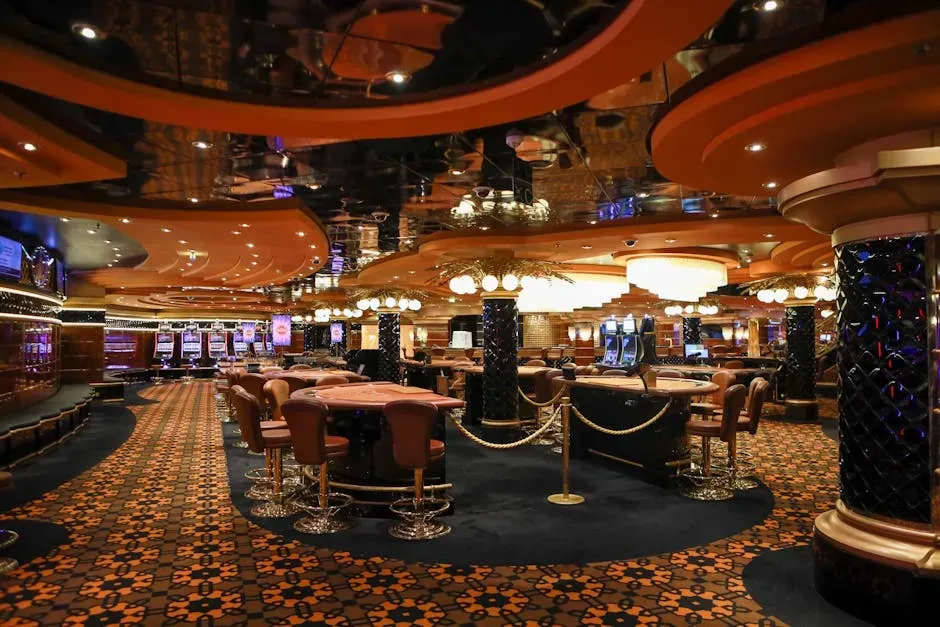
Studies of gambling behavior in simulated settings suggest that the environment in which gaming takes place exerts a strong but subtly nuanced influence on our emotional state. Las Vegas casinos are perhaps the most studied example of environmental psychology applied at scale. Every element – the layout, the lighting, the sound – is deliberate, and the results show up clearly in how long people stay and how much they spend.
The removal of physical money through chips and cards, combined with a disorienting layout and the absence of clocks, are among the most psychologically effective features of casino design. Research confirms that environments with bright lights, continuous sound, and no visible clocks can significantly distort a person’s perception of time, which in turn increases risk-taking behavior. The design of the casino floor is often a labyrinthine structure that encourages exploration and discovery, with game placement deliberately leading players from one opportunity to another without natural exit points, keeping them engaged for extended periods.
Slot Machines and the Science of Variable Rewards
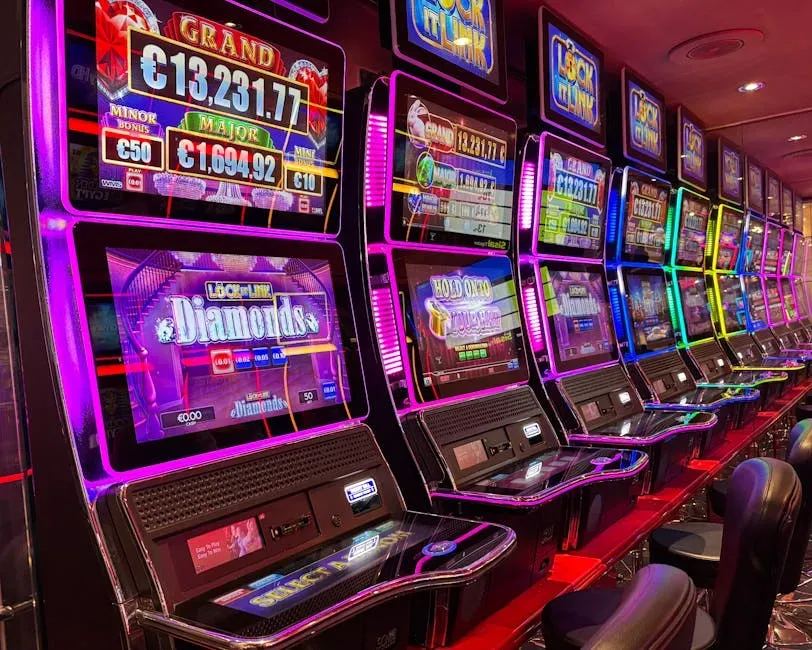
Slot machines are the quiet engine of the modern casino. They require no skill, no strategy, and no social interaction – yet they dominate the floor and the profits. The reason comes down to a well-documented psychological principle: variable reward schedules. When outcomes are unpredictable but potentially rewarding, engagement increases sharply. It’s the same mechanism that keeps people scrolling social media feeds or checking email compulsively.
Variable reinforcement is a core principle of behavioral economics. When outcomes are unpredictable but potentially rewarding, engagement increases – the same principle that drives social media notifications and investment speculation. Slot machines account for the majority of casino revenue in Las Vegas, and their design relies entirely on this effect. Research using prospect theory argues that certain casino promotional structures increase gamblers’ appetite for risk, often without players fully understanding the true value of what they’re being offered.
The Near-Miss Effect: How Almost Winning Keeps People Playing
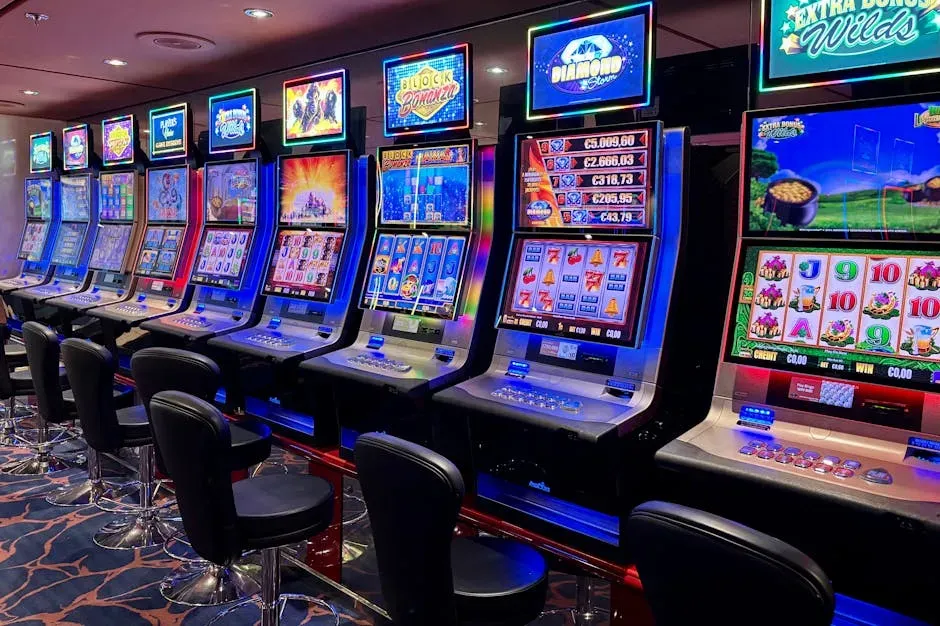
“Near-miss” events, where unsuccessful outcomes are proximal to the jackpot, increase gambling propensity and may be associated with the addictiveness of gambling. This effect is one of the most studied phenomena in gambling psychology, and it reveals something striking about how human brains process failure. When a slot machine shows two matching symbols and a third that just narrowly misses the payline, the brain doesn’t treat that like a typical loss.
Compared to full-misses, near-misses were experienced as less pleasant but increased the desire to play. Near-miss outcomes recruited striatal and insula circuitry that also responded to monetary wins. In other words, the brain lights up in nearly the same way it does for a real win, even though no money changed hands. Gambling severity predicted a greater response in the dopaminergic midbrain to near-miss outcomes, suggesting that the more someone gambles, the more sensitive their brain becomes to these near-win signals. Las Vegas provides an almost inexhaustible real-world environment for observing this exact phenomenon at scale.
Loss Chasing: The Psychology of Trying to Break Even

One of the clearest behavioral patterns observed in casino settings is what researchers call “loss chasing.” It’s the act of continuing to gamble – often escalating bets – in an effort to recover money already lost. It feels rational in the moment, but it almost always makes things worse. Understanding why people do it tells us a great deal about how humans relate to financial loss and hope.
Based on findings from neuroscience research, excessive insula recruitment during gambling play may be a risk factor for the cognitive distortions and loss-chasing that are characteristic of problem gambling. The brain treats the prospect of recovering a loss differently from the prospect of making a gain, and that asymmetry is hardwired into how we evaluate risk. Near-miss outcomes elicited a greater occurrence of counterfactual thoughts, feelings of regret, and heightened anticipation of rewards for subsequent trials compared to full-miss outcomes, helping explain why loss chasers stay at the table long after logic would suggest otherwise.
Partner offer
Loyalty Programs as Behavioral Data Mines

Casino loyalty programs are marketing strategies designed to foster attitudinal and behavioral loyalty among gamblers by offering rewards to members. What many players don’t realize is that these programs are also remarkably sophisticated data collection systems. Every swipe of a rewards card captures game preference, session length, bet size, time of visit, and spending patterns – all feeding into detailed behavioral profiles that casinos use to predict and influence future behavior.
Loyalty programs allowed casinos to track gaming behavior down to the individual level, leading to more accurate information about patrons’ gaming behavior and interests, which could then be used to better segment customers, predict future behavior, and improve marketing outcomes. Modern operators deploy regression models that segment players not by simple loss thresholds, but by hundreds of behavioral variables – including session volatility, time-of-day engagement, game-switching frequency, and reaction time to promotional emails. The data generated by Las Vegas casinos represents one of the most detailed behavioral datasets anywhere in consumer research.
Alcohol, Impulsivity, and Decision-Making Under the Influence
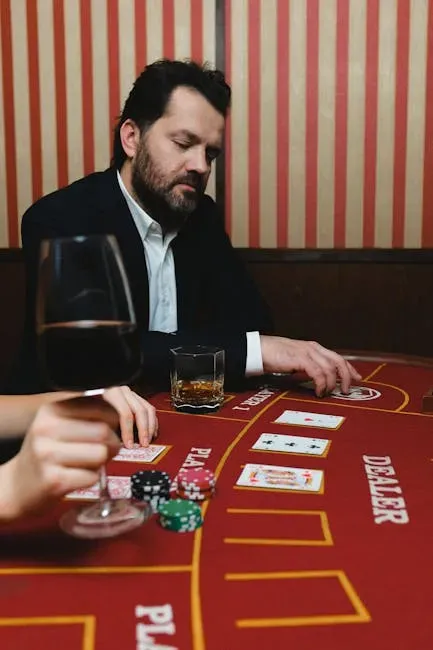
Casinos in Las Vegas are one of the few commercial environments in the world that routinely offer free alcohol to active participants. It’s no accident. Alcohol lowers inhibition, reduces risk perception, and makes people more likely to act impulsively. The combination of a stimulating environment and reduced cognitive sharpness creates conditions where people regularly make decisions they wouldn’t otherwise make.
Research consistently shows that alcohol consumption reduces a person’s ability to accurately assess risk and increases the frequency of impulsive choices. Free drinks and the lack of clocks are deliberate psychological tools – the design ensures that people lose track of time and their money together. The practical result is that many Las Vegas visitors leave having spent considerably more than they planned, a pattern that behavioral economists study closely. The city effectively runs a natural experiment on financial decision-making under the influence, at a scale no controlled study could approach.
Prospect Theory in Practice: How People Value Gains and Losses

Behavioral economists have long understood that humans don’t weigh gains and losses symmetrically. Losing a hundred dollars hurts more than winning the same amount feels good. This concept, central to prospect theory, was developed in academic settings – but it plays out in real time across every casino floor in Las Vegas, every single day. The city essentially runs a live demonstration of one of economics’ most important insights.
During gambling, players experience a range of cognitive distortions that promote an overestimation of their chances of winning, and near-miss outcomes are thought to fuel these distortions. The asymmetry between how people feel about losing versus winning drives people to take increasingly irrational risks. Pathological gambling is recognized as an impulse control disorder with symptoms including withdrawal and tolerance, with accumulating data indicating neurobiological alterations in the brain reward system in problem gamblers. Las Vegas gives behavioral scientists a rare chance to observe these cognitive distortions not in a lab but in the wild – with real stakes, real emotions, and real consequences.
What Las Vegas Teaches Us About Risk Beyond Gambling
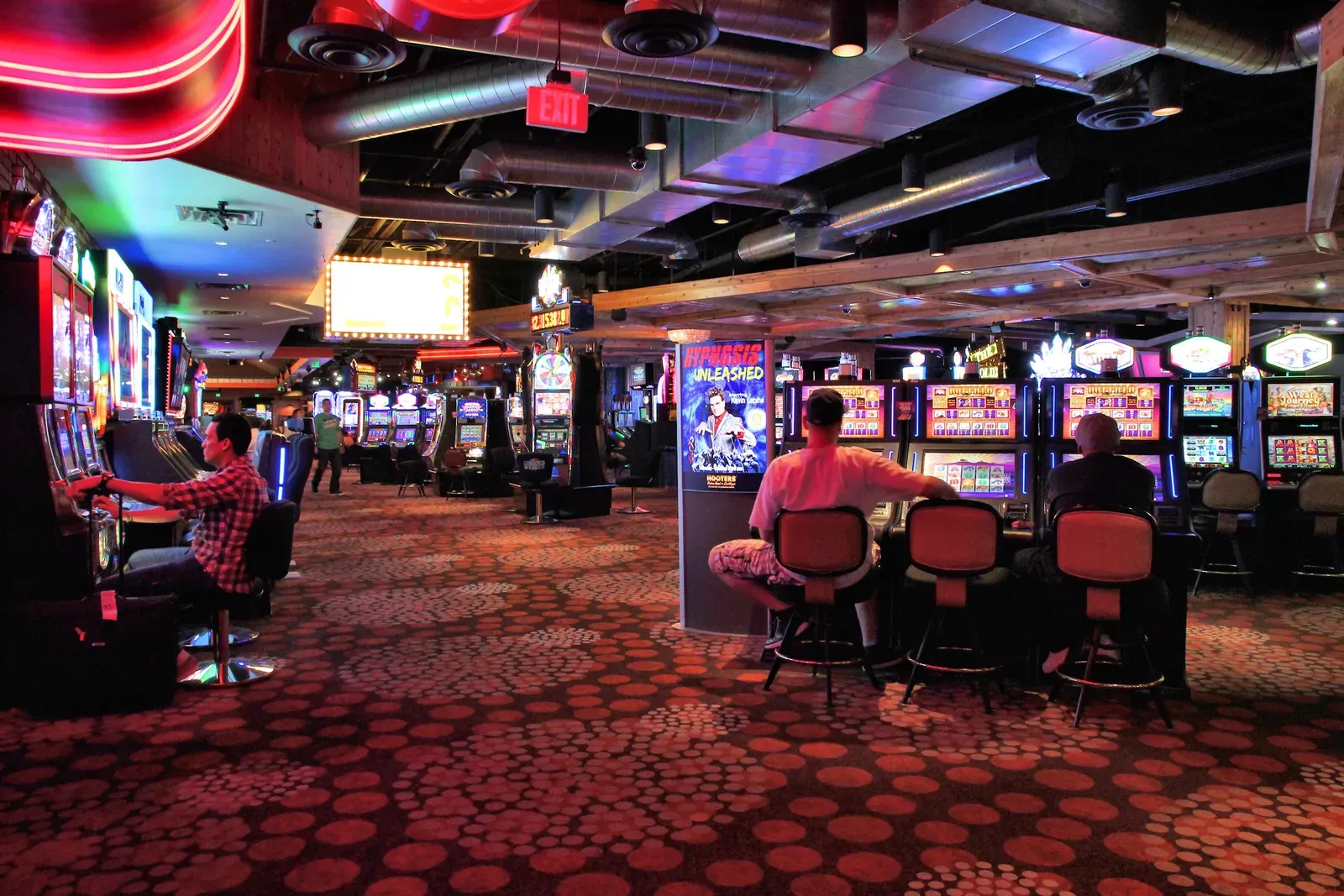
The insights generated by studying behavior in Las Vegas don’t stay in Las Vegas. The same cognitive mechanisms that keep a person at a slot machine – variable rewards, loss aversion, near-miss effects, distorted time perception – appear throughout everyday human decision-making. Financial markets, consumer behavior, social media design, and even career choices all involve similar psychological dynamics. The casino environment just makes them easier to see.
Academic conferences on gambling and risk-taking are now hosted in Las Vegas itself, with institutions like the UNLV International Gaming Institute exploring pressing and emerging issues in the field. The city has effectively become a living research environment, one that continues to generate new questions about how people think under uncertainty. Researchers have increasingly recognized that in order to develop a comprehensive understanding of gambling behavior and effective treatment options, it is necessary to understand how the brain responds to various gambling cues, using modern brain imaging tools such as PET and fMRI. That work, much of it informed by observations made in casino environments, is reshaping how we understand human decision-making across many domains far beyond the gaming floor.
The Ongoing Value of Las Vegas as a Research Environment
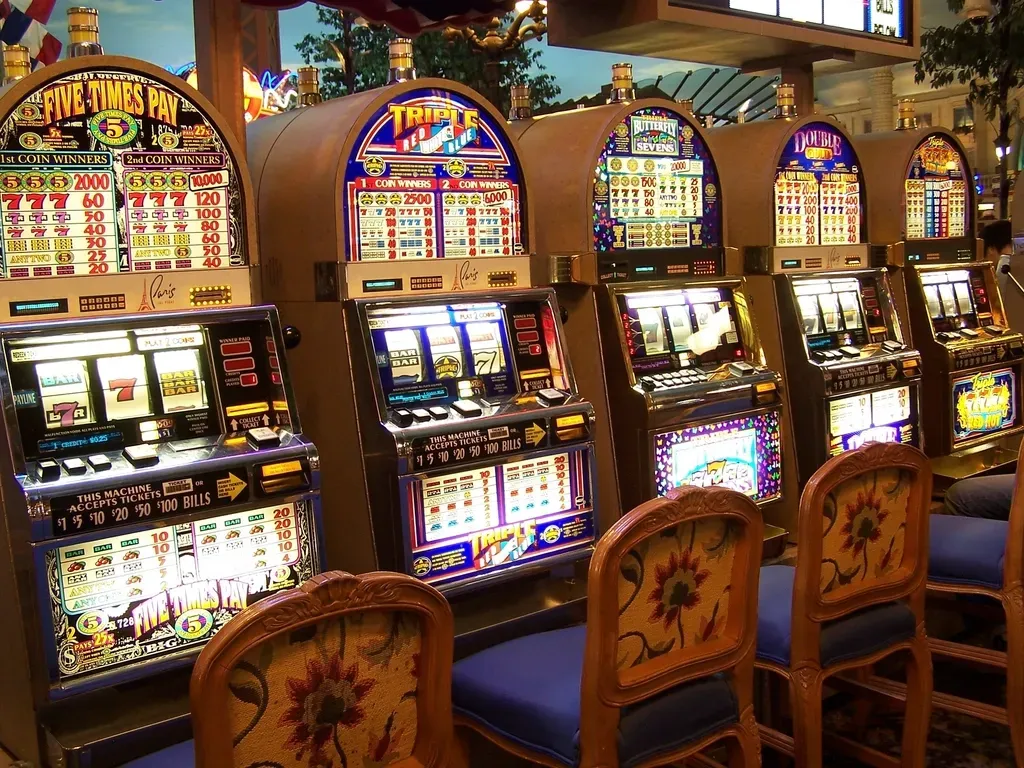
No university lab can fully replicate what Las Vegas offers. The scale, the diversity of participants, the real financial stakes, the emotional intensity – all of it combines to create a behavioral environment that is genuinely unique. Millions of ordinary people, not just research volunteers, making real decisions under real conditions. That authenticity is scientifically irreplaceable.
The global gambling market is valued at over $500 billion, and Las Vegas remains one of the most intensively studied hubs within it. Despite tourism slowdowns, Las Vegas Strip gaming revenue in 2025 reached roughly $8.8 billion, with the divergence between visitor numbers and revenue reflecting the resilience of gambling behavior even under broader economic pressure. That resilience itself is worth studying. When fewer people visit but the same amount of money gets wagered, something interesting is happening at the individual level. The patterns and mechanisms at work in Las Vegas continue to offer researchers – and anyone curious about why people make the choices they do – a window into some of the most fundamental aspects of human psychology.
The city built on risk-taking turns out to be the best place in the world to understand it.
Partner offer
Planning a trip to Vegas?
Compare hotel rates and show tickets on VEGAS.com.