Classic rock has been retold so many times that the stories sometimes outweigh the records. A tale told in a pub, on a radio show or in a documentary can harden into fact within a decade. Many of those tales are good ones, which is part of why they stick.
Still, a closer look at the historical record shows that quite a few of the best known claims don’t hold up. Here are ten common beliefs about famous bands, along with what the evidence supports.
The Beatles Split Because of Yoko Ono
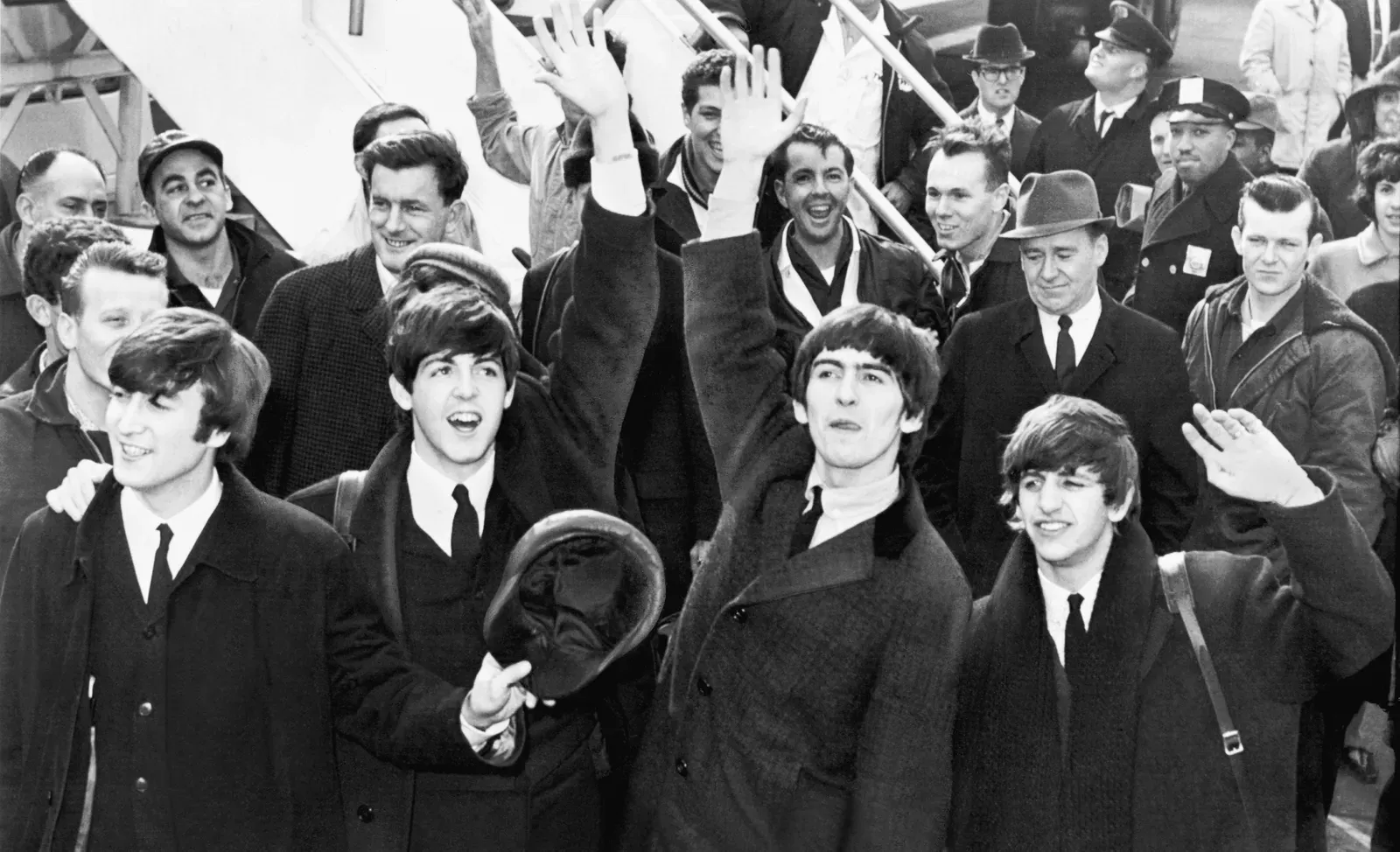
This is probably the most repeated claim in rock history. Yoko Ono became a convenient figure to blame after John Lennon began working and living with her in 1968. Yet the group’s troubles started earlier, and they were mostly practical ones.
Manager Brian Epstein died in 1967, and the band struggled with business direction afterward. Disputes over who should manage their finances, with Lennon, George Harrison and Ringo Starr favoring Allen Klein and Paul McCartney opposing him, deepened the rift. McCartney went to court in late 1970 to dissolve the partnership, which made the legal break official.
Led Zeppelin Hid Satanic Messages in Stairway to Heaven

The idea took hold in the early 1980s, when some listeners claimed that playing the song backward revealed hidden phrases. The theory spread through religious groups and talk shows. It was taken seriously enough that a California legislative committee held a hearing on backward messages in records in 1982.
The band has consistently rejected the claim, and the lyrics were written to be heard forward. Human hearing is also good at finding patterns in random noise, especially when a listener has been told what to expect. In practice, the supposed messages appear only after someone suggests them.
Black Sabbath Were Practicing Satanists
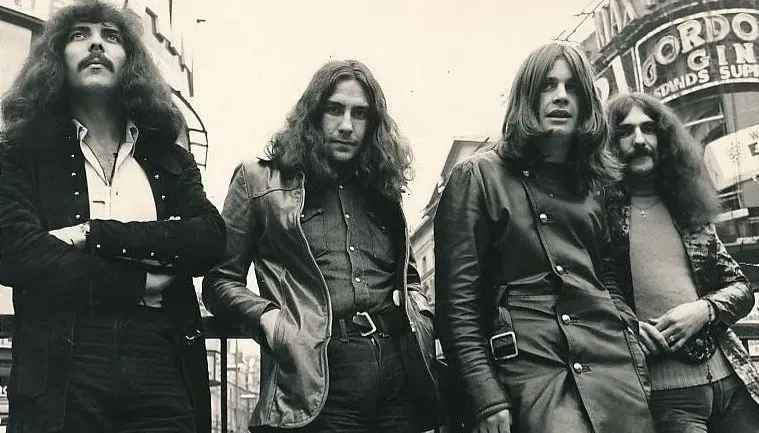
Black Sabbath leaned into dark imagery, and their name, album art and doom heavy riffs encouraged the reputation. Bassist Geezer Butler wrote most of the lyrics, and many of the themes deal with war, fear and the consequences of human behavior. Songs like War Pigs are protests against political leaders rather than devotional hymns.
The band members have long described the occult look as a theatrical choice that grew from horror films and a gloomy industrial setting in Birmingham. Ozzy Osbourne’s death on July 22, 2025, came only weeks after the Back to the Beginning farewell concert in Birmingham on July 5. The tributes that followed focused on his influence on heavy metal rather than any supposed dark worship.
The Rolling Stones Were the Dangerous Opposite of the Beatles
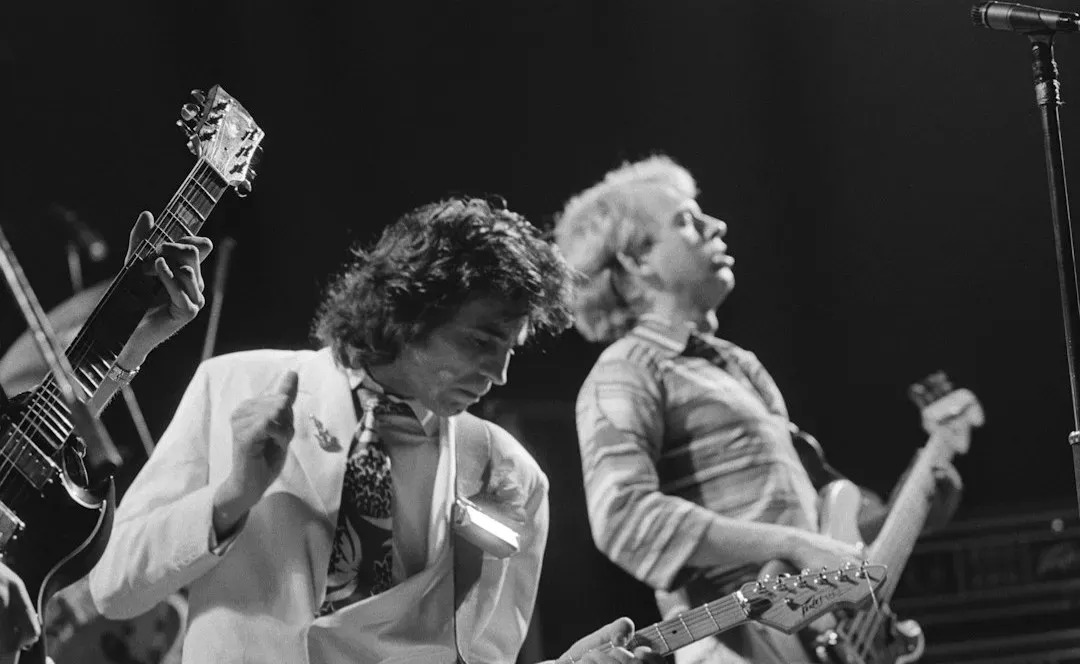
In the mid 1960s, the Stones were presented as the rebellious alternative to the neat, suited Beatles. Much of that contrast was marketing. Their manager Andrew Loog Oldham deliberately pushed the unruly image because he saw it as a way to stand out.
The reality was more nuanced. Mick Jagger had studied at the London School of Economics, and the band’s early repertoire leaned heavily on American blues and rhythm and blues covers. The two groups also knew each other and were friendly, which doesn’t match the picture of fierce enemies.
Every Classic Band Played All the Instruments on Its Records

Fans often assume that the lineup on the album cover is the lineup that played in the studio. That wasn’t always the case, particularly in the 1960s. Studio time was costly, and producers often hired skilled session players to get a clean take quickly.
The Byrds’ debut single Mr. Tambourine Man is a well documented example. Only Roger McGuinn played an instrument from the band, while members of the Los Angeles session group known as the Wrecking Crew handled most of the instrumental backing. The Beach Boys also used the same pool of musicians on parts of Pet Sounds.
Fleetwood Mac Started as a Californian Pop Group
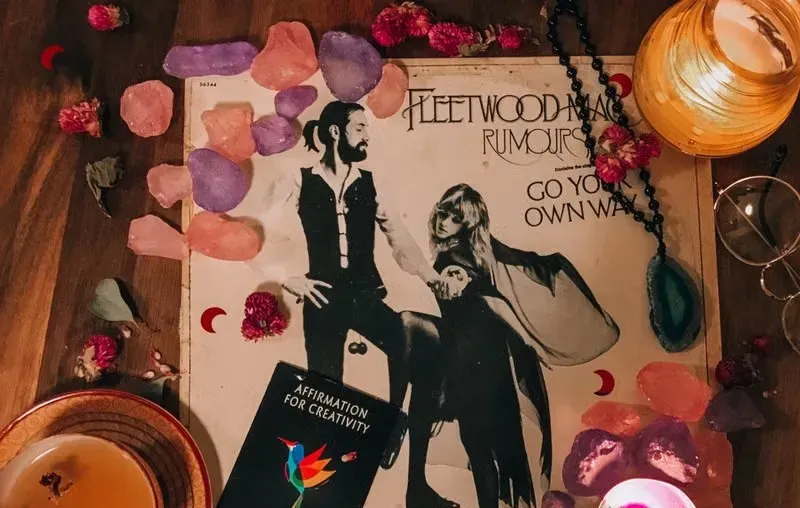
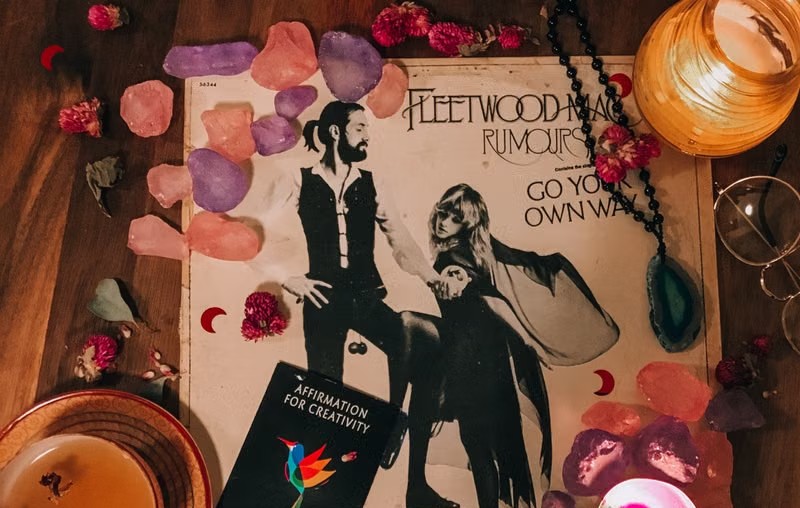
Many listeners know the band through Rumours, released in 1977, with its polished harmonies and Los Angeles studio sound. That lineup, which included Stevie Nicks and Lindsey Buckingham, joined in 1975. By then the group had already existed for years.
Fleetwood Mac began in London in 1967 as a blues band led by guitarist Peter Green. Its name came from drummer Mick Fleetwood and bassist John McVie. The early records sound very different from the later hits, and they are worth hearing for that contrast alone.
Radio Refused to Play Bohemian Rhapsody
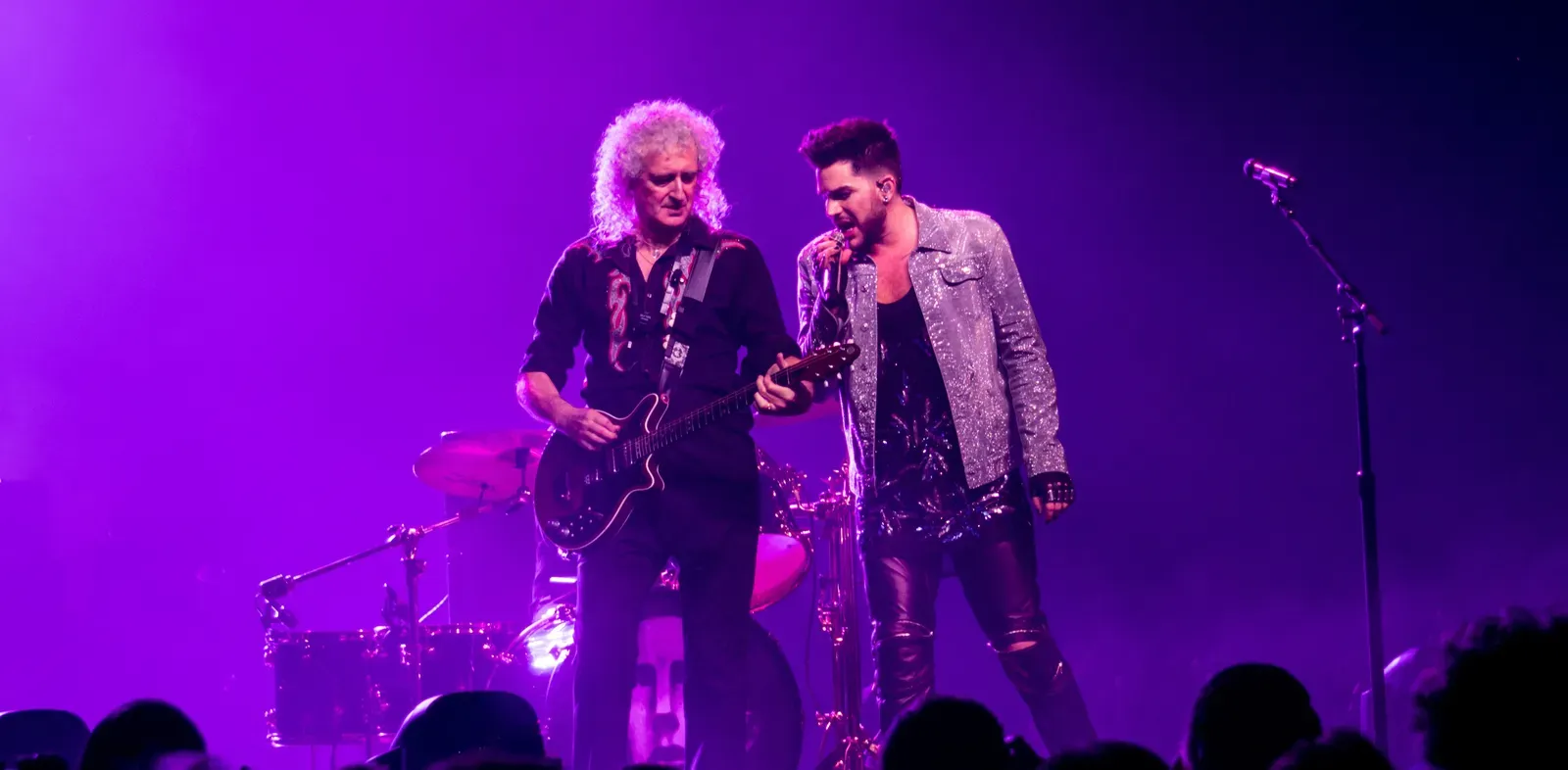
The story goes that Queen’s six minute single was considered too long for airplay, so the song was nearly doomed. Executives at the label did worry about its length when it was released in 1975. Even so, the notion that it never had a chance is overstated.
Disc jockey Kenny Everett received an early copy and played it on air, helping to build public demand. The single went on to spend nine weeks at number one in the United Kingdom. Its success became part of the lasting proof that audiences will accept an unusual song if they hear it.
Paul McCartney Died in 1966 and Was Replaced
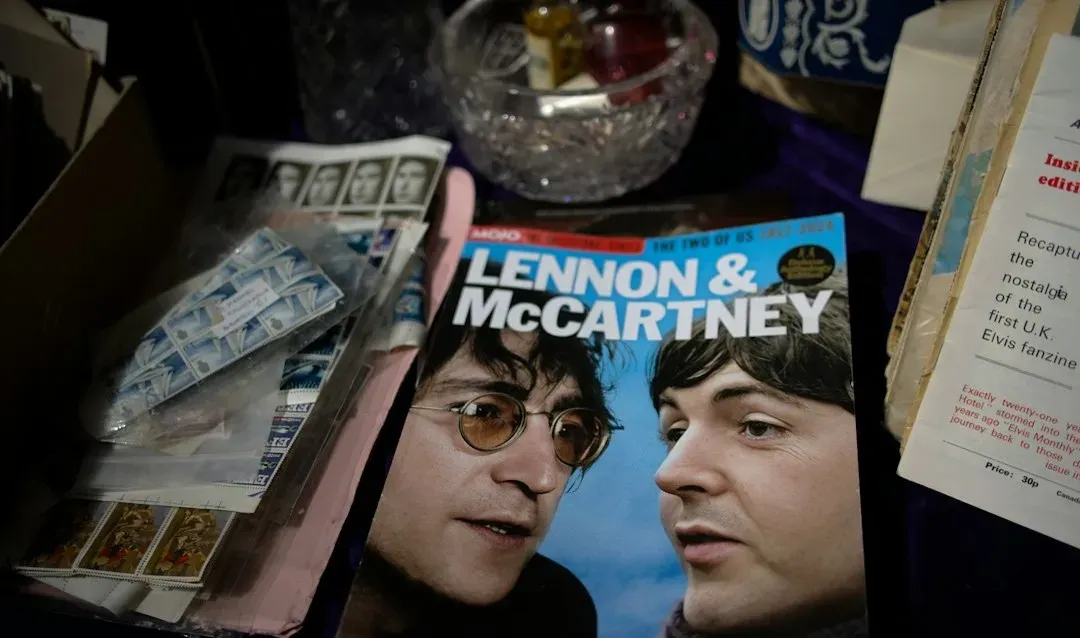
This rumor surfaced in 1969 and grew through student newspapers and radio discussions. Fans pointed to album covers, lyrics and backward audio as supposed clues. The Abbey Road cover, with the band crossing the street and McCartney barefoot, became a favorite piece of so called evidence.
McCartney was alive and publicly active, and he has continued to tour and record for decades. The clues came from fans reading symbolism into ordinary creative choices. It remains a textbook case of how an unfounded idea can feed itself once people start searching for proof.
Dark Side of the Moon Was Written to Match The Wizard of Oz
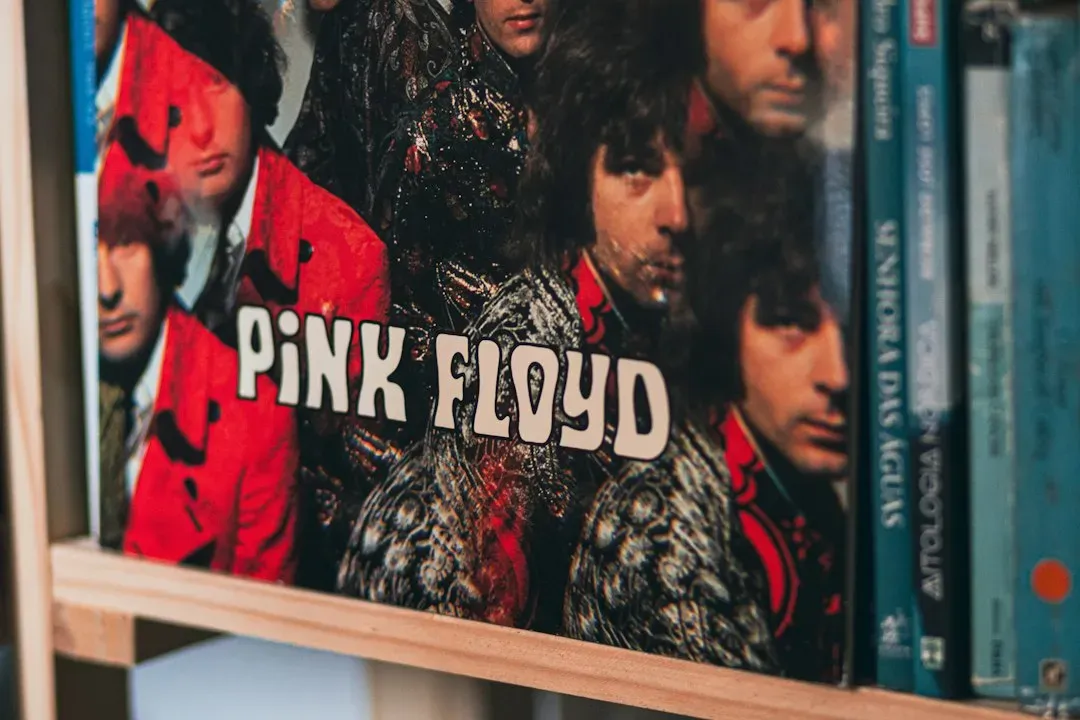
A popular fan experiment suggests playing the 1973 Pink Floyd album alongside the 1939 film, with the record starting on the lion’s third roar. Viewers claim that certain lyrics and moments line up uncannily. The pairing became widely known in the 1990s.
The band has dismissed any intention behind it. The album’s themes are about pressure, time, madness and money, with no connection to the film’s story. The overlaps tend to appear because the album is long, the film is long and people remember the matches while ignoring the misses.
Classic Rock Is Only About Nostalgia Now

It’s easy to assume that older bands have retired and that their audiences are only looking backward. The evidence from recent years suggests otherwise. The Rolling Stones released Hackney Diamonds in October 2023, their first album of new original songs in about eighteen years.
Oasis also reunited for a major tour in 2025, drawing large crowds across the United Kingdom and beyond. Younger listeners keep finding older catalogs through streaming and social media, which keeps these songs in circulation. The genre is still being heard, discovered and, in some cases, added to.