Chart success fades fast. A song can dominate radio for a summer and then vanish into nostalgia playlists, taking its performer’s career with it. Yet a small handful of artists who never managed a proper follow-up hit ended up building fortunes that dwarf what many decades-long chart toppers ever earned, mostly because they stopped chasing music and started chasing something else entirely. What follows are three cases where a single song opened a door, and the person walking through it decided the music industry wasn’t where the real money was. Each took a wildly different path afterward, but the pattern is oddly consistent: walk away early, reinvest the fame, and let a completely unrelated business do the heavy lifting.
Mark Wahlberg turned Good Vibrations into a $400 million empire
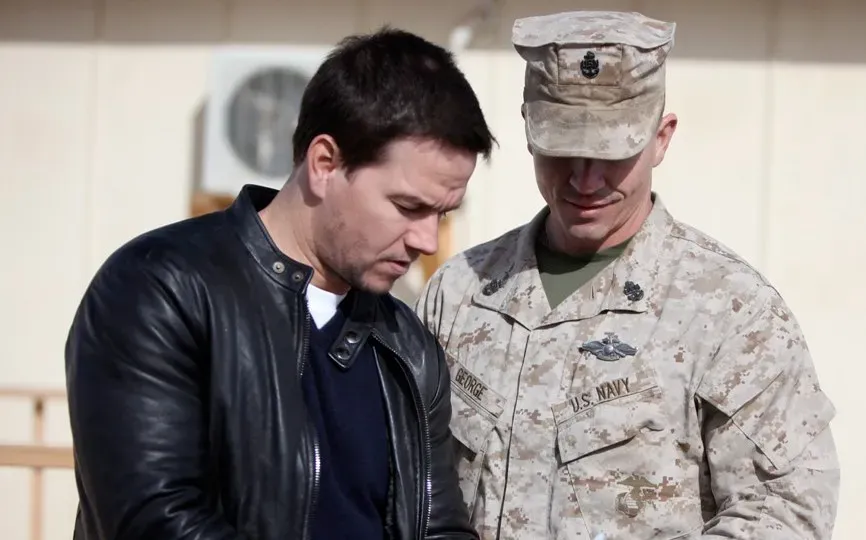
Before he was a movie star, Wahlberg was Marky Mark, fronting a group called Marky Mark and the Funky Bunch. Their debut album, Music for the People, was produced by Donnie and included the hit “Good Vibrations,” which reached number one on the Billboard Hot 100 chart and was certified as a platinum single. It was the only song from that era most people can still name today.
Wahlberg’s actual fortune came later, and from almost everywhere except music. Mark Wahlberg’s net worth in 2026 is estimated at an incredible $400 million. Much of that growth traces back to business rather than box office paychecks. Mark Wahlberg’s net worth of $400 million is impressive, and many of his fans might not be aware that only about 6% of his fortune comes from his acting career. He built the Wahlburgers restaurant chain with his brothers and made a sizable bet on fitness, since Mark Wahlberg reportedly invested $110 million into F45 in 2019, a fitness company based in Austin, Texas, with fitness centers throughout the world.
Vanilla Ice quietly built a real estate fortune off royalties from one song
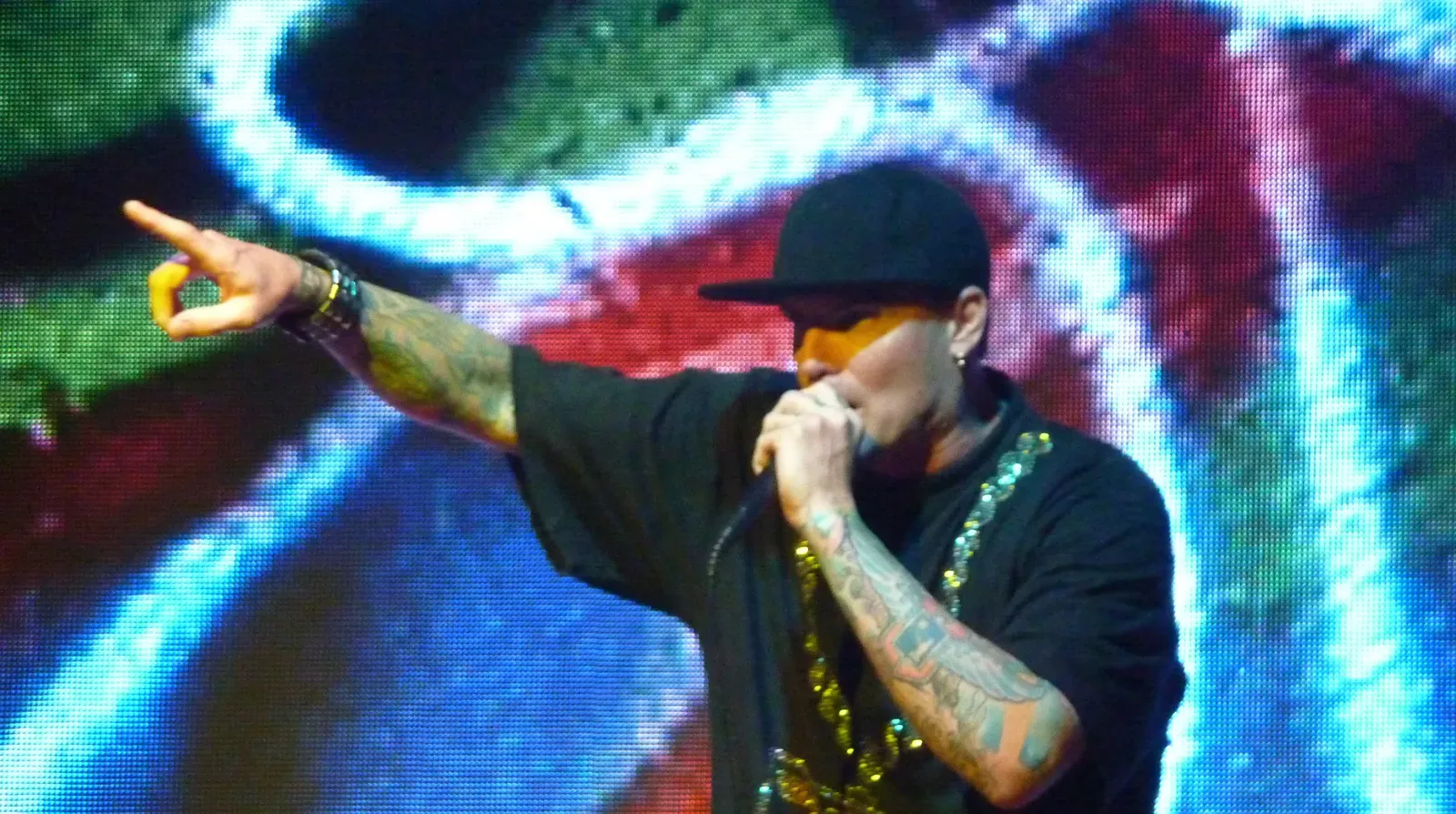
Few one-hit wonders are as literal as Vanilla Ice. Known for his hit song “Ice Ice Baby,” which made history as the first rap song to top the Billboard Hot 100, Vanilla Ice became a pop culture icon in the early 1990s. After that, chart success mostly disappeared, but the royalty checks never did.
What’s kept him financially comfortable for decades has almost nothing to do with new music. As of 2026, the Vanilla Ice net worth is widely estimated between $20 million and $25 million, with Celebrity Net Worth placing the figure at $25 million while other sources cite approximately $20 million. Court records from his divorce revealed just how durable that original hit has been financially, since his average monthly income was $68,000, with roughly half coming from “Ice Ice Baby” royalties, and the single continues to generate an estimated $400,000 per year in royalties decades after its debut. The real driver of his wealth, though, was a pivot most fans never saw coming, as his pivot to real estate is widely credited as the key differentiator, a strategy that saved and rebuilt his financial standing after his music career declined.
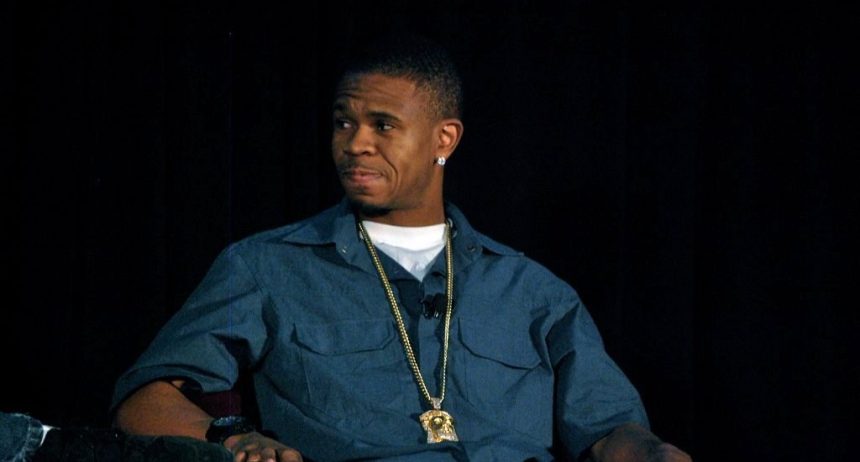
Chamillionaire rode Ridin’ into a Silicon Valley fortune worth $50 million
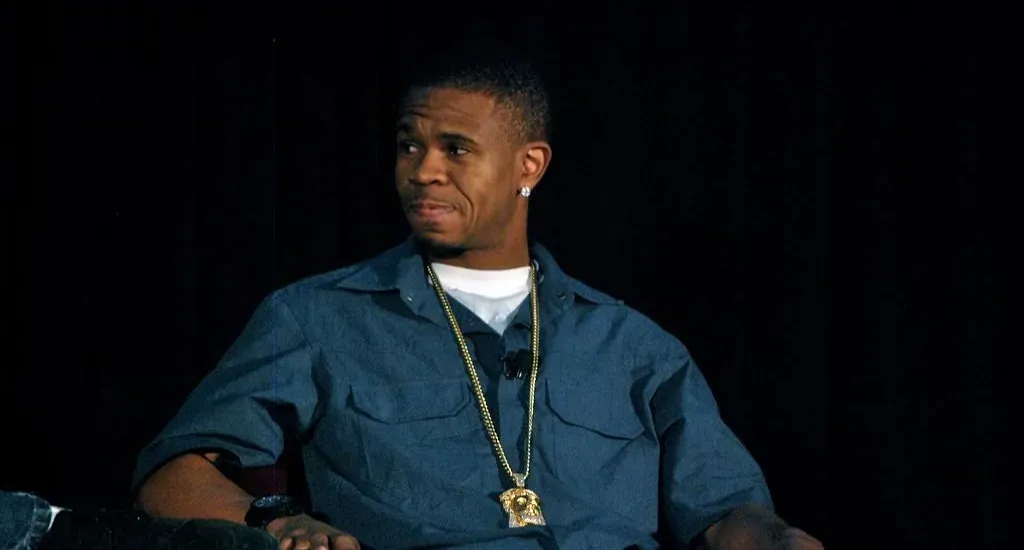
Chamillionaire’s crossover moment came with a single that was inescapable for about a year. The Sound of Revenge included hit singles “Turn It Up” featuring Lil’ Flip and the number-one, Grammy-winning hit “Ridin'” featuring Krayzie Bone of Bone Thugs-n-Harmony. Unlike most rappers who slipped into obscurity after their chart run ended, he made a deliberate career pivot almost nobody in hip-hop was making at the time.
Instead of chasing another radio hit, he started studying term sheets and cap tables. Chamillionaire is a Grammy-winning rapper, entrepreneur, and tech investor who has a net worth of $50 million. One early bet paid off spectacularly, since one of his most notable investments was in Maker Studios, a media company that Disney acquired for $500 million, and Chamillionaire’s initial investment of $1.5 million yielded a return of over $20 million. He kept stacking wins after that, backing Cruise, a self-driving car startup, which was later acquired by General Motors for $1 billion, and eventually formalizing his shift into venture capital when in 2015, Chamillionaire became an entrepreneur-in-residence at Upfront Ventures, a leading venture capital firm.
None of these three men are chasing another hit single at this point, and none of them need to. Wahlberg turned a platinum record into Hollywood leverage and then into restaurants and gyms. Vanilla Ice quietly became a landlord with a very recognizable face. Chamillionaire treated his fifteen minutes as seed capital rather than a career, and it paid off in a way songwriting royalties alone never could have. The lesson buried in all three stories isn’t really about music at all. It’s that fame, even brief fame built on a single song, can function as a kind of currency, and what someone does with that currency after the spotlight moves on matters more than the song itself ever did.