Before a film reaches theaters, studios often show it to a room of ordinary viewers and ask what they thought. Most of the time the feedback leads to trims or a tweaked joke. Occasionally it decides whether someone lives or dies.
The eight characters below were written to meet a bad end, whether in a script, a novel, or a pilot. Viewers reacted strongly, and the people in charge changed course. Some of these accounts are better documented than others, so the wording below stays careful where the details are thin.
Dewey Riley in Scream
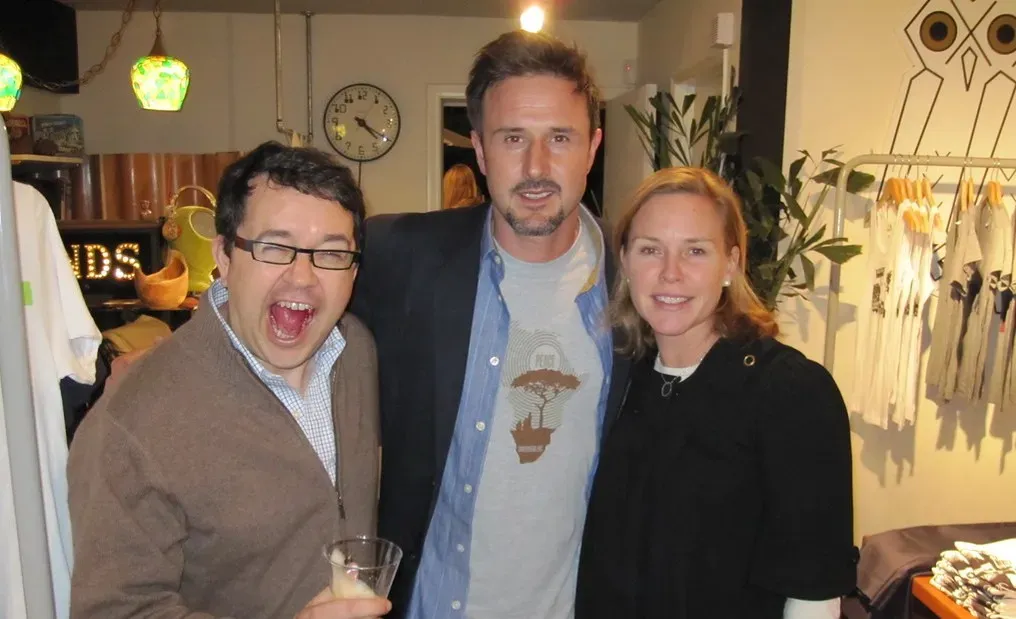
Dewey, the goofy deputy played by David Arquette, was meant to die in the first Scream. Writer Kevin Williamson planned to kill him off, but Wes Craven filmed an extra scene of Dewey surviving to gauge audience reactions.
It worked out for the character. Test audiences loved the deputy and responded negatively to his death, and Craven had luckily shot a version where he survives. He went on to become a franchise staple.
Seymour and Audrey in Little Shop of Horrors
The 1986 musical had a finale that most people would not expect from a comedy. The original ending ran about 23 minutes and had Seymour and Audrey dying while the alien plant took over the world.
Test viewers weren’t having it. The film played well in screenings until that ending, and audiences wouldn’t accept seeing the two leads die. Director Frank Oz reshot a new ending where Seymour electrocutes the plant and lives happily with Audrey, and that’s the version released in theaters.
John Rambo in First Blood
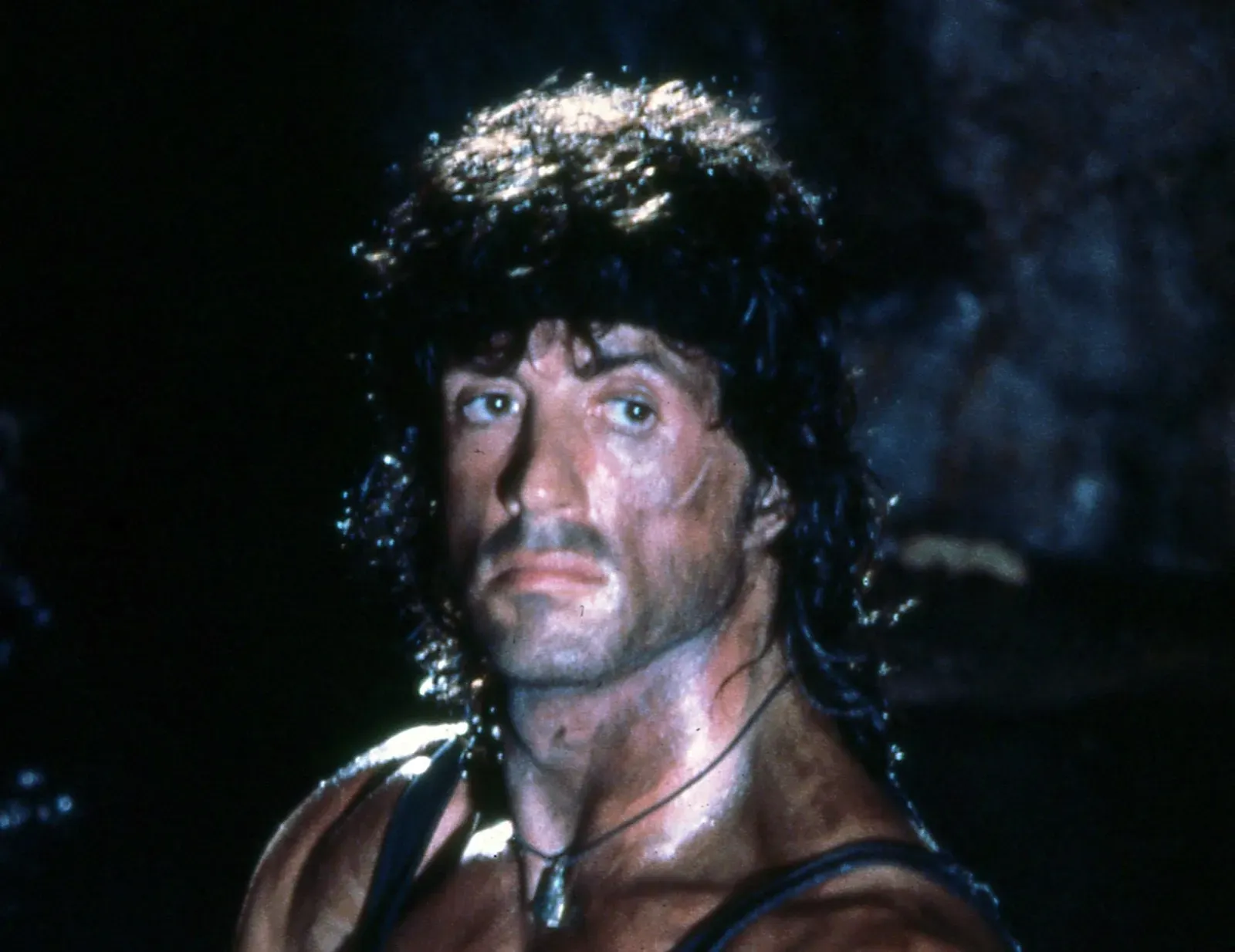
It’s easy to forget that Rambo started out as a tragic figure. In the original script, he dies at the hands of his commanding officer.
Reports say audiences connected with the troubled veteran and disliked watching him go out that way. The ending was rewritten so he survives and is taken into custody, which gave the character a future and launched several sequels. Some accounts credit the filmmakers’ own judgment as well, so test screenings were likely one factor among several.
Mitch Henessey in The Long Kiss Goodnight
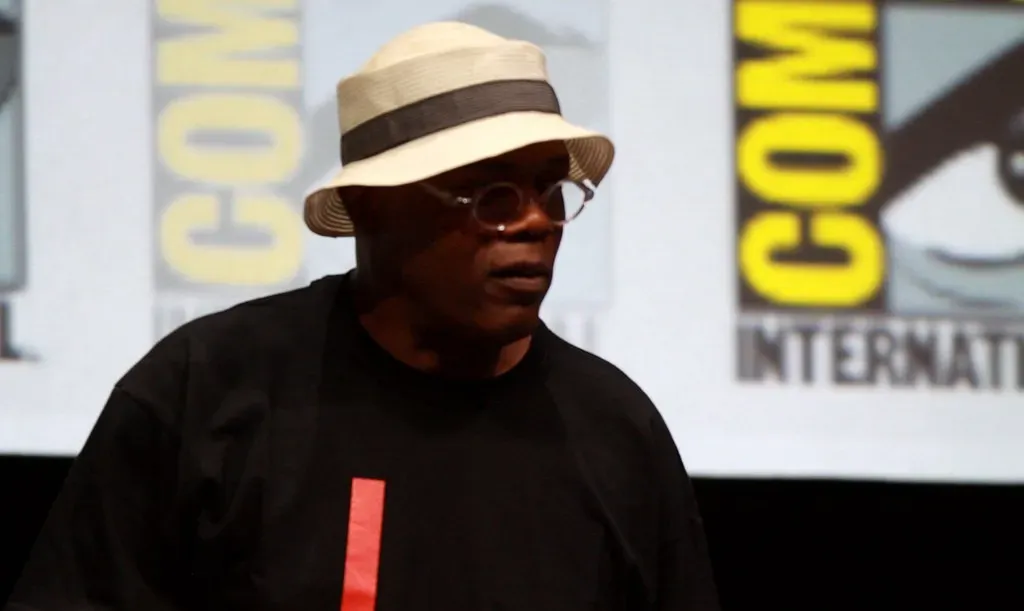
Samuel L. Jackson’s wisecracking private investigator is one of the more fondly remembered sidekicks of the 1990s. Originally the character dies in the film, but that changed after audience members protested.
It’s a useful reminder that a supporting player can be the one viewers refuse to lose. When a sidekick wins the room, a studio has a good reason to rethink the script. Mitch stayed alive, and the movie’s tone stayed lighter for it.
Carol Hathaway in ER
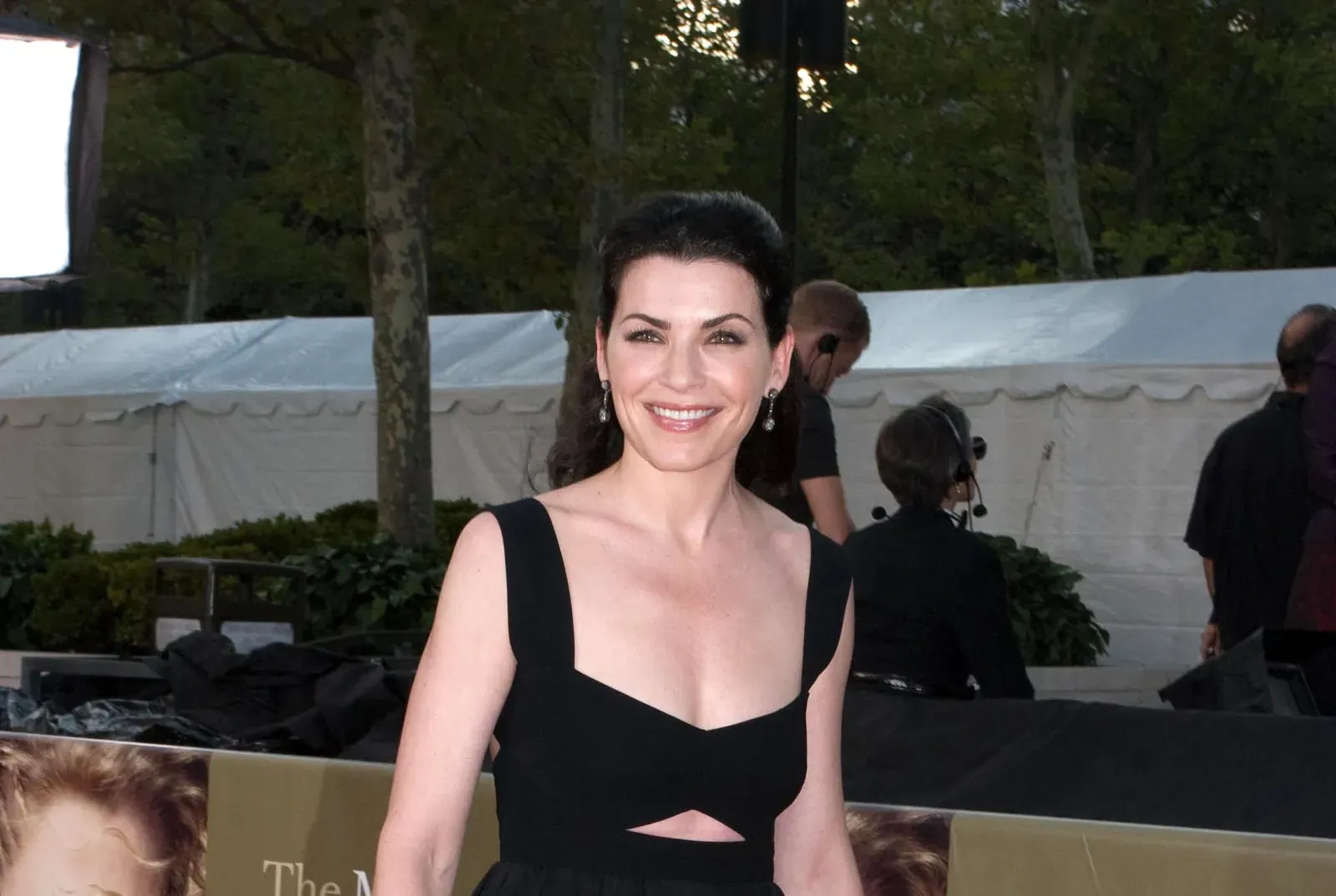
The pilot of ER opened with a nurse in crisis. Julianna Margulies’ character attempted suicide with an overdose of pills, and that was supposed to be the end of her, until she struck a chord with test audiences.
Part of the appeal was the pairing on screen. Test audiences loved her chemistry with George Clooney’s Doug Ross, so the writers kept her alive. Carol became a central part of the series rather than a one episode tragedy.
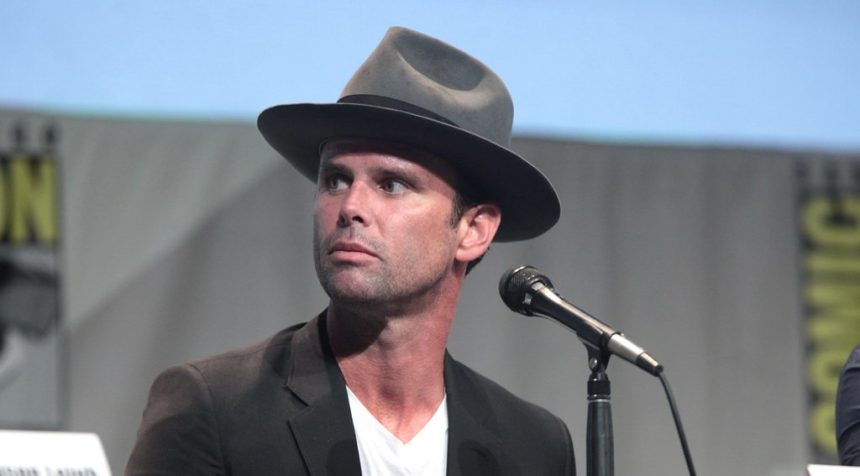
Boyd Crowder in Justified
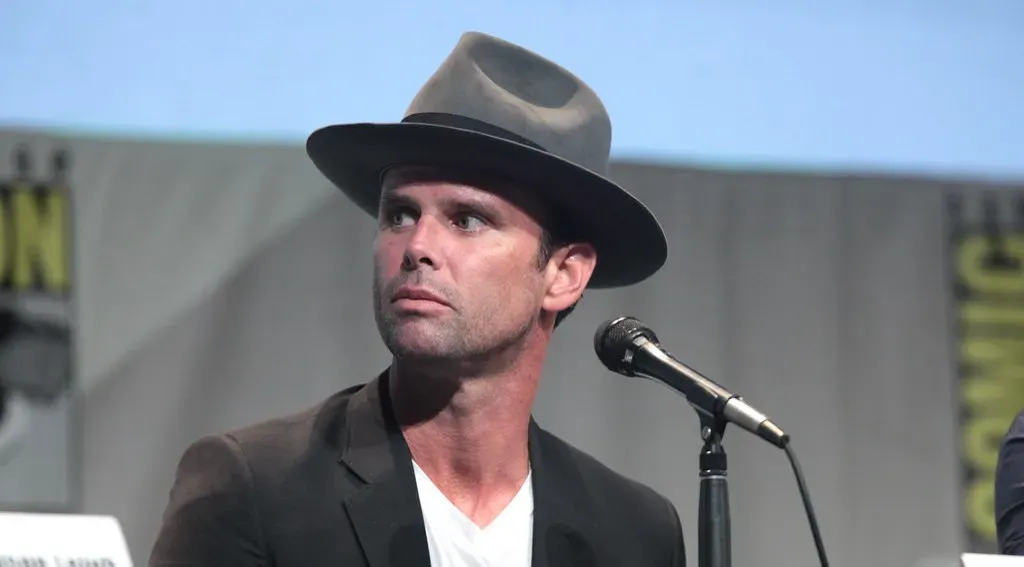
Boyd’s fate looked sealed in the first episode. He was supposed to die in the pilot after being shot, but test audiences liked him so much that he eventually became a series regular.
Walton Goggins played him with a charm that was hard to write off. Audiences loved Boyd so much he became a main character. The show’s central rivalry grew out of that one decision to let him live.
Vanessa in Deadpool 2
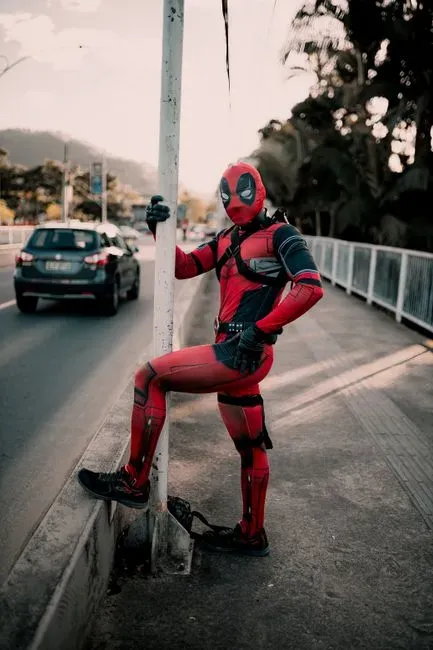
This one is a slightly different case, because the character did die on screen first. After test audiences expressed disappointment in Vanessa’s death, director David Leitch suggested a scene in the middle of the credits where Deadpool uses time travel to prevent it.
The fix fits the movie’s comic style. It lets the film keep its emotional beat while giving the audience the outcome it wanted. Vanessa isn’t saved in the main story, but the fan reaction clearly shaped her final fate.
Tad Trenton in Cujo

Stephen King’s novel is famously bleak. In the book, young Tad dies after being trapped in a hot car with his mother while a rabid Saint Bernard attacks them.
Test viewers found that too much. They couldn’t accept the conclusion, so the revised finale shows Donna reviving her unconscious son after defeating the dog. The film version remains tense, but it lets the family walk away.