Every writer has heard the horror stories: manuscripts bounced back with a form letter, years of work dismissed in a single paragraph. What rarely gets discussed is how often those same rejected pages went on to win the most prestigious awards literature has to offer. The gap between an editor’s “no” and a Pulitzer or Nobel announcement can stretch for years, sometimes decades, and the stories behind that gap say as much about publishing’s blind spots as they do about persistence. The eight novels below were all turned away, sometimes by dozens of publishers, before eventually claiming a major literary prize. Some authors lived to see the vindication. Others did not.
A Confederacy of Dunces

John Kennedy Toole wrote this sprawling, comic New Orleans novel and sent it to Simon & Schuster, where editor Robert Gottlieb found it talented but ultimately pointless, and after revisions failed to satisfy him and another rejection followed from Hodding Carter Jr., Toole shelved the manuscript. Toole never saw it published. He took his own life in 1969, and the novel remained an unpublished manuscript, rejected by numerous publishers during his life.
It was Toole’s mother, Thelma, who refused to let the book die. She brought it to novelist Walker Percy, who championed the work and appealed to several publishers before Louisiana State University Press finally agreed to publish it in 1980. The following year, in what one literary journal called a shocking outcome for a small university press release, A Confederacy of Dunces won the Pulitzer Prize for Fiction, more than a decade after the author’s death.
Gone with the Wind
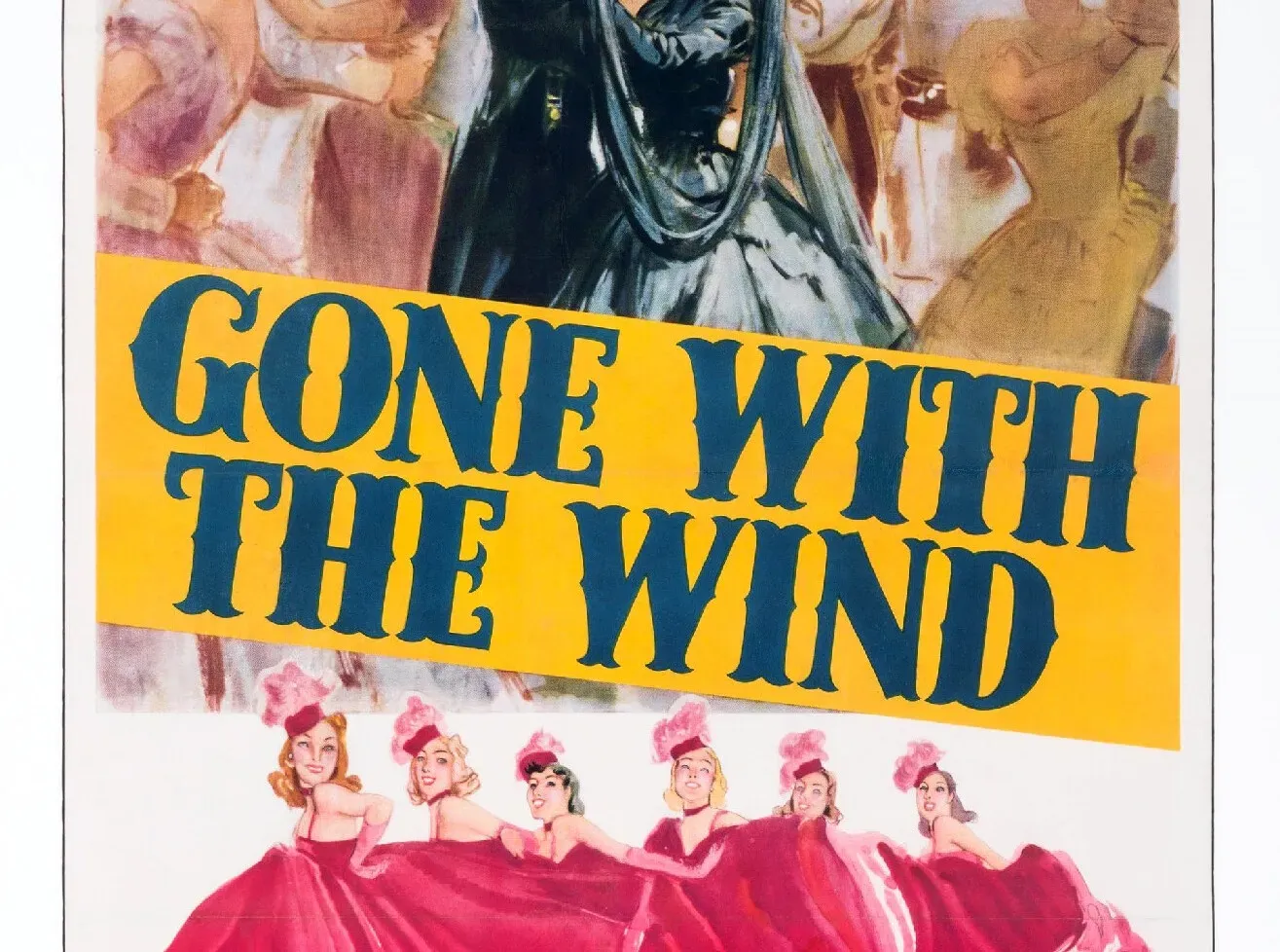
Margaret Mitchell’s Civil War epic is one of the best known publishing turnaround stories in American letters. The manuscript sat with Mitchell for years, and she reportedly showed reluctance to even submit it, having absorbed plenty of doubt from early readers and industry gatekeepers who saw little commercial promise in a thousand page Southern saga by a first time novelist.
Macmillan eventually took a chance on it in 1936, and the novel became a cultural phenomenon almost overnight. The following year it won the Pulitzer Prize for Fiction, cementing Mitchell’s place in American literary history and proving that early skepticism from the industry meant very little once readers got their hands on the book.
Doctor Zhivago

Boris Pasternak’s novel faced rejection of a different kind. Soviet publishers refused to print it because of its unflinching portrayal of the Russian Revolution and its aftermath, deeming the book ideologically unacceptable for domestic release. Pasternak smuggled the manuscript out of the Soviet Union, and it was first published in Italy in 1957, entirely outside the control of Soviet censors.
A year later, Pasternak was awarded the Nobel Prize in Literature, largely on the strength of Doctor Zhivago. The Soviet government pressured him into declining the honor, a decision that shadowed the rest of his life, but the prize itself stood as international recognition of a book his own country had tried to bury.
A Wrinkle in Time
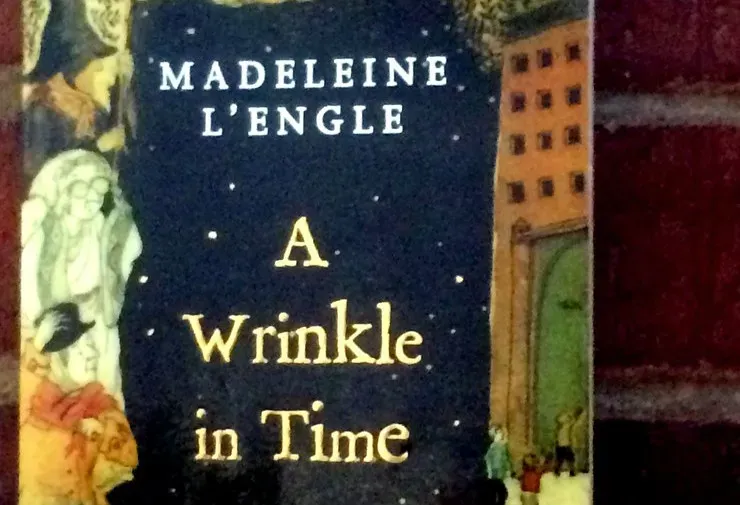
Madeleine L’Engle’s blend of science fiction, theology, and family drama confused publishers who could not decide which shelf it belonged on. 26 publishers reject A Wrinkle in Time. It wins the 1963 Newbery Medal and becomes an international best-seller, a reversal that still gets cited as one of the clearest examples of publishing misjudging a book’s audience.
The novel’s mix of genres, which made it such a hard sell in the first place, is exactly what critics later praised as groundbreaking for children’s literature. L’Engle’s persistence through years of rejection letters has since become something of a touchstone story for writers facing similar doubt about unconventional manuscripts.
Watership Down

Richard Adams originally told the story of a group of rabbits fleeing the destruction of their warren as a tale for his daughters during long car rides. When he sat down to turn it into a full novel, publisher after publisher turned it down, unconvinced that adult readers would take seriously a lengthy narrative about rabbits, no matter how sophisticated the underlying themes of survival and community were.
Rex Collings, a small British publisher, eventually accepted it in 1972, and the novel found an audience far beyond what anyone anticipated. That same year, Watership Down won the Carnegie Medal, Britain’s most prestigious award for children’s literature, and later the Guardian Children’s Fiction Prize as well. It remains one of the most frequently cited examples of a book initially misjudged on premise alone.
Dune

Frank Herbert spent roughly six years researching and writing Dune, drawing on his observations of sand dune ecology in Oregon to build an entire planetary ecosystem for his novel. After 23 rejections by established publishers, Chilton Company, a car repair manual printing company, published the novel in October 1965, an unlikely home for what would become a science fiction landmark.
The gamble paid off in ways no one could have predicted. It won the 1966 Hugo and Nebula Award, with Dune winning the inaugural Nebula Award for Best Novel and also receiving the Hugo Award. Decades of rejection from mainstream publishers had nearly kept one of the genre’s defining works out of print entirely.
Life of Pi

Yann Martel’s novel about a boy adrift at sea with a Bengal tiger might seem like an obvious commercial hit in hindsight, but that was not the industry’s initial read. It was rejected by at least five London publishing houses before being accepted by Knopf Canada, which published it in September 2001. Even the publisher that eventually said yes was lukewarm about the project at first.
As one account of its path to publication put it, when Martel’s agent submitted Life of Pi, “all the London publishers turned it down,” and the one that did accept it “were indifferent,” happy to publish it but without much enthusiasm. It took a small Scottish publisher previously known for mountaineering books, Canongate, to give the novel the attention it needed. Martel won the Man Booker Prize the following year, and the book has since sold more than ten million copies worldwide.
The Color Purple

Alice Walker’s novel, told through letters from its protagonist Celie, faced early skepticism from at least one major publishing house before finding its home. Little, Brown & Company passed on a two book deal for Alice Walker. When complete her novel The Color Purple sold 10 million copies and won The Pulitzer Prize, a striking reversal for a manuscript that industry insiders initially had little faith in.
The novel went on to become a cornerstone of contemporary American fiction, later adapted into an Oscar nominated film and a Broadway musical. Its Pulitzer win in 1983 remains one of the more frequently cited examples of a major publisher underestimating a book that would go on to define an era of literary conversation around race, gender, and resilience.