Music history has a funny way of remembering the loud voices while quietly shelving the revolutionary ones. We celebrate Beethoven, Mozart, and Bach without question. Yet ask most people to name a female composer before 1950, and you’ll likely be met with silence. That silence isn’t because these women didn’t exist or weren’t brilliant. They were there, creating groundbreaking work that influenced everything we listen to today.
The truth is, countless women shaped the sound of modern music, but their stories got buried under centuries of gatekeeping and systematic erasure. Some were lauded during their lifetimes only to vanish from textbooks. Others worked behind the scenes, their contributions credited to male colleagues. Let’s shine a light on twelve incredible composers who deserve far more recognition than they’ve received.
1. Florence Price – Breaking Barriers in American Classical Music
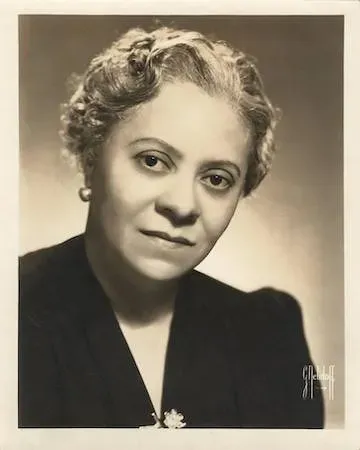
Florence Price became the first African American woman to have her work performed by a major symphony orchestra when the Chicago Symphony played her Symphony in E minor in 1933. Growing up in Little Rock, Arkansas, Price faced the double burden of racism and sexism in a field dominated by white men. She moved to Chicago during the Great Migration, where she finally found space to compose freely.
Her music blended traditional European classical forms with African American spirituals and folk songs, creating something entirely new. Price wrote over 300 compositions, including four symphonies, concertos, chamber music, and art songs. For decades after her death, most of her manuscripts sat forgotten in an abandoned house. When they were rediscovered in 2009, the classical music world had to reckon with what it had lost.
2. Ethel Smyth – Suffragette Composer Who Went to Prison for Her Beliefs
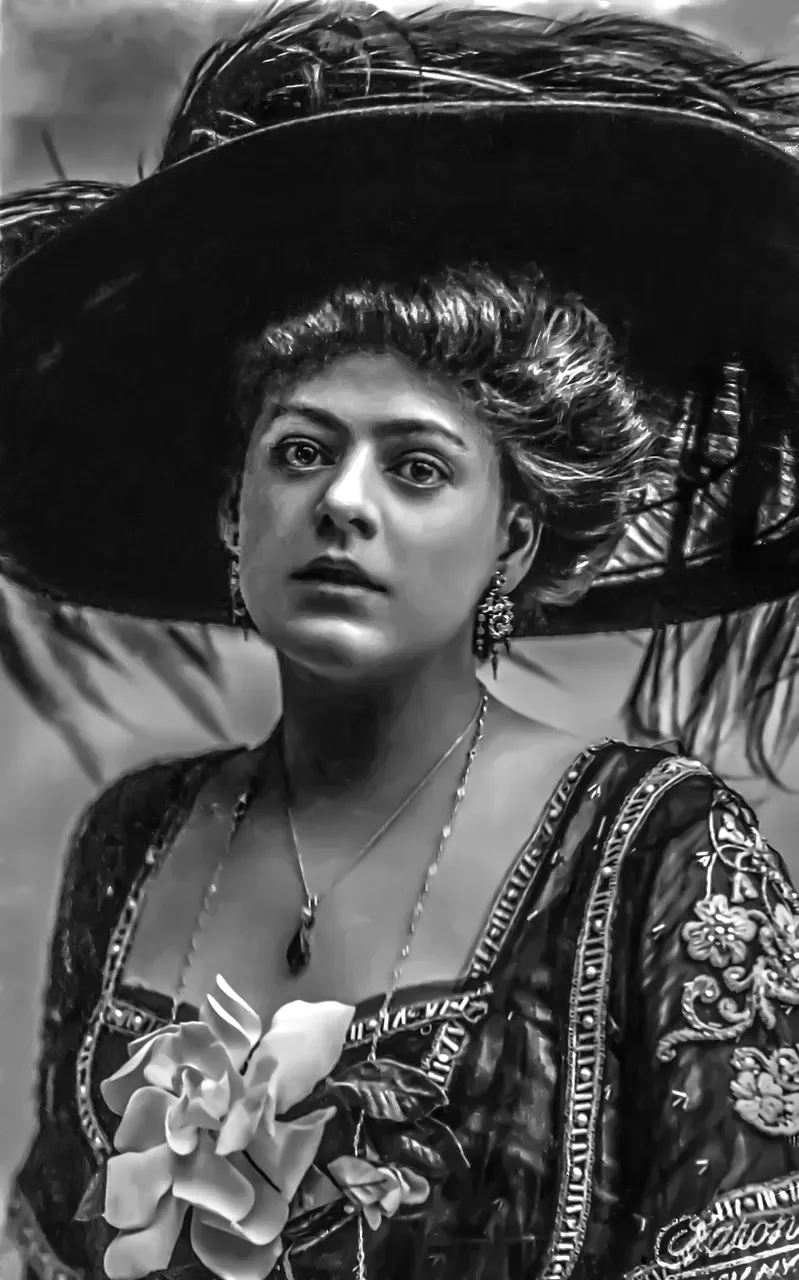
Ethel Smyth didn’t just compose music. She smashed windows for women’s suffrage and served time in Holloway Prison in 1912. While incarcerated, she conducted fellow prisoners singing her composition “The March of the Women” using a toothbrush through her cell window. That’s the kind of person she was.
Smyth wrote six operas, chamber music, and orchestral works that rivaled anything her male contemporaries produced. Her opera “The Wreckers” premiered in 1906 and was considered one of the finest English operas of its time. Despite her obvious talent, she constantly fought for recognition in a world that saw her gender before her genius. She once wrote that being a woman composer was like being a climbing plant without a tree. She climbed anyway.
3. Amy Beach – America’s First Successful Female Composer
Amy Beach was a child prodigy who could sing forty songs accurately by age two. By four, she’d composed her first pieces. Her husband, a prominent Boston surgeon, made her promise to limit her public performances to one charity recital per year. So she turned to composition instead, teaching herself orchestration by studying treatises in French and German.
Beach’s “Gaelic Symphony” premiered in 1896, making her the first American woman to compose and publish a symphony. She wrote over 150 works, including the Mass in E-flat major, which remains one of the most significant American sacred compositions. After her husband died in 1910, Beach finally performed and toured freely. She became one of the most respected American composers of her generation, proving what she could have accomplished without those early restrictions.
4. Rebecca Clarke – The Violist Who Nearly Won Against Bloch
Rebecca Clarke’s Viola Sonata tied for first place in a 1919 competition judged by notable composers including Ernest Bloch himself. The judges were so impressed they assumed a woman couldn’t have written it and suspected “Rebecca Clarke” was a pseudonym for a male composer. When they discovered the truth, they awarded the prize to Bloch instead. The voting was close, and the prejudice was obvious.
Clarke wrote chamber music that pushed harmonic boundaries, incorporating impressionist and folk influences. Her works deserve regular programming alongside Debussy and Ravel. She stopped composing after marrying in 1944, later saying she’d “said all she had to say.” Perhaps. Or perhaps the constant battle for legitimacy had simply worn her down.
5. Nadia Boulanger – The Teacher Who Shaped a Century
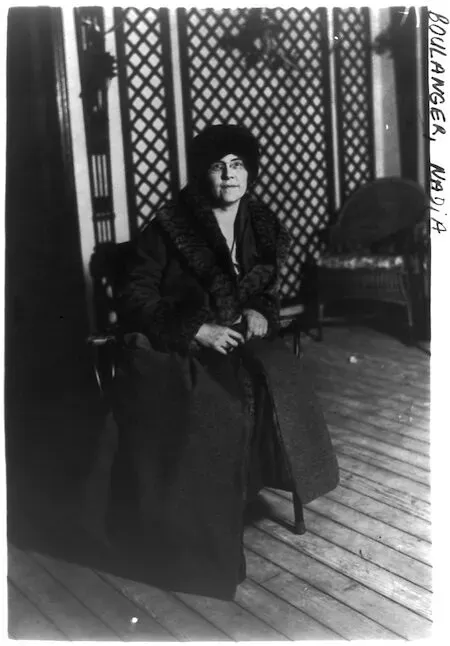
Nadia Boulanger might be the most influential music teacher of the twentieth century, but people forget she was a composer first. She studied at the Paris Conservatory and won several prestigious prizes for her early compositions. After her younger sister Lili died in 1918, Nadia largely stopped composing, believing Lili had been the greater talent.
What she did instead was teach nearly every major American composer of the mid-century: Aaron Copland, Leonard Bernstein, Philip Glass, Quincy Jones, and countless others. Her pedagogical approach emphasized understanding music from the inside out. Through her students, Boulanger’s musical philosophy shaped modern composition more than most composers who spent their lives writing. Still, we’ll never know what she might have created if she’d kept composing.
6. Ruth Crawford Seeger – Pioneering American Modernist
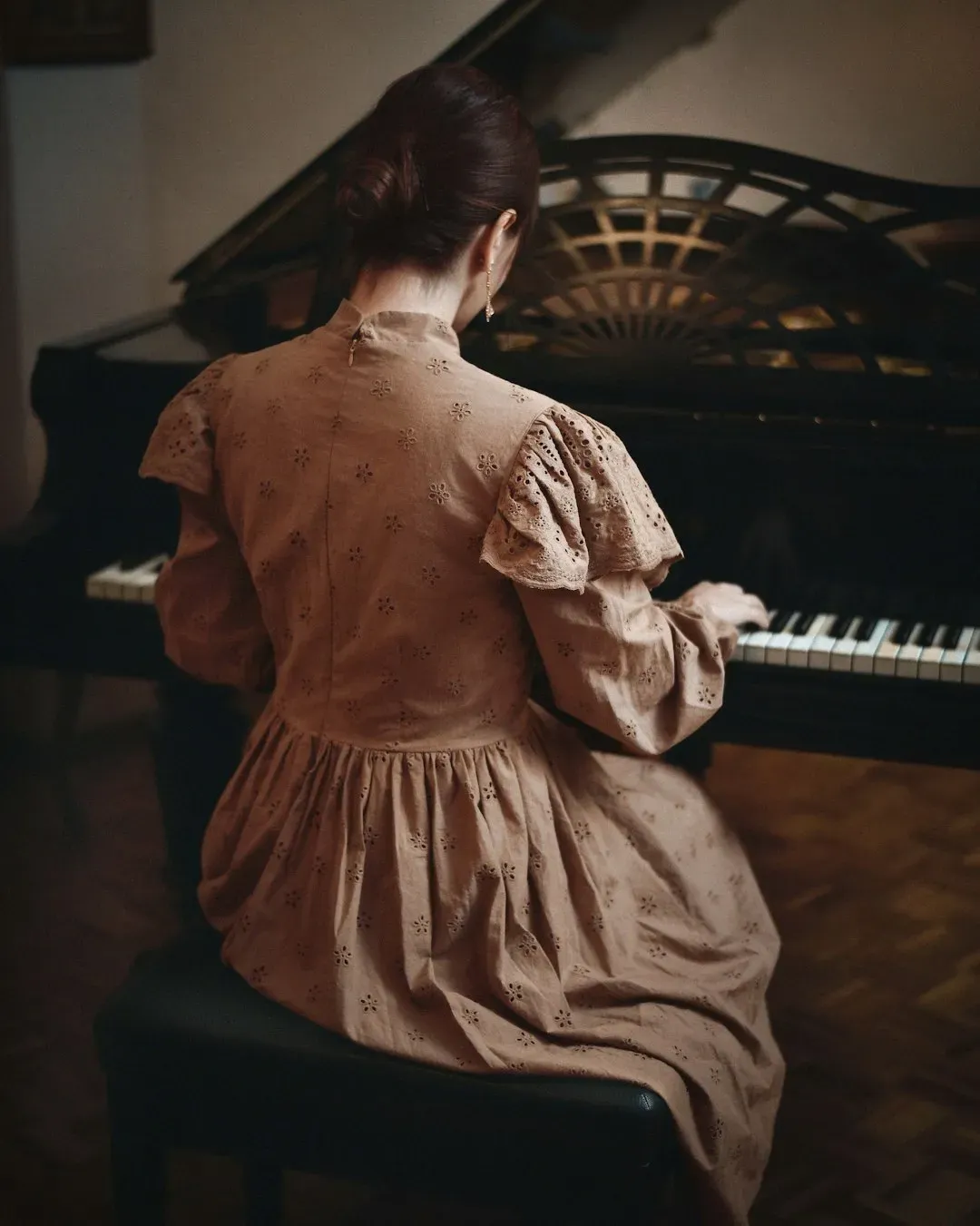
Ruth Crawford Seeger wrote music so ahead of its time that scholars are still catching up. Her String Quartet 1931 is now considered one of the most important American chamber works of the twentieth century, featuring innovative serialist techniques she developed independently. She composed this masterpiece before Schoenberg’s twelve-tone method became widely known in America.
Seeger married musicologist Charles Seeger and largely abandoned original composition to raise their children and transcribe folk songs. She arranged hundreds of American folk songs for children, work that influenced generations but kept her from the concert hall. Her early modernist compositions were barely performed during her lifetime. Recognition came decades too late, as it so often does.
7. Germaine Tailleferre – The Only Woman in Les Six
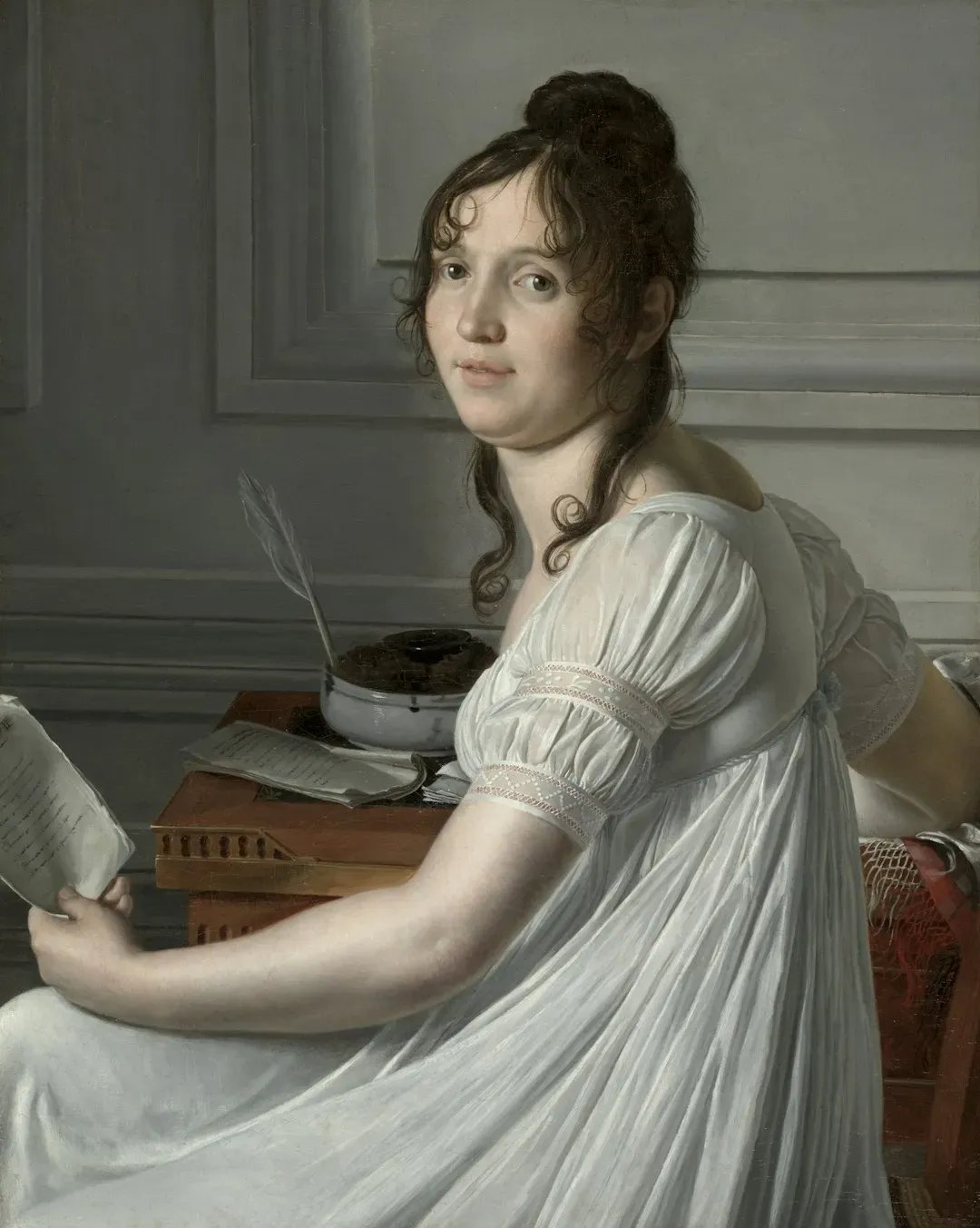
Germaine Tailleferre was the sole female member of Les Six, the group of French composers that included Darius Milhaud and Francis Poulenc. She studied at the Paris Conservatory despite her father’s violent opposition to her musical education. Her mother had to sneak her to lessons. When she won prizes, her father took the prize money and burned her scores.
Tailleferre composed ballets, operas, concertos, and film scores throughout her long career. Her music combined neoclassical elegance with sharp wit and inventive harmonies. Yet she’s routinely left out of discussions about Les Six, reduced to a footnote in books that extensively analyze her male colleagues. She composed into her nineties, outliving nearly all her contemporaries but never receiving equivalent recognition.
8. Lili Boulanger – Youngest Ever Winner of the Prix de Rome
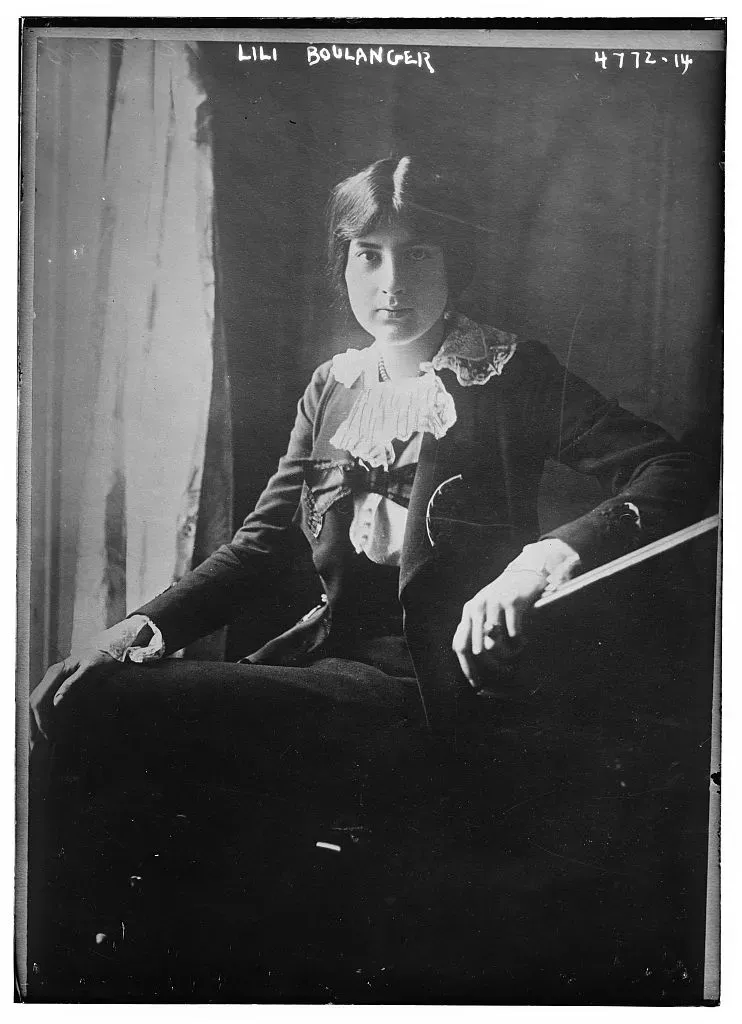
Lili Boulanger was only nineteen when she became the first woman to win the Prix de Rome in composition, the most prestigious prize in French music. Her cantata “Faust et Hélène” stunned the judges with its maturity and originality. She composed massive works including “Psalm 130,” a powerful piece for orchestra, organ, and chorus that still sounds modern over a century later.
Lili suffered from chronic illness her entire life and died at twenty-four. In that brief time, she produced an astonishing body of work that hinted at genius cut tragically short. Her music combined impressionist colors with deeply personal emotional expression. Imagine what she might have achieved with a full lifespan. We lost something irreplaceable when she died in 1918.
9. Sofia Gubaidulina – Living Legend of Soviet Avant-Garde
Sofia Gubaidulina faced censorship throughout her early career in the Soviet Union for writing “irresponsible” music. The Soviet Composers’ Union told her to pursue a career in film music instead. She did write film scores to survive, over twenty of them, while secretly composing the experimental works she truly cared about.
After the Soviet Union collapsed, Gubaidulina finally gained international recognition. Her deeply spiritual works combine avant-garde techniques with mystical philosophy, creating soundscapes unlike anything else in contemporary classical music. She’s still composing in her nineties, having outlasted the system that tried to silence her. Her “Offertorium” violin concerto is now standard repertoire, performed by major soloists worldwide.
10. Elisabeth Lutyens – Britain’s Forgotten Serialist Pioneer
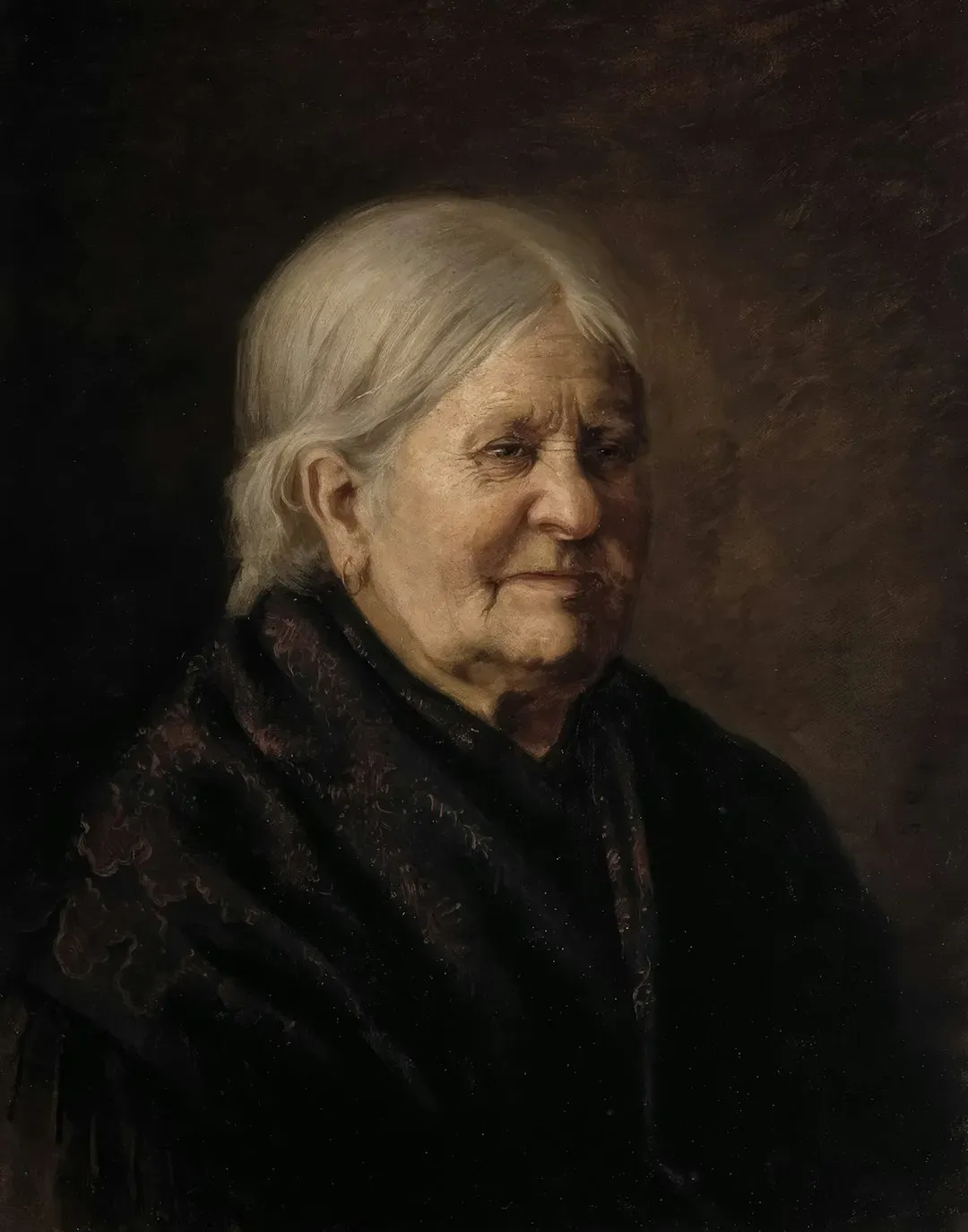
Elisabeth Lutyens was the first British composer to use twelve-tone technique, adopting serialist methods in the 1930s before they became fashionable. The British musical establishment largely ignored her, favoring pastoral traditionalism over her angular modernism. Critics called her work “abstract” and “intellectual,” code words they rarely applied to male avant-garde composers.
To support her four children after divorcing, Lutyens composed over sixty film and radio scores. This commercial work paid the bills but took time away from concert music. She wrote thirteen operas, chamber works, and orchestral pieces that challenged conventional harmony and structure. Only late in life did she receive proper recognition, and even then, her reputation never matched her contributions. She once called herself “Schoenberg’s English daughter,” a title that should have meant more.
11. Galina Ustvolskaya – The Outsider Who Influenced Shostakovich
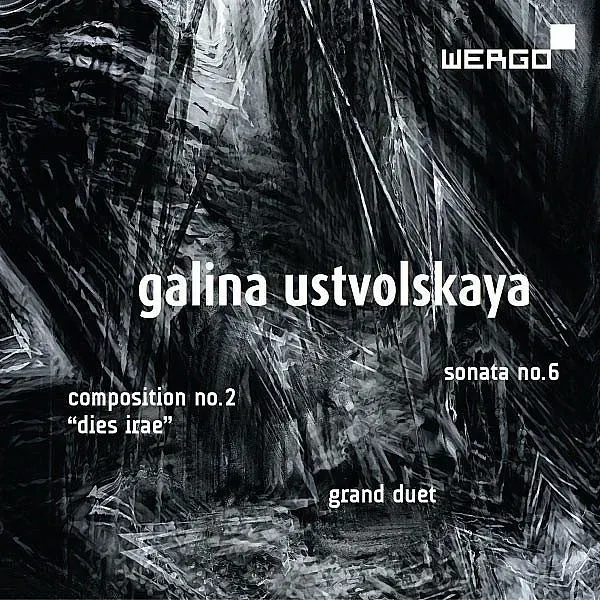
Galina Ustvolskaya studied with Shostakovich, and their relationship was complex. He admired her work deeply, even borrowing themes from her compositions for his own pieces. She rejected his influence, insisting her music stood entirely apart from any tradition. Ustvolskaya lived as a near-recluse in Leningrad, composing sparse, intense works that sound like nothing else.
Her music is harsh, uncompromising, and deeply spiritual despite emerging from an atheist state. She wrote slowly, producing only about two dozen compositions in her lifetime. Each piece sounds carved from stone, with pounding repetitions and screaming dynamics that push performers and audiences to extremes. Western audiences didn’t hear her work until the 1990s. Now she’s considered one of the most original voices of the twentieth century.
12. Kaija Saariaho – Reshaping Contemporary Orchestral Sound
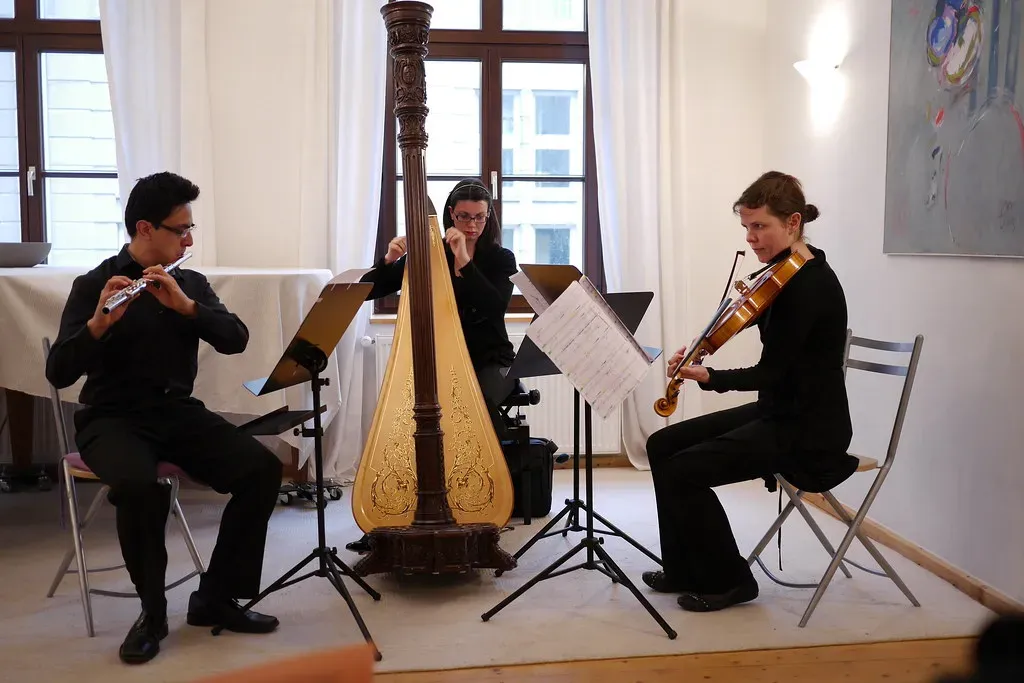
Kaija Saariaho emerged from Finland in the 1980s with a completely fresh approach to orchestral color. She studied spectral music techniques in Paris, using computers to analyze sound spectra and translate them into orchestral timbres. Her opera “L’Amour de Loin” premiered at the Salzburg Festival in 2000 to massive acclaim, proving opera could sound contemporary and beautiful simultaneously.
Saariaho became one of the most performed living composers before her death in 2023. Her music combines rigorous technical research with shimmering, emotional surfaces. She showed that electronic music techniques could enhance rather than replace acoustic instruments. Major orchestras and opera houses commissioned her regularly, a level of institutional support most female composers never experience. Her success opened doors, though fewer than it should have.
The Work Continues
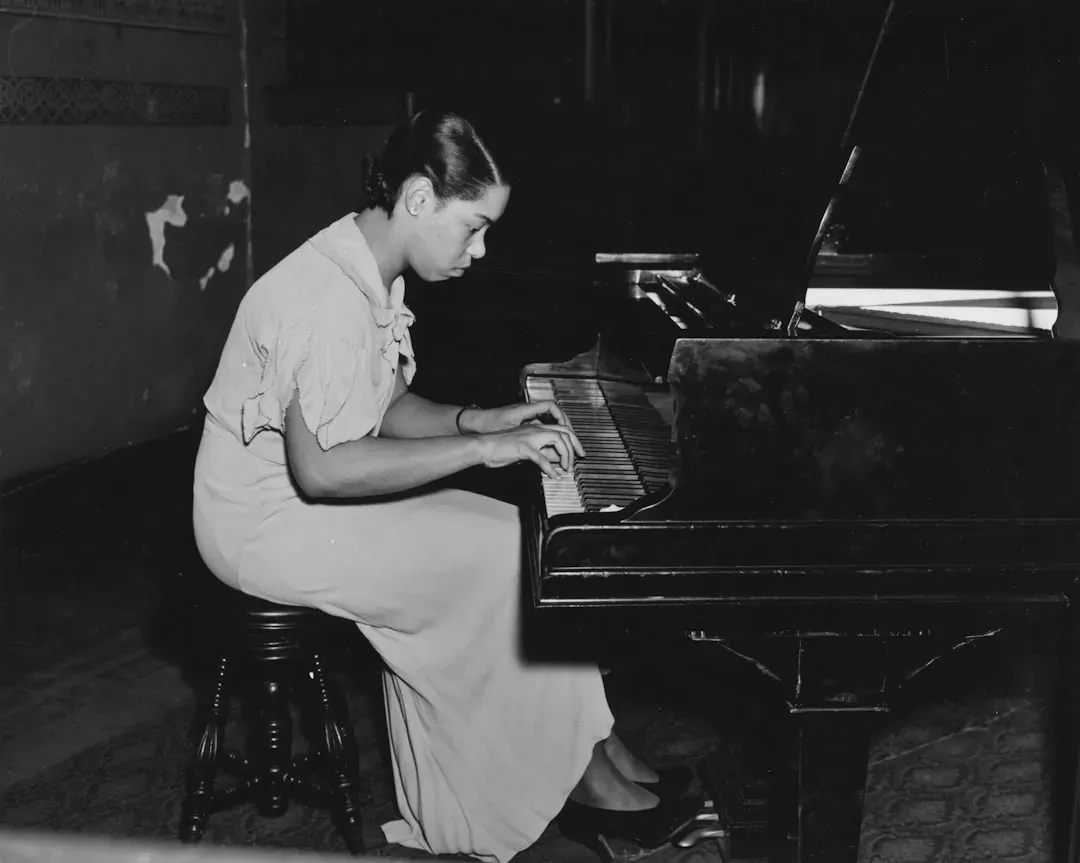
These twelve composers represent a fraction of the women who shaped music history while being systematically overlooked. Their stories share common threads: exceptional talent recognized too late, careers interrupted by family obligations or societal pressure, works attributed to male colleagues, and recognition that came decades after death if it came at all. Things are improving slowly, with more performances and recordings appearing each year. Still, most concert programs remain overwhelmingly male.
The music these women wrote isn’t “important because they were women.” It’s important because it’s extraordinary, period. Florence Price’s symphonies deserve programming alongside Dvořák. Ruth Crawford Seeger’s String Quartet should be as canonical as Bartók’s. These aren’t charity cases or diversity checkboxes. They’re brilliant composers whose music can stand next to anyone’s. The question isn’t whether they belong in the conversation but why they were excluded for so long. What do you think needs to change? Share your thoughts in the comments.