
Every era leaves fingerprints on its music. Sometimes those fingerprints are charming, a warm crackle or an unmistakable synth tone that carries you right back to a specific moment. Other times, they’re the kind of thing that makes a production sound frozen in amber, not in a good way.
The tricky part is that most of these audio trends felt genuinely exciting when they first showed up. Producers grabbed them because they worked. Then everyone grabbed them, and that’s usually when the trouble starts. Here are eleven audio habits that tend to age a track faster than almost anything else.
1. The Loudness War Master

The loudness war is a trend of increasing audio levels in recorded music, which reduces audio fidelity and, according to many critics, listener enjoyment. The idea was simple enough: louder tracks grabbed attention on radio and in stores. So producers kept pushing the ceiling, brickwalling entire mixes until the waveforms looked like solid rectangles with no room to breathe.
When engineers pushed tracks to be as loud as possible, they simultaneously reduced the dynamic range, which led to the quiet parts and loud parts having almost the same volume. This made songs sound flat, fatiguing, and less detailed. Streaming platforms now normalize loudness automatically anyway, so tracks made with cranked compressors and limiters don’t end up any louder. Instead, you notice the lack of dynamics when played alongside songs mastered without the “louder is better” approach. A track from that era immediately announces its age the moment you play it next to something mastered with more care.
2. Obvious Auto-Tune as a Stylistic Shortcut

Beyond being a useful tool for polishing a pitchy vocal performance, Antares Auto-Tune used in a not at all transparent way has become something of a staple in modern production. When T-Pain popularized the robotic, snapping pitch effect in the mid-2000s, it genuinely felt like a new color on the palette. Within a few years, it was everywhere, attached to vocal performances that had no particular reason to use it.
Productions can sound really amateur when Auto-Tune is used as a band-aid for a lifeless and meandering vocal performance. The astonishing pitch-quantization of Auto-Tune pushed hard now exists as a sound all of its own, and those wanting to call up the sound of trailblazing records simply use it and the sound is there instantly. That instant recognizability is exactly the problem. The moment a listener can pinpoint the era from a single processed note, the track is already dating itself.
3. The Pre-Chorus Filter Drop
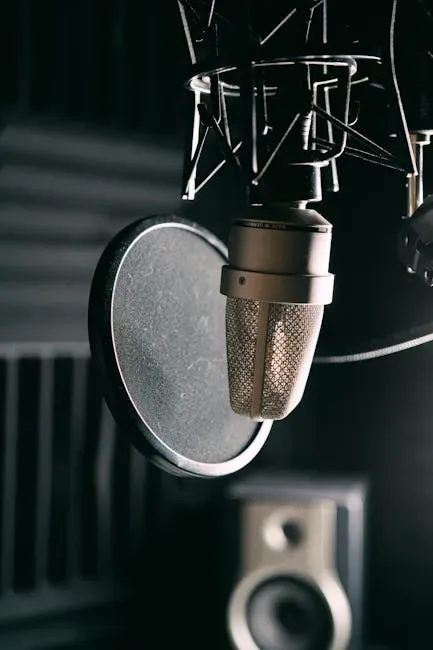
When an arrangement becomes filtered or suddenly smaller in the middle of a song, you can see the next drop coming from a mile away. Modern production is not known for having especially natural dynamics, and tricks like this are an effective way to create a sense of dynamics without really having loud and soft sections. The filtered breakdown became the universal signal that something big was incoming, which worked brilliantly the first hundred thousand times.
In the current production landscape, a song that is totally slammed except in a couple of filtered sections stands out less than one that manages to create more organic dynamic changes. Listeners trained on years of EDM, pop, and even trap productions can feel the drop building before a single note confirms it. Predictability is the enemy of impact, and this technique became entirely predictable somewhere around 2012 and never quite recovered its original power.
4. Gated Reverb on Snare Drums
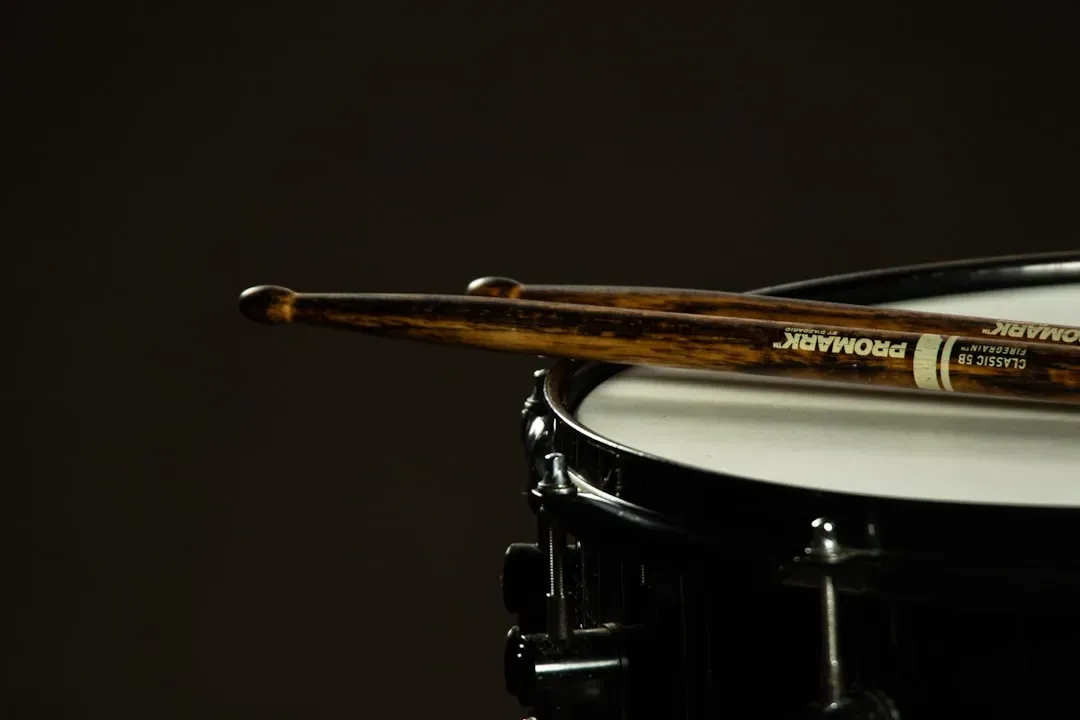
Few sounds are as immediately time-stamped as the massive, gated snare reverb that defined 1980s pop and rock production. The side-chained, gated reverb 1980s snare drum sound was engineered for an era of big, arena-filling productions where the snare needed to crack like a thunderclap. Phil Collins, Peter Gabriel, and countless others used it to staggering effect. It was bold, it was cinematic, and it was unavoidable.
The problem is that the effect carries such a specific cultural timestamp that it now functions almost like a time machine. Drop a hard-gated snare into a modern production and most listeners will mentally place the song somewhere between 1983 and 1989, regardless of what else is happening around it. Used deliberately for retro effect, it can still work. Used accidentally or out of habit, it tells the audience exactly how old the producer’s reference library is.
5. The Megaphone Vocal Effect

The megaphone vocal trick became prominent in rock music production in the 90s, and it remained a staple of the “modern rock” sound for a while. Though you may have seen singers actually using megaphones on stage to produce this effect live, the studio version involves combining fairly heavy saturation with high and low-pass filters to create a sound that is both distorted and narrow. The intended effect is intimacy, danger, a sense that something is being transmitted from far away.
Whether conjuring a megaphone-like call-to-action or a late night call from a figure in the shadows, this classic effect is not just restricted to phones, also aping the sound of radios and gramophones. For a shift of scene, this classic production trick brings charm and some welcome light and shade to any mix. Still, overuse through the 2000s and early 2010s turned it into a production shorthand that signals its era almost immediately. Moderation is everything with this one, and moderation was rarely the mood of those years.
6. Trap Hi-Hat Rolls Without Musical Purpose
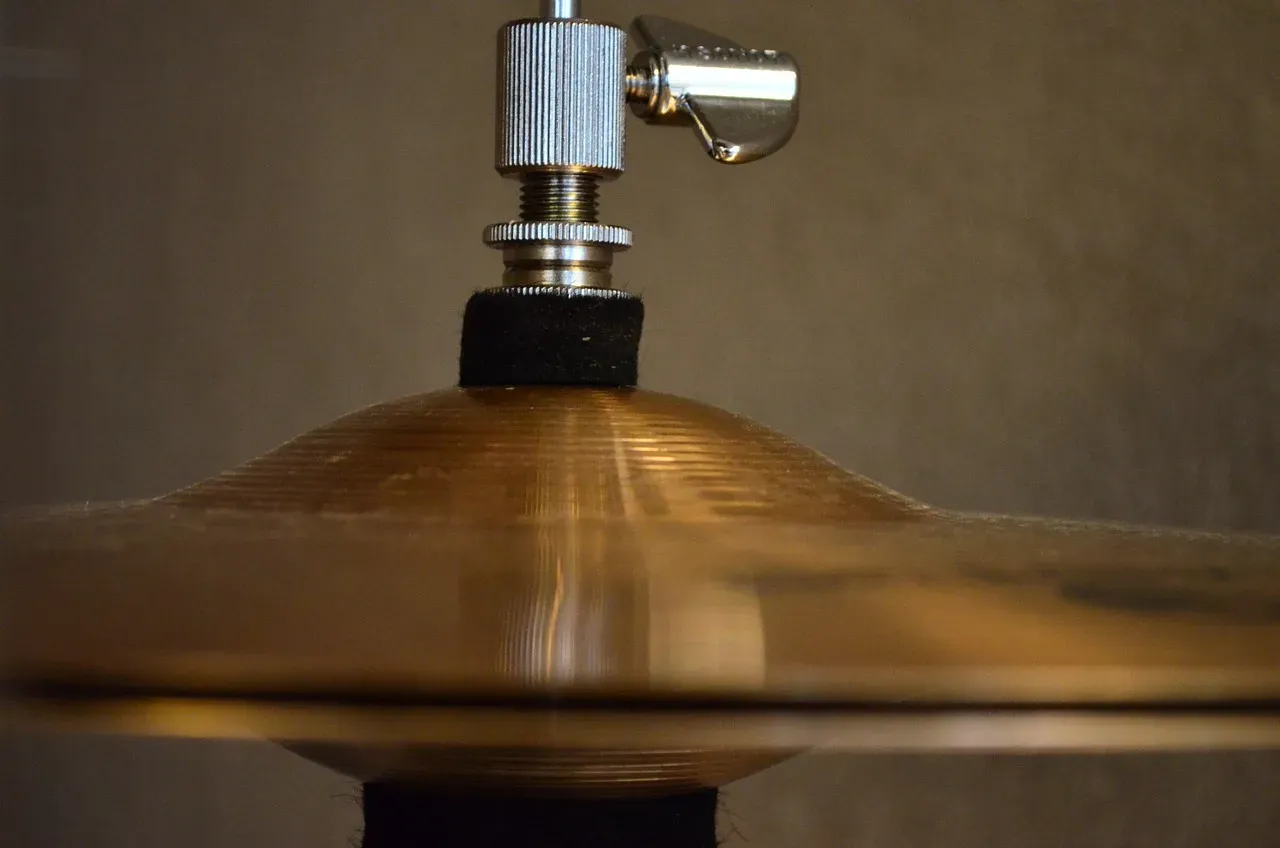
Trap hats use four rhythmic ideas you won’t find very much in old school hip hop: triplets, rolls, pitch, and swing. When Atlanta producers began deploying rapid-fire hi-hat patterns in the early 2010s, it genuinely changed the rhythmic vocabulary of popular music. Hi-hat rolls became an essential flavor in the musical recipe of trap. Producers used them with skill and real intention, and the results were genuinely exciting.
The issue arrives when hi-hat rolls become a reflex rather than a decision. One of the most innovative aspects of trap music is the rolling hi-hats heard in trap sub-genres like drill and footwork, but the key to getting rolls right is putting them in rhythmically appropriate places where they complement the pulse of the beat. When rolls appear simply because they’re expected, stripped of rhythmic reasoning, they stop adding energy and start marking time. By the mid-2020s, indiscriminate hi-hat rolls have become as much a genre cliché as the four-on-the-floor kick once was in late-period EDM.
7. The Overused 808 Sub-Bass
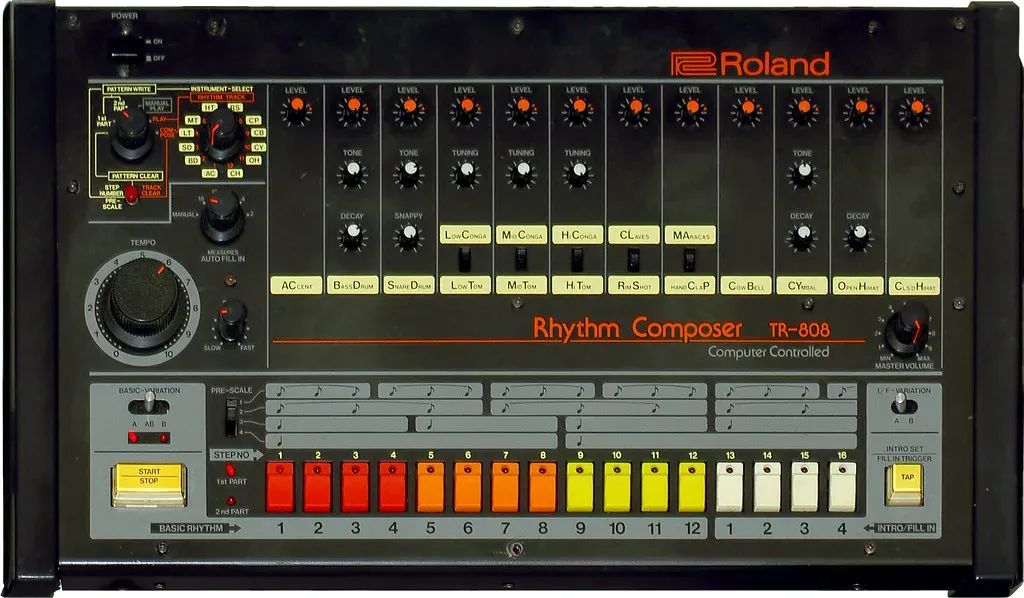
Roland’s TR-808 got off to a shaky start when it was first released in 1980, but has since claimed its place in music production, appearing on more hits than any other drum machine. The sound of the 808’s kick is especially iconic: thick, booming, and sustained. Hip-hop and electronic producers embraced its unnatural character and built entire genres around it. That’s a genuine achievement in sound design.
If you own any music production software, you almost definitely have 808 kick samples on your hard drive, whether you know it or not. That ubiquity is telling. When a sound is bundled into virtually every production tool on the market, it stops being a choice and starts being a default. Productions leaning entirely on a booming, unmodified 808 as the sole low-end statement now carry a particular late-2010s flavor that can feel formulaic rather than powerful, especially as producers who came after began treating the sound with far more craft and intention.
8. Excessive Sidechain Pumping
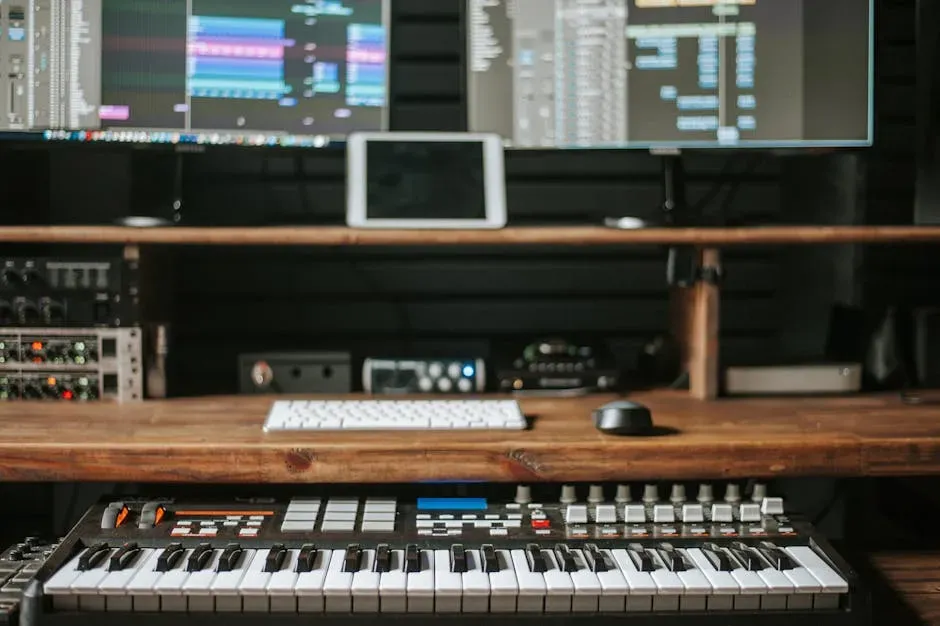
Heavy side-chain ducking or compression from the kick or downbeat turned into one of the defining sonic signatures of EDM from roughly 2008 onward. The pumping, breathing quality created by ducking everything else every time the kick hit felt euphoric on a festival stage at volume. Daft Punk used it with genuine artistry. Many who followed simply copied the texture without the context.
Side-chaining a saw-wave synth patch from the kick bus in dance music became so widespread that it stopped functioning as a production choice and became background noise. The constant ducking and releasing of pads and bass lines, running through entire tracks at a single relentless tempo, now feels more like a period marker than a rhythmic tool. Heard on a 2011 festival anthem today, it’s almost charming in its specificity. Heard on a track produced now, it reads as deeply uninspired.
9. The Reversed Cymbal Build-Up

The reverse cymbal leading into the chorus became one of the most reliable tension-building tools in modern production. It swoops in, creates a sense of arrival, and makes the chorus feel earned. It works. It has always worked. That’s precisely what made it so irresistible and eventually so inescapable across rock, pop, and electronic music from the 1990s onward.
Musical clichés are overused and predictable elements within a genre. These clichés arise when techniques, motifs, or patterns are repeated so often that they lose their original impact or creativity. The reversed cymbal is a textbook case. Listeners now sense it arriving before it actually does, which eliminates the anticipation it was designed to create. In the right hands, used sparingly, it still functions. As an automatic reflex before every chorus, it telegraphs a production mindset that hasn’t evolved in decades.
10. Key Modulation for the Final Chorus

A whole-tone change-up in the final chorus has been the go-to emotional escalation device in pop music for generations. Sometimes called the “truck driver’s gear change,” it lifts the song up a half-step or full step right when energy needs a boost. Eurovision made it almost contractually required. Countless ballads and pop anthems deployed it as a reliable way to signal a climactic finish.
Many clichés were once innovative elements that became overused due to their effectiveness. As genres evolve, what was once groundbreaking can become stale, and musicians must innovate to keep their work fresh. The modulation trick is now so recognizable that many listeners mentally prepare for it in the third minute of any polished pop production. When a technique creates expectation instead of surprise, it has stopped doing its job. The final-chorus key change is now less a dramatic gesture and more a kind of musical punchline.
11. Stock Sample Pack Sounds
A musical cliché is a device, technique, or pattern that has been used so frequently within a genre that it becomes instantly recognizable. Nothing accelerates that recognition quite like stock sample packs. The same snare hits, the same chord stabs, the same ambient pads and vocal chops circulate through thousands of productions simultaneously, creating a sonic monoculture where tracks from different artists and different countries can sound remarkably, uncomfortably similar.
If you’re into songwriting and music production, you know how hard it is to come up with fresh ideas. Every chord, drum fill, melody, and even lyrics get recycled over and over again, and it’s getting harder to find something that hasn’t already been done or doesn’t sound suspiciously familiar. The proliferation of affordable and free sample libraries, many of them genre-specific, has made a certain era of bedroom production immediately recognizable to experienced ears. The productions that endure are almost always those built around sounds that someone crafted with care rather than downloaded and dropped straight into a project without modification.
Sonic trends don’t become dated because they were bad ideas. Most of them were smart, even brilliant, when someone first reached for them. They date because repetition without intention slowly drains a technique of its power until it communicates nothing beyond the era it came from. The producers and artists who stay current aren’t necessarily chasing new sounds. They’re simply asking an honest question about every choice they make: is this here because it works for this song, or because I’ve heard it everywhere?