Las Vegas gets a reputation as a city that never sleeps, but it also never really stops moving. Roughly two million people call the greater Las Vegas Valley home, and almost all of them drive. The metro is, by most measures, one of the most car-dependent in the entire country.
That dependence creates a commute experience that varies wildly depending on where you live. Two neighborhoods just fifteen minutes apart can feel like entirely different cities the moment rush hour hits. Here’s what the data actually shows, broken down neighborhood by neighborhood.
1. The Las Vegas Strip Corridor: Beautiful to Visit, Brutal to Drive Through
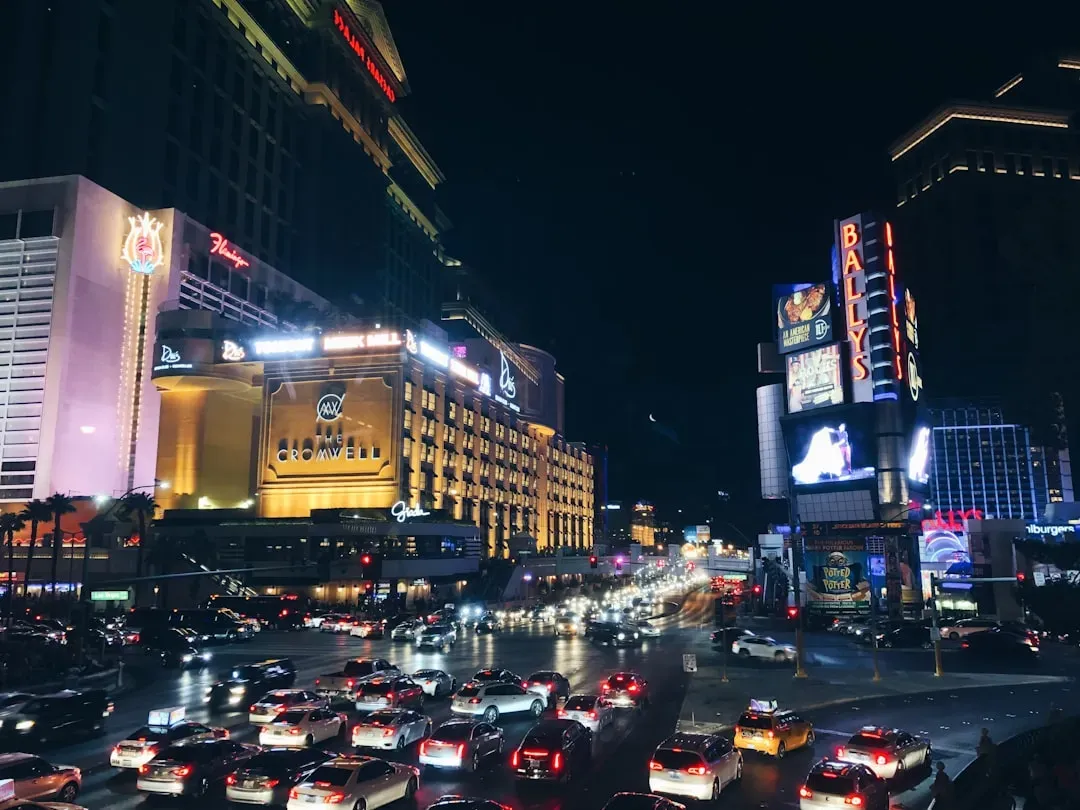
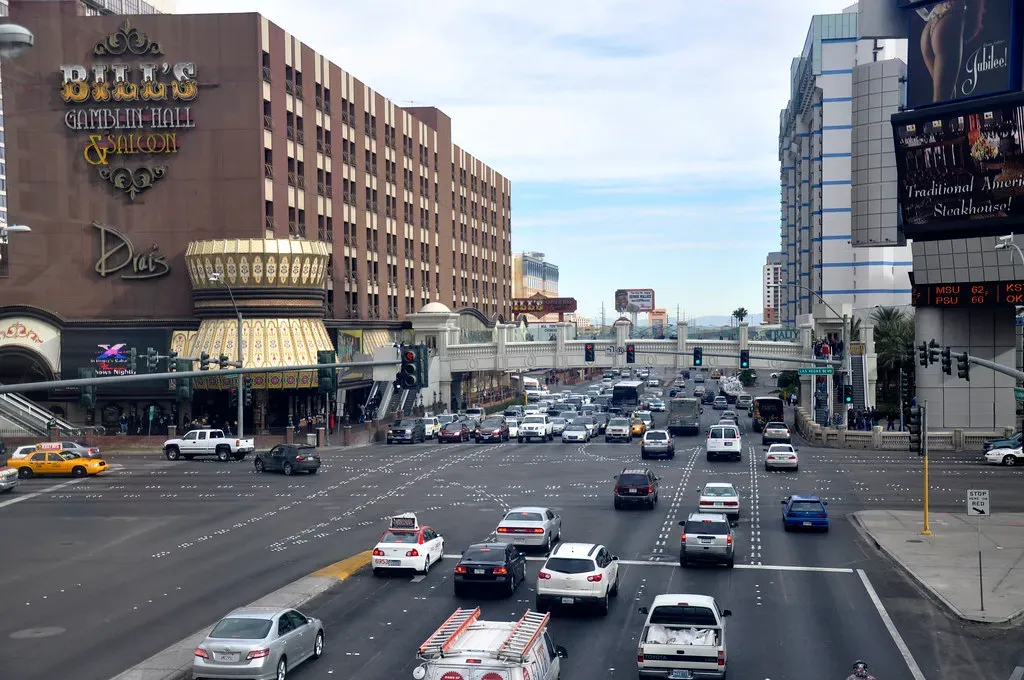
The intersection of Las Vegas Boulevard and Tropicana Avenue has been cited as the busiest street intersection in the world. That’s not a boast – it’s a daily warning to anyone who commutes in or near the resort corridor. Las Vegas streets get very congested during morning hours from 7 a.m. to 9 a.m. and evening rush hours from 4 p.m. to 6 p.m., and traffic becomes heavy in tourist areas after 4:00 p.m.
Tourists contribute significantly to the risk of driving in Las Vegas, and near the Strip and the major cross streets, taxis, rideshare cars, and shuttle buses add to road congestion. If your job requires you to commute through or along Las Vegas Boulevard, the standard advice locals lean on is to add a full extra hour to your travel estimate during peak times.
2. Downtown Las Vegas: Short Distances, Surprisingly Smooth Flow
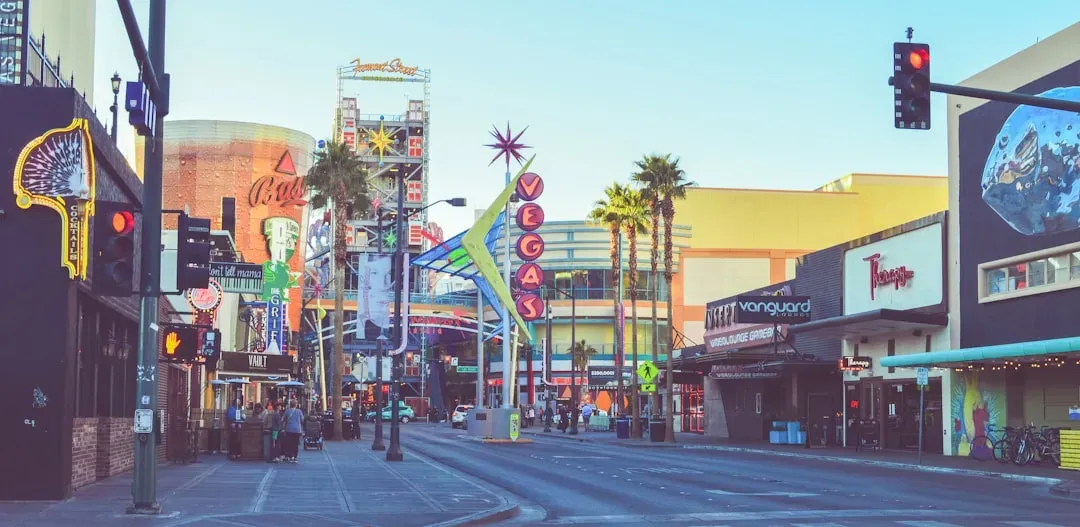
A realistic commute estimate from Downtown Las Vegas to the Strip runs just 8 to 15 minutes via Las Vegas Boulevard or I-15. That makes it one of the most favorable commute positions in the entire valley. Downtown has lately been transformed with condo towers and historic charm, and living there can eliminate freeway travel altogether for some workers.
The trade-off is that downtown sits adjacent to some of the valley’s most complex infrastructure. Nearby freeway ramps and the broader core are subject to construction disruptions that can ripple outward quickly. Still, for those whose workplaces are in the urban center or on the Strip, downtown remains one of the more practical places to base a daily commute.
3. Summerlin: West-Side Access With Some Rush-Hour Catches
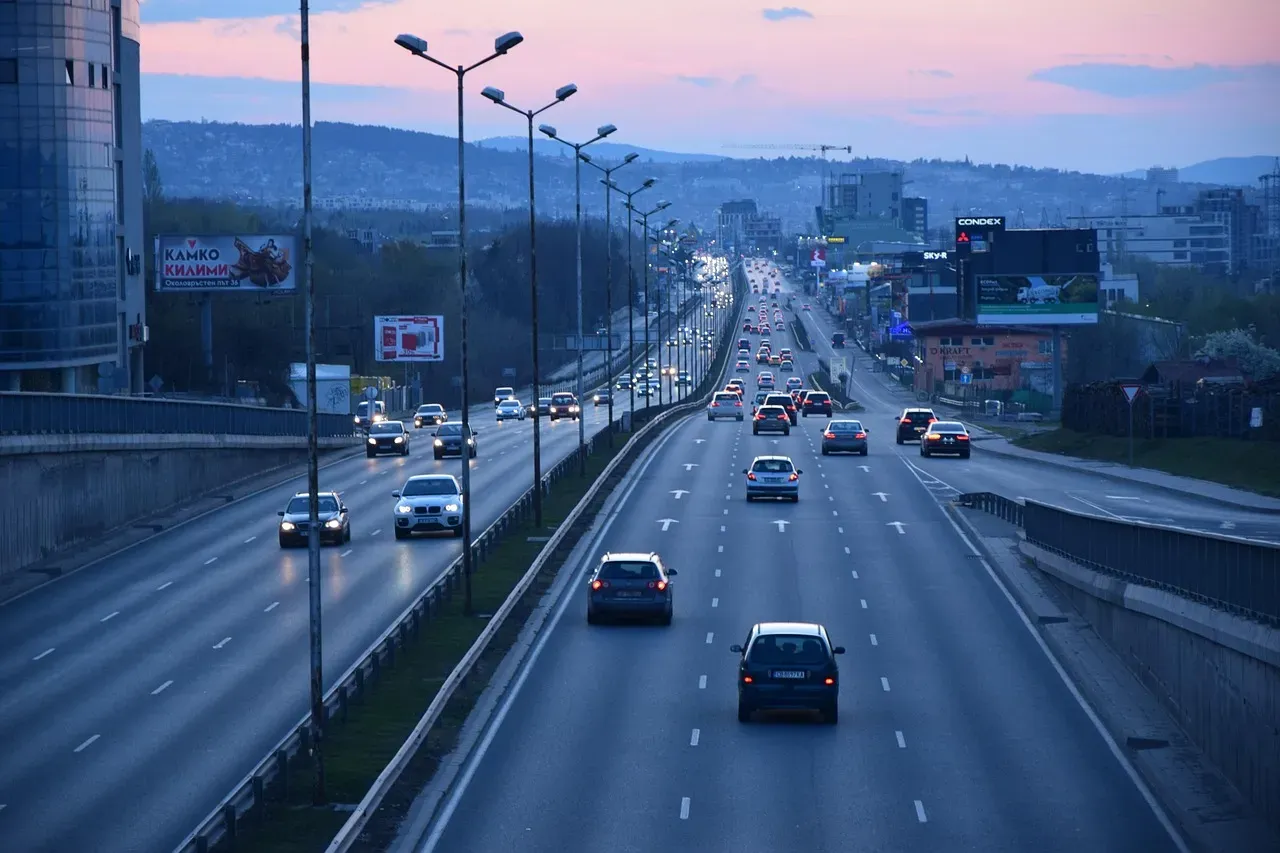
Close to Summerlin Parkway and I-215, most village centers in Summerlin are about a 20-minute drive to the Las Vegas Strip. Summerlin Parkway is a major east-west expressway that links the master-planned community to US-95 and Downtown Las Vegas, and serves as a key commuter route for residents of the west valley.
Traffic on Summerlin Parkway and I-215 can be heavy during rush hours. If your job is on the Strip, Summerlin is accessible, but the west-side highways can mean faster trips to Summerlin-based tech, medical, or professional offices. The neighborhood works best for commuters whose destinations are also on the western side of the valley.
4. Henderson (Green Valley): One of the Valley’s Most Practical Commutes

A realistic commute estimate from Henderson’s Green Valley area to the Strip runs 18 to 30 minutes via I-215 or surface roads. Henderson offers better access to job centers, especially in the Green Valley and Lake Mead corridors, and is only 10 to 15 minutes from the Strip while being close to major employers like Kraft Heinz, Republic Services, and St. Rose Dominican Hospital.
Henderson offers access to multiple freeway corridors connecting to different parts of the valley, including southeast and central Las Vegas, though because Henderson spans a wider area, commute times and convenience can vary significantly depending on neighborhood location. Choosing the right sub-neighborhood within Henderson matters considerably more than just picking the city name.
5. North Las Vegas (Aliante Area): Longer Drives, Growing Pains
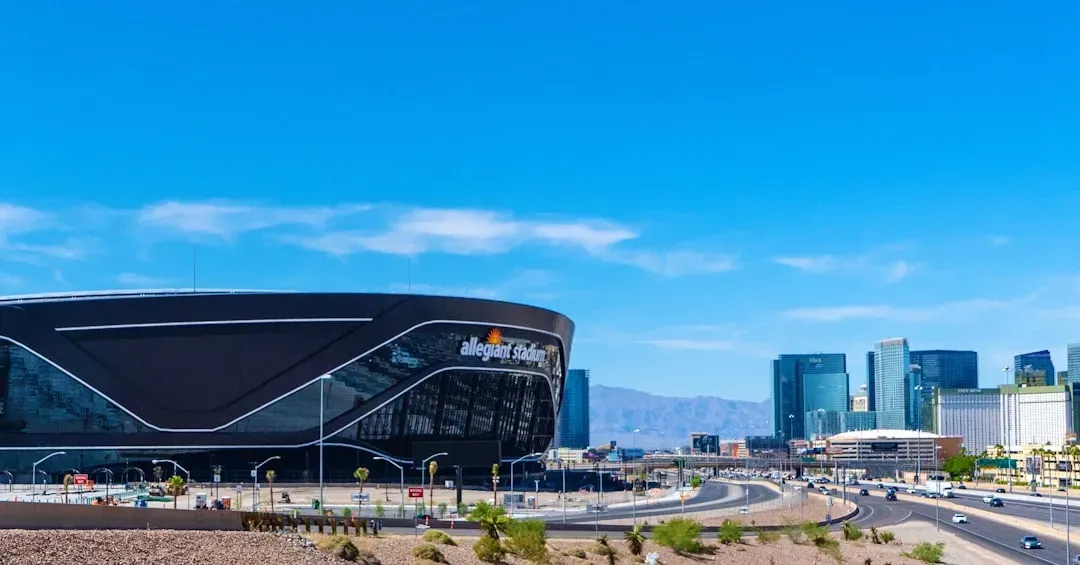
From North Las Vegas, specifically the Aliante area, a commute to the Strip typically runs 25 to 40 minutes via I-215 east to I-15 south. From North Las Vegas to the Strip more generally takes 15 to 20 minutes using I-15 under normal conditions, though Boulder City commuters face approximately 30 minutes via US-93 and I-11.
North Las Vegas has grown substantially in recent years, and that growth is starting to strain surface streets that weren’t designed for today’s volume. Traffic-related incidents in the Las Vegas Valley saw a notable increase heading into 2025, and dangerous intersections are frequently the scenes of crashes, injuries, and fatalities. Residents here should factor in secondary road bottlenecks, not just freeway travel times.
Partner offer
6. The Southwest Valley (Rhodes Ranch, Mountains Edge): Quiet Pockets With Freeway Dependence
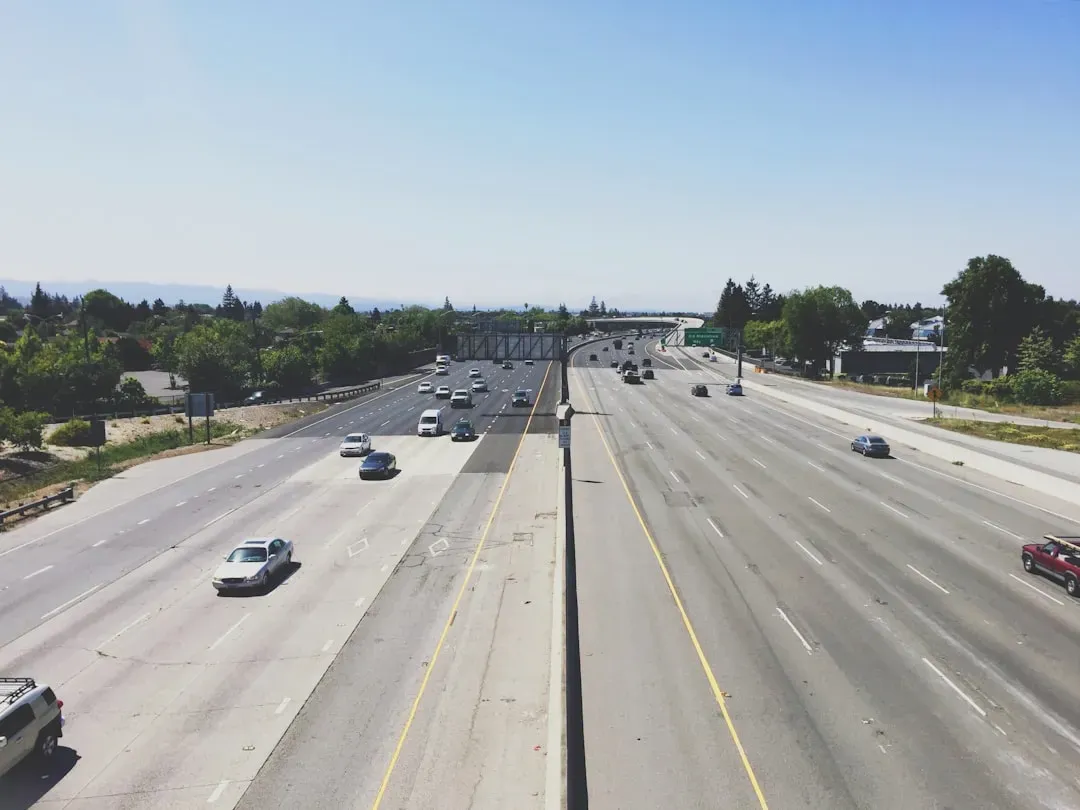
Commute estimates from the southwest valley, including areas like Rhodes Ranch and St. Rose, to the Strip typically run 15 to 25 minutes via I-215 and Las Vegas Boulevard. These are among the more cushioned commutes in the metro when you factor in the relative calm of the I-215 southern stretch during standard weekday mornings. The 215 Beltway forms a loop around much of the valley, connecting Summerlin, the southwest valley, and Henderson, providing access to growing residential and commercial areas away from the Strip.
Current NDOT projects include an overhaul of the Interstate 215 beltway near Summerlin Parkway and a widening project in Henderson, both expected to be completed by 2028, meaning commuters should anticipate lane reductions during this period. If you live in the southwest and depend on the 215, check NDOT updates regularly through at least the next two years.
7. The Spaghetti Bowl Interchange: The Valley’s Biggest Choke Point
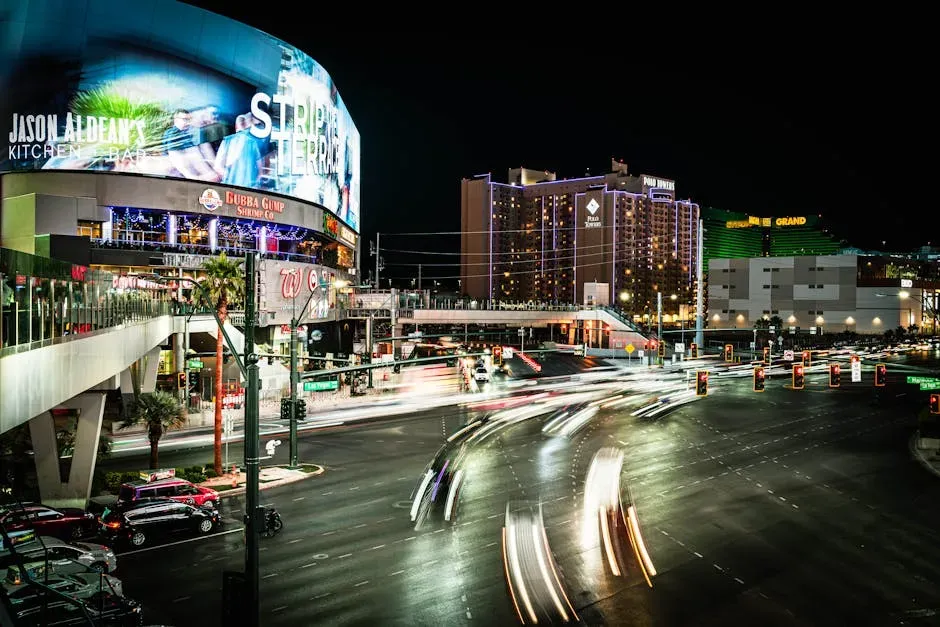
The Spaghetti Bowl is the colloquial name for the freeway interchange in downtown Las Vegas, connecting Interstate 11, US Route 95, Interstate 15, and US Route 93, carrying more than 300,000 cars and trucks per day as of 2019. Road safety experts note the Spaghetti Bowl is so problematic because the traffic planners who designed the interchange in the mid-1960s did not anticipate how quickly Las Vegas would grow.
The Spaghetti Bowl handles massive volumes of traffic each day, and during heavy loads, traffic can bottleneck across the entire city. Drivers can reduce delays by traveling during off-peak hours and avoiding weekday rush hours, generally from 7 to 9 a.m. and 4 to 6 p.m. For commuters who cross this interchange daily, the timing of their trip makes all the difference.
8. Interstate 15: The Main Artery That Feels It Most
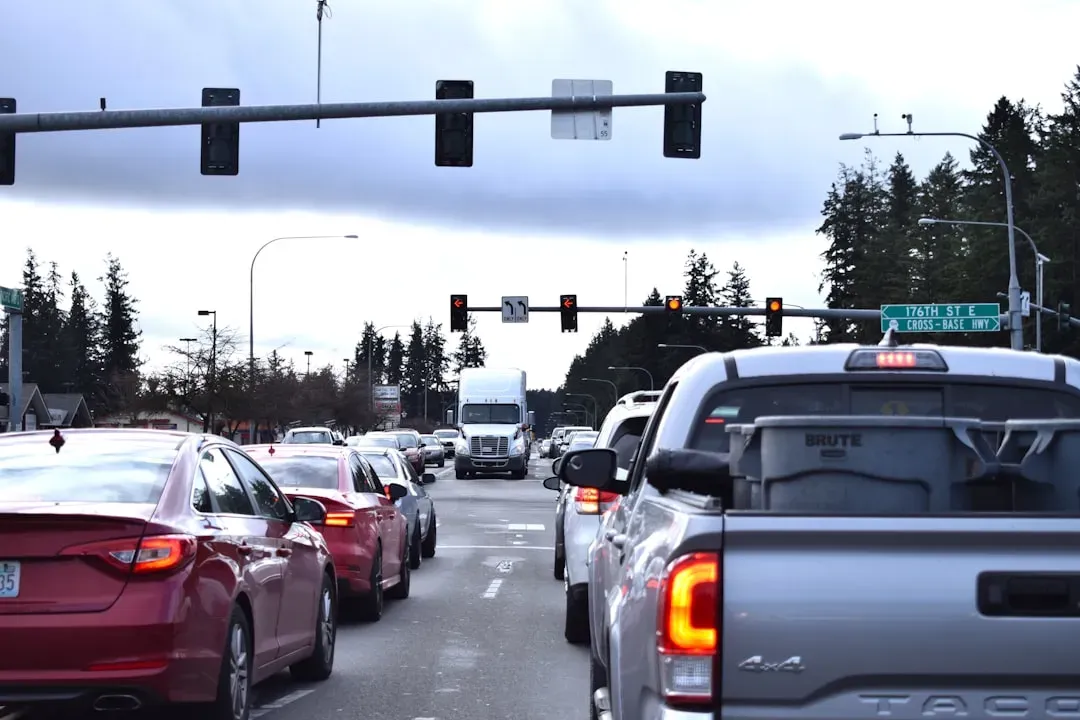
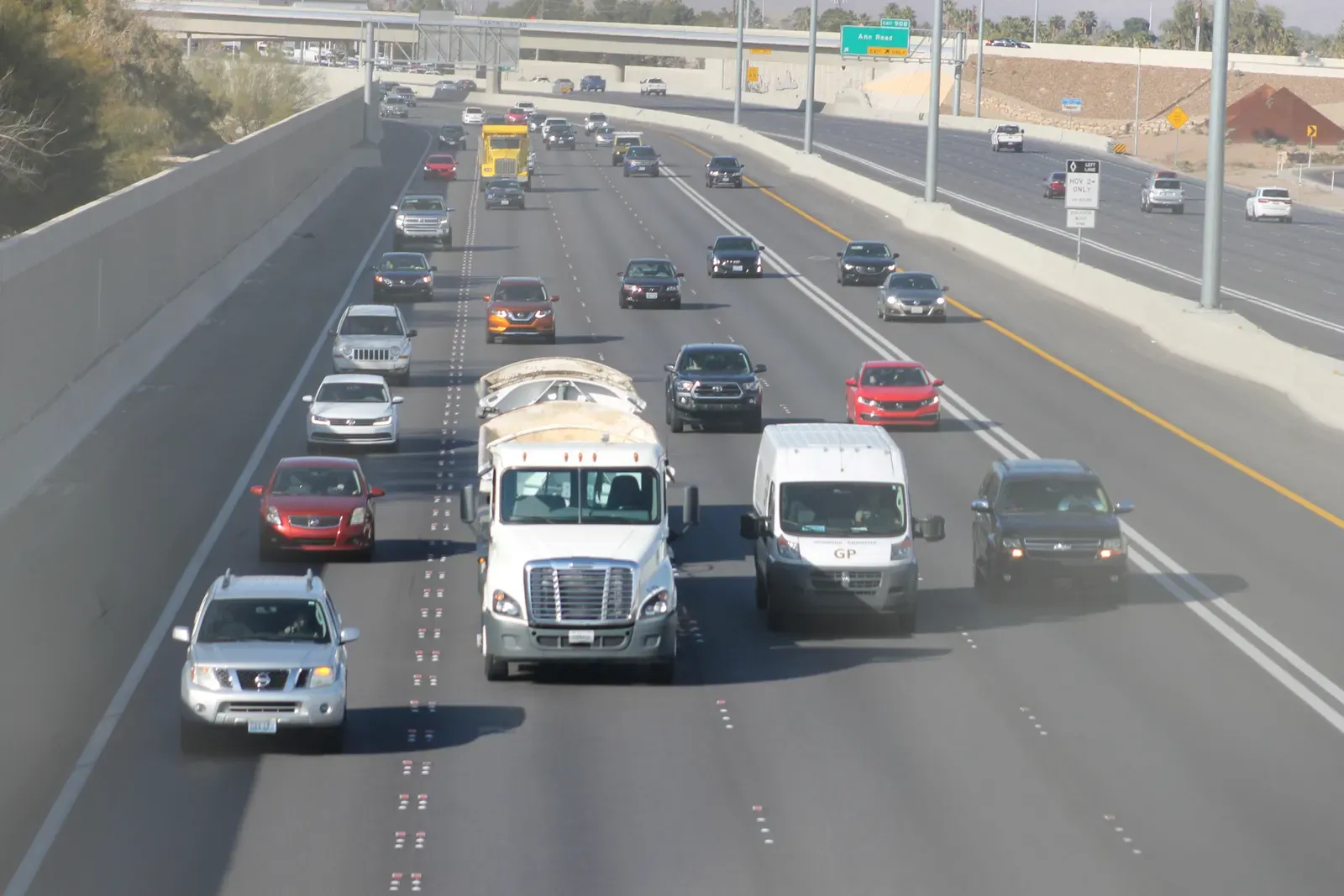
The I-15 is widely regarded as the most frustratingly congested road in Las Vegas. With 300,000 vehicles daily and roughly 25,000 lane-changes per hour, the I-15 experiences about three auto accidents per day. Those numbers reflect a highway that is constantly at or near capacity during peak periods.
I-15 carries heavy traffic to and from the Las Vegas Strip, Allegiant Stadium, and the resort corridor, and is often congested during weekends, holidays, and major events, especially between the Spaghetti Bowl interchange and the Strip area. High speeds, heavy traffic, and impatient drivers create a dangerous mix, and I-15 ranks as the sixth most hazardous interstate in the entire country.
9. The Valley-Wide Congestion Picture: What the Data Says for 2025
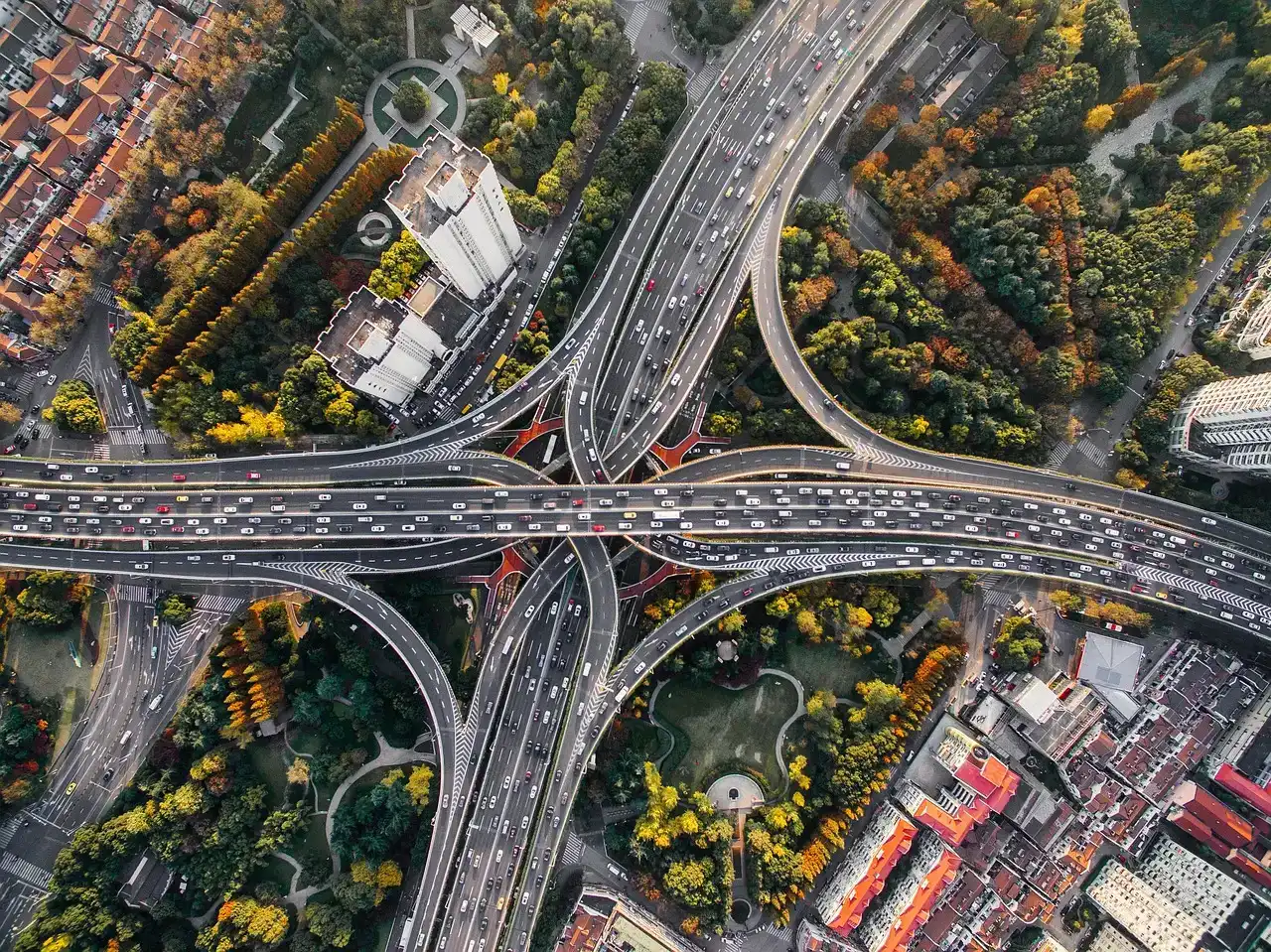
According to TomTom’s Traffic Index, Las Vegas drivers lost 43 hours to rush-hour traffic in 2025, which works out to nearly two full days of wasted commute time. The average congestion level hit roughly 34 percent in 2025, which is more than six percentage points higher than in 2024, and the worst day to travel in 2025 was Friday, November 7, when congestion reached 57 percent.
For a typical six-mile commute driven twice a day during morning and evening rush hours, Las Vegas commuters spent 110 hours driving in a measured period, of which 31 hours were directly due to congestion. The metropolitan area of Las Vegas is undeniably one of the most car-dependent metros in the country. That dependency, combined with a growing population, is slowly but measurably making the average commute longer.
10. Las Vegas Without a Light Rail: The Missing Piece
Las Vegas remains the only large metropolitan region in the Mountain West without a light rail system, while Denver, Phoenix, and Salt Lake City metros each required decades to complete their own systems and continue to expand them. That gap puts the full weight of commuter movement on an already-strained road network. Experts and planners have increasingly pointed to moving away from car dependency toward walking, cycling, and public transportation as a long-term fix.
Unlike older cities with complex transit arteries, Las Vegas uses a grid system paired with several major freeways, and commutes are heavily influenced by how close you live to one of the four main freeways: I-15, I-215, US-95, and Summerlin Parkway. The Regional Transportation Commission’s Bus Rapid Transit project on Maryland Parkway continues and is expected to be completed in fall 2026, which may offer some relief for east-side commuters. It’s a start, though a modest one given the scale of the challenge.
Final Thought
Las Vegas is not a commuter’s nightmare in the way Los Angeles or New York can be. Rush hour is present, but it doesn’t paralyze the valley the way it does in major California metro areas. The real variable here is location: neighborhoods near the I-215 loop or with direct freeway access to the Strip consistently outperform those relying on surface streets or the overwhelmed I-15 corridor.
The data from TomTom, NDOT, and independent traffic analysts all point to the same practical reality: where you live in Las Vegas shapes your commute more than the city’s overall traffic ranking. Choose wisely, check the map before you leave, and if your route crosses the Spaghetti Bowl during rush hour, build in the extra time. The bowl has been humbling drivers since 1968.
Partner offer
Planning a trip to Vegas?
Compare hotel rates and show tickets on VEGAS.com.