Ending a beloved show is one of the hardest jobs in television. Writers spend years building trust with an audience, then get one episode to pay it all off, and there’s no version of that math that pleases everyone. Some finales age into cult classics, some get quietly forgotten, and a select few become permanent flashpoints that fans still argue about years, sometimes decades, later.
Seinfeld (1998)
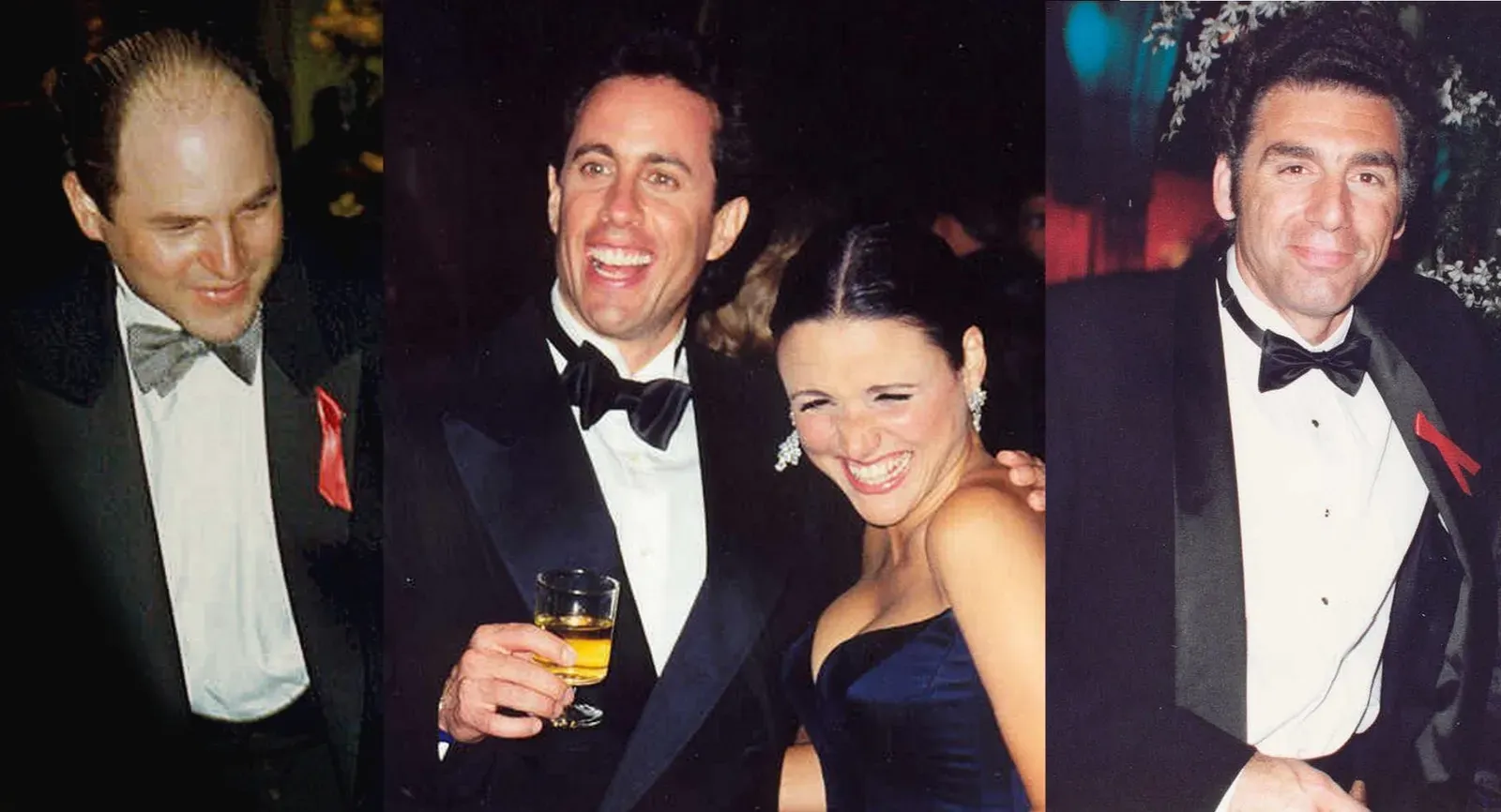
After nine seasons of defining the modern sitcom, Seinfeld closed things out by putting Jerry, Elaine, George, and Kramer on trial for violating a small town’s Good Samaritan law, sending all four to prison. The move was a deliberate rejection of sentimentality, a refusal to let its notoriously selfish characters learn anything or grow at all.
Critics and longtime viewers were split almost instantly, with some praising the boldness and others feeling cheated out of a proper send-off. One retrospective summed up the tone bluntly, noting finales can range from sentimental to downright hostile to the loyal fans (Seinfeld). That description has stuck for a reason, since the episode still gets cited as one of the more contrarian endings in sitcom history.
The Sopranos (2007)

David Chase ended his mob drama mid-scene, cutting to black as Tony Soprano sat in a diner booth with his family while Journey’s “Don’t Stop Believin'” played. No gunshot, no clear resolution, just silence and a blank screen that left millions of viewers assuming their cable had gone out.
Chase has spent years fielding theories about what that final cut meant, and in a later documentary he reflected on the choice rather than settling it outright, asking rhetorically “Why cut to black?” before discussing the mood he was after. Fans still debate whether Tony died in that instant, and cast members like Robert Patrick have had to field questions about whether their characters were the ones who did it, decades on.
Battlestar Galactica (2009)
The rebooted sci-fi drama built its reputation on grounded, morally complex storytelling about survival and identity. Its finale, “Daybreak,” pivoted hard into spiritual territory, revealing that two major characters had been angel like figures guiding events all along, while Kara “Starbuck” Thrace simply vanished without explanation.
The reaction split cleanly down the middle. One retrospective called it an immediately divisive conclusion, with some fans going so far as to call it one of the worst series finales of all time, and others praising it as the perfect ending. Reddit threads years later still argued over whether the show’s writers had a plan from the start or were simply improvising toward the mystical ending they landed on.
Lost (2010)
Few finales generated as much confusion as “The End.” The episode reunited its castaways in a church, and Jack’s late father explained that they had all died at different times, only converging in a kind of afterlife waypoint before moving on together.
The show’s own producers later admitted a mistake in execution rather than concept, with the final credits showing the wrecked plane on an empty beach, which many viewers read as confirmation that the characters had been dead the entire series. Showrunner Carlton Cuse acknowledged that decision was flawed, explaining audiences had grown so accustomed to the idea that every image carried meaning that they read into that footage at the end that they were dead, which was not the intention. That single editorial choice fueled a myth about the show that outlived the series itself.
Dexter (2013)

Showtime’s serial killer drama wrapped up with Dexter Morgan faking his own death, abandoning his son with a fellow criminal, and relocating to the Pacific Northwest to live out his days as a lumberjack. It was a quiet, almost anticlimactic ending for a character built on violence and elaborate justification.
Fans reacted with near unanimous frustration in real time, with one contemporary account tracking Twitter sentiment and estimating the ratio of negative to positive reactions at roughly 25 to 1. The image became such a shorthand for a botched ending that the final scene became an instant meme and a catch-all term for shows that royally screwed the landing, a reputation the finale has never quite shaken.
How I Met Your Mother (2014)
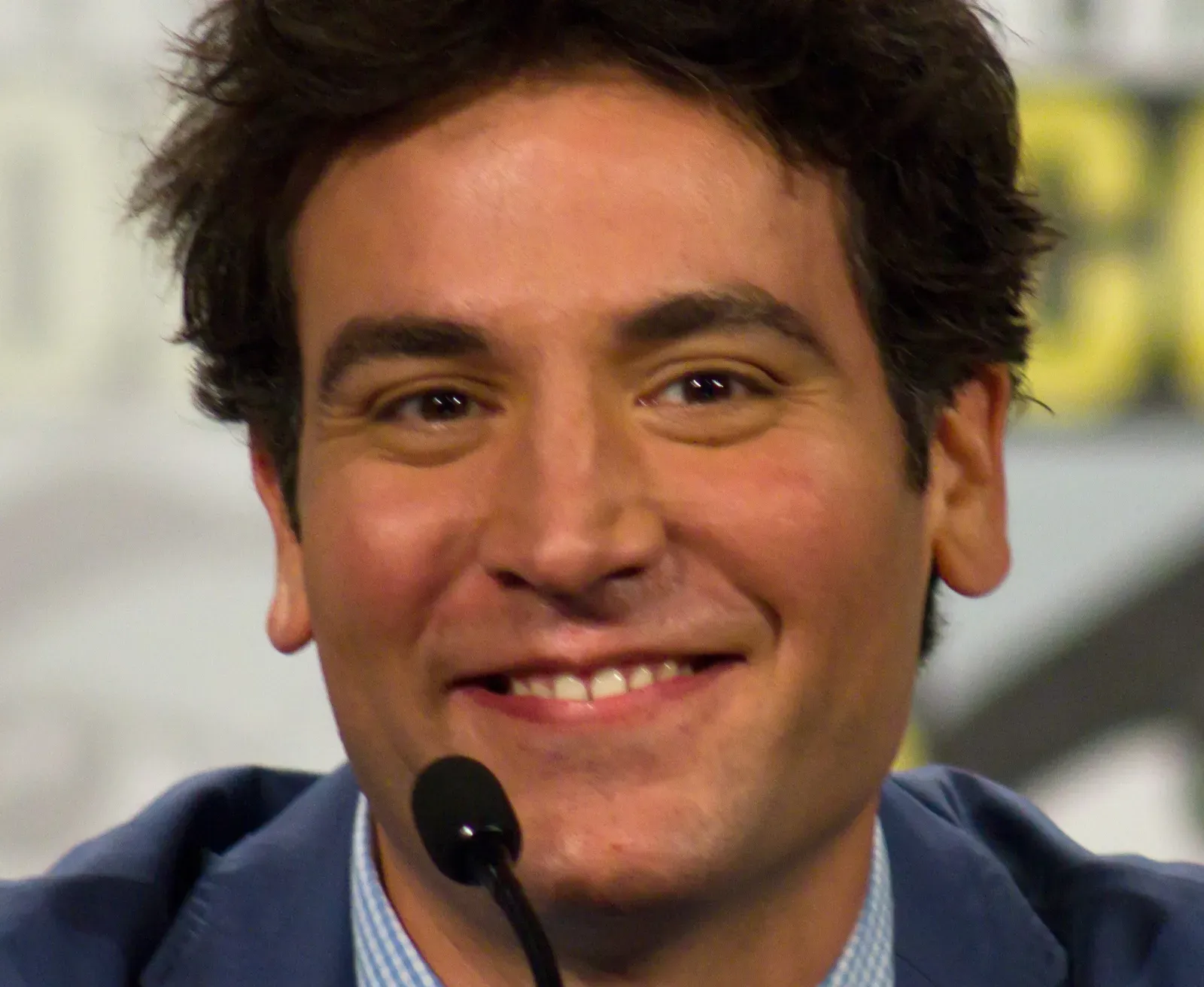
After nine seasons spent building toward the reveal of Ted’s future wife, Tracy, the finale killed her off from an unspecified illness and pushed Ted back toward his old flame Robin instead. For a show whose entire premise hinged on the mother’s identity, undoing that arc in the final hour felt to many like a betrayal of the setup itself.
The backlash was immediate and widespread, with reports at the time describing fans expressing outrage and feeling let down by the ending of the once-hilarious show. Petitions circulated demanding an alternate cut, and the show’s creators eventually addressed the criticism directly, releasing a statement acknowledging the divided reactions and defending their creative choices.
House of Cards (2018)
The Netflix political drama had already been thrown into turmoil before its final season even aired, following the departure of star Kevin Spacey amid misconduct allegations. The truncated final run tried to close out Robin Wright’s Claire Underwood as the central figure, but the abrupt narrative pivots left many longtime viewers cold.
The gap between the show’s overall reputation and its ending was stark by the numbers. One breakdown noted the series carried an average rating for the series of 8.8, but the last episode received a terrible 2.7, a drop steep enough to rank among the largest finale letdowns ever measured. The show’s unusual production circumstances make it something of an outlier on this list, but the fan disappointment was just as real.
Game of Thrones (2019)
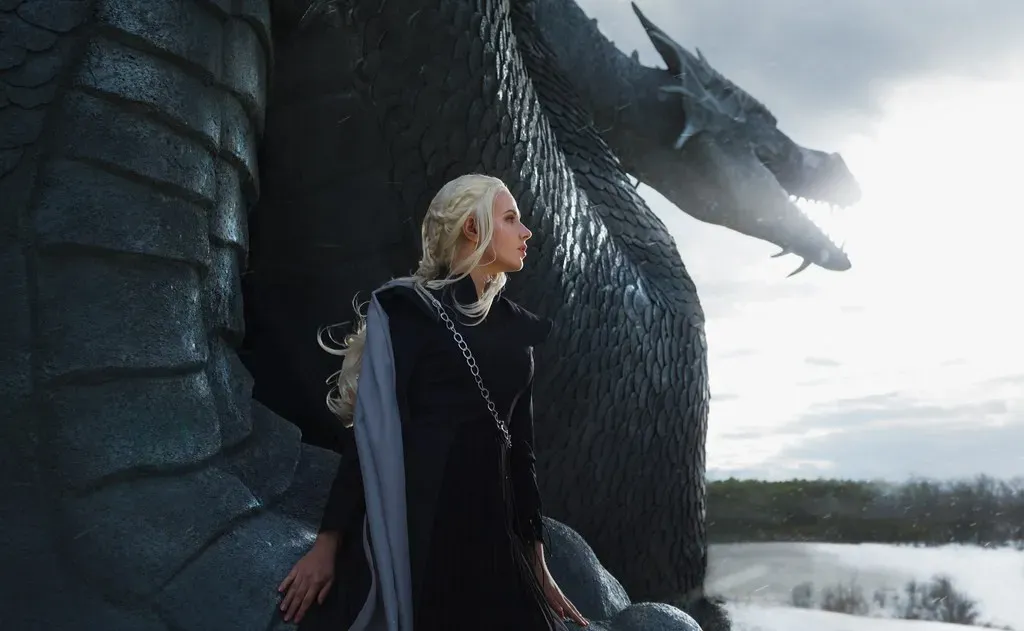
HBO’s fantasy epic ended its eight season run with Daenerys Targaryen turning into a mass murdering tyrant, Jon Snow killing her out of necessity, and Bran the Broken somehow ending up on the throne instead. The final season had already drawn criticism for its compressed pacing, and the finale became the flashpoint for years of pent up frustration.
Despite the backlash, viewership hit record highs, with a record 19.3 million tuning in to watch the finale on Sunday night. Critical and fan reception told a different story though, since the episode received a 57 percent score on Rotten Tomatoes, the lowest score for the last episode of a season in the show’s history. IMDb data painted an even sharper contrast, with the show’s average fan rating of 9.5 out of 10 falling to a concluding episode rating of just 4.9 out of 10.
Final Thoughts