Every finished film or game feels inevitable once it’s out in the world, as if there was never any other way the story could have gone. Yet plenty of the endings audiences now treat as classics were nearly something else entirely, sometimes shot, screened, and scrapped within weeks of release. Test audiences, nervous studios, and the occasional stroke of last-minute panic have quietly rewritten more famous conclusions than most people realize.
Sunset Boulevard traded a talking corpse for a swimming pool
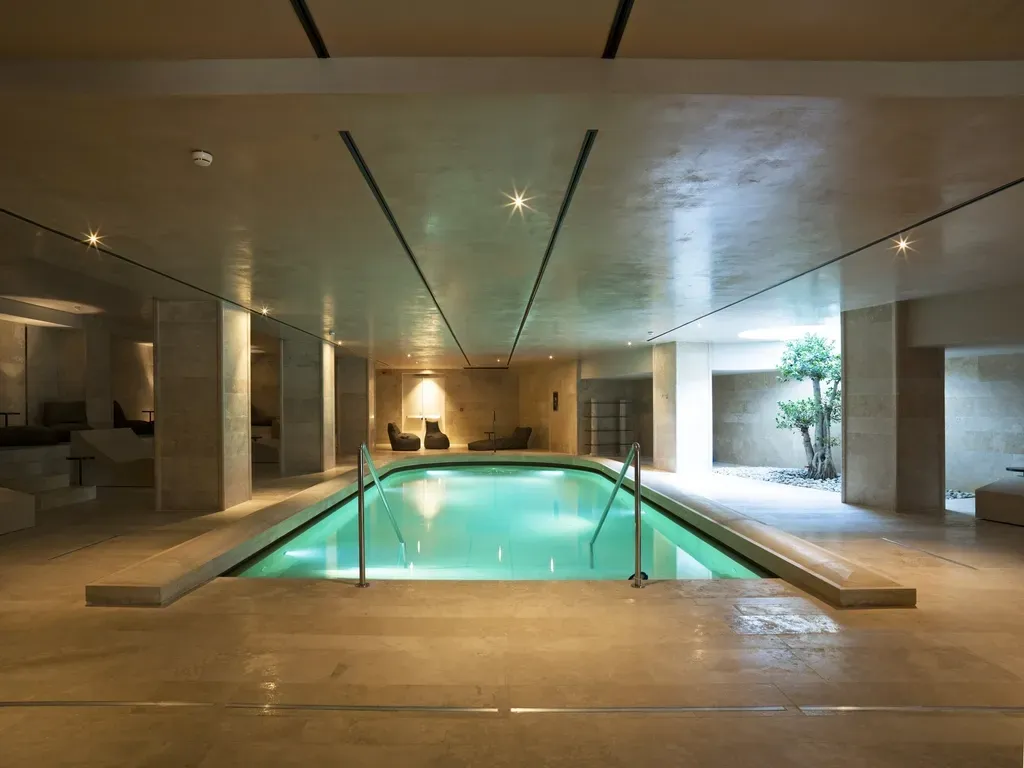
Billy Wilder’s original opening for his 1950 noir classic did not begin at the pool at all. The alternate opening took place in the L.A. County Morgue and featured Joe Gillis’s corpse interacting with the corpses of a fat man and a young child, with the three of them exchanging details on how they died. Wilder considered it one of the best dramatic sequences he had ever filmed.
Test audiences disagreed, badly. When it was shown to the first test audience, the reaction was simply uproarious laughter as soon as the corpses began to speak, and two more preview audiences reacted similarly. Wilder scrapped the sequence and reshot the now-iconic opening, keeping Joe’s ghostly narration but replacing the morgue with his body floating face down in Norma Desmond’s pool, a change that reportedly delayed the release by roughly six months.
First Blood almost killed Rambo before he ever became a franchise
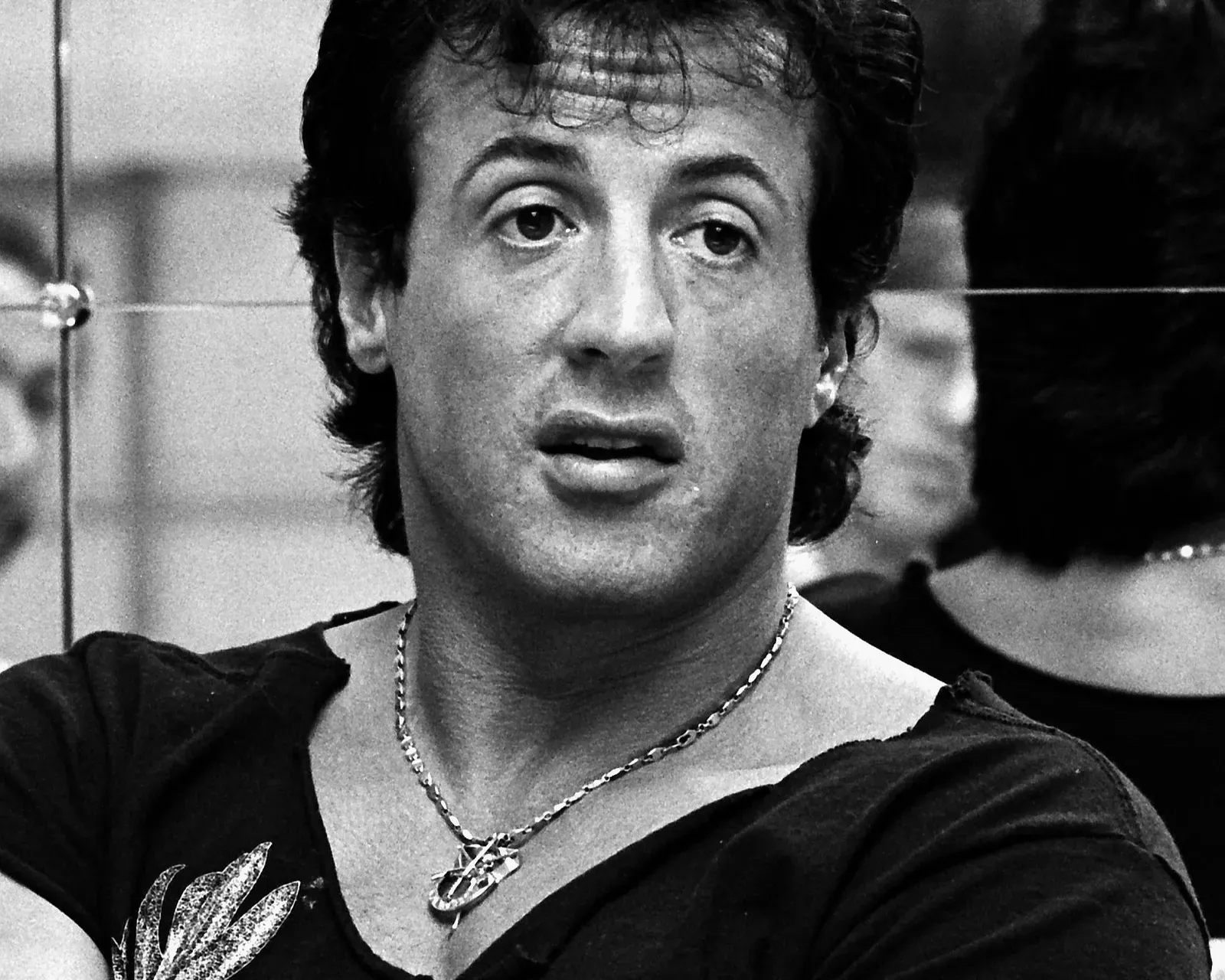
It is hard to imagine now, but John Rambo was originally supposed to die at the end of the 1982 film that introduced him. Kotcheff’s original film ending would have also shown Rambo die, mirroring the tragedy of other real-life veterans by taking his own life, with the director describing First Blood as “Rambo’s suicide mission.” The scene was actually shot, with Colonel Trautman ultimately pulling the trigger at Rambo’s own request.
The studio and Sylvester Stallone worried the ending was simply too bleak for audiences. Following a protracted behind the scenes battle between Stallone and director Ted Kotcheff, that sequence ended up being dropped from the movie in favor of a finale where Rambo survives his one-man war and lives to fight another day, and in four sequels. Without that last-minute reversal, one of action cinema’s longest running franchises would never have existed.
Fatal Attraction rewrote its message along with its finale
Adrian Lyne’s 1987 thriller originally ended on a much darker, more literary note. The original ending of Fatal Attraction was deemed too grim, with Alex committing suicide and framing Dan for her murder. It was a conclusion that made Michael Douglas’s philandering character the one who ultimately paid the price.
Preview screenings changed everything about how the story landed. Test audiences reacted negatively, prompting a rewrite, and the new ending instead features a dramatic confrontation where Dan’s wife, Beth, kills Alex in self-defense, a change that shifted the film’s focus toward a cautionary tale about infidelity. The reshoot took the production several additional weeks and reportedly cost well over a million dollars, but it turned the film into one of the biggest hits of the decade.
Little Shop of Horrors had to lose its villain plant’s victory

Director Frank Oz initially stayed faithful to the stage musical’s grim conclusion, where the alien plant Audrey II wins. The original ending of 1986’s Little Shop of Horrors had both Audrey and Seymour being killed by the evil alien plant, and although it was more faithful to its stage source material, test audiences hated seeing the loveable couple die. The elaborate sequence, involving giant puppetry and citywide destruction, had already cost a fortune to produce.
Oz did not want to change it, but the reaction left little choice. Director Frank Oz later admitted it was a complete disaster, saying he and screenwriter Howard Ashman knew they had to cut that ending and make it a happier, more satisfying one, even though they did not want to. Warner Bros. reportedly financed an additional multi-million-dollar reshoot to give Seymour and Audrey a survivable finish.
Partner offer
Pretty Woman started life as a much harder story
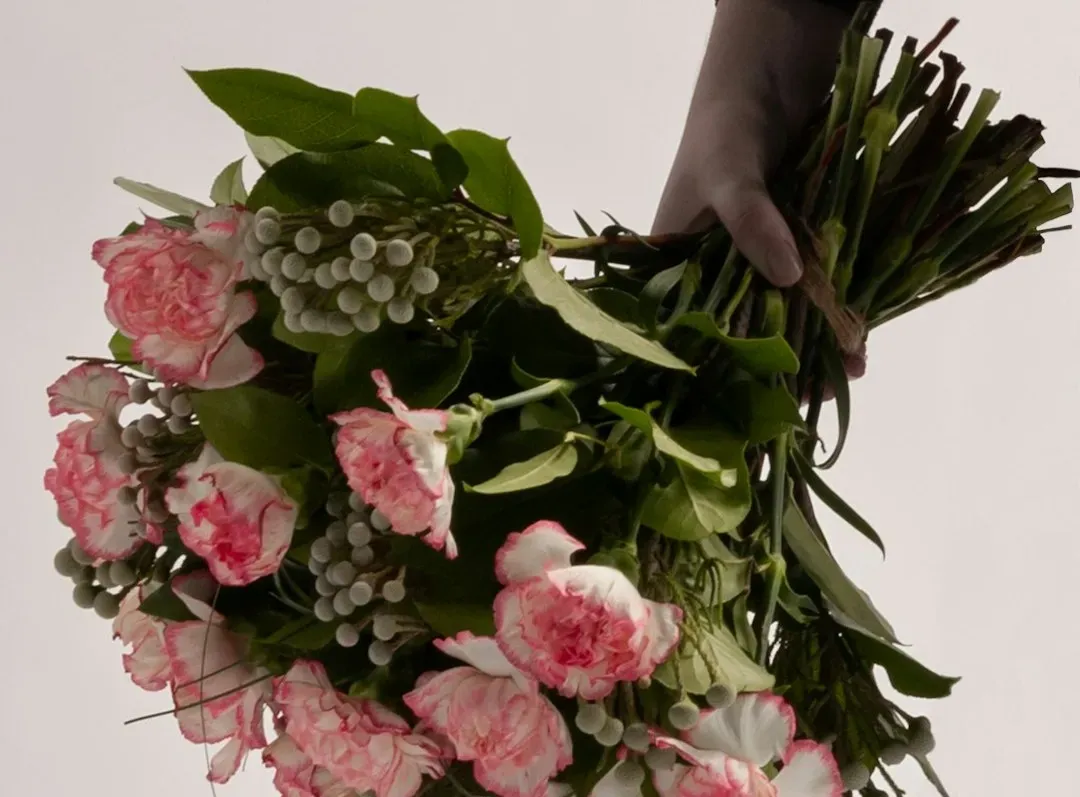
Before it became one of the defining romantic comedies of the 1990s, the film that would become Pretty Woman was a considerably rougher piece of writing. Pretty Woman is a classic example of how a film’s ending can redefine its genre, originally conceived as a dark drama about a sex worker’s struggles before the film’s tone shifted dramatically. Early drafts followed a much bleaker trajectory for Vivian’s character.
Studio testing pushed the project toward something warmer and more commercial. The shift in Pretty Woman from a dark drama to a romantic comedy was influenced by the desire to appeal to a wider audience. The rewritten, fairy-tale conclusion, complete with a limousine and a bouquet of flowers, became one of the most recognizable endings in the genre and helped the film become a massive box office success.
The Shining’s hospital scene disappeared after opening week
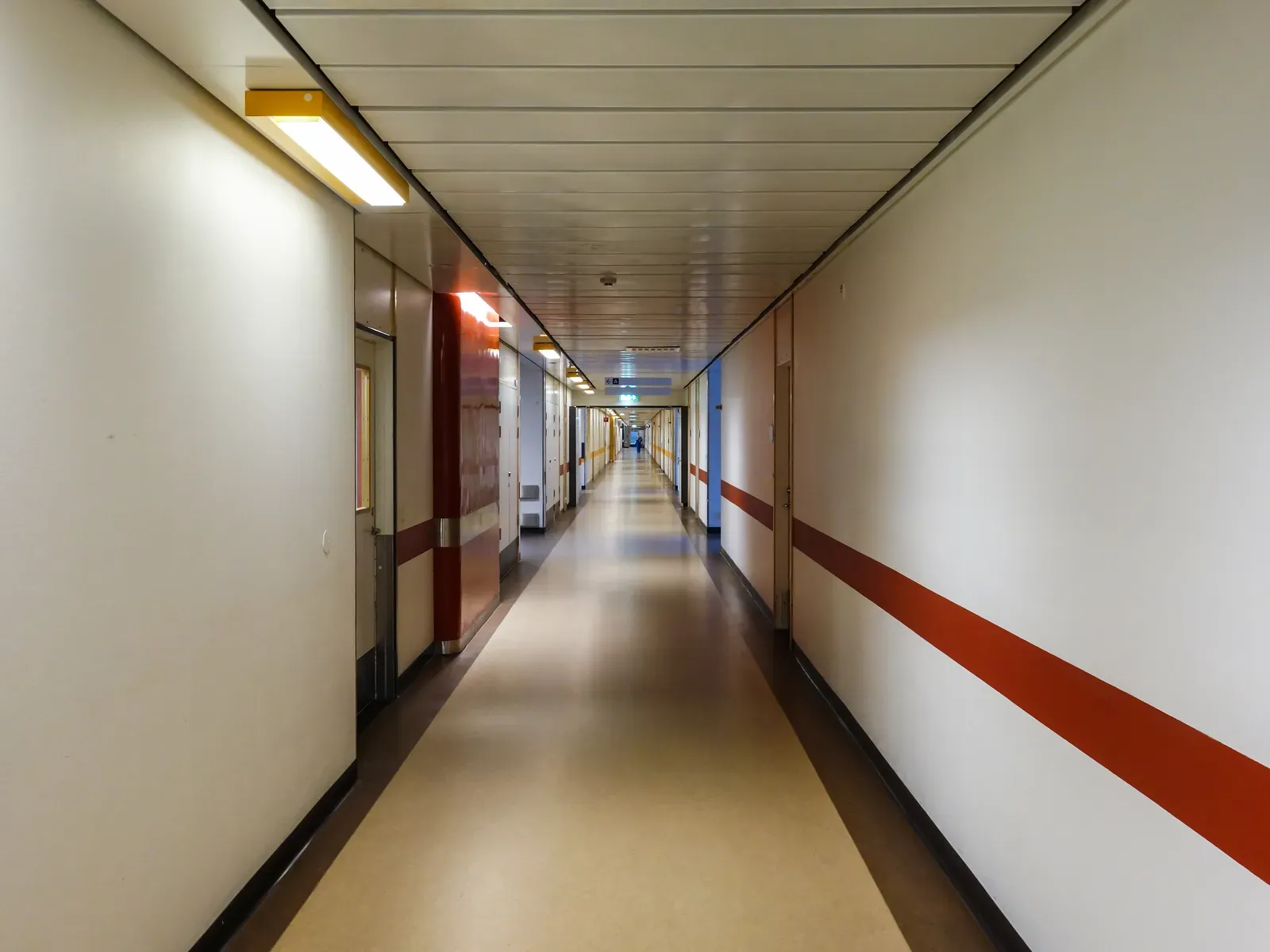
Stanley Kubrick’s adaptation of Stephen King’s novel originally closed with a brief scene of resolution rather than pure dread. Stanley Kubrick’s adaptation of The Shining originally included a hospital scene after the climactic events at the Overlook Hotel, in which Wendy and Danny are told by the police that no trace of Jack was found. It offered audiences a small measure of closure after the horror.
Kubrick, notorious for tinkering right up to the wire, decided the scene undercut the film’s power. He decided to delete this scene after initial screenings, opting instead for a hauntingly ambiguous ending, a change that has fueled decades of discussion and analysis. The cut happened so close to release that some early theatrical prints reportedly still included the hospital scene before it was pulled entirely.
World War Z rebuilt its entire third act from scratch

The 2013 zombie blockbuster is one of the more extreme examples of a finale being torn up late in production. The production was famously turbulent, with the entire third act rewritten and reshot after poor test screenings, since the original ending featured a massive, chaotic battle in Russia that was criticized for being unfocused and overblown. That version reportedly cost tens of millions of dollars before ever reaching audiences.
Rather than trying to patch the Russia sequence, the filmmakers scaled the story down dramatically. The filmmakers pivoted, creating a tense, suspenseful sequence in a medical lab that emphasized ingenuity over spectacle. The reshoots delayed the film’s release by months, but the smaller, quieter climax ultimately became one of the more praised parts of the movie.
Mass Effect 3 answered a fan revolt with new content, not a reshoot
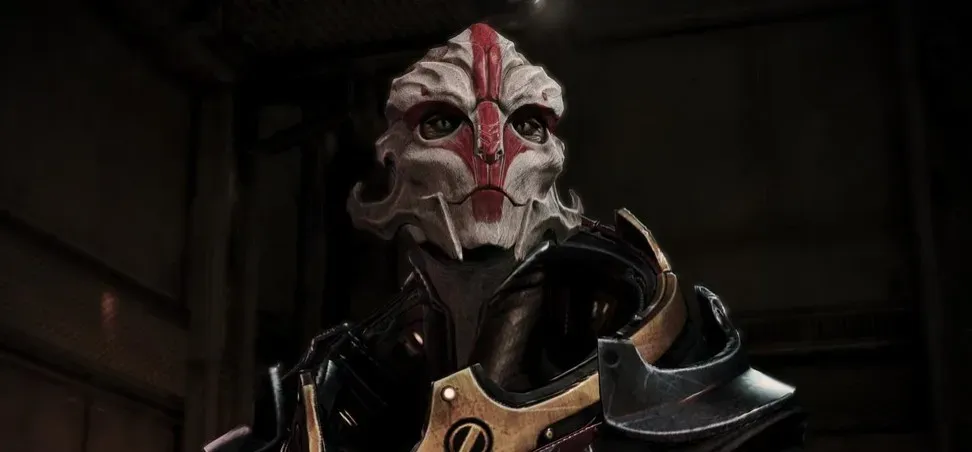
BioWare’s space epic closed its trilogy in 2012 with an ending that players found abrupt and unsatisfying almost the moment it launched. When Mass Effect 3 released, its ending was extremely controversial and so poorly received by fans it resulted in a wave of backlash rarely seen at that point in time, since the original ending was a complete failure given how much influence players had come to expect. The reaction spread quickly across forums, video essays, and even organized protest campaigns.
Because it was a game rather than a film, BioWare could not simply reshoot a scene, so it built new material instead. In response, BioWare released the “Extended Cut” update several months after the launch, expanding Mass Effect 3’s ending by adding more cutscenes, epilogues for alien races and characters, more dialogue options, and more context in general. It remains one of the clearest examples of a modern audience directly forcing a studio to revisit a finished ending after release.
Final thoughts
Partner offer
Planning a trip to Vegas?
Compare hotel rates and show tickets on VEGAS.com.