Open almost any kitchen drawer and you’ll find something that looks like it belongs to another era. A crank, a hinge, a heavy lid. Many of these tools never left because nothing newer did the job better.
Some of the gadgets below date back more than a century, while others arrived within living memory. Each one has stayed in use for plain reasons: it works, it lasts, and it rarely needs a charger.
The Hand Crank Can Opener

Canned food existed for decades before anyone made a convenient way to open it. Early cans were opened with a hammer and chisel, and the rotary wheel style opener was patented in 1870 by William Lyman. That basic idea of a cutting wheel and a gripping gear is still what most manual openers use today.
It earns its place during power cuts and in small kitchens with little counter space. There’s no motor to fail, and a decent one costs very little. Many people also find a handheld model easier to clean than a bulky electric version.
The Stovetop Pressure Cooker
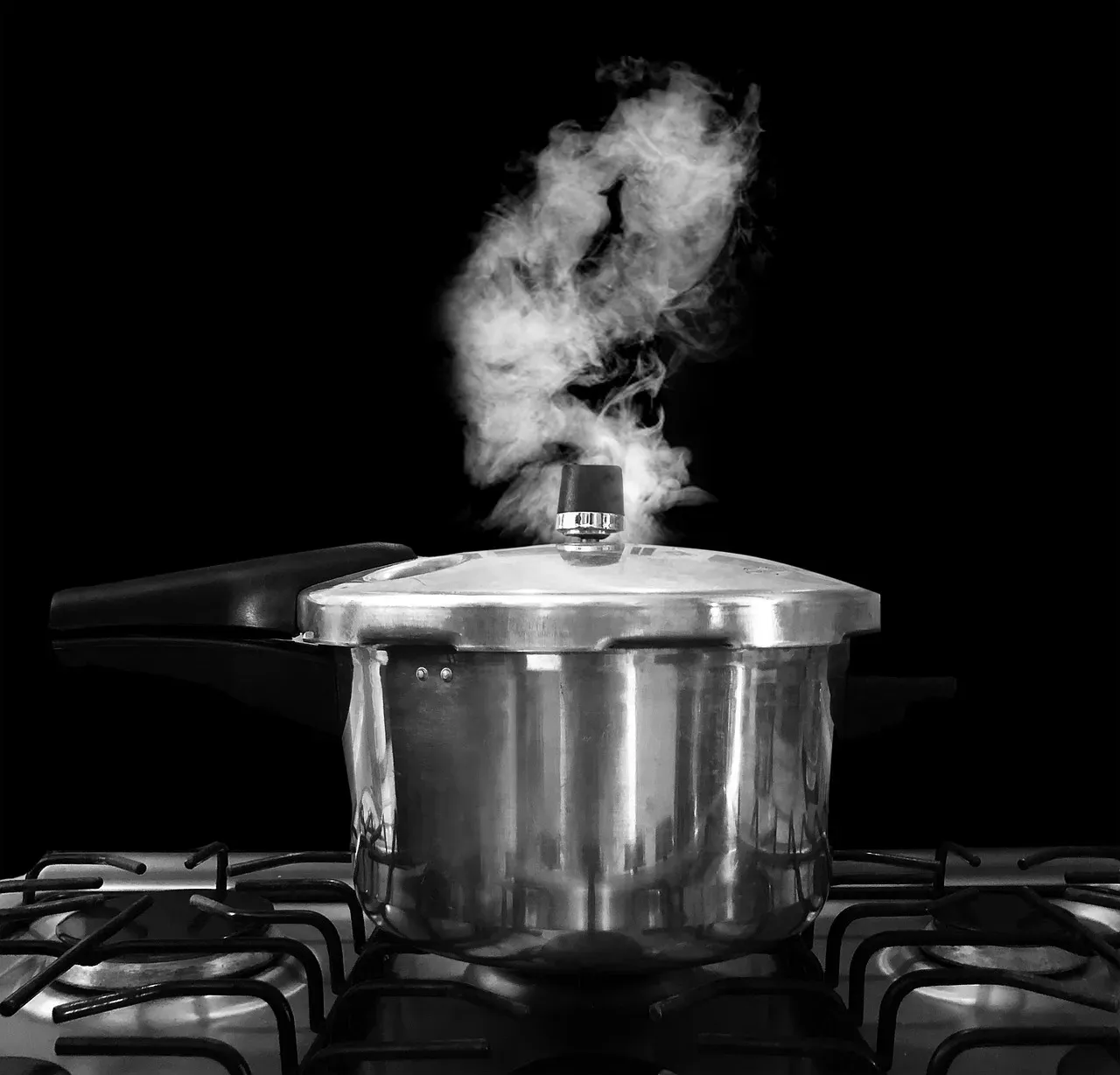
The principle of cooking under pressure goes back to the seventeenth century, but home versions took off in the twentieth. National Presto Industries introduced a home pressure cooker in 1939, and the stovetop design spread through postwar kitchens. Sealed steam raises the temperature inside the pot, which shortens cooking times considerably.
Modern electric multicookers are essentially descendants of this older pot. Still, the stovetop type remains popular with cooks who want higher heat control and a sturdy steel build. Beans, tough cuts of meat, and stocks are the usual reasons people keep one around.
The Slow Cooker
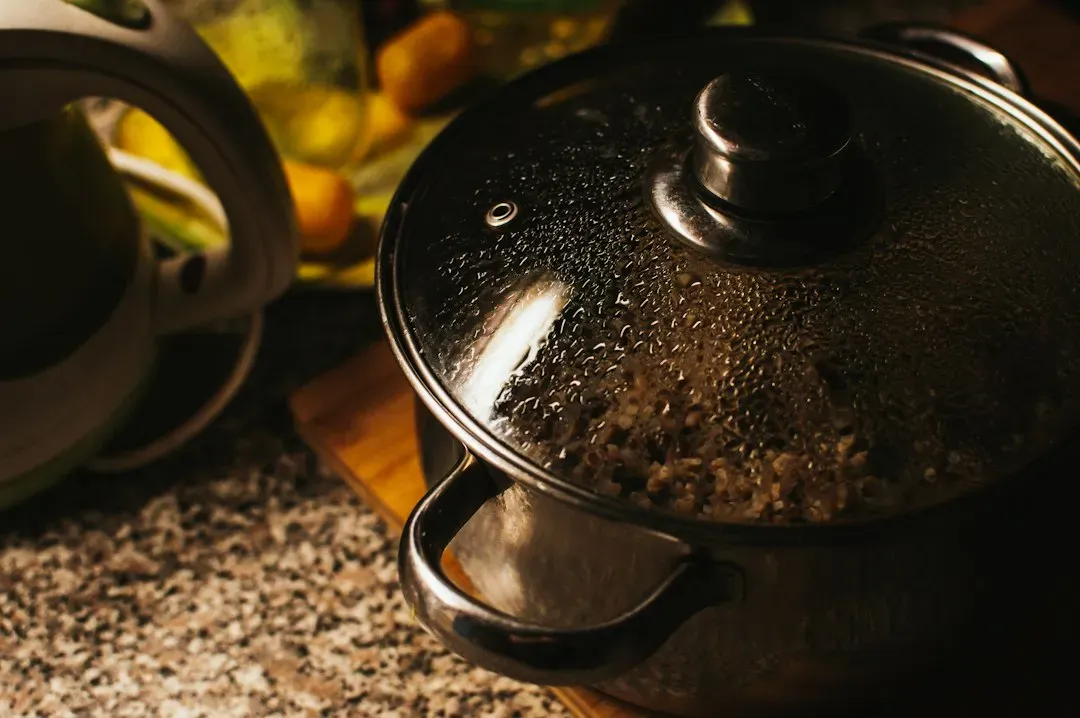
Rival introduced the Crock-Pot in 1971, and it became a fixture of home cooking through the following decades. It was adapted from an earlier bean cooking appliance, and its core design has changed very little. A ceramic pot, a low heating element, and a lid are enough.
Its appeal is practical. You can load it in the morning and come back to a finished meal, and cheaper cuts of meat turn tender over long, gentle heat. Newer models add timers and programmable settings, yet the old dial versions still work fine.
The Rotary Egg Beater
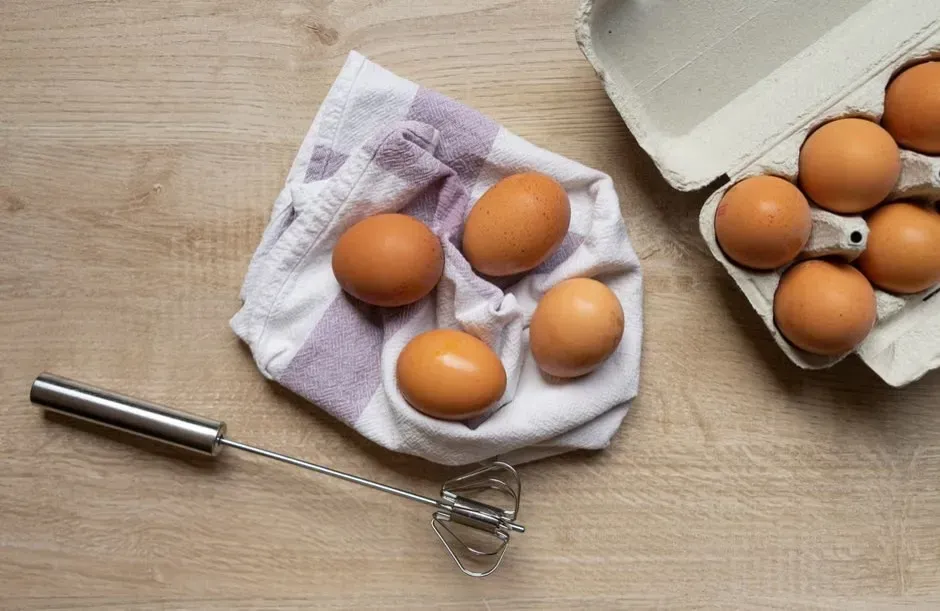
Hand cranked egg beaters appeared in the nineteenth century, with various patents filed for the geared, whisking design. Turn the handle and the gears spin two beaters at high speed. It looks quaint, but the mechanism is sound.
For a couple of eggs, a small batch of whipped cream, or a quick pancake batter, it’s often faster than hauling out a stand mixer. It’s also quiet and easy to wash. Vintage ones turn up at secondhand shops, and many still run smoothly.
The Cast Iron Skillet
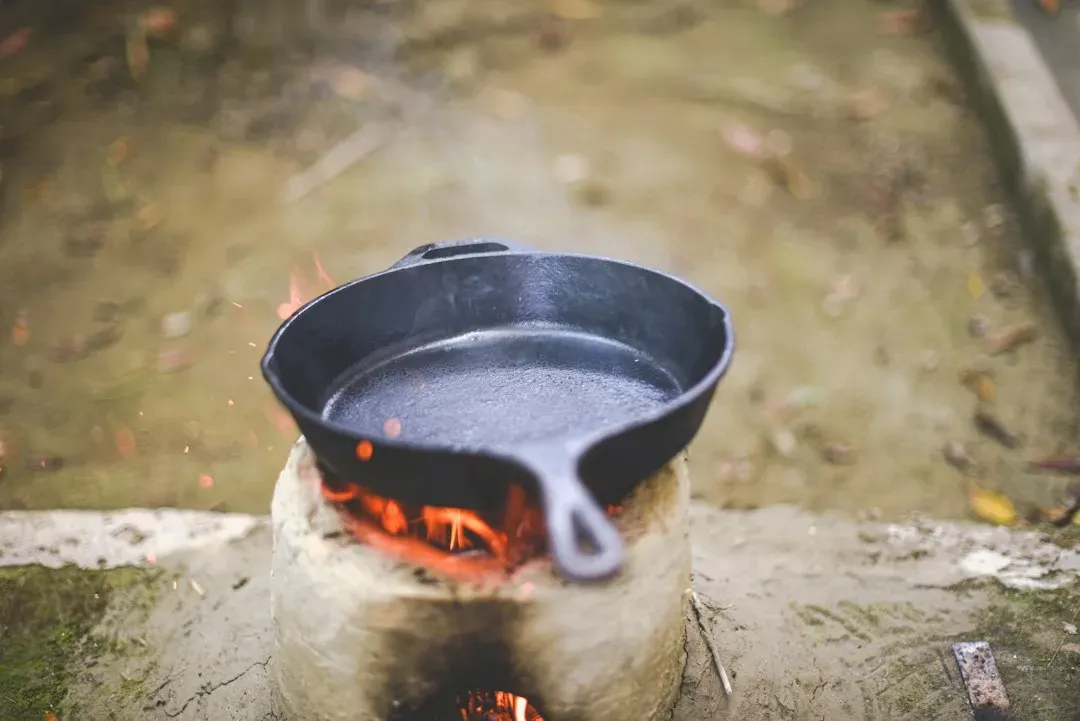
Cast iron cookware has been made for centuries, and well kept pans are routinely passed between generations. Seasoning, which is a baked on layer of oil, builds up with use and gives the surface its natural nonstick quality. A pan from a grandparent’s kitchen can often be restored with scrubbing and fresh seasoning.
The skillet goes from stovetop to oven without trouble, and it holds heat well for searing and baking cornbread. It’s heavy, and it needs a little care to avoid rust. In return, it can outlast nearly every other pan you own.
The Potato Ricer
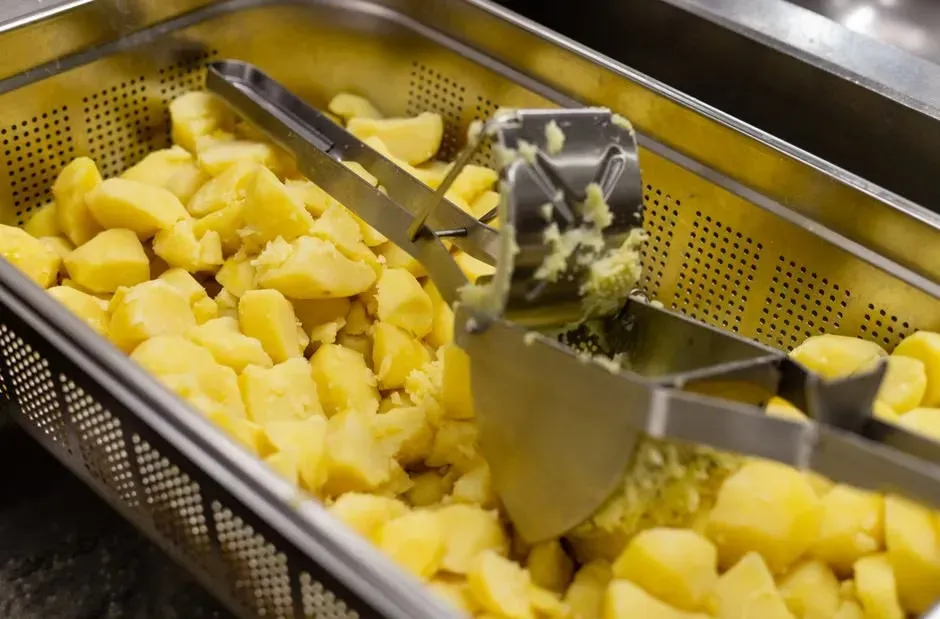
A ricer looks like a giant garlic press, and in principle it works the same way. Cooked potatoes are pushed through small holes, producing fine, fluffy strands. That texture is hard to get with a masher, which tends to leave lumps or overwork the starch.
It’s a single purpose tool, though a surprisingly flexible one. Cooks also use it for gnocchi dough, squeezing water from cooked spinach, and making smooth purees. Stainless steel versions are inexpensive and typically dishwasher safe.
The Microplane Grater
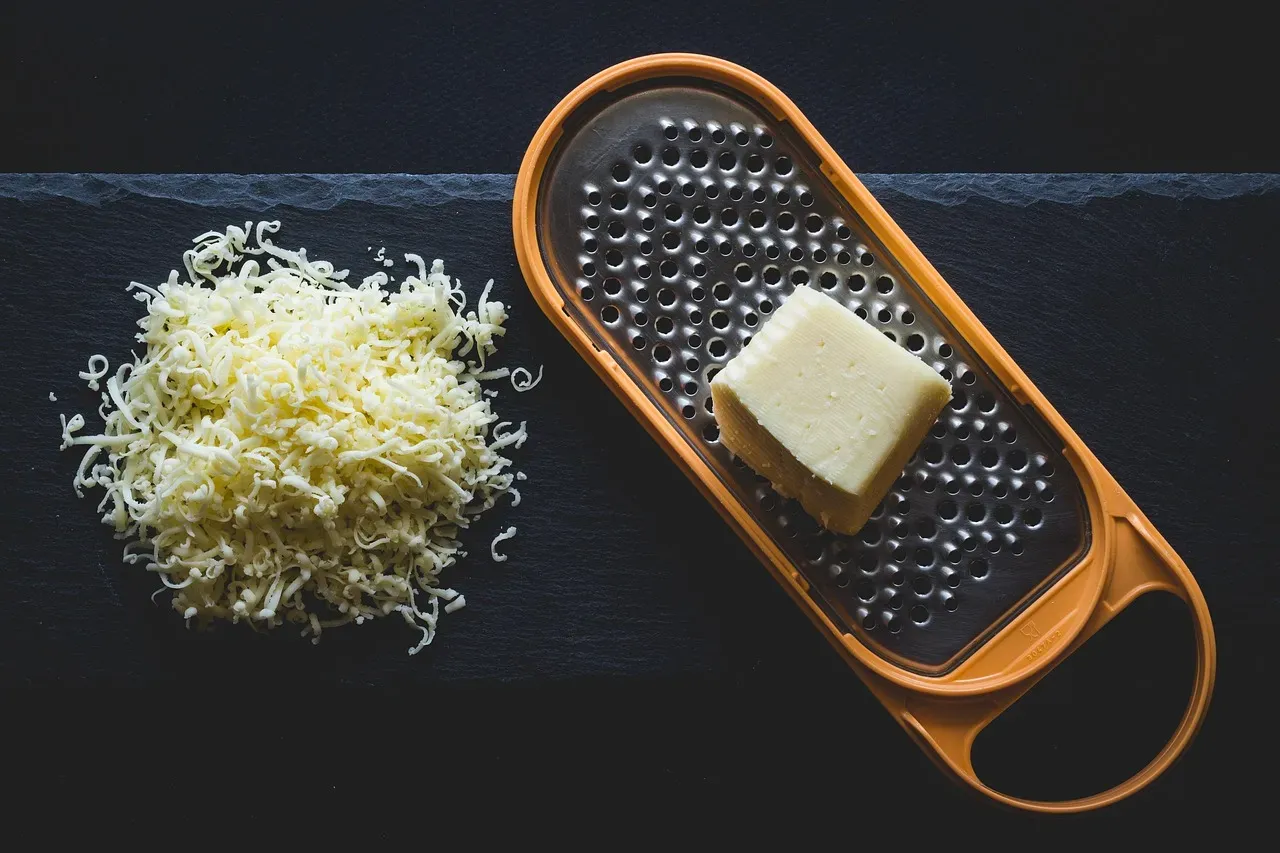
This is the youngest tool on the list. The Microplane began as a woodworking rasp, and its fine, razor sharp teeth were later adopted for the kitchen, reaching home cooks in the early 2000s. The long, narrow shape let people zest citrus and grate hard cheese with very little effort.
Its advantage over older box graters is the fineness of the result. Lemon zest comes off without the bitter white pith, and Parmesan melts into dishes almost instantly. It’s also easy to store, since it slides flat into a drawer.