Most film bankruptcies don’t happen on a set, with the cameras still rolling. They tend to arrive in the gaps: during development, in the weeks before a release date, or while a lender is deciding who owns the finished reel. Even so, the damage reaches the productions in the middle of it all.
The eight cases below cover films and franchises that were stalled, stripped, delayed, or left in limbo when the money behind them gave way. Some were eventually finished and some weren’t. Each one shows how fragile a movie’s financing can be.
Cutthroat Island and the Last Bet of Carolco
By 1995, Carolco Pictures was nearly out of reserves. The company sold off the rights to several films in production, including Showgirls, to raise financing for Cutthroat Island, which had a projected budget of $90 to $100 million. The pirate adventure was meant to be a rescue, and the company had little else left to lean on.
International Film Guarantors bonded the production, which made it the most expensive movie ever bonded. Even so, Carolco filed for bankruptcy in November 1995, six weeks before the film was released. The film’s estimated production cost was $98 million, against a US domestic gross of just over $10 million. Carolco’s assets were sold at auction in 1996.
Bond 23 Put on Hold
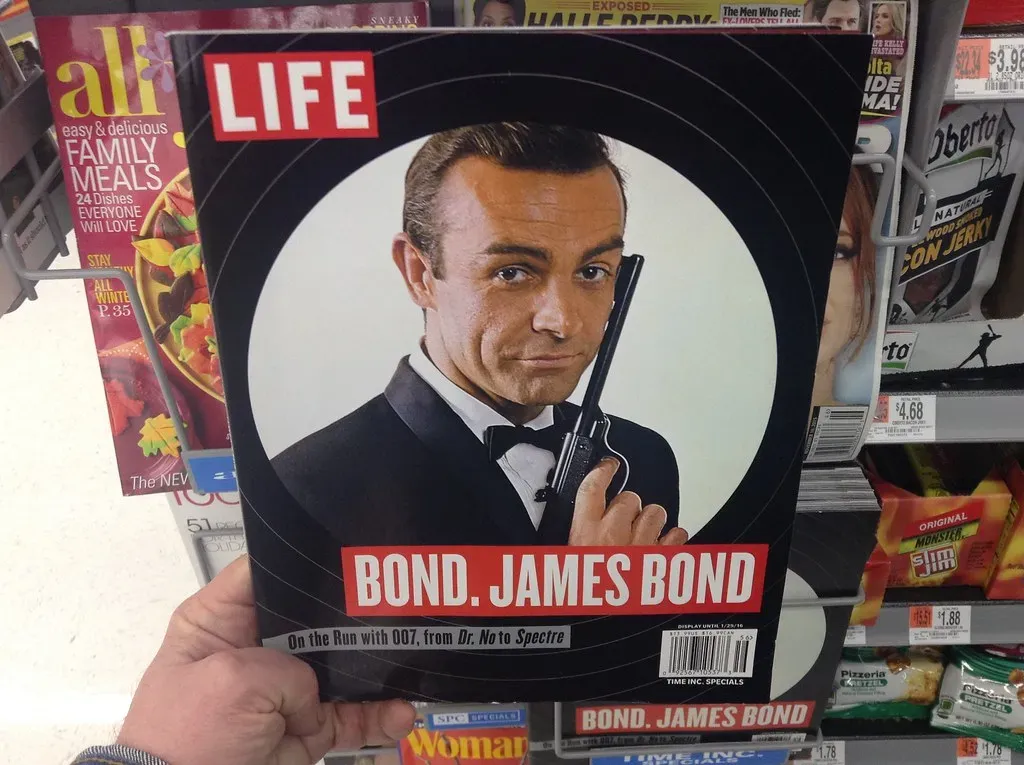
In April 2010, MGM was struggling under a heavy debt load. The studio had owed more than $3.7 billion and had been trying to sell itself since November 2009. The uncertainty reached the James Bond franchise directly.
The producers announced they had suspended development on Bond 23 indefinitely, citing the uncertainty around MGM and the failed sale. The film that would become Skyfall was delayed, and its screenwriter, Morgan, had to leave before finalizing the script. Skyfall did eventually reach theaters in 2012, but the pause cost the project time and talent along the way.
The Hobbit and the Studio Standoff

MGM’s troubles didn’t stop at Bond. The studio owned a stake in The Hobbit, then one of the most anticipated films in development. As the company moved toward bankruptcy, much of its operations came to a halt, and development on the next Bond film and The Hobbit was delayed.
The Hobbit lost a director in the delay. MGM’s bankruptcy plan was approved on December 2, 2010, and less than two months after the declaration, the studio emerged with new leadership and $500 million to pay for new movies. The trilogy went on, though not with the team that had first been attached.
Masterminds Stuck on the Shelf

Relativity Media’s heist comedy was finished but couldn’t get out the door. In July 2015, the company postponed the release from August 19 to October 9 while it worked on its recapitalization. Relativity then filed for Chapter 11 bankruptcy protection on July 30.
An insider said the company couldn’t afford to market the film, which had already been pushed once. It was later dated for September 30, 2016. It opened to a soft $6.6 million. A year of waiting didn’t help it.
Jane Got a Gun and the Relativity Slate
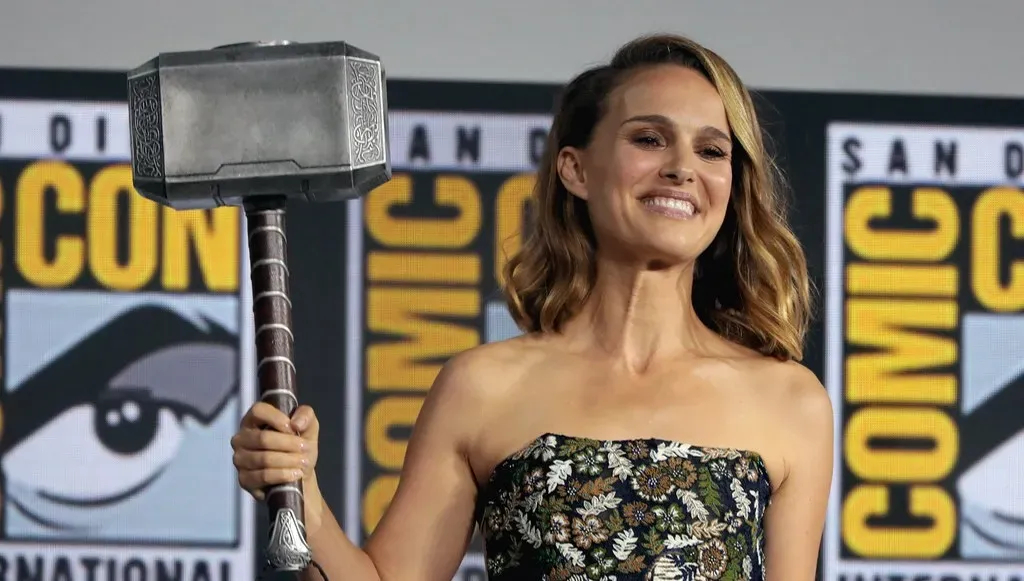
Masterminds wasn’t the only title caught in the Relativity collapse. The bankruptcy filing cast doubt on several upcoming releases, including Jane Got a Gun, described as a much-troubled Western starring Natalie Portman. The film had a reputation for production trouble even before the money problems.
Variety reported that Relativity intended to hold onto Masterminds and Kidnap, while Jane Got a Gun and Before I Wake would likely end up elsewhere. A lender owed $85 million by Relativity later asked the bankruptcy court for permission to seize four unreleased films. In effect, finished movies were being treated as collateral rather than as art.
Lear Rex and the Gold Tree Filing
This one is recent. Gold Tree Studios filed a Chapter 11 Subchapter V case in the Central District of California on December 9, 2025. The studio had been involved with Lear Rex, a King Lear adaptation starring Al Pacino and Jessica Chastain.
Its filing listed assets of $100,000 to $500,000 and liabilities of $1 million to $10 million. Gold Tree is described as a Hollywood post production firm offering editing suites, sound mixing, and color grading. The filing doesn’t settle the film’s fate, so its status is worth checking before assuming anything about its release.
Battlefield Earth and the Franchise Pictures Collapse
Not every bankruptcy comes from a flop. Franchise Pictures, the company behind Battlefield Earth, was brought down by a courtroom. Its European partner Intertainment had agreed to pay 47 percent of the production costs of several films in exchange for distribution rights, but ended up paying between 60 and 90 percent.
Franchise’s owner vowed to appeal, but the fraud judgment destroyed the company’s viability, and it filed Chapter 11 petitions on August 18, 2004. The films themselves were already out, but the studio that financed them couldn’t continue. That left its remaining projects without an obvious home.
Village Roadshow and the Stalled Pipeline

In 2025, one of the biggest names behind studio films went into court. Village Roadshow Entertainment Group filed for bankruptcy in a Delaware court, according to a Bloomberg report. The firm had backed over 100 films since 1997, including Joker, Mad Max: Fury Road, and the Matrix trilogy.
It had struggled to recover from the pandemic slump and the 2023 writers’ strike, which delayed productions. More recently, its problems largely stemmed from a dispute with longtime partner Warner Bros. Discovery. When a financier at that scale runs short, every project in its pipeline has to wait for the courts to sort out what it owns.