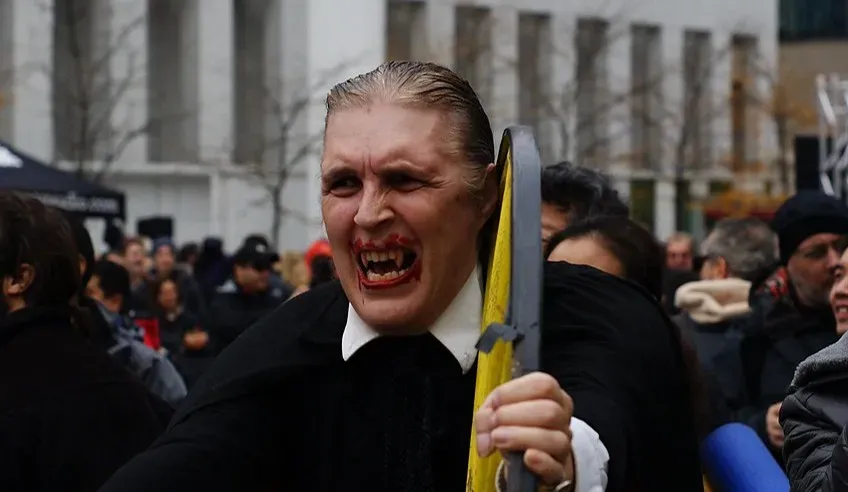
Some books stay quietly on shelves. Others refuse to leave the culture alone, spawning new versions of themselves decade after decade in mediums the original author never could have imagined. Bram Stoker’s 1897 novel Dracula is the clearest example of the latter, a Victorian horror story that somehow keeps finding new audiences through film, theater, and even a controller in someone’s hands.
The novel that started it all
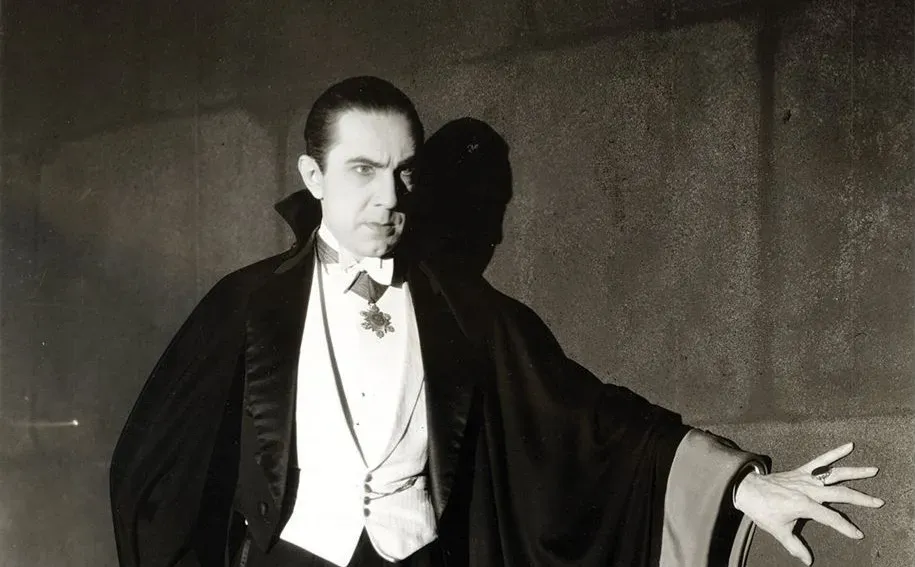
Bram Stoker published Dracula in 1897, telling the story through letters, diary entries, and newspaper clippings rather than a straightforward narrative. The epistolary format was unusual for horror fiction at the time, and it gave the book a documentary feel that made the supernatural elements land harder. Count Dracula, the Transylvanian nobleman who preys on Victorian London, became one of literature’s most recognizable villains almost immediately.
What’s often overlooked is how slowly the novel’s fame actually built. It sold respectably but not spectacularly during Stoker’s lifetime, and he died in 1912 without seeing the character become a global icon. The real explosion came later, once other artists began reshaping the story for their own mediums, and that reshaping never really stopped.
The stage play that came before Hollywood
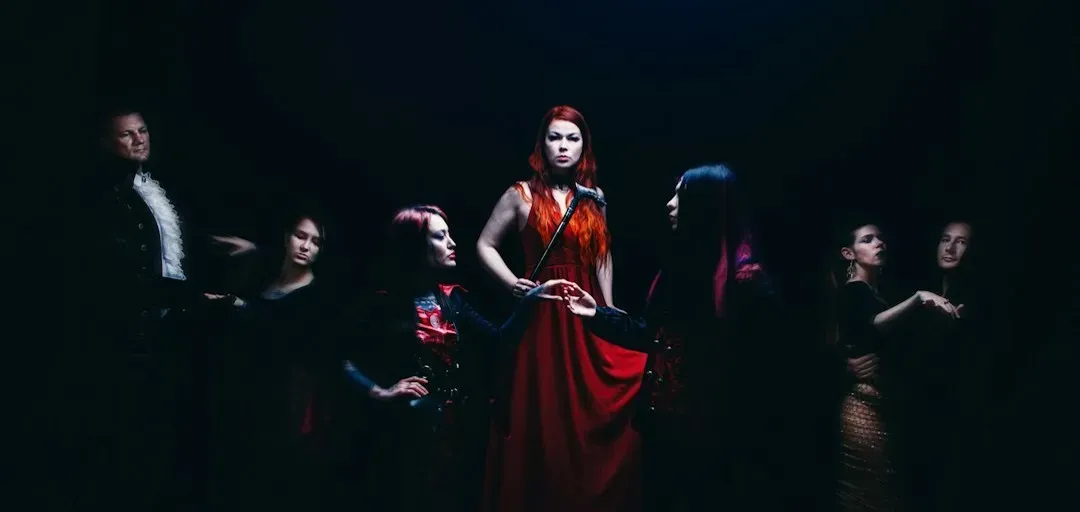
Dracula is a stage play written by the Irish actor and playwright Hamilton Deane in 1924, then revised by the American writer John L. Balderston in 1927, and it was the first authorized adaptation of Bram Stoker’s 1897 novel. This production mattered enormously because it established visual shorthand that later films would borrow wholesale, including the cape and the formal evening dress that became Dracula’s signature look. Without this stage version, the character might have looked and moved very differently on screen.
The play’s success on both sides of the Atlantic proved there was a paying audience hungry for the Count outside the pages of a book. That commercial proof is part of why Universal Pictures took a chance on a film adaptation just a few years later. Theater, in this case, acted as the bridge between page and screen.
The 1931 Universal film that defined the image
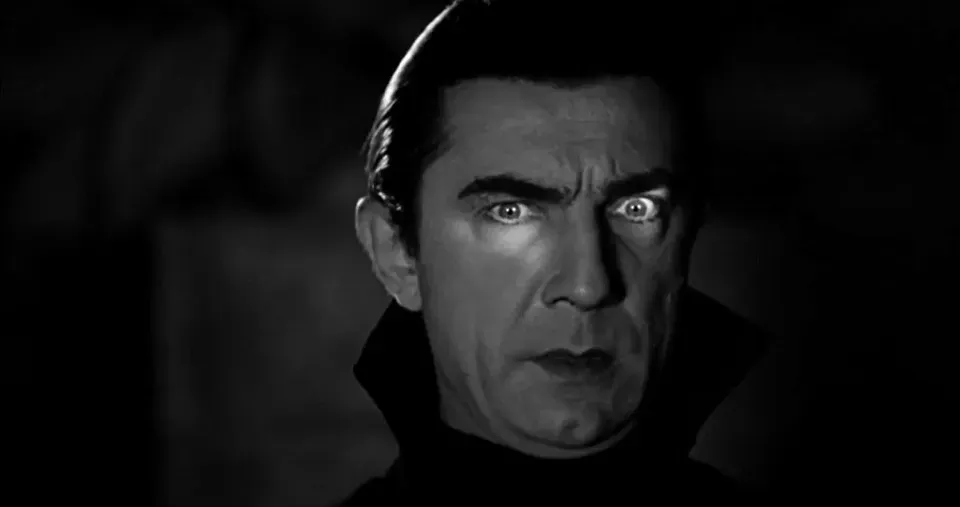
When Universal Pictures released its Dracula in 1931, starring Bela Lugosi, it drew directly from the Deane-Balderston stage version rather than the novel itself. Lugosi’s slow, accented delivery and hypnotic stare became the template that countless later vampires would either imitate or deliberately subvert. This film also kicked off Universal’s entire monster movie era, which shaped horror cinema for generations.
It’s worth noting how much the 1931 film simplified Stoker’s sprawling, multi-narrator plot into something leaner and more stage-bound. Many scenes feel static because they were essentially transplanted from theatrical blocking. Even so, the film’s commercial success guaranteed that Dracula would return to screens again and again, in increasingly different forms.
Bram Stoker’s Dracula, the 1992 film closer to the source
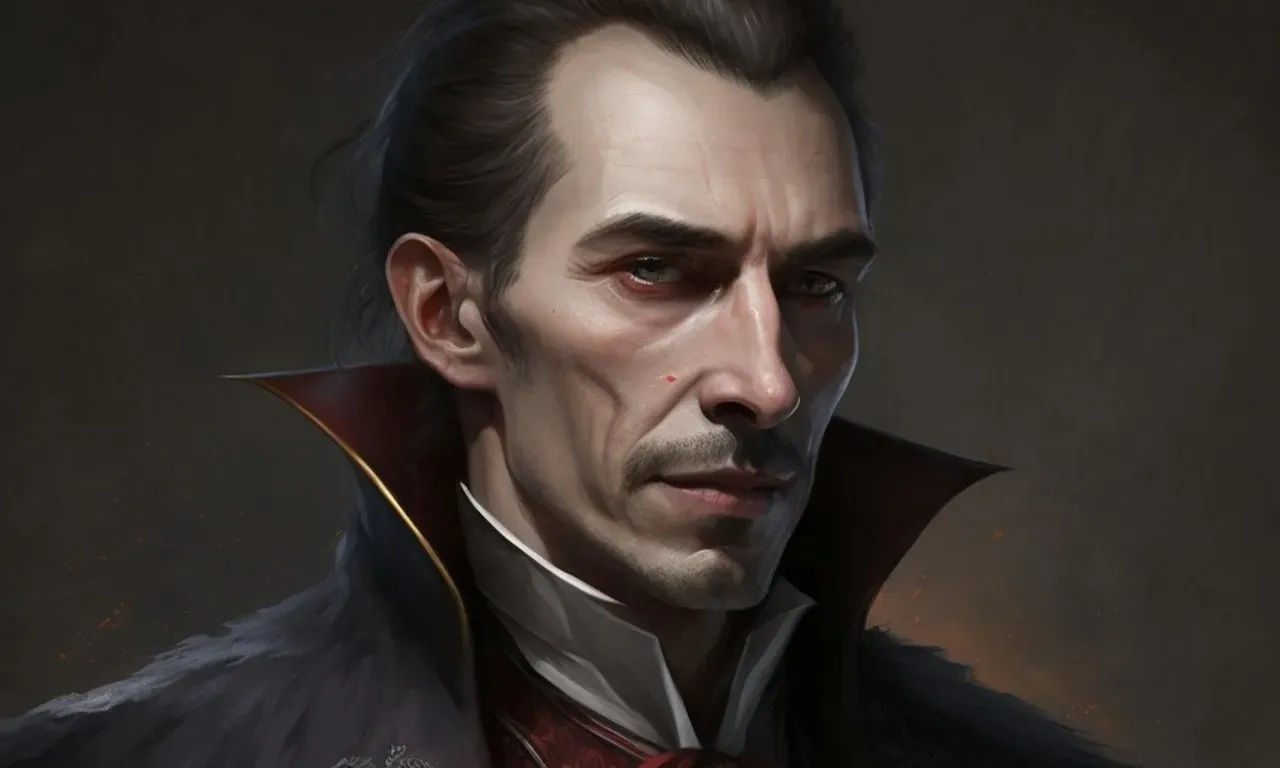
Francis Ford Coppola’s 1992 film, titled Bram Stoker’s Dracula, attempted something different from the Lugosi version. It leaned into the novel’s Gothic romanticism and gave the story a lush, operatic visual style, with Gary Oldman in the title role and a cast that included Winona Ryder and Anthony Hopkins. Coppola wanted audiences to feel the novel’s texture rather than just its scares, and the production design reflected that ambition heavily.
This film became a commercial hit and reintroduced Dracula to a new generation in the early 1990s. Its success is directly responsible for what came next, because a studio tie-in of this scale almost always spins off merchandise, and in the 1990s that increasingly meant video games.
How the 1992 film became a video game across nearly every console
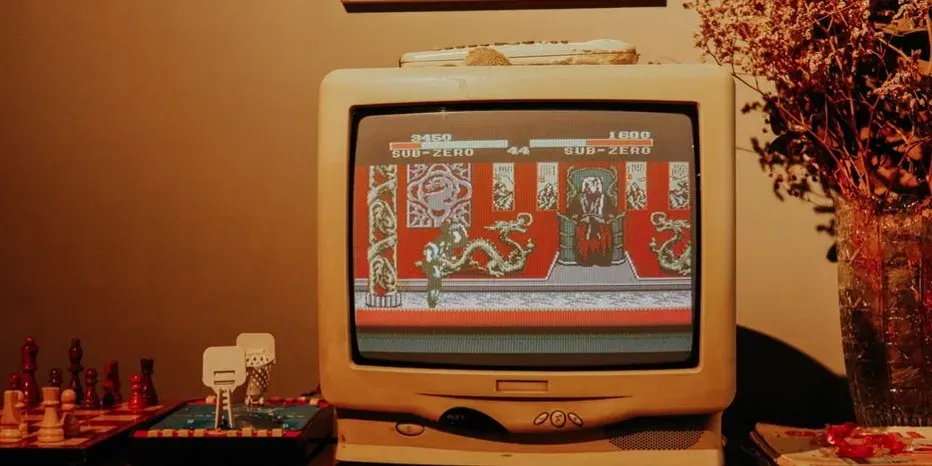
Bram Stoker’s Dracula is a 1993 video game released for the Mega Drive/Genesis, Nintendo Entertainment System, Super NES, Master System, Sega CD, Game Gear, MS-DOS, and Amiga, based on the 1992 film of the same name, which in turn is based on the 1897 novel Dracula by Bram Stoker. This was a genuinely unusual release strategy, since most versions shared the same basic structure while a few, particularly the Sega CD and MS-DOS editions, played completely differently from the rest. Most versions are platform games, while the Sega CD and Amiga releases are beat ’em ups, and the MS-DOS version is a first-person shooter.
In the game, the player takes on the role of Jonathan Harker, and throughout the levels Abraham Van Helsing helps Jonathan by providing advanced weapons, with the game itself belonging largely to the side-scrolling genre. Jonathan Harker travels through six different stages and fights various bosses, such as Lucy Westenra as a vampiress, Count Dracula’s three brides, Dracula’s coach driver, Dracula’s fire-breathing dragon, Renfield, and even Dracula himself in multiple forms. It’s a strange piece of gaming history precisely because it exists in so many parallel versions, each one a slightly different digital retelling of the same public domain plot.
The Game Boy version that barely resembled its source
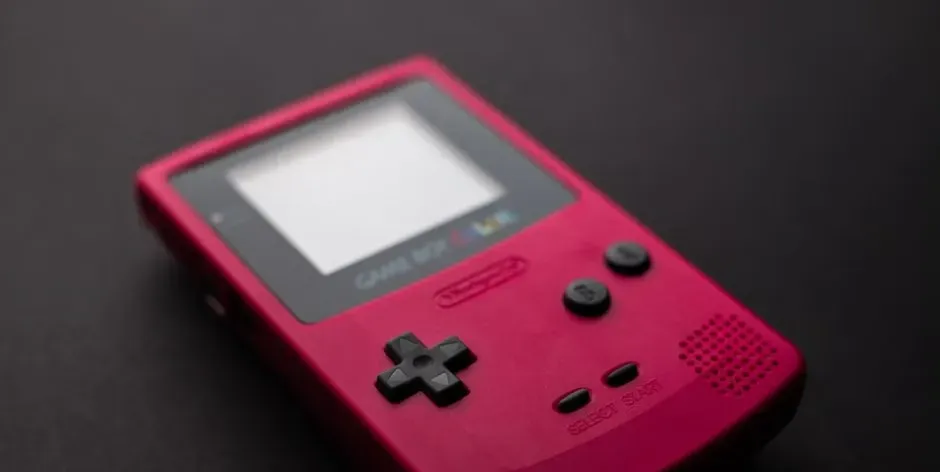
Bram Stoker’s Dracula for the Game Boy is a 1993 video game that bears a closer resemblance to platform games such as Super Mario Land than horror films. The player controls a young lawyer named Jonathan Harker, who must free himself from Dracula’s capture, follow him to London, and end his reign of terror. While based on the 1992 film of the same name, the game had very little to do with the actual movie.
Critics were not kind to this particular adaptation. Bram Stoker’s Dracula was voted to be the 21st worst video game of all time, according to FLUX magazine. It’s a reminder that not every jump between mediums lands gracefully, even when the source material has proven itself durable across a century of reinvention.
Castlevania and the wider gaming legacy Dracula inspired

Beyond the direct film tie-in games, Dracula’s influence spread into original gaming franchises that never claimed to be literal adaptations. Konami’s Castlevania series, running since the late 1980s, built an entire mythology around a vampire hunter clan battling Dracula through the centuries. Castlevania: Dracula X, titled Castlevania: Vampire’s Kiss in Europe, is a 1995 platform game developed and published by Konami for the Super Nintendo Entertainment System, and it is the second Castlevania installment released for the Super NES.
What’s notable about Castlevania is that it treated Stoker’s Count as raw material rather than a character to faithfully recreate. The games borrowed atmosphere, iconography, and the basic hunter-versus-monster structure while inventing their own extended universe. This looser kind of adaptation arguably did more to keep Dracula culturally present among younger audiences than any direct film tie-in ever could.
Dracula, the Musical and its rocky Broadway run
Dracula, the Musical is based on the original 1897 Victorian novel by Bram Stoker, with a score by Frank Wildhorn and lyrics and book by Don Black and Christopher Hampton. The show had its regional premiere at the La Jolla Playhouse in 2001, playing to over full capacity and earning the highest paid capacity for any world premiere production in the playhouse’s history, before it premiered on Broadway in 2004, starring Tom Hewitt as the vampire Count and Melissa Errico as Mina Harker.
The Broadway run did not go smoothly from a critical standpoint. The show ran for only 154 performances and received mainly negative reviews, though a brief nudity scene in which Dracula seduces Lucy Westenra received much publicity, as did the show’s numerous and spectacular special effects. One contemporary review from Variety was blunt about the production’s shortcomings, noting that the musical “frantically rattles the old bones of Bram Stoker’s novel without generating a moment of suspense, horror, romance or even vague interest.”
The musical’s surprising international afterlife
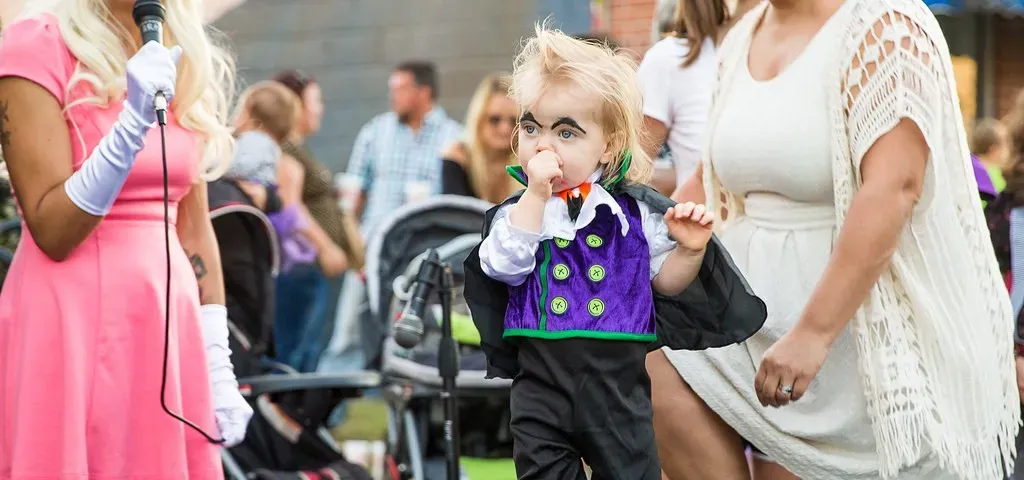
Despite its rough Broadway reception, Dracula, the Musical found something like a second life overseas. Productions have continued running in various countries for years afterward, with staged versions appearing in cities across Europe and Asia well into the 2020s, according to production listings tracking the show’s history. South Korea in particular has hosted repeated runs of the musical, suggesting audiences there responded to the material in ways American theatergoers did not.
This pattern, a work flopping in its original market before thriving elsewhere, isn’t unique to Dracula, but it’s a useful reminder that critical consensus in one country rarely settles a piece of art’s fate everywhere. The musical’s survival, even in a diminished and touring form, keeps Stoker’s novel circulating through yet another performance medium decades after its Broadway closing.
Why one Victorian novel keeps generating new adaptations
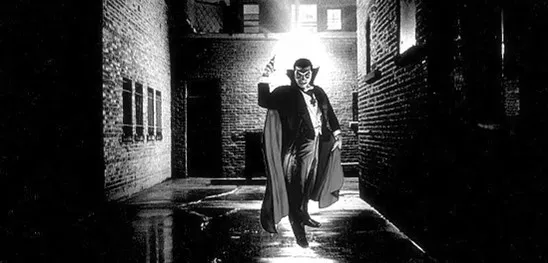
Part of Dracula’s staying power comes from a legal accident rather than pure artistic merit. Stoker’s failure to properly secure American copyright meant the novel entered the public domain relatively early in the United States, making it free for anyone to adapt without paying royalties or seeking permission. That single administrative slip opened the floodgates for film studios, game developers, playwrights, and composers to build on the material without negotiating with an estate.
The other half of the explanation is simpler. The core premise, an ancient predator hiding among modern people, is flexible enough to fit horror films, romantic musicals, side-scrolling action games, and gothic role-playing adventures without losing its shape. Few nineteenth century novels offer that same combination of open legal access and adaptable structure, which is exactly why this one keeps resurfacing in unexpected corners of pop culture.
Final thoughts