
Some of the most famous songs in rock history were mapped out for months, tested in front of focus groups, or fought over by committees of producers. This one wasn’t. It came together in a converted cinema in the Swiss Alps, born from a chance visit that could easily have ended with a polite handshake and nothing more. What actually happened over those hours in the summer of 1981 involved clashing personalities, a nearly forgotten bassline, and at least one moment where the whole project threatened to collapse before it ever reached a record store shelf.
A chance encounter in the Swiss mountains

In July 1981, Queen was working on their tenth studio album, Hot Space, at Mountain Studios in Montreux, a lakeside facility on the shores of Lake Geneva that the band loved so much they eventually bought it outright. During their most prolific decade in the 1970s, Queen spent much of their time songwriting at the small Mountain Studios in Montreux, Switzerland, and they loved the space so much that the band bought the studios. David Bowie happened to be living nearby, in the town of Vevey, and was booked into the same building.
Bowie was at Montreux’s Mountain Studios recording his vocals for the Cat People movie theme song with co-producer and co-writer Giorgio Moroder, with Queen working in an adjacent room on their own record. It wasn’t a planned superstar summit arranged by managers or record labels. It was closer to neighbors bumping into each other, except the neighbors happened to be two of the biggest acts on the planet.
A song called Cool Cat that never made it
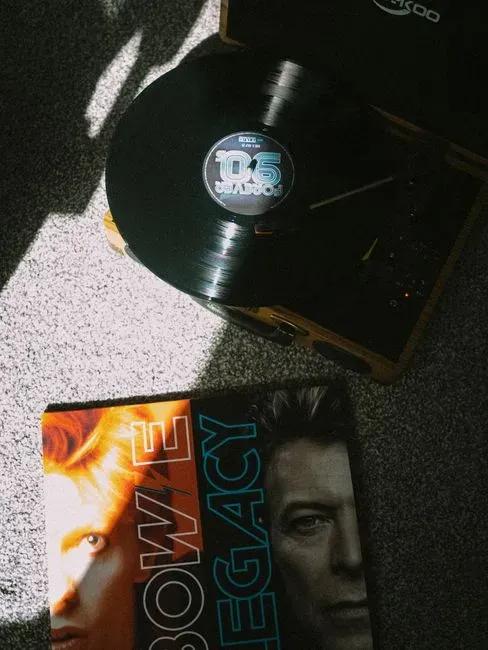
The very first thing Bowie contributed to the sessions wasn’t the song everyone remembers. Bowie sang backing vocals for Queen’s song “Cool Cat,” but his vocals were removed from the final song because he was not satisfied with his performance. That near miss is easy to overlook now, but it’s worth pausing on: the collaboration could have ended right there, with a discarded vocal take and nothing else to show for it.
Instead, the two camps kept talking and playing. The original idea was that Bowie would contribute backup vocals on the song “Cool Cat,” but things changed rather quickly. What followed wasn’t a second planned session, it was an evening that drifted, almost by accident, into something far bigger.
The all-night jam that started as fooling around

According to Roger Taylor’s account in Mark Blake’s book on Freddie Mercury and Queen, the night began with nothing more ambitious than covering songs for fun. “David came in one night and we were playing other people’s songs for fun, just jamming,” and eventually, “in the end, David said, ‘This is stupid, why don’t we just write one?'” That single line changed the direction of the entire evening.
Brian May has described the atmosphere as loose and collaborative at first. “We had fun kicking around a few fragments of songs we all knew,” and “we all brought stuff to the table,” including a heavy riff in D that May had been carrying around in his head. There was no script, no producer’s timetable, just five musicians deciding on the spot to build something from scratch.
John Deacon’s riff and the meal break that almost erased it

The song’s most recognizable element, the seven-note bass figure that opens the track, came from Queen’s famously quiet bassist John Deacon. Queen’s bassist John Deacon played a simple, pulsing bass figure that immediately seized the room’s attention. It became the backbone the entire song was built around.
What almost derailed things was a dinner break. Roger Taylor stated that Deacon did indeed create the bassline, playing it over and over during the sessions, but when the band returned from dinner, Deacon misremembered the riff, while Taylor was still able to remember it. Had Taylor’s memory failed too, the riff that would later anchor one of rock’s most sampled basslines might have simply vanished.
Singing blind: the vocal booth experiment
Once the backing track existed, Bowie proposed an unusual approach to the vocals. Brian May recalled the backing track being finished, then Bowie suggesting they each go into the vocal booth and sing how they thought the melody should go, off the top of their heads, to compile a vocal from that. It was an avant-garde method that Queen hadn’t used before.
The blind approach added an extra layer of unpredictability. Bowie also insisted that he and Mercury shouldn’t hear what the other had sung, swapping verses blind, which helped give the song its cut-and-paste feel. That patchwork technique is why the finished vocal has such a spontaneous, almost conversational quality between the two singers.
Bowie seizes control of the lyrics
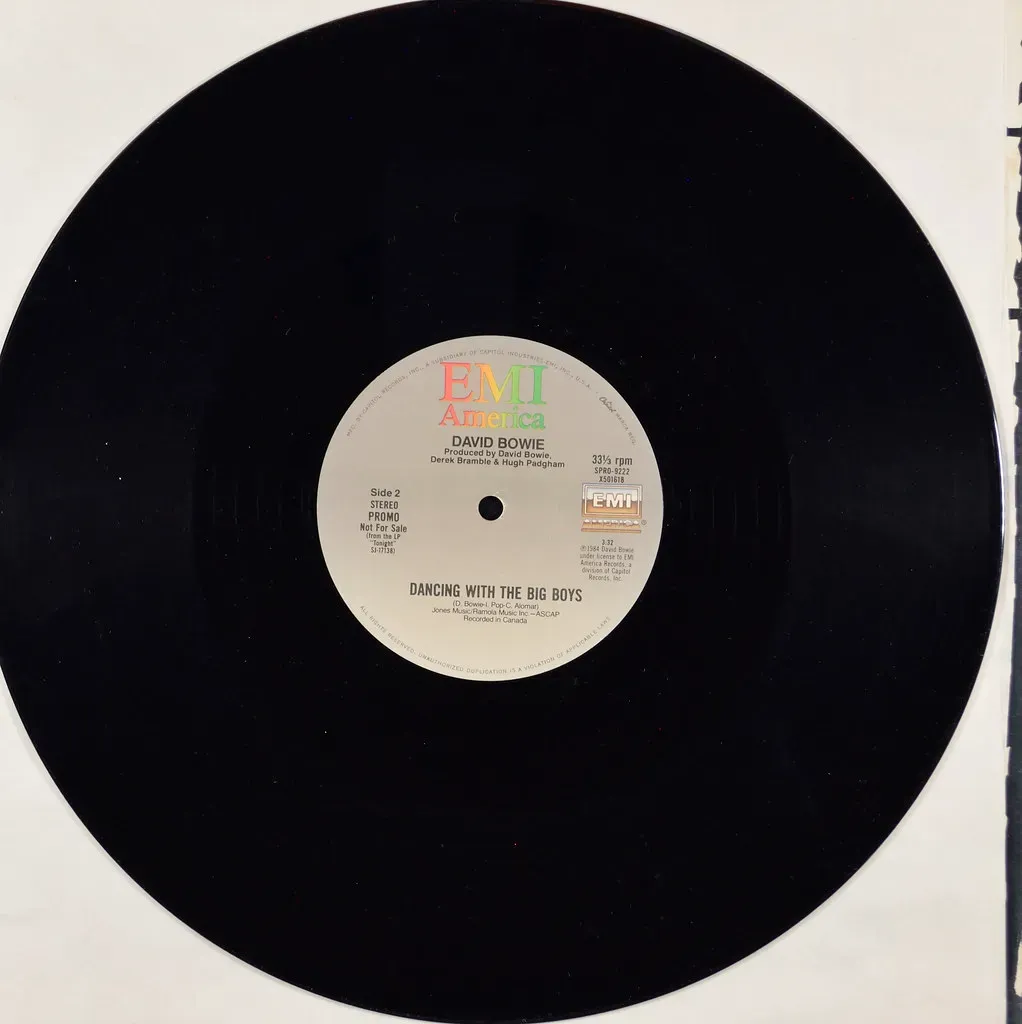
The morning after the marathon jam, Queen expected to keep refining their rough mix, provisionally titled “People on the Streets.” Bowie had other plans. The next morning, Queen was prepared to continue working through the rough draft, but Bowie stepped in, telling them he wanted to take the track over because he knew what he wanted it to be about. The band, unusually for them, let him.
Brian May has been candid about how out of character that was for the group. May admitted the behavior wasn’t typical of Queen, saying it was unusual for them all to relinquish control like that, but that Bowie was having a genius moment because it produced a very telling lyric. The title itself shifted in the process, moving from the original working phrase toward the line that now defines the song.
A mixing fight that divided the room

Finishing the lyrics didn’t end the tension. The mix itself became a battleground, with Freddie Mercury and Bowie disagreeing sharply on the final sound. Brian May said looking back, it’s a great song, but it should have been mixed differently, adding that Freddie and David had a fierce battle over that. May stepped away from that particular fight entirely.
He later explained his decision to withdraw from the mixing sessions. May said he thinks it’s probably the only time in his career he bowed out, because he knew it was going to be a fight. With two forceful personalities pulling in different directions, someone had to give ground, and it wasn’t going to be either Mercury or Bowie.
Bowie’s threat to block the release
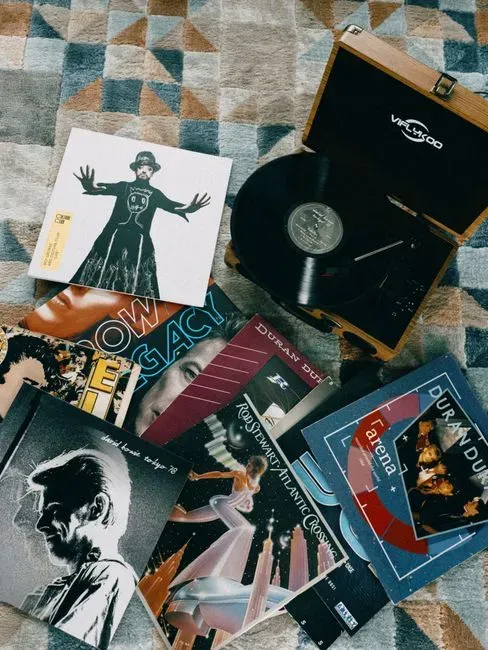
Even after the song was recorded and mixed, its release wasn’t guaranteed. At one point Bowie threatened to block the release of the song, but it was issued to the public on October 26, 1981. That threat, whatever prompted it, was serious enough to be remembered decades later by people close to the sessions.
There was also genuine uncertainty from both camps about whether the track was even good enough to put out. Queen and David Bowie weren’t even sure if they wanted to release “Under Pressure” at all, though the record labels clearly weren’t going to sit on it. It’s a strange footnote for a song that would go on to become one of the most enduring collaborations in popular music.
Chart success and a legacy bigger than the drama
Once released, the song moved quickly. “Under Pressure” was released as a single on October 26, 1981, entering the charts at number eight before going to number one a week later. It was only Queen’s second UK singles chart topper and the first since “Bohemian Rhapsody” nearly six years earlier. In the United States, the reception was more modest.
In the US, the song reached number 29, not particularly impressive, but nonetheless Bowie’s best chart placing since “Golden Years” almost six years before. The two artists never performed it together live before an audience, not even at Live Aid where both appeared on the same bill. The closest fans came to hearing Bowie perform the song with Queen was without Freddie, when Annie Lennox sang it with the band and Bowie at the Freddie Mercury Tribute Concert in 1992.
Final thoughts
What’s striking about the whole story is how little of it was planned. A song that now shows up on lists of the greatest collaborations ever recorded almost didn’t happen at all, and even after it existed, it nearly didn’t get released.
The tension between Mercury and Bowie, the misremembered bassline, the mixing fight, none of it derailed the track in the end. If anything, that friction seems baked into the finished recording, which still sounds like two artists pushing against each other rather than simply agreeing.