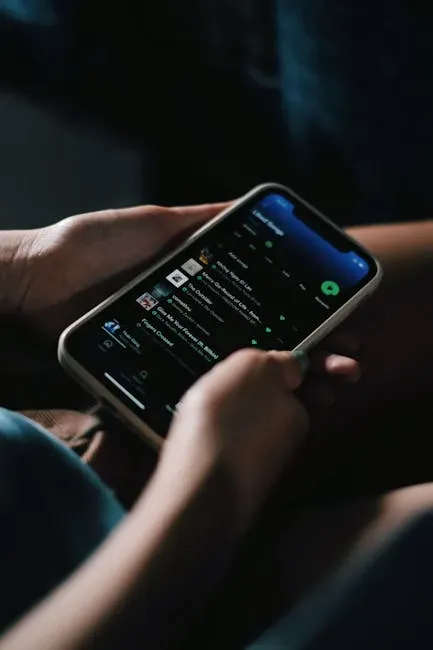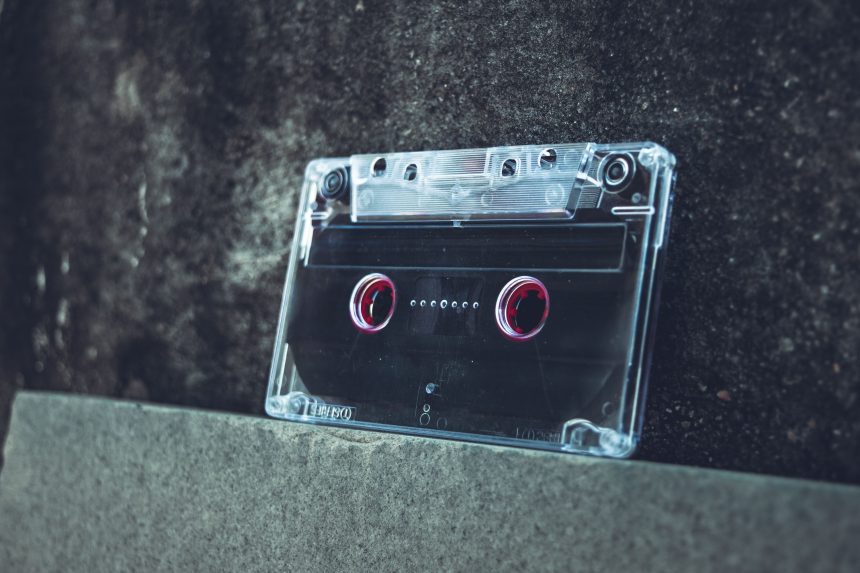
There was a time when giving someone music took planning. You had to sit with a stack of records or a stereo tuned to the radio, finger hovering over the record button, waiting for a DJ to stop talking so you could catch the song from the first note. It sounds almost quaint now, in an age when a playlist can be assembled in under a minute by tapping a few icons, but that slowness was the whole point.
The physical labor of making something for someone
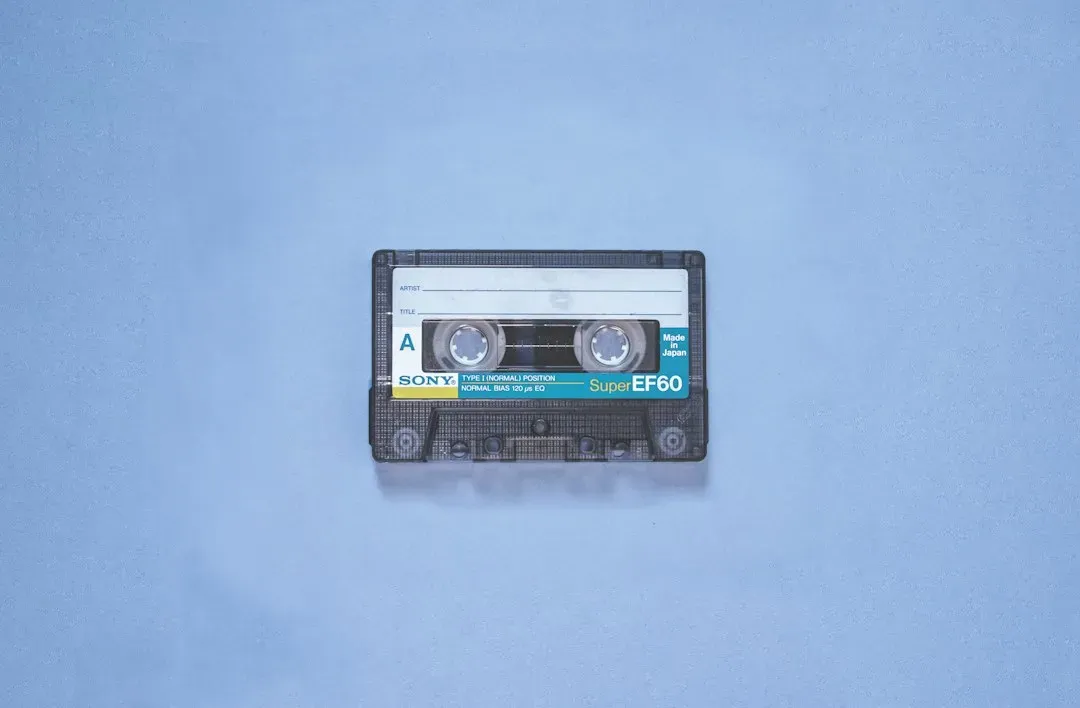
Making a mixtape was never a passive act. It demanded a cassette deck, blank tape, and often a second machine to dub from vinyl or another cassette, all while timing each track so it wouldn’t cut off mid-chorus. A mixtape was a compilation of songs recorded in a specific order, and by the 1980s, seamless mixtapes made through beatmatching became more popular. That kind of care left fingerprints on the final product in a way that dragging a song into a digital folder never could.
The effort itself became part of the message. Mixtapes were more than just collections of songs; they were a form of communication and self-expression that could convey emotions, tell a story, or serve as a gift, and the effort and thought put into making one made it a highly personal and meaningful gesture. A streaming playlist assembled in a few clicks simply doesn’t carry that same weight, no matter how good the songs are.
A tape could only hold what you chose to protect
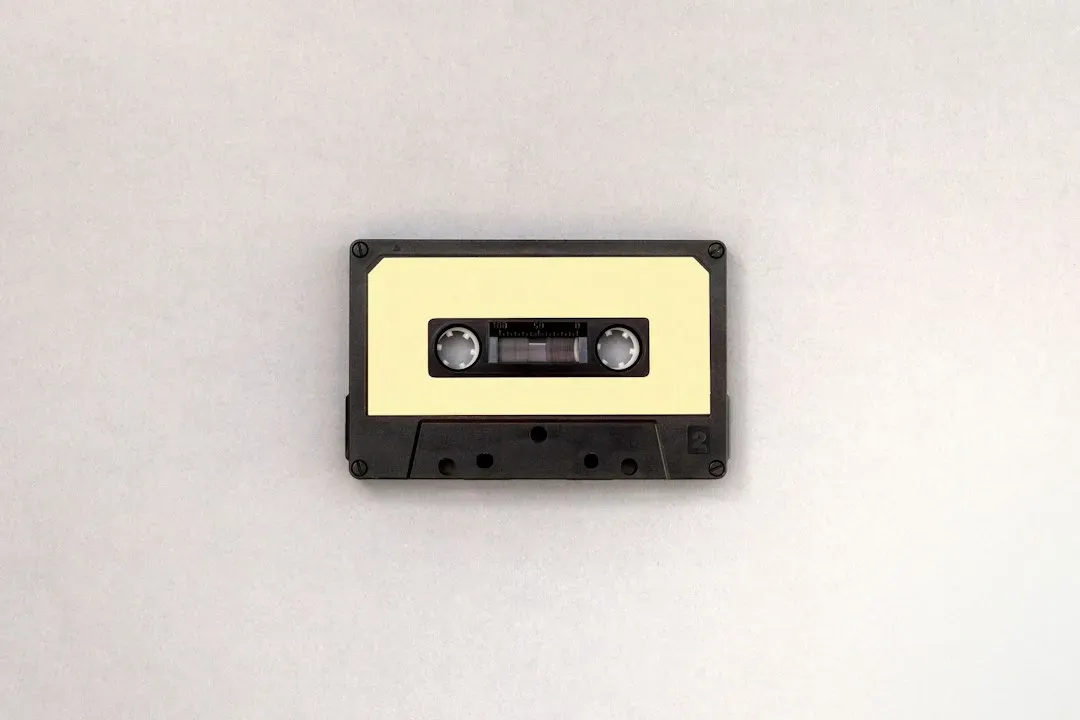
Cassettes had hard limits, usually forty five or sixty minutes a side, and that scarcity forced real decisions. You couldn’t just throw twelve hours of songs at someone and call it a gift. Every track had to earn its spot, which meant the person making the tape was constantly asking themselves what actually mattered enough to include.
That constraint is largely gone now. Streaming libraries hold tens of millions of songs, and a playlist can run for days without anyone noticing the length. The unlimited nature of digital music is convenient, but it also removes the pressure that once forced real curation rather than just piling on more tracks.
Sequencing was storytelling, not shuffling
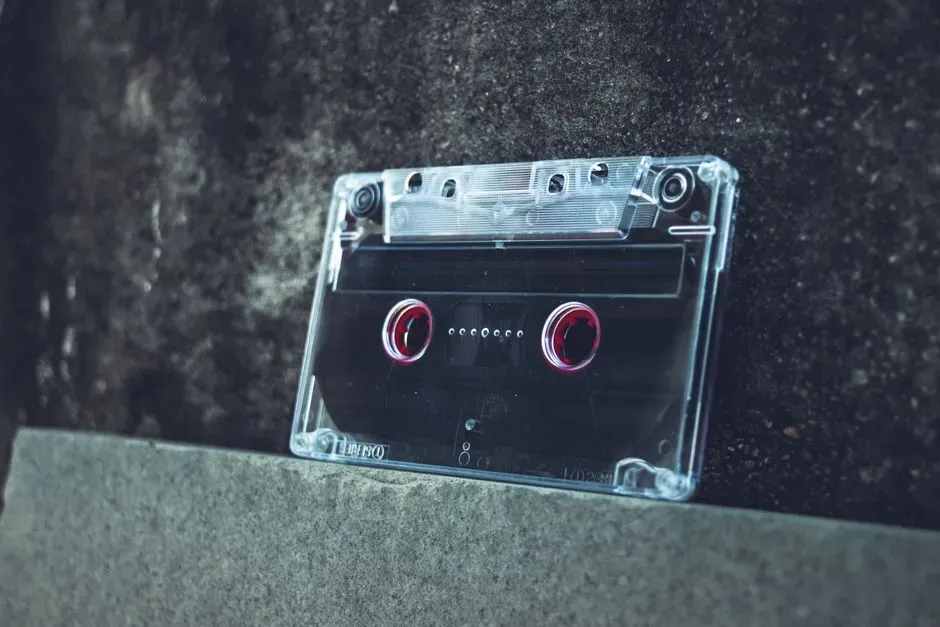
Order mattered on a mixtape in a way it rarely does today. Side A opened with something that grabbed attention, the middle built a mood, and the closing track was often chosen specifically because it was the last thing the listener would hear before flipping the tape or ejecting it. Essayist Geoffrey O’Brien called the personal mixtape the most widely practiced American art form, noting that carefully selecting and ordering tracks could create an artistic statement greater than the sum of its individual songs.
Streaming apps often default to shuffle, and even curated playlists get reordered by algorithms based on what keeps a listener engaged longest. The intentional arc that a mixtape maker built, track by track, gets flattened into whatever sequence keeps someone from closing the app. That’s a fundamentally different goal than telling a story.
Mixtapes were built by people, not by prediction models
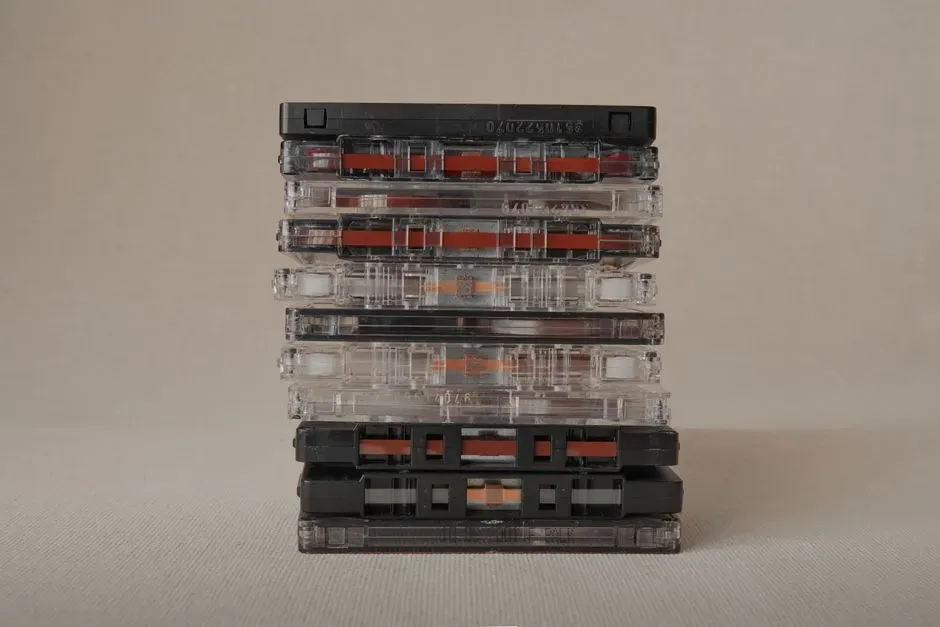
The person who made your tape knew you, or at least knew what they wanted you to think they knew. There was no algorithm guessing your taste based on skip rates or listening history, just someone’s actual judgment about what song should follow another. That human fallibility, the odd choice that didn’t quite fit but somehow made sense once you understood the person, was part of the charm.
Modern recommendation engines work very differently. Discover Weekly is a personalized playlist Spotify generates for each user every Monday, built by analyzing a listener’s full history of what they play, skip, and save, then cross-referencing that with listeners who share similar patterns. It’s effective at finding songs a listener might like, but it’s optimizing for engagement metrics rather than trying to say something to a specific person.
Hip hop turned tapes into an underground distribution network
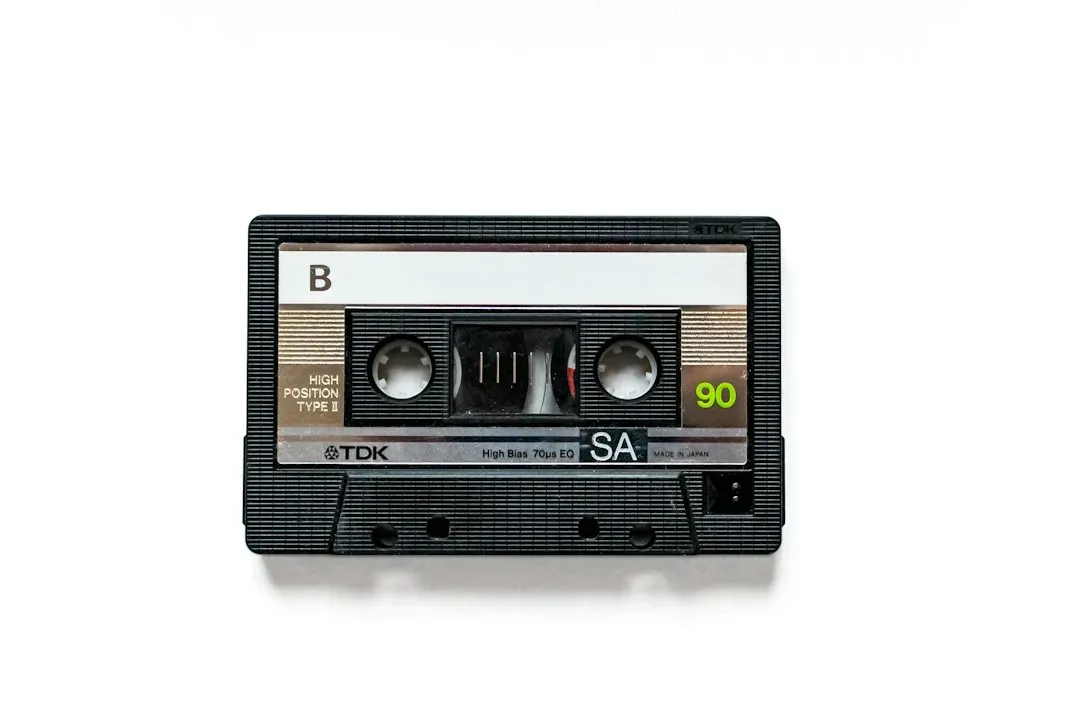
Long before streaming existed, mixtapes were how entire genres reached audiences that radio and record labels ignored. In the early 1980s, hip hop was not on the radio, record labels hadn’t figured out what to do with it, and mainstream stations weren’t playing it, yet the music was spreading anyway through hand dubbed cassette tapes passed between neighbors, carried on the subway, sold out of backpacks and car trunks. A tape recorded at a Bronx block party could be in another neighborhood within days.
One curator recalled that if a party happened on a Friday or Saturday, the mixtapes would already be circulating in his neighborhood by Monday. That speed had nothing to do with servers or bandwidth. It ran entirely on word of mouth, dubbing decks, and people who cared enough to make copies for friends, which gave the format a communal, almost activist energy that a corporate streaming platform was never built to replicate.
The mixtape doubled as a diary and a love letter
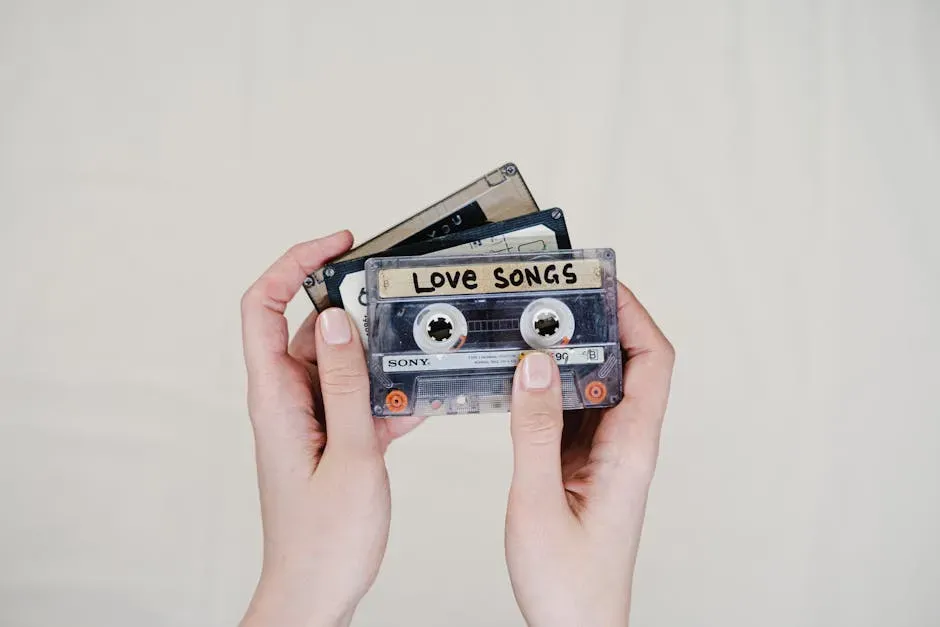
People used mixtapes to say things they couldn’t say out loud. A tape handed to a crush, a friend going through a breakup, or a sibling moving away carried an emotional subtext that the track list alone couldn’t fully explain. Childhood sweethearts would exchange tapes with songs that would spell out a special message.
That kind of coded communication required knowing someone well enough to guess what a specific song would mean to them. A shared streaming playlist can feel personal too, but it rarely carries the same risk or vulnerability, since building it usually takes minutes rather than hours of deliberation. The stakes were higher when the format itself demanded commitment.
Streaming platforms optimize for retention, not intimacy
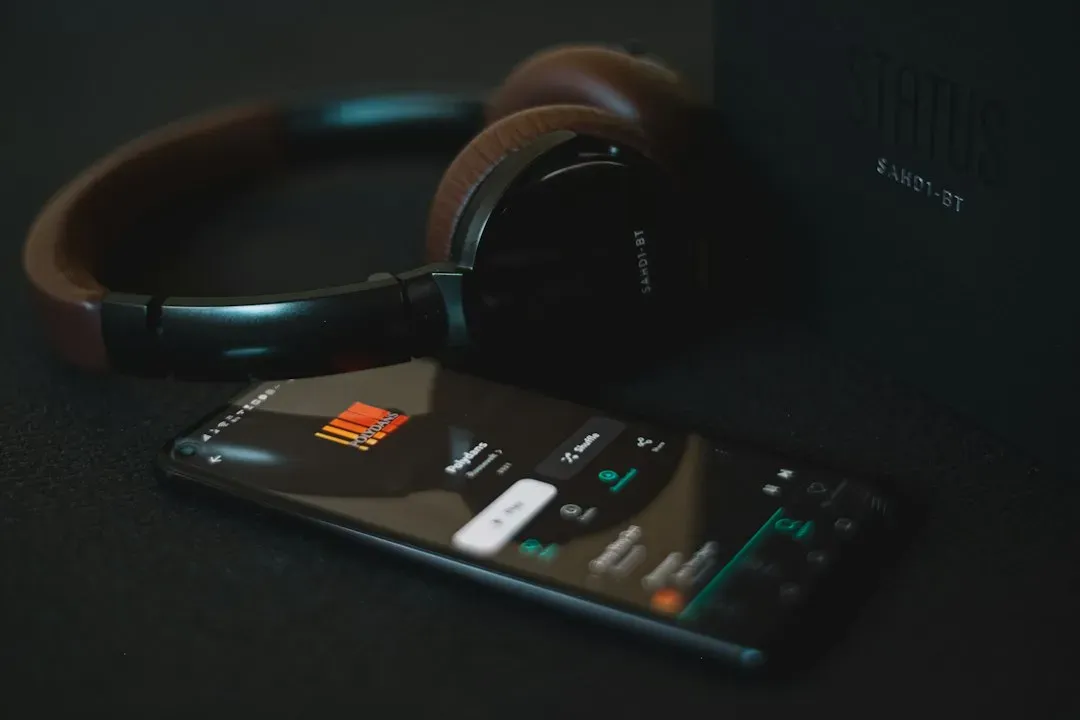
It’s worth being honest about what streaming playlists are actually designed to do. Spotify’s recommendation engine runs on listener behavior signals, watching in the first day or two after a release how many listeners save a track, how many finish it, how many come back to it, and how many skip early, with strong signals widening distribution from there. That system is built to keep people listening longer, not to help one person say something meaningful to another.
Streaming services also track skip rate and save rate closely, since high skip rates signal poor engagement to the discovery algorithm. Those are useful business metrics, but they have nothing to do with intimacy or care. A mixtape never had to justify its existence through completion rates.
The pirated, DIY spirit gave mixtapes a rebellious edge
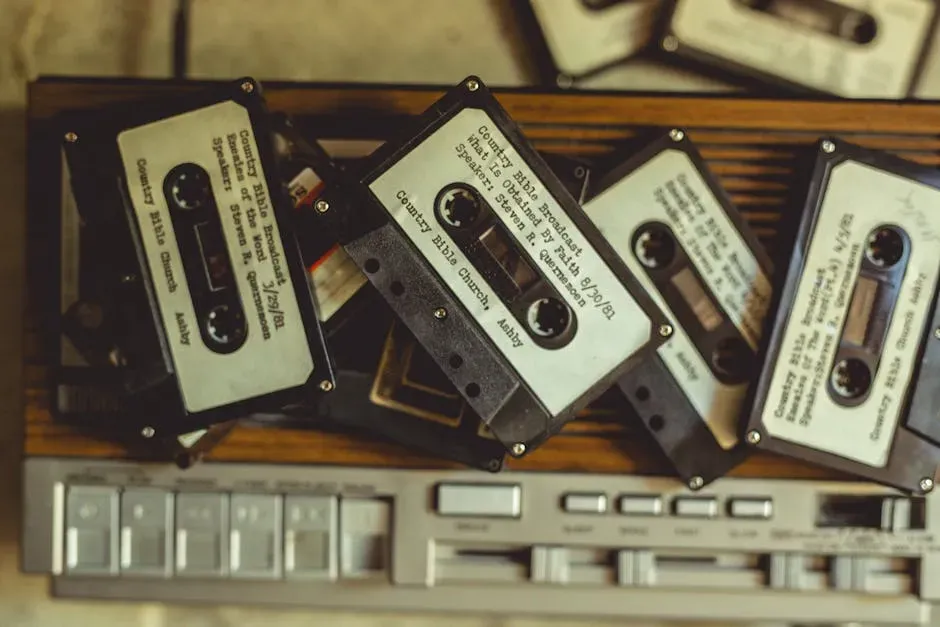
Mixtapes existed largely outside official channels, which gave them a slightly illicit charm that sanctioned streaming playlists can’t recreate. Mixtapes were, of course, pirated music in the 1970s and 1980s, and they caused their own set of issues in the music industry, making some kind of evolution inevitable if the concept was to survive. That friction with the industry was part of what made them feel authentic rather than curated by a corporation.
The cassette tape was scorned by the record industry for supposedly killing music, yet it rippled through scenes corporations couldn’t control, and for many people tapes meant freedom to create, invent, and connect. A streaming playlist, by contrast, exists entirely within the industry’s own infrastructure. It’s sanctioned, tracked, and monetized in ways a bootleg cassette never was, which changes the emotional texture of the thing even if the songs themselves are identical.
Effort created value in a way convenience never can
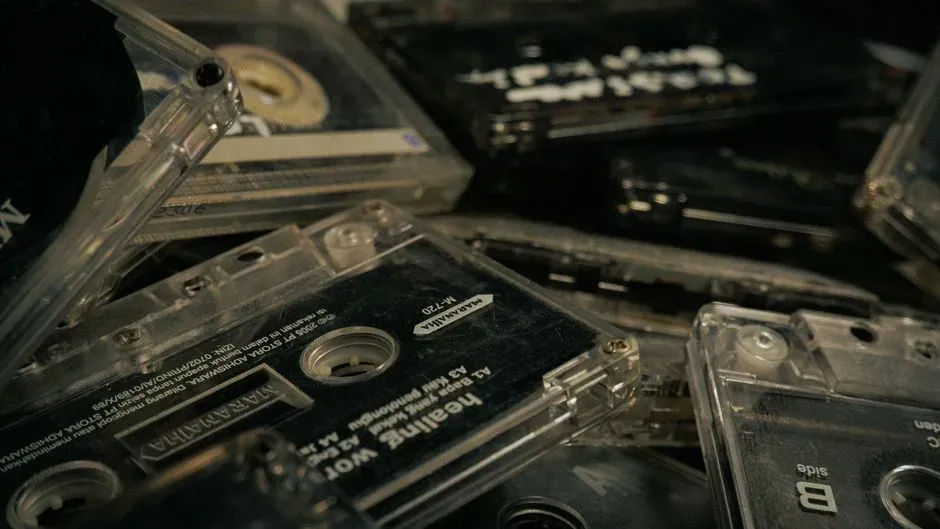
There’s a simple economic truth buried in all of this. Things that take effort to produce tend to feel more valuable to both the giver and the receiver, and mixtapes were built almost entirely on effort. Cueing a tape, timing a recording, writing out a tracklist by hand on the cassette insert, all of it took time that could have been spent doing something else.
Streaming removed nearly all of that friction, and friction, as it turns out, was doing more work than anyone realized. A playlist built in ninety seconds communicates something different than a tape that took an entire evening to assemble, even if both contain the exact same twelve songs. The effort itself was a form of respect.
What survives when the format disappears
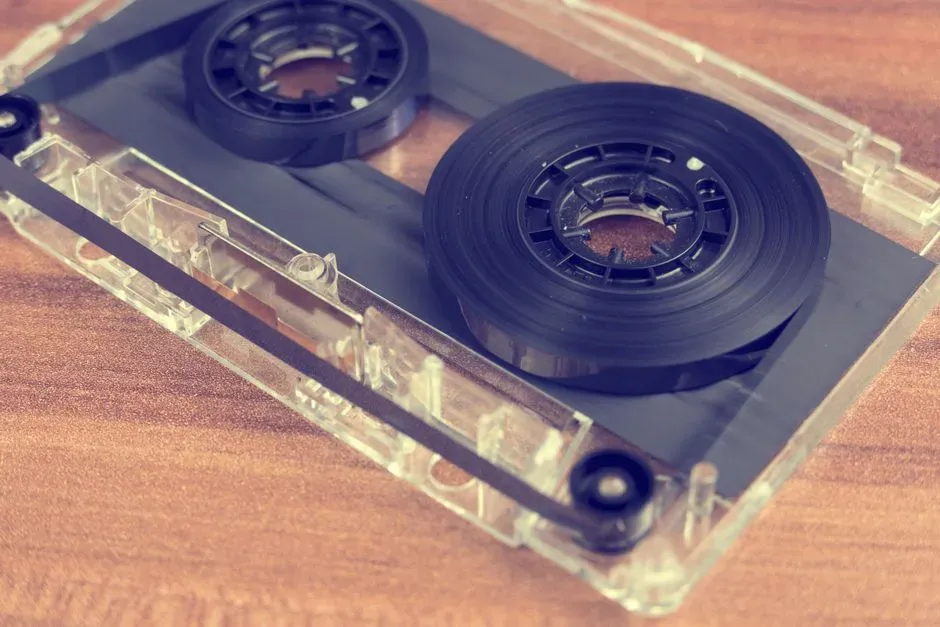
Cassettes themselves have made a modest comeback in recent years, driven partly by nostalgia and partly by artists releasing music on the format deliberately. The cassette tape reached the height of its popularity in the 1980s and has become relevant again, with major and independent labels releasing music in the vintage format, and mainstream artists including Billie Eilish, Lady Gaga, and Beyonce taking part in the revival. That resurgence isn’t really about sound quality, since cassettes are objectively worse than digital audio in almost every technical way.
What people are chasing is the feeling, not the fidelity. The mixtape was never really about the tape itself, it was about the decision to say something through music that felt too big or too fragile to say any other way, and that impulse didn’t disappear when cassettes did, it just found new containers. Streaming playlists are one of those new containers, but they carry the impulse without the friction that once made it meaningful.
The lasting difference between curation and calculation