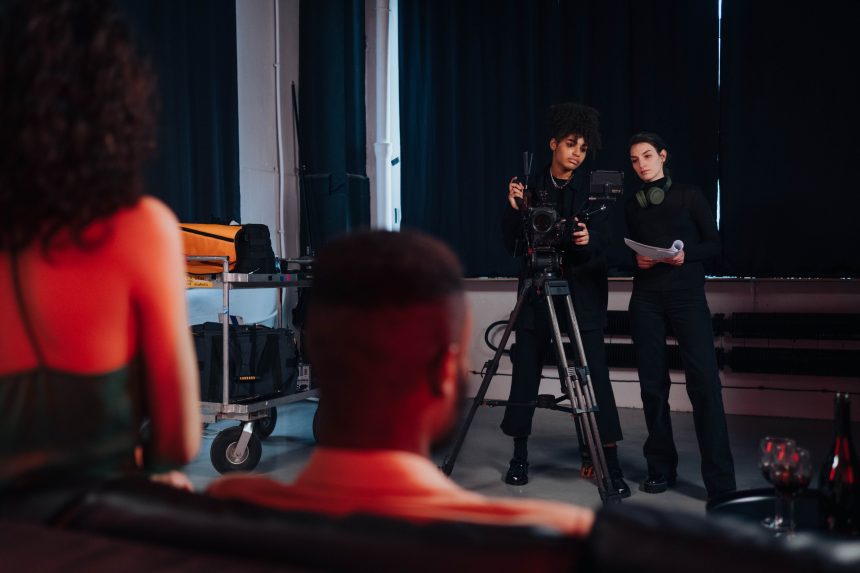
There’s a strange gap in how fame actually works in Hollywood. Some actors trend on social media for a single red carpet appearance, while others have quietly built decades-long careers worth millions, and most casual viewers couldn’t pick them out of a lineup. The industry has its own private hierarchy, one that runs almost parallel to the tabloid version most people know.
Spotting the difference takes a bit of pattern recognition. Below are four telltale signs that separate a genuinely successful actor from someone who just seems successful because their face popped up in a trailer once.
1. The same acclaimed directors keep hiring them, project after project

When a filmmaker builds a recurring ensemble, that’s rarely a coincidence. It usually means the actor is dependable, versatile, and trusted enough to be handed material without much hand holding. Phillip Baker Hall appeared in several Paul Thomas Anderson films including Magnolia, Boogie Nights, and Hard Eight, Stephen Root has frequently worked with the Coen Brothers, and Keith David rose to prominence through his collaborations with John Carpenter. That kind of loyalty from top tier directors is a quiet vote of confidence that outsiders rarely notice.
These actors exist in a peculiar middle ground between household name recognition and total anonymity, reliably skilled and ever present in prestige film and television, seldom the focal point of a story and only recognizable by sight. Being a director’s go-to performer for fifteen or twenty years often pays better and lasts longer than one flashy leading role ever could. If you notice the same face turning up in every film from a particular director, that’s usually not luck. It’s a career built on trust that took years to earn.
2. They quietly run a production company with a studio deal behind it
Fame in front of the camera is one thing. Leverage behind it is another, and it’s the kind of success that almost never makes headlines. Studios and streamers routinely sign actors to first-look or overall deals, arrangements where the actor’s own production banner gets priority access to a network’s development slate, and it’s a strong signal of industry weight rather than public buzz.
Joey King, known most recently for starring in Netflix’s The Kissing Booth, works with Netflix under a first-look deal that covers movies from her production company, All The King’s Horses. On a similar note, Jessica Biel and Michelle Purple’s Iron Ocean Productions signed a first-look television deal with Paramount. Deals like this rarely trend online, but they represent the kind of long-term financial security and creative control that most working actors never get close to.
3. Their voice is instantly recognizable, even when their face isn’t

Voice work is one of the most underrated corners of the acting business, largely because the audience never sees the performer’s name in lights. Yet the pay scale at the top tier can rival, or even exceed, what many on screen actors earn. Top tier performers like the Simpsons voice actors earn up to $400,000 per episode, a figure that would surprise most people who couldn’t name a single cast member.
The same pattern shows up in gaming. Video game voice actors such as Charles Martinet and Nolan North are instantly recognisable when they appear in other video game franchises, and have received notoriety, high salaries, and greater opportunities from voice acting in these projects. Someone whose voice has carried a beloved character across multiple hit games or shows for years is often a far bigger industry success story than a face you half remember from one movie. It’s fame measured in ears, not eyes, and it’s every bit as real.
4. They’ve built ventures that don’t depend on their celebrity to survive

There’s a particular kind of financial confidence that comes from not needing to be famous anymore, and it tends to show up in the side businesses actors choose to pursue. Restaurants, product lines, and production ventures that would collapse under intense tabloid scrutiny somehow thrive when the actor behind them is a respected character player rather than a paparazzi target.
These business ventures pose no threat to actors like Danny Trejo because they’re insulated from the tabloid-driven pressures of true movie stardom, in a way that something like a splashy restaurant venture would likely damage a leading man’s credibility in a blockbuster franchise. That freedom to build something outside the spotlight, without worrying about headlines, is often a sign of an actor who has already achieved real financial security through decades of steady, well-compensated work. It’s success measured in stability rather than attention, and it’s arguably the hardest kind to spot from the outside.
None of these signs show up on a magazine cover, which is exactly the point. Directors don’t publicize their trusted ensembles, studios rarely trumpet a first-look deal outside trade publications, voice credits get buried in the fine print of the end scroll, and side businesses succeed quietly precisely because nobody is watching too closely. Recent developments only reinforce how much of this value now runs through the fine print of contracts rather than the spotlight. The union’s main priorities going into the 2026 negotiations included bolstering protections against artificial intelligence recreating actors’ likenesses, along with securing improved long-term residual payments for re-aired shows, a reminder that a working actor’s real earning power today often comes from residuals, voice work, and production credits that never make it into a tabloid headline. The next time a face on screen feels oddly familiar without a name attached, it might be worth remembering that stealth fame is often the more durable kind.