When a film wraps, the images on the memory cards rarely look like the finished movie. Many cameras record flat, low contrast footage on purpose, so that the most information survives for later. The person who turns that raw material into something an audience recognizes as a “film look” is the colorist.
It’s a job that sits between technology and taste. Colorists work in a darkened suite, often beside the director and cinematographer, and shape mood, clarity and continuity shot by shot. Here’s how that work actually happens.
Starting With Technical Normalization
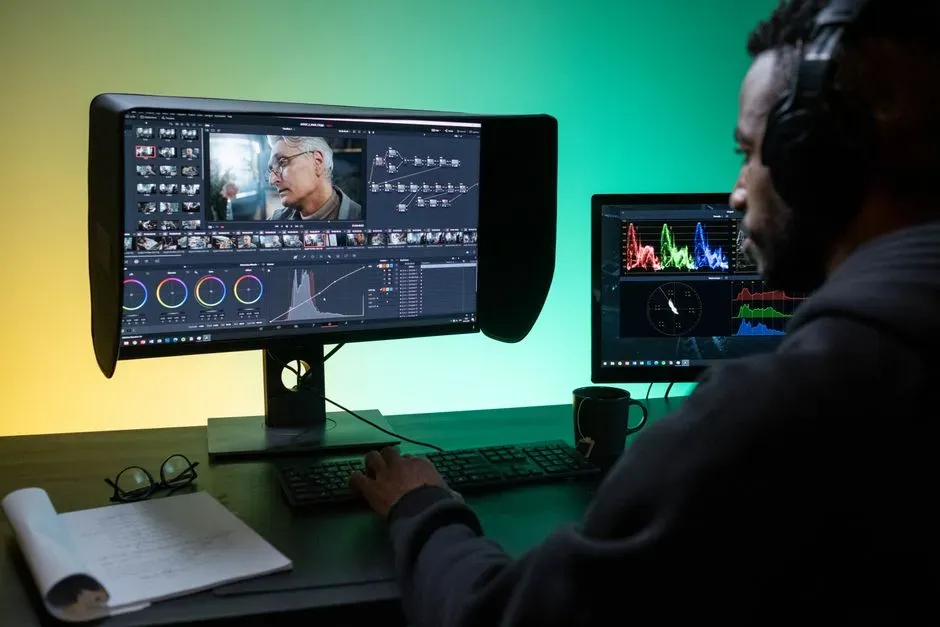
Before any creative decisions, a colorist makes the footage behave. Camera files often arrive in log formats, which store a wide range of brightness in a deliberately dull image. The first step is usually a transform that brings that footage into a standard working space so everything can be judged consistently.
Many studios now use managed systems such as ACES, the Academy Color Encoding System, to keep different cameras compatible. According to the Academy, ACES is designed to preserve image quality and consistency across cameras and deliverables. That matters when a single film mixes several camera brands.
Balancing Exposure and Contrast
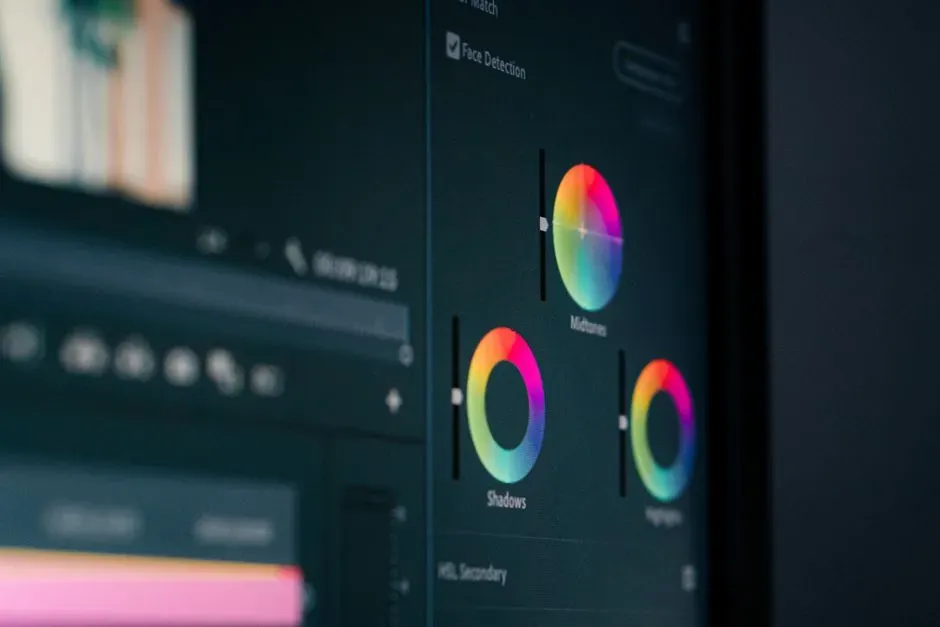
Next comes primary correction, which means setting brightness, contrast and overall color balance for each shot. The colorist adjusts shadows, midtones and highlights separately, usually with color wheels and curves. The goal is a clean, believable starting point.
Shots filmed hours apart can look surprisingly different. A cloud passing over a set can change skin tone and exposure in the same scene. Colorists even these differences out so the audience never notices a cut.
Matching Shots Across a Scene
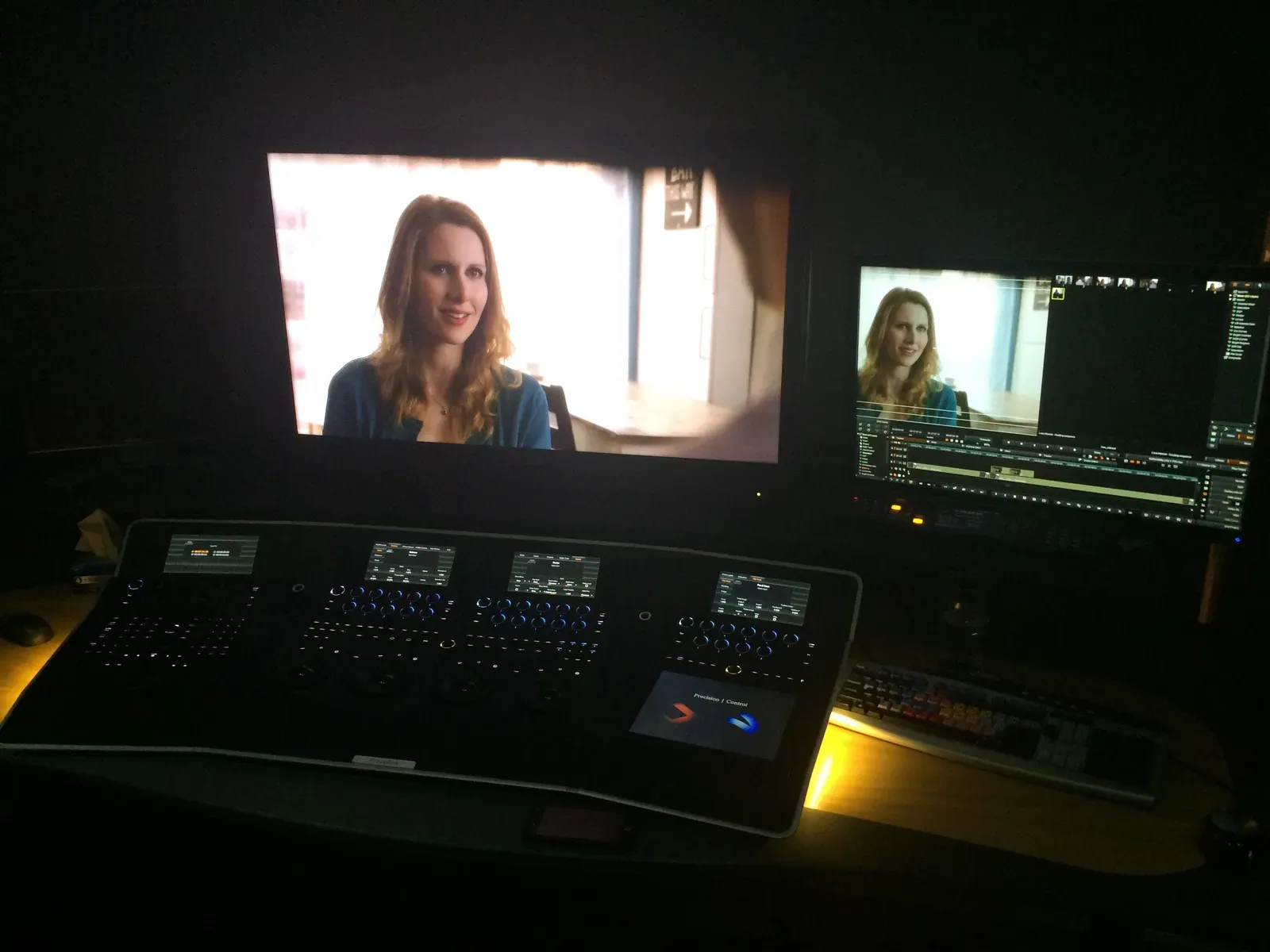
Continuity is one of the least glamorous and most important parts of grading. A conversation might be shot over a full day, with the light shifting from morning to afternoon. The colorist compares frames side by side, often with reference stills, and nudges each shot until the scene feels like one unbroken moment.
This is also where problems from production get quietly fixed. A slightly green fluorescent tube, a mismatched wardrobe color or a blown out window can often be tamed. Not everything is rescuable, though, and heavy fixes can cost image quality.
Building the Overall Look

With the footage matched, the creative pass begins. The colorist and filmmakers decide on palette, contrast, saturation and grain. A thriller might lean cold and desaturated, while a romance may go warmer and softer.
Often this look is planned long before the shoot. Cinematographers sometimes create reference LUTs, short for lookup tables, that preview an intended style on set. In the suite, that rough idea gets refined using the real footage.
Partner offer
Isolating Parts of the Image
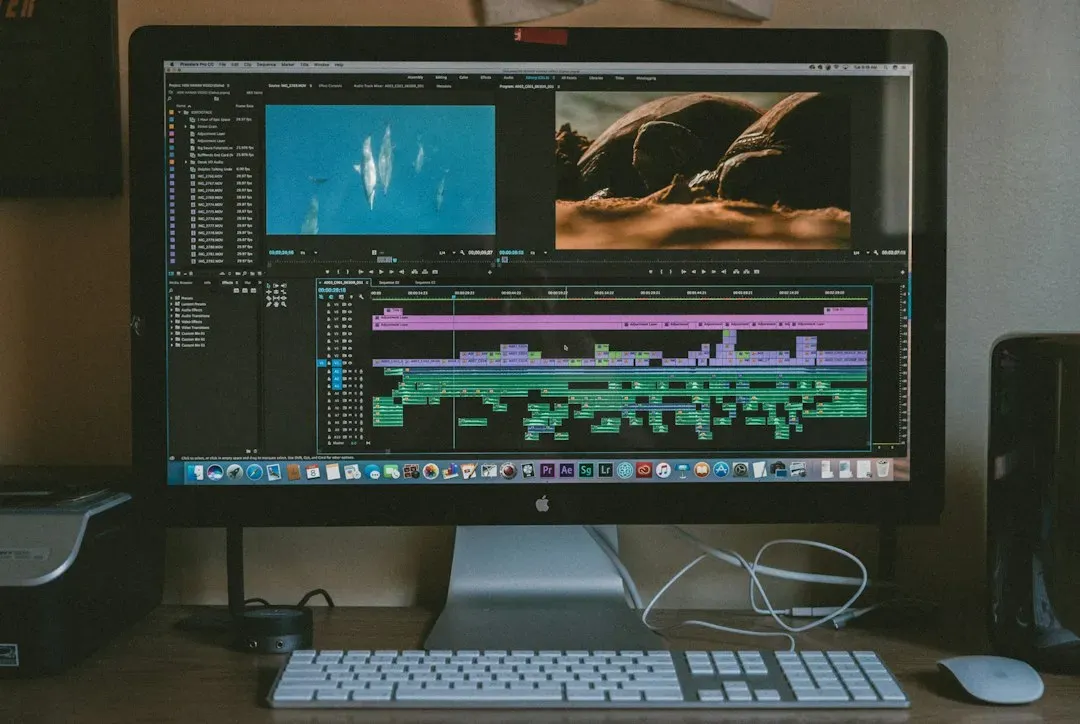
Secondary grading targets specific areas or colors rather than the whole frame. Using power windows, masks and tracking, a colorist can brighten a face, darken a distracting background or shift the blue of a sky without touching skin tones. Modern tools like DaVinci Resolve include features for tracking and qualifying selections.
Resolve has become a major platform for this work, and Blackmagic Design continues to release updates with AI assisted masking and tracking tools. These speed up tedious tasks. Judgment about what looks right still comes from the human in the chair.
Guiding the Viewer’s Eye
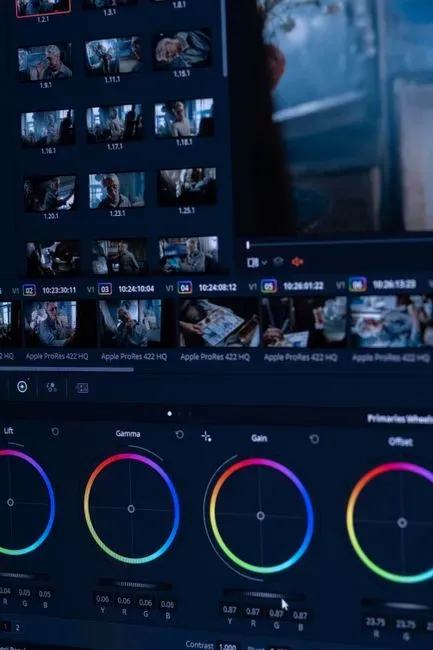
Color and light direct attention. By subtly darkening edges, lifting a character’s face or muting a bright object in the background, colorists steer where viewers look. Most audiences never consciously notice it.
Color can also carry story. A film may slowly drain warmth from its palette as a character’s situation worsens, or separate timelines by giving each a distinct tint. Those choices are typically agreed with the director well ahead of the final grade.
Grading for HDR and Different Screens

A movie has to look right in many places, from a cinema to a phone. High dynamic range grading allows brighter highlights and deeper contrast on supporting displays. Dolby Vision is one widely used HDR format, and it lets colorists create metadata that helps adapt the image to different screens.
Typically a film is graded in HDR first or alongside a standard dynamic range version, then trimmed for other formats. Theatrical projection, streaming and home video each get their own checks. That’s why colorists work on carefully calibrated monitors in controlled rooms.
Working With Directors and Cinematographers
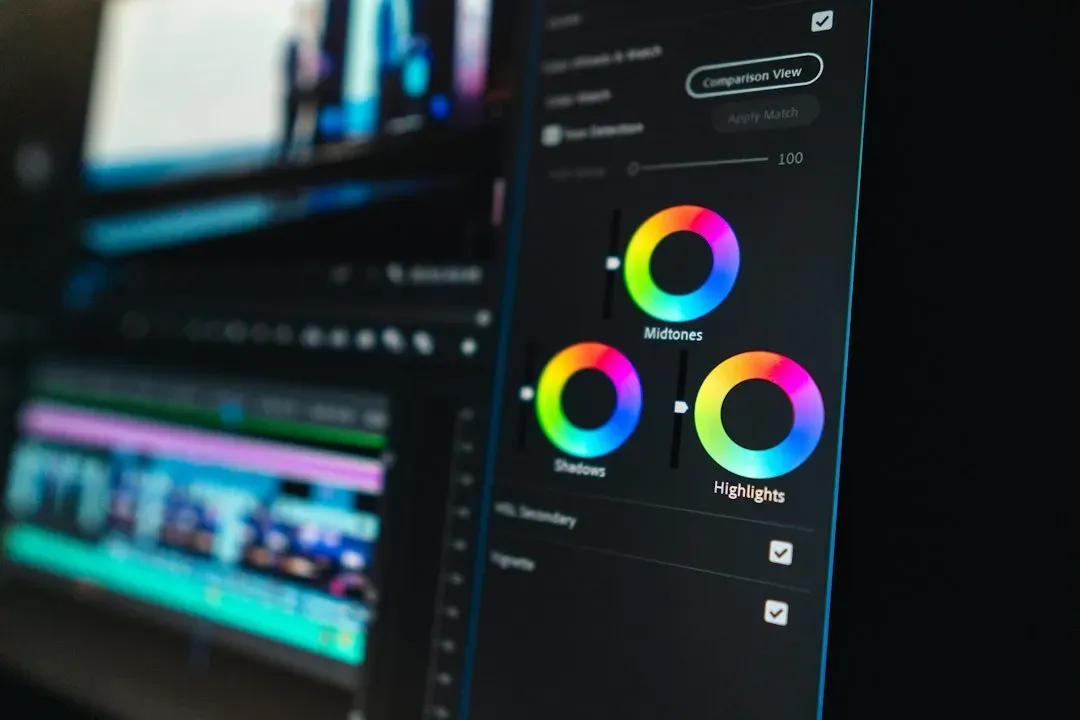
Grading is collaborative. The cinematographer usually attends many sessions to protect the visual intent, while the director reacts to emotion and story. The colorist translates vague feedback, like making a scene feel colder or more intimate, into specific adjustments.
Remote review has also become common since the early 2020s. Tools such as Blackmagic’s cloud features and Sohonet’s ClearView let filmmakers watch sessions from other cities. Even so, final approval often still happens in a proper grading theater.
Finishing, Deliverables and Quality Control
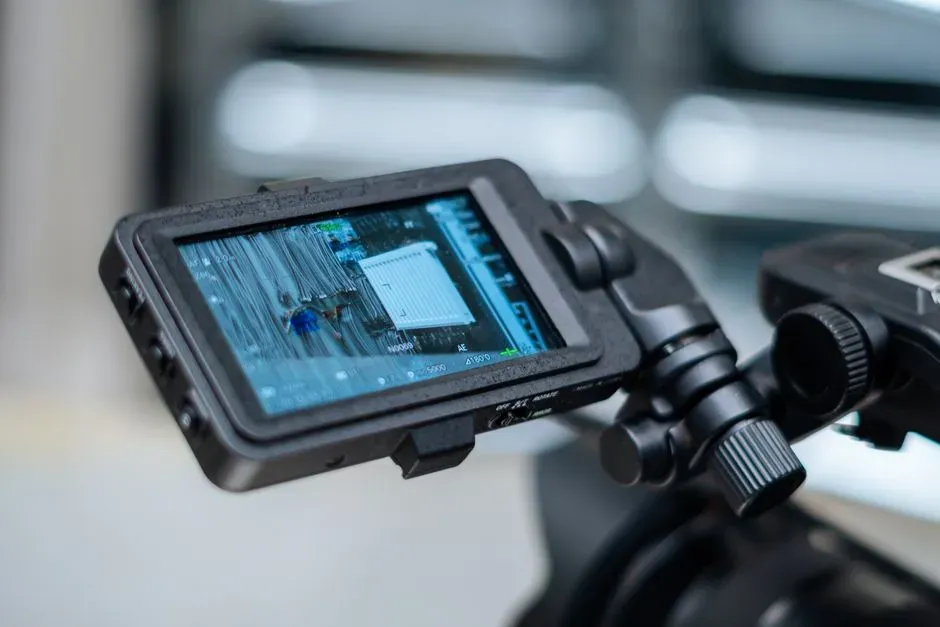
Once the look is approved, the grade is rendered into multiple versions. These can include a digital cinema package, streaming masters and home formats, each with technical specifications. Streaming services such as Netflix publish detailed delivery requirements covering color space and HDR.
Quality control closes the process. Technicians check for clipping, banding, illegal colors and stray errors before release. After that, the film leaves the suite looking the way the filmmakers intended.
Partner offer
Planning a trip to Vegas?
Compare hotel rates and show tickets on VEGAS.com.